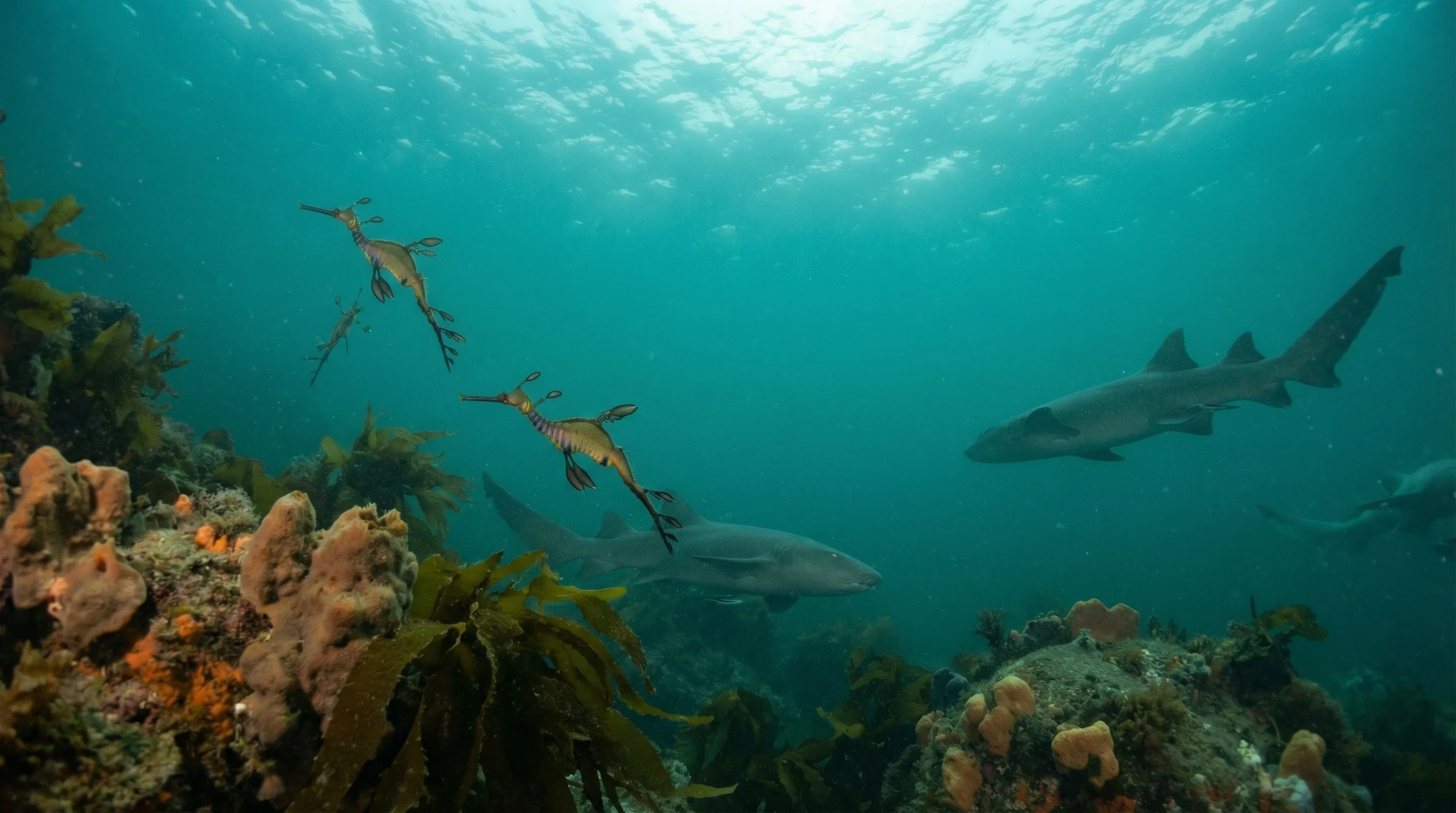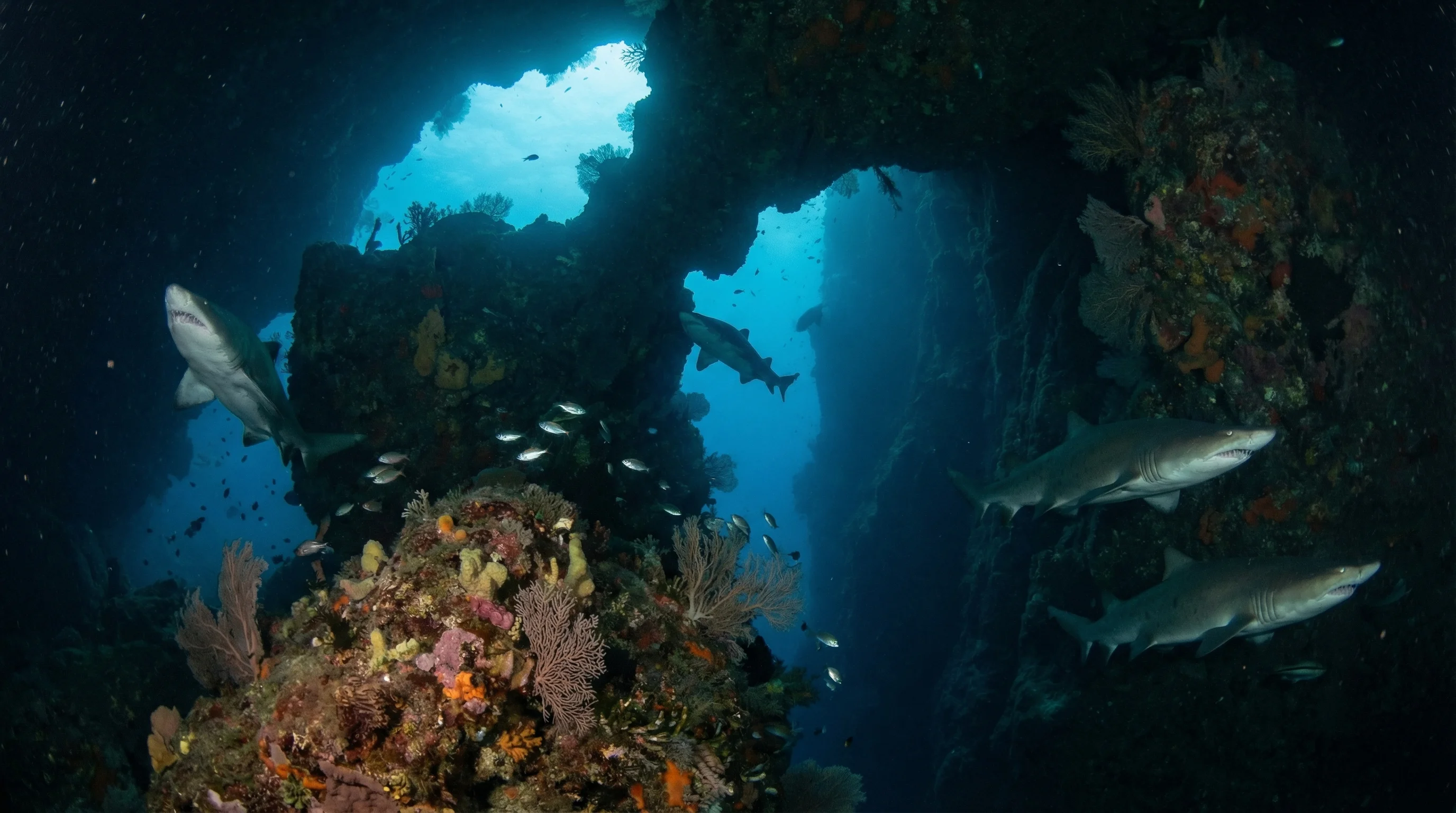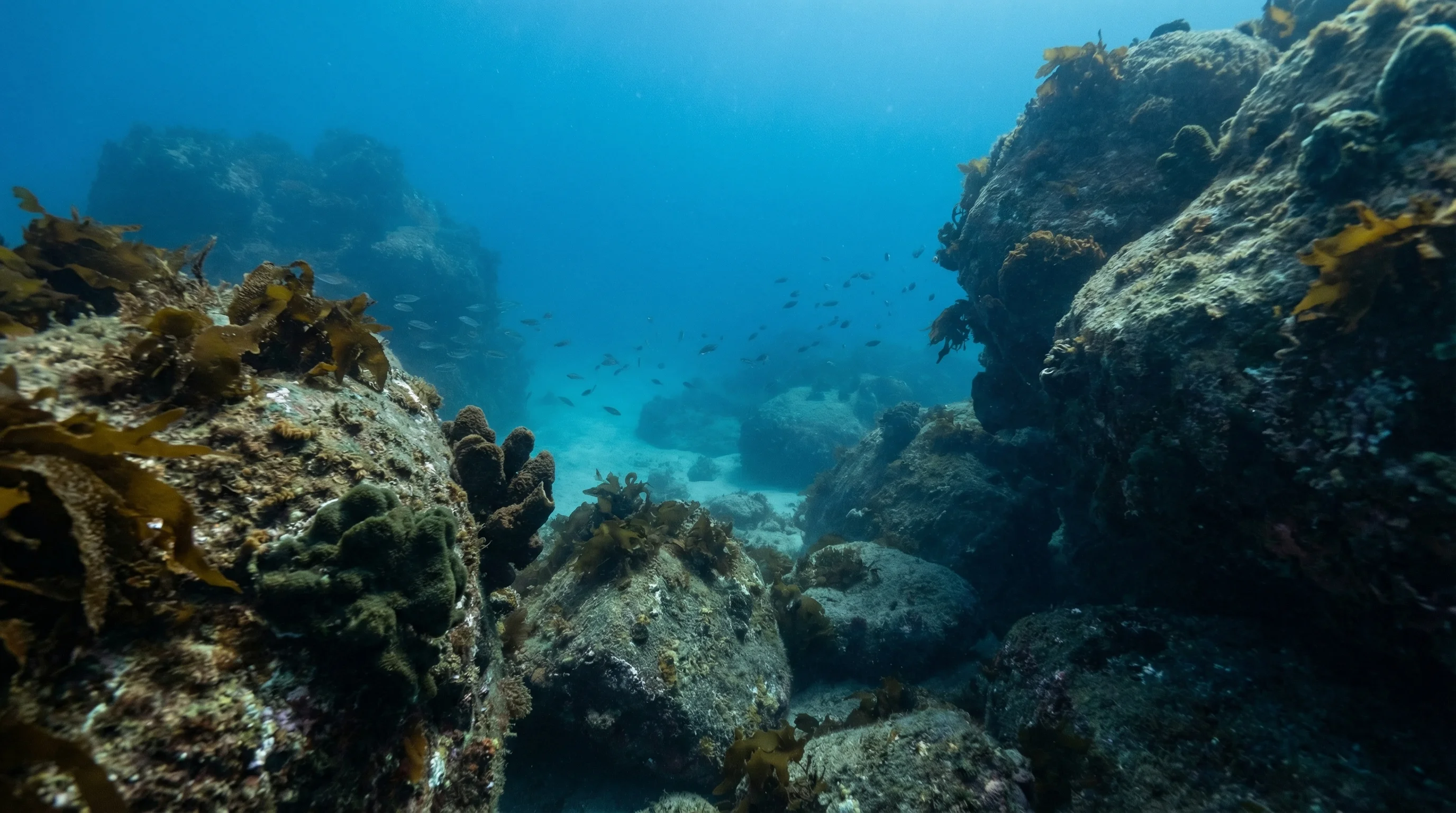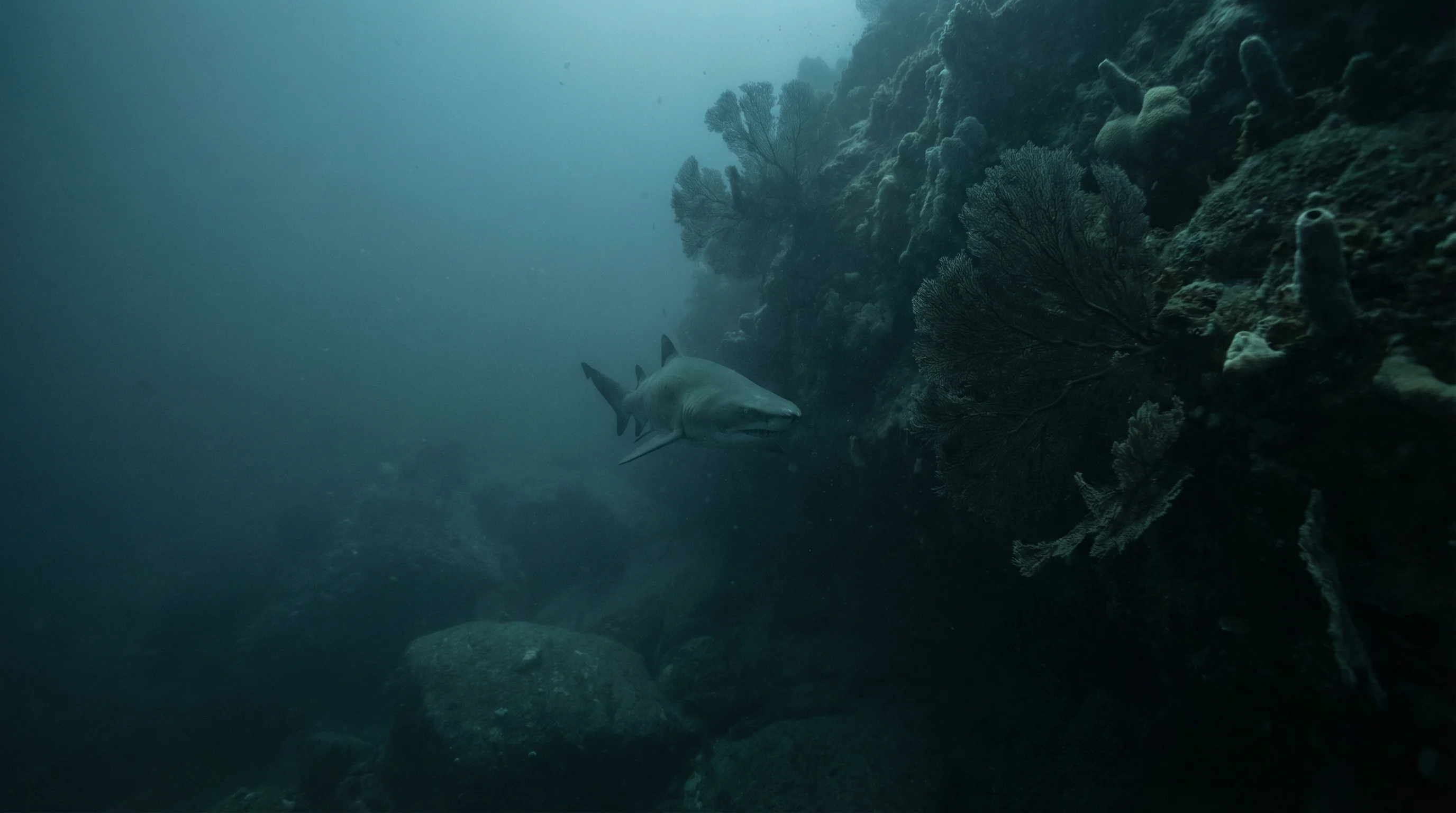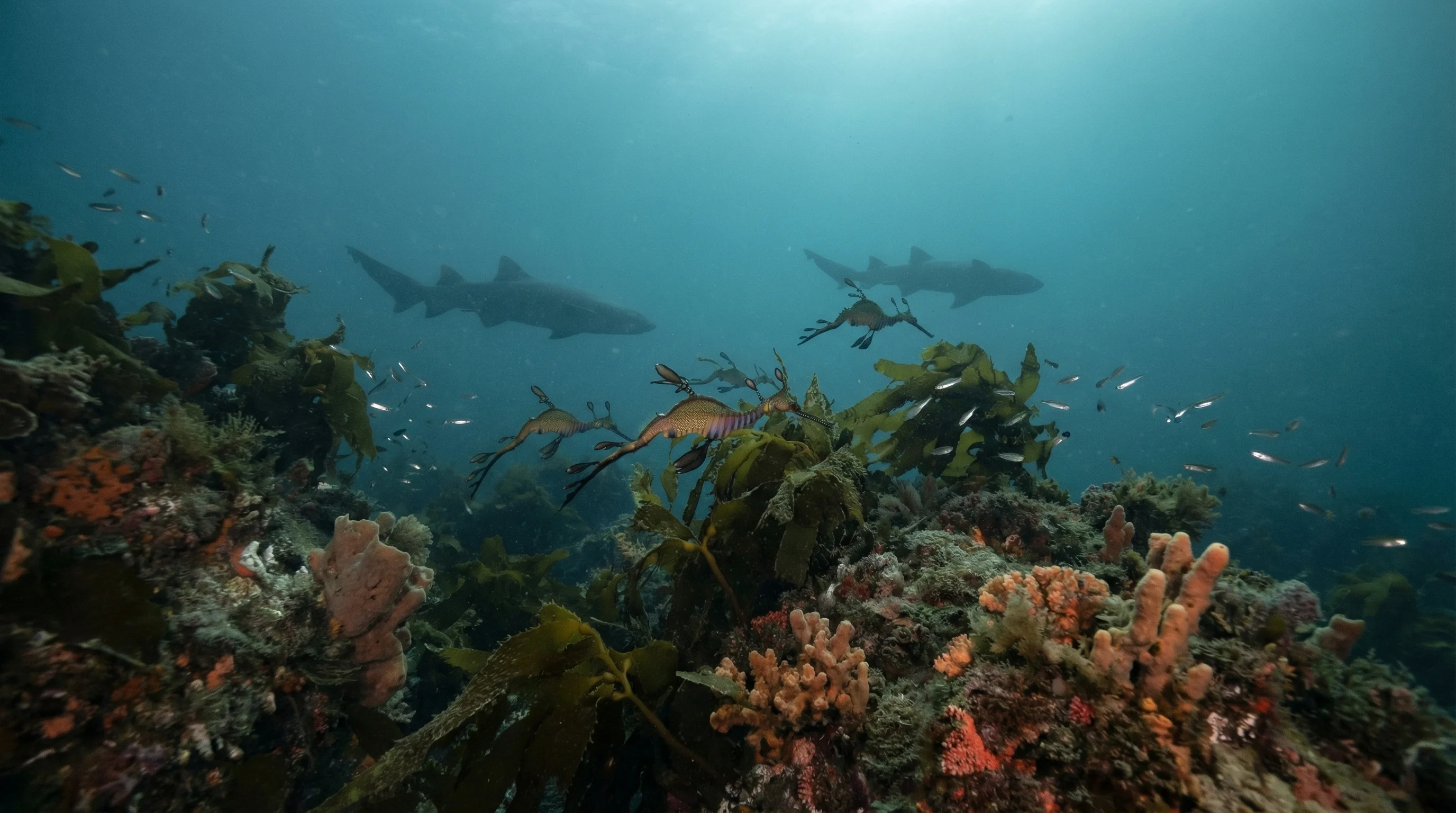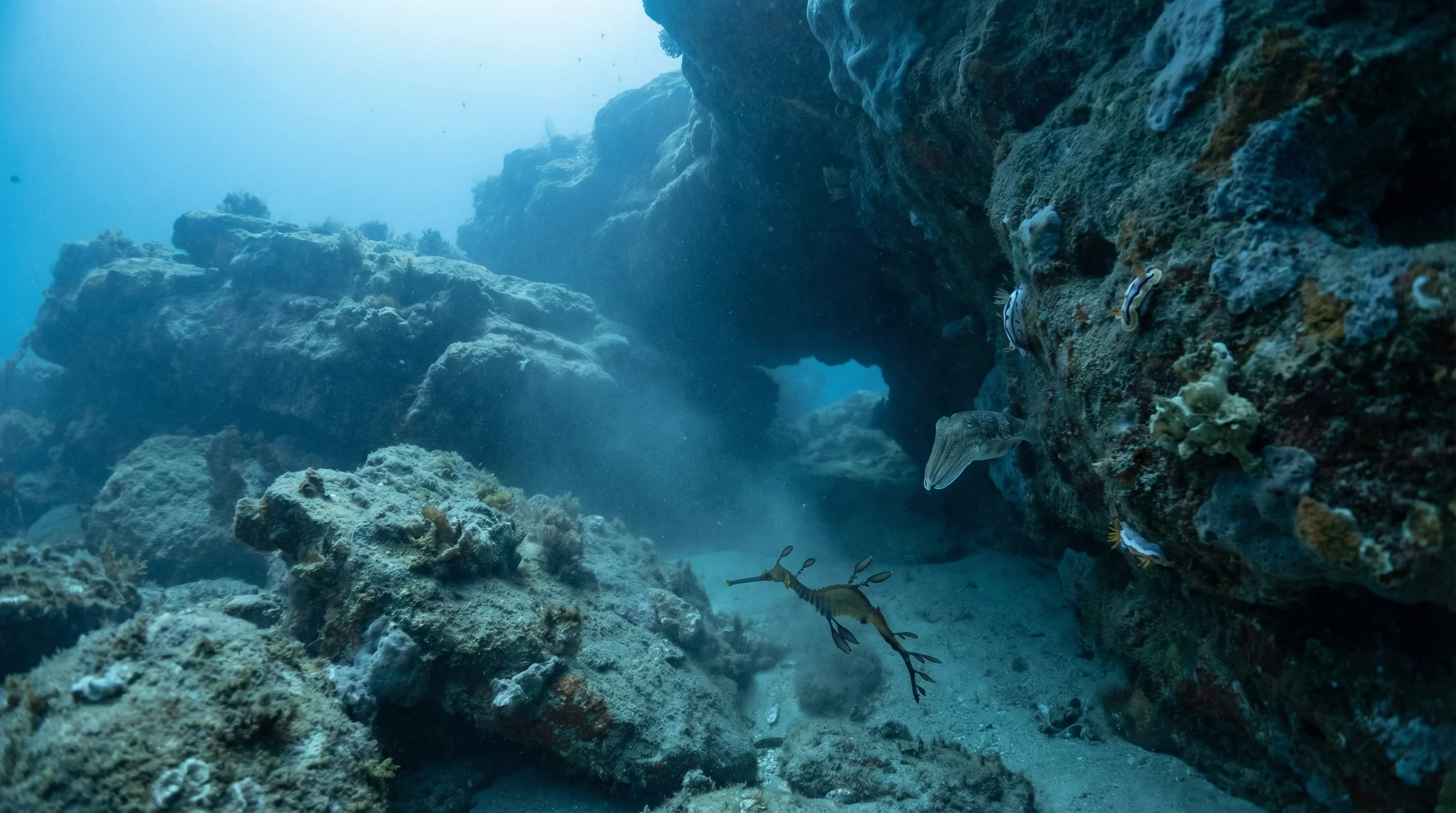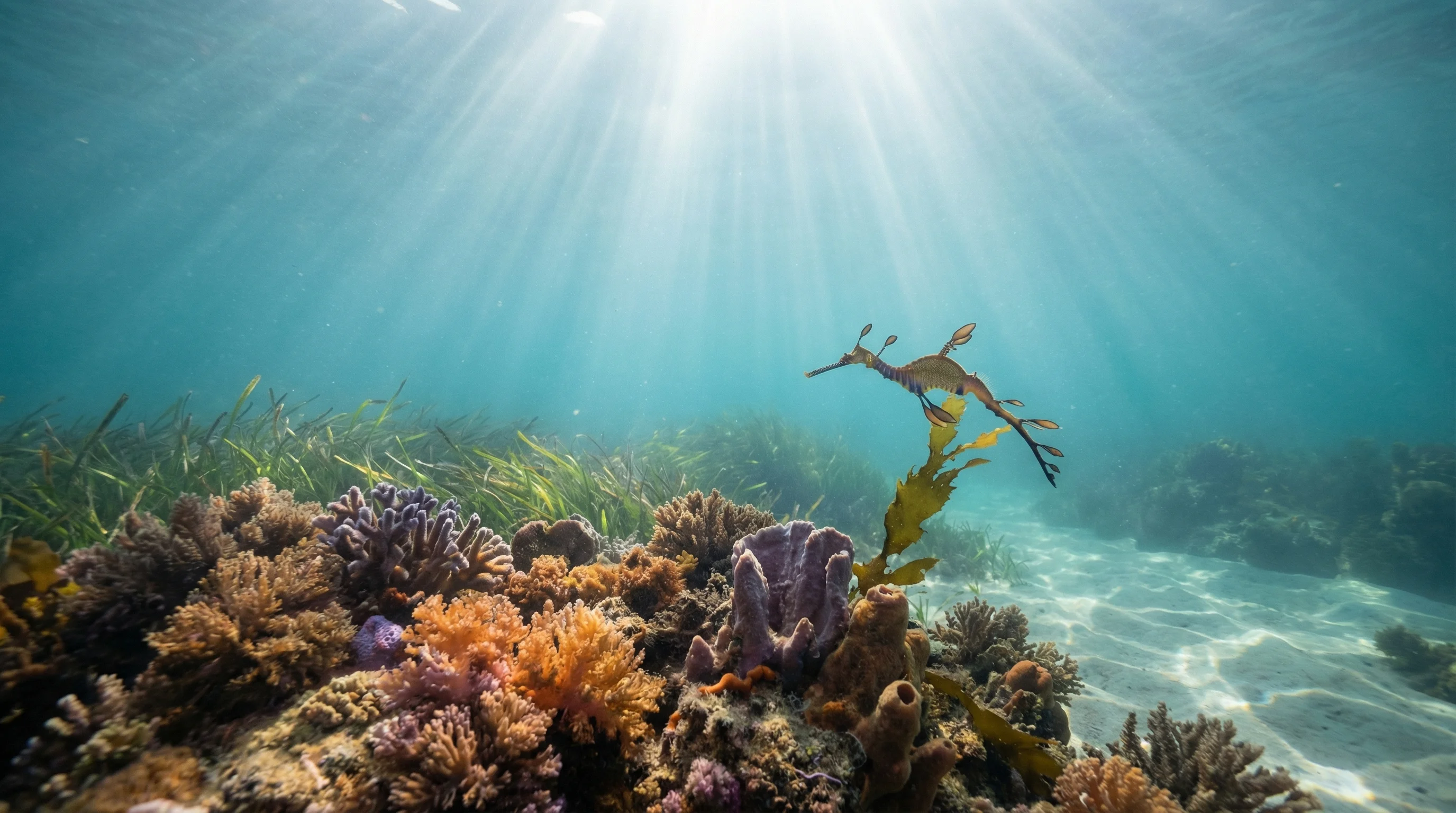
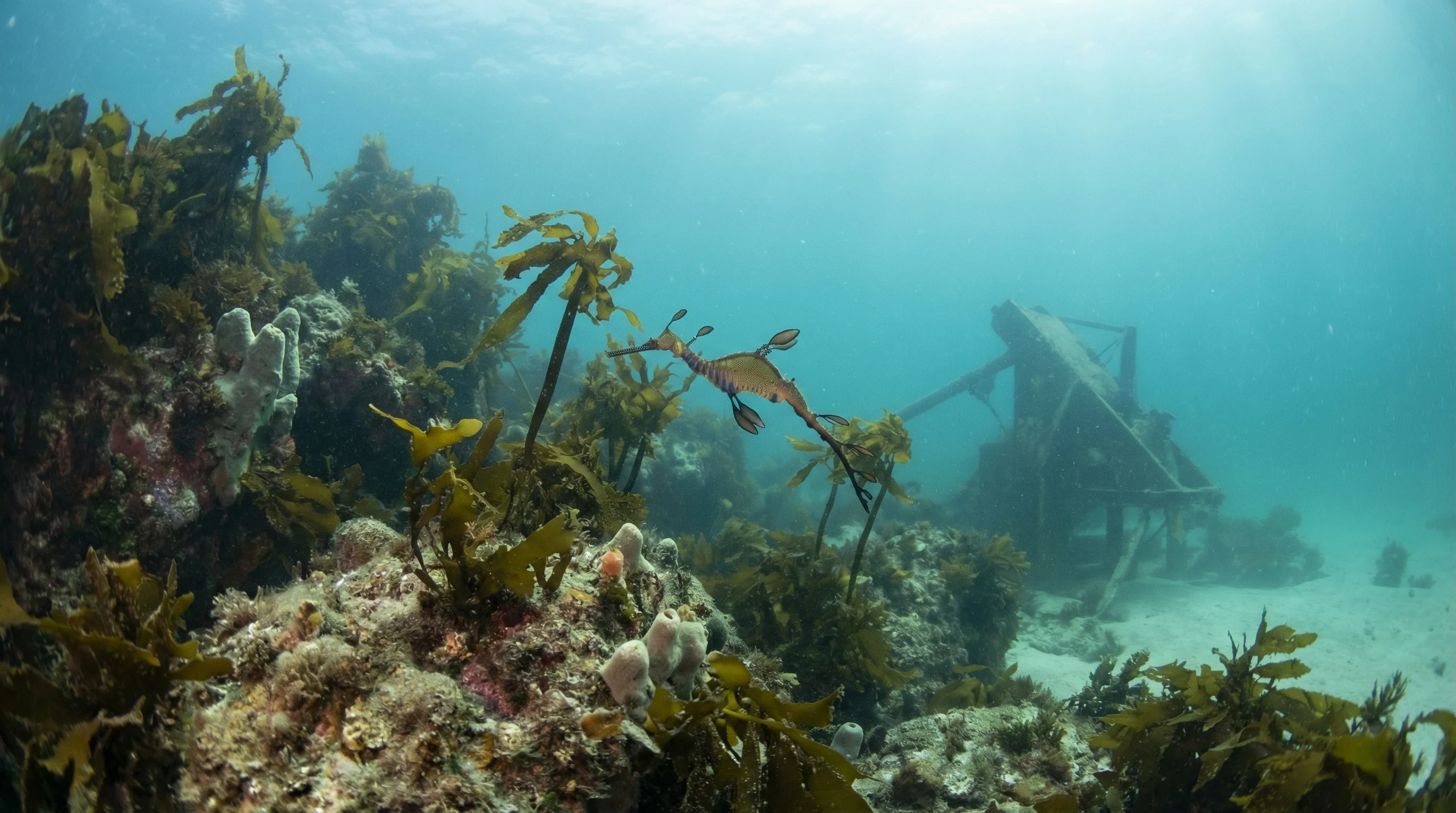
Bass Point offers beginner divers a genuinely varied underwater experience off the New South Wales coast. Depths run from a shallow 3 metres down to 22 metres in the deeper sections, with visibility ranging from 5 to 20 metres depending on conditions. The site is known for some remarkable encounters, including weedy seadragons, pygmy pipehorses, and giant cuttlefish for those who look carefully. Grey nurse sharks and wobbegong sharks are also present, along with blue devilfish, moray eels, nudibranchs, and rays. Be aware that surge and stronger currents can develop, so check conditions before entering. Both boat and shore entry are available.
-34.59715, 150.89977
July through October brings the best visibility and the most reliable sightings of the site's more unusual residents, so plan your visit in those months if you can. Go early in the morning before any wind chop builds, and note that parking and toilet facilities are available on site.
The reserve is accessed via Bass Point Tourist Road south of Shellharbour. Bushrangers Bay requires a walk down a path and some stairs from the carpark at the end of the road. Other sites like "The Gutter" and "The Gravel Loader" have their own access points from different carparks. Some deeper reefs offshore are only accessible by boat.
Entry and exit at some sites, like "The Gutter", can be dangerous if there is a significant swell. Currents can be present in Bushrangers Bay. Divers at "The Gravel Loader" should be mindful of shark diving protocols and avoid sudden movements.
Depth
3-22m
Visibility
5-20m
Skill Level
Beginner
Entry
Shore & Boat
Water Temp
16-25°C
Current
Mild
Typical Dive
40 min
Best Time
Jul, Aug, Sep, Oct
Bass Point in Shellharbour, New South Wales is renowned for its diverse marine life including Grey Nurse sharks, Weedy Seadragons, and Giant Cuttlefish. Divers regularly encounter Blue Devilfish, Pygmy Pipehorses, Wobbegong sharks, nudibranchs, and moray eels across the site's reef systems.
Bass Point requires an Open Water certification as the minimum qualification for diving. The site extends from 3 metres to 22 metres depth with mild currents, making it accessible for recently certified divers whilst offering enough variety for experienced divers.
The best months to dive Bass Point are July through October, which coincides with the Australian winter and early spring. During this period, water temperatures range from 16°C to 25°C and visibility typically reaches 5 to 20 metres.
Bass Point offers both shore and boat diving options with no boat required for access. The site features convenient entry from land with parking and toilet facilities available, making it a popular choice for independent shore divers in the Shellharbour area.
Bass Point is suitable for beginner divers with Open Water certification, featuring depths from 3 to 22 metres and generally mild currents. However, divers should be aware that surge and occasionally strong currents can occur, requiring basic water movement skills and proper dive planning.
Night diving is permitted at Bass Point, offering opportunities to observe nocturnal marine behaviour including hunting moray eels and resting sharks. The shallow entry from shore at 3 metres provides a safe environment for night dives with proper lighting and navigation skills.
The primary hazards at Bass Point are surge and strong currents, which can develop particularly during adverse weather conditions. Divers should check local surf reports, time their entries carefully, and maintain awareness of changing water movement throughout their dive.
Bass Point has no entry fee for diving or accessing the site. The location provides free parking and toilet facilities for divers visiting this shore-accessible dive site in Shellharbour.
A 5mm wetsuit is recommended for diving at Bass Point in Shellharbour. Water temperatures range from 16°C to 25°C.
Bass Point in Shellharbour typically has mild currents that most divers can handle comfortably.
Visibility at Bass Point in Shellharbour typically ranges from 5 metres to 20 metres. Conditions vary with weather, tides, and seasons.