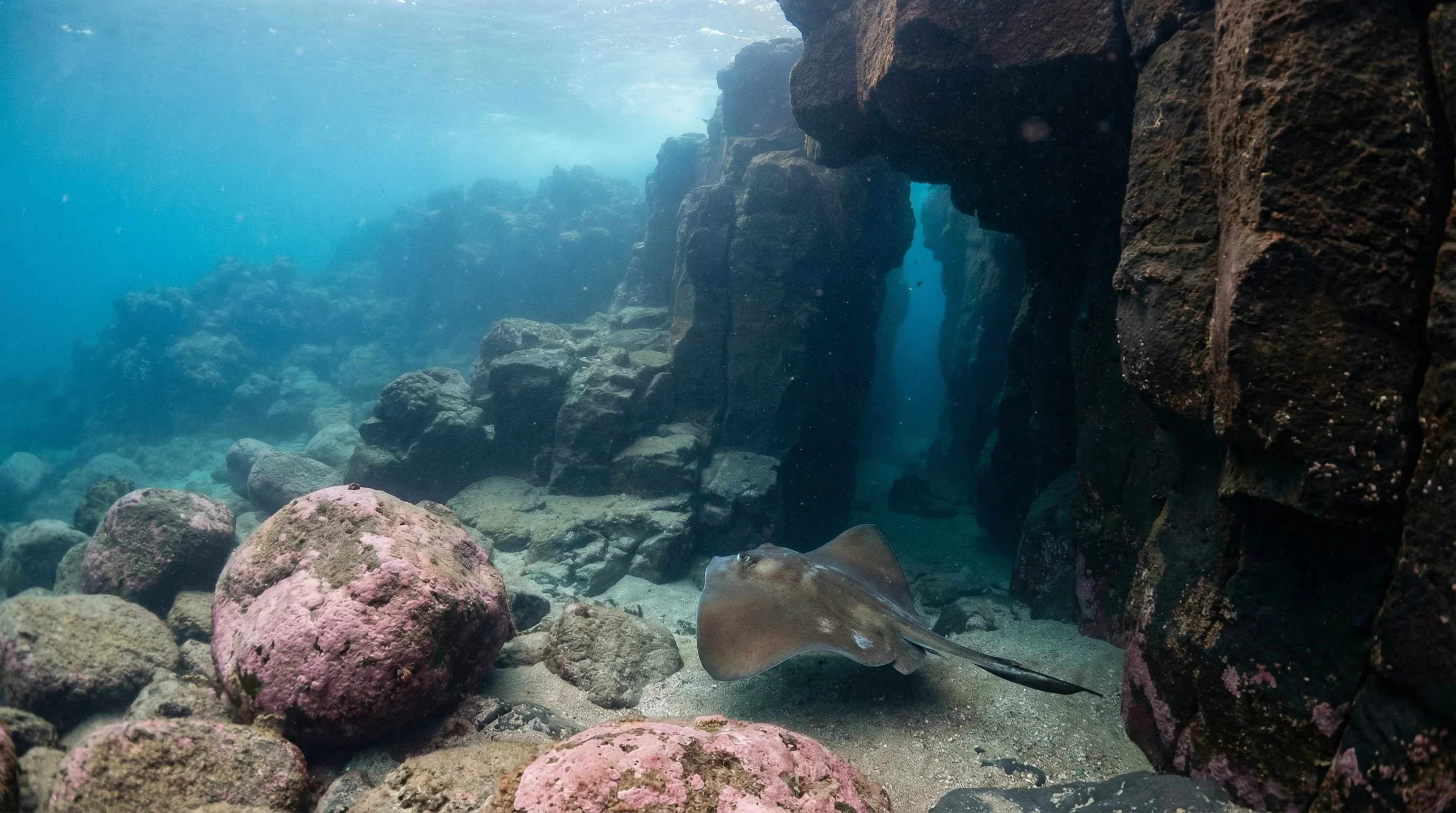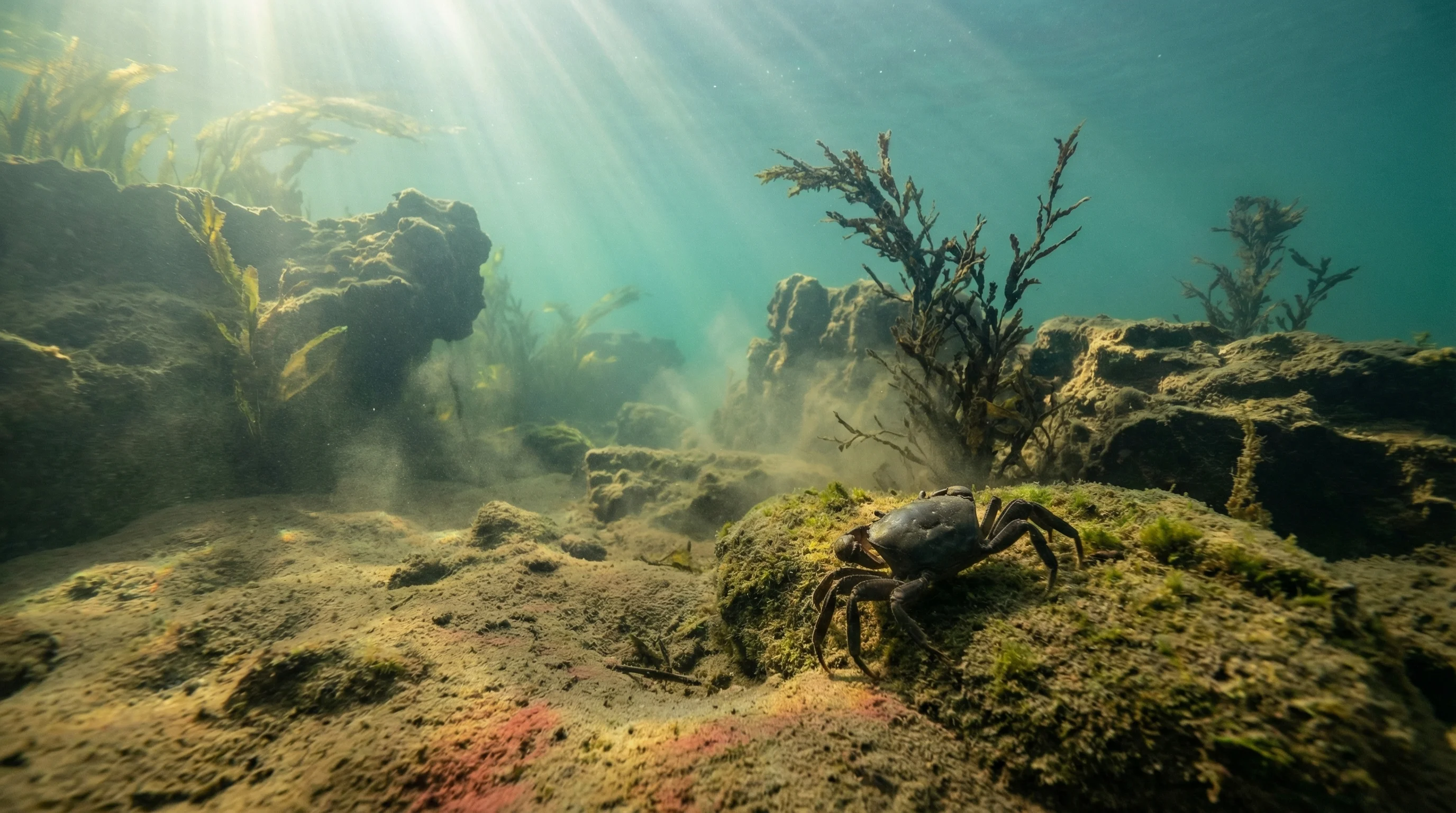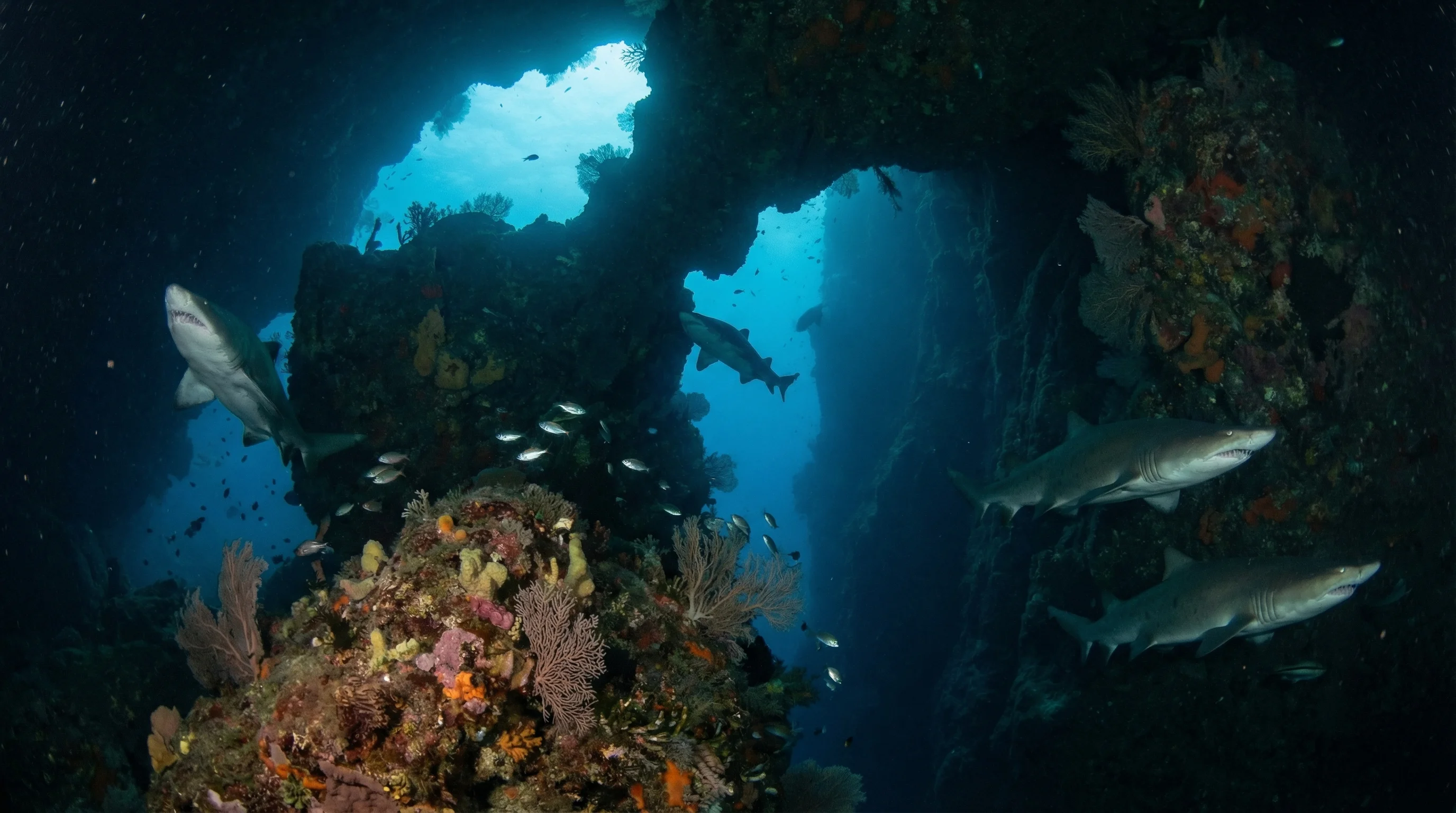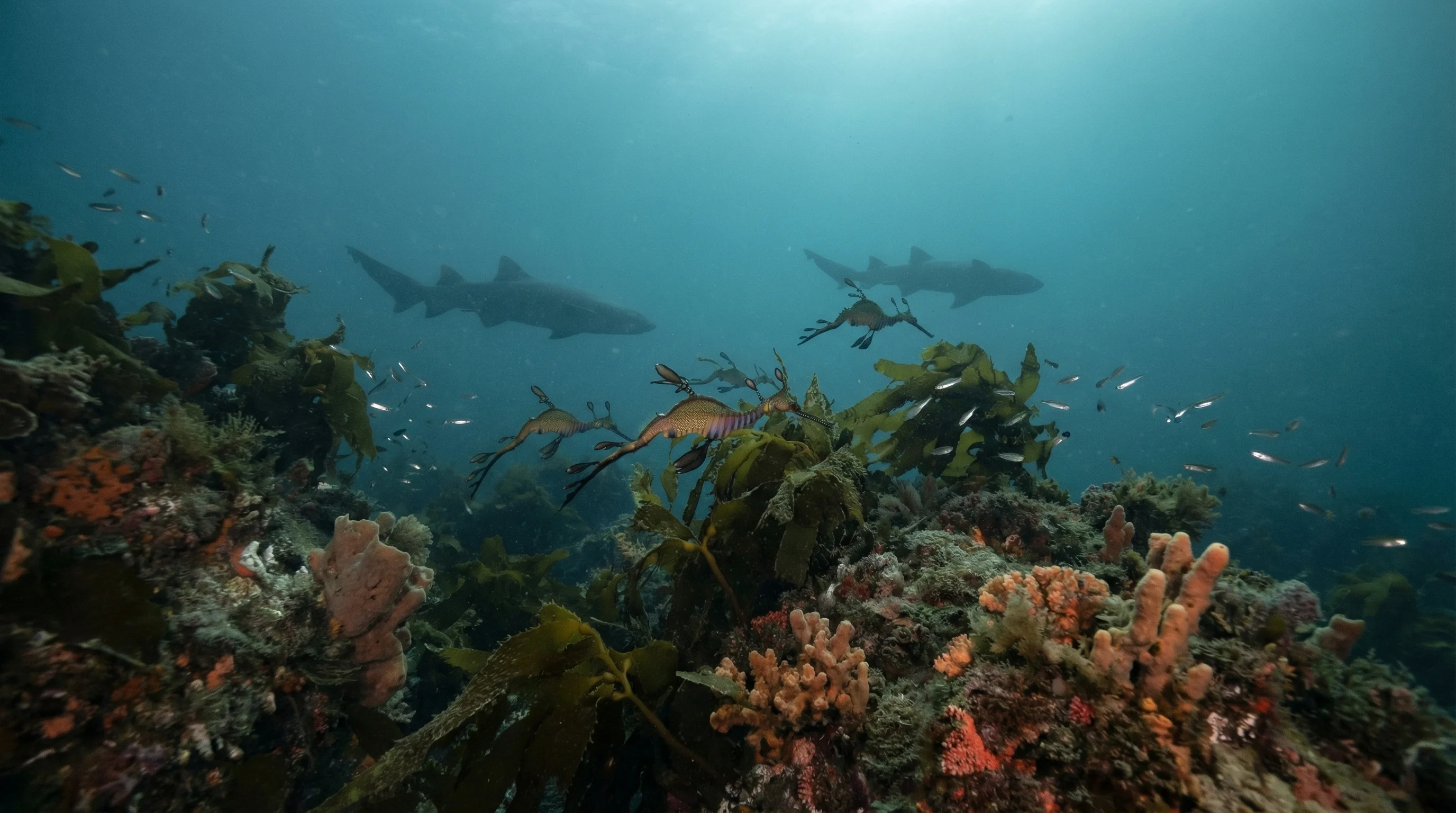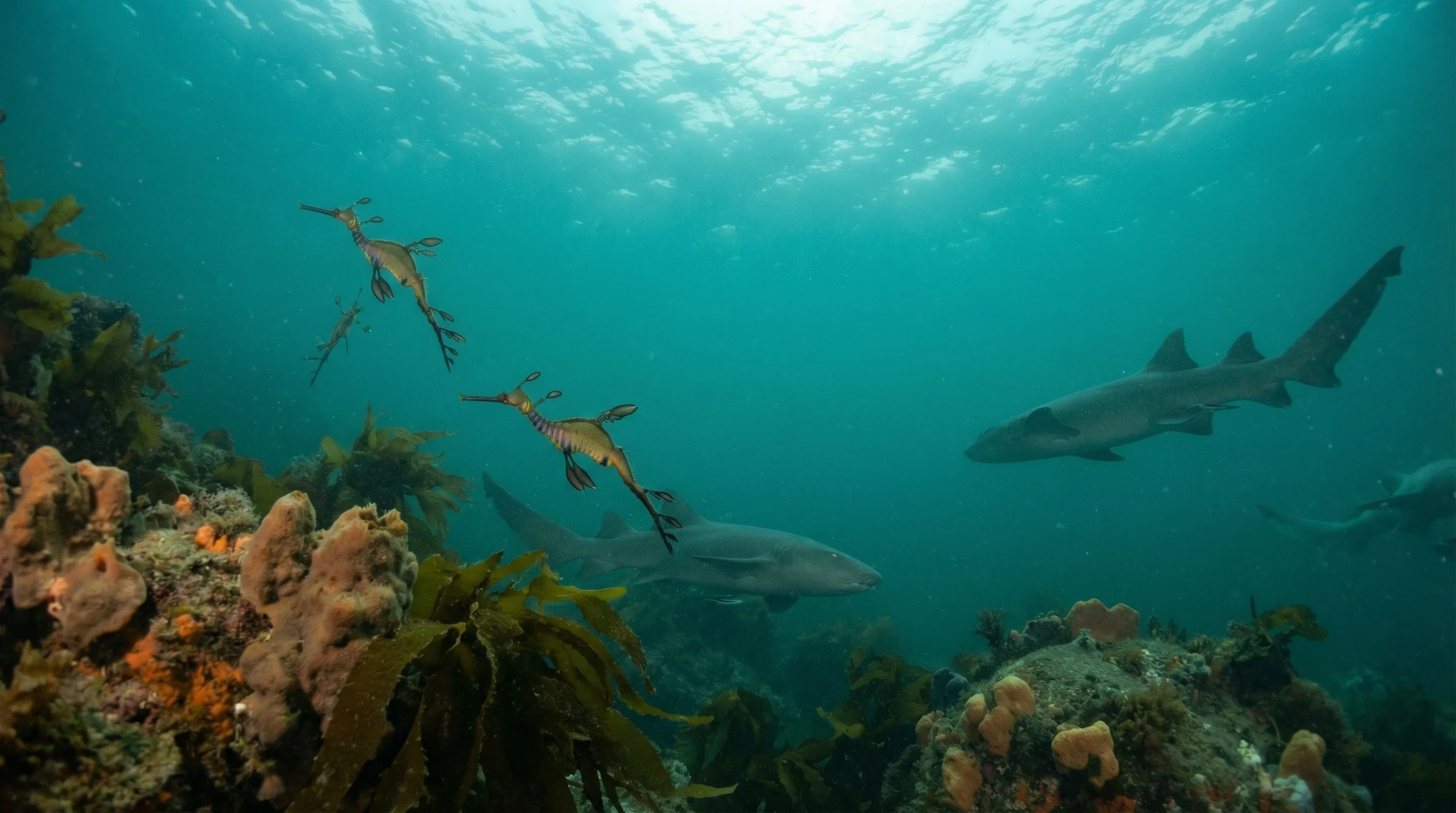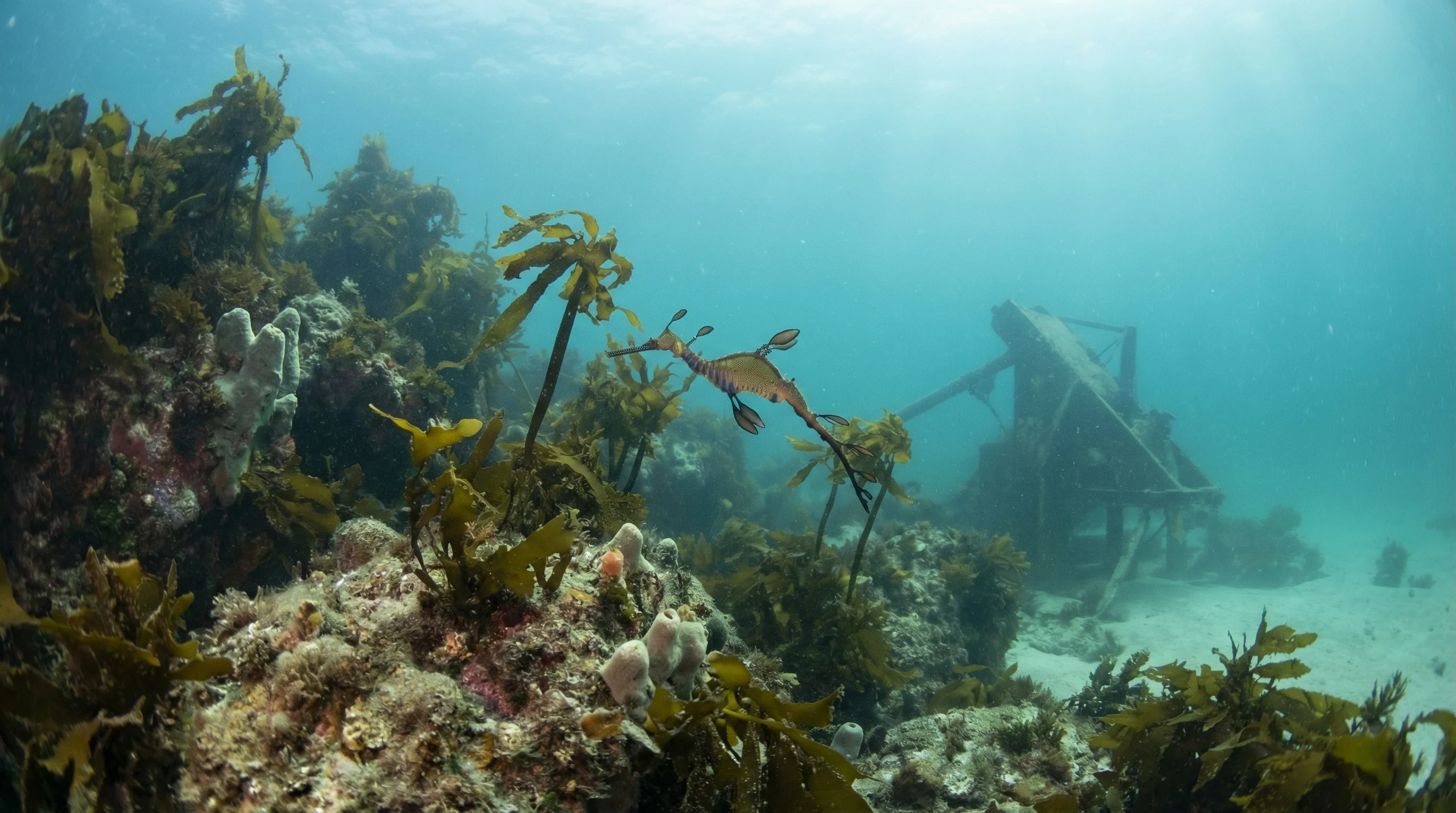

Boat Harbour Rock Pool is a sheltered shore entry site in New South Wales, well suited to beginners or snorkellers wanting a gentle introduction to reef life. The water is shallow and generally calm, though surge can pick up depending on conditions, so check the swell before you go. Visibility varies, so you may not always get crystal-clear water, but even on murkier days you can find flathead resting on the sandy bottom, starfish tucked among the rocks, colourful sea slugs, and small fish darting through the reef. Watch where you put your hands, as the coral edges can be sharp and jellyfish occasionally pass through.
-34.74974, 150.83330
November through May tends to bring the most settled conditions, making it the best window for a comfortable visit. Facilities are good with parking, toilets, and showers on site, so it works well as a casual half-day trip.
The pool is accessed via a 50-100 metre walkway that starts at the Boat Harbour Reserve car park, located off Jupiter Street in Gerringong.
The natural rock bottom is uneven. During high swell or storms, large waves can enter the pool, making it unsafe. Marine stingers can occasionally be washed into the pool.
Depth
1-3m
Skill Level
Beginner
Entry
Shore
Water Temp
17-23°C
Current
Mild
Best Time
Jan, Feb, Mar, Apr, May, Nov, Dec
Boat Harbour Rock Pool in New South Wales is ideal for beginner snorkellers, with shallow depths of just 1 metre and easy shore access from the beach. The protected rock pool environment provides calm conditions without strong currents, making it perfect for first-time snorkellers and families. Facilities including parking, toilets and showers are available on site.
Boat Harbour Rock Pool on the South Coast of New South Wales is home to flathead, starfish, sea slugs and various small fish species. The shallow 1-metre depth makes it easy to observe these creatures in their natural rock pool habitat. This is an excellent site for introducing children to marine life observation in a safe, enclosed environment.
The best months for snorkelling at Boat Harbour Rock Pool are November through May, covering late spring, summer and early autumn. Water temperatures range from 16°C in winter to 25°C during the warmer months, with the most comfortable conditions occurring between December and March. The pool is accessible year-round but warmest during the Australian summer season.
Boat Harbour Rock Pool is accessed via shore entry directly from the beach in New South Wales, with parking facilities available nearby. No boat is required, and the site offers convenient amenities including toilets and showers. There is no entry fee to access the rock pool for snorkelling.
Snorkellers at Boat Harbour Rock Pool should be aware of surge conditions, sharp coral or rocks, jellyfish and potential marine life interactions. Despite the shallow 1-metre depth and beginner-friendly environment, care should be taken around rocky surfaces and when encountering marine creatures. Check local conditions and jellyfish warnings before entering the water.
Snorkelling at Boat Harbour Rock Pool is completely free with no entry fees required. The site provides parking, toilets and showers at no charge, making it an accessible and budget-friendly option for families and beginner snorkellers on the New South Wales South Coast.
No certifications or qualifications are required to snorkel at Boat Harbour Rock Pool in New South Wales. The shallow 1-metre depth and beginner-friendly conditions make it suitable for anyone comfortable in water, including children and first-time snorkellers. Basic swimming ability and standard snorkelling equipment are all that is needed.
A 5mm wetsuit is recommended for diving at Boat Harbour Rock Pool in South Coast. Water temperatures range from 17°C to 23°C.
Boat Harbour Rock Pool in South Coast has depths ranging from 1 metres to 3 metres.
Boat Harbour Rock Pool in South Coast offers snorkelling with a rating of 1 out of 5. Shallow areas start from 1 metres, making it accessible for snorkellers.
Boat Harbour Rock Pool in South Coast typically has mild currents that most divers can handle comfortably.