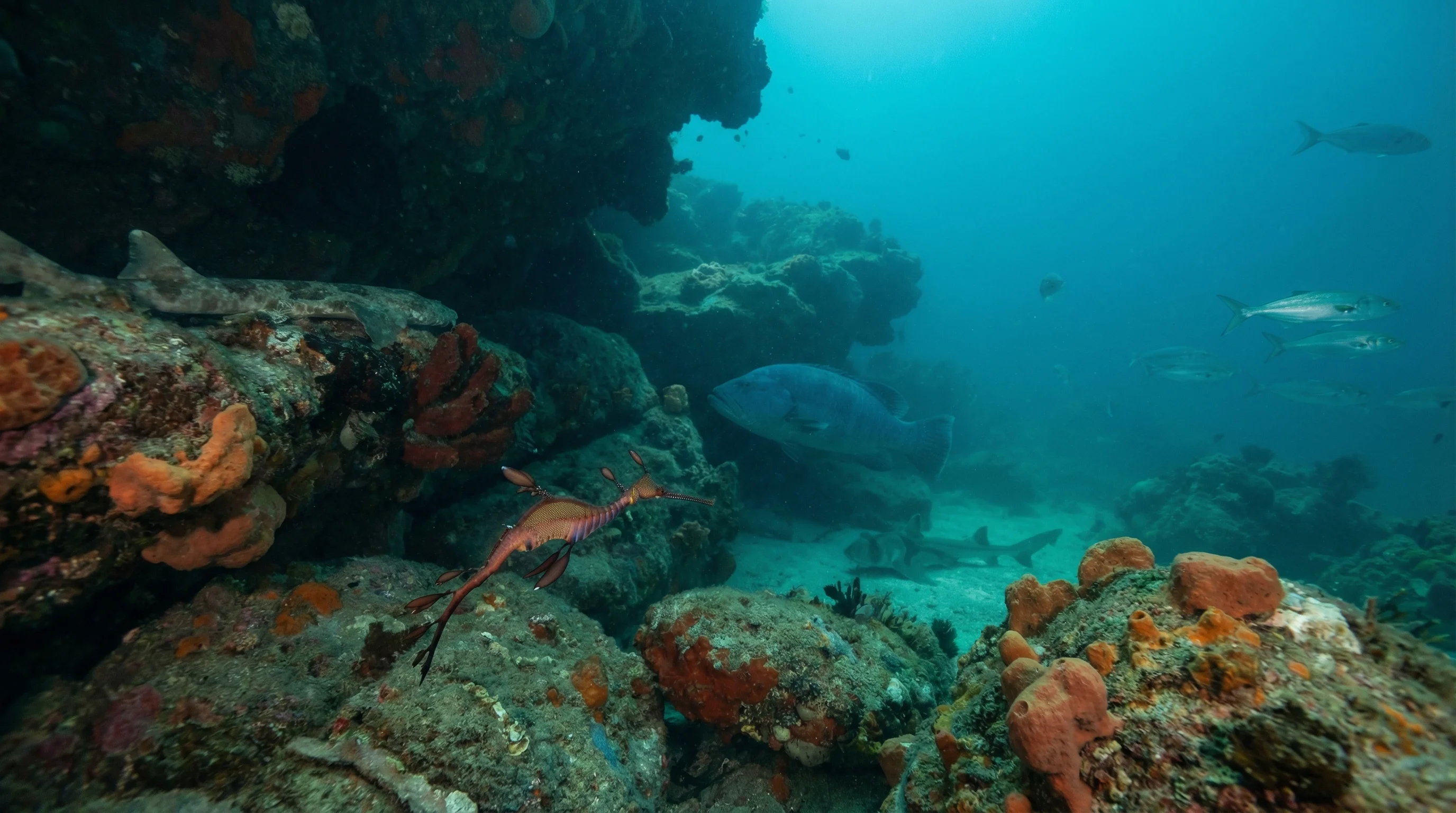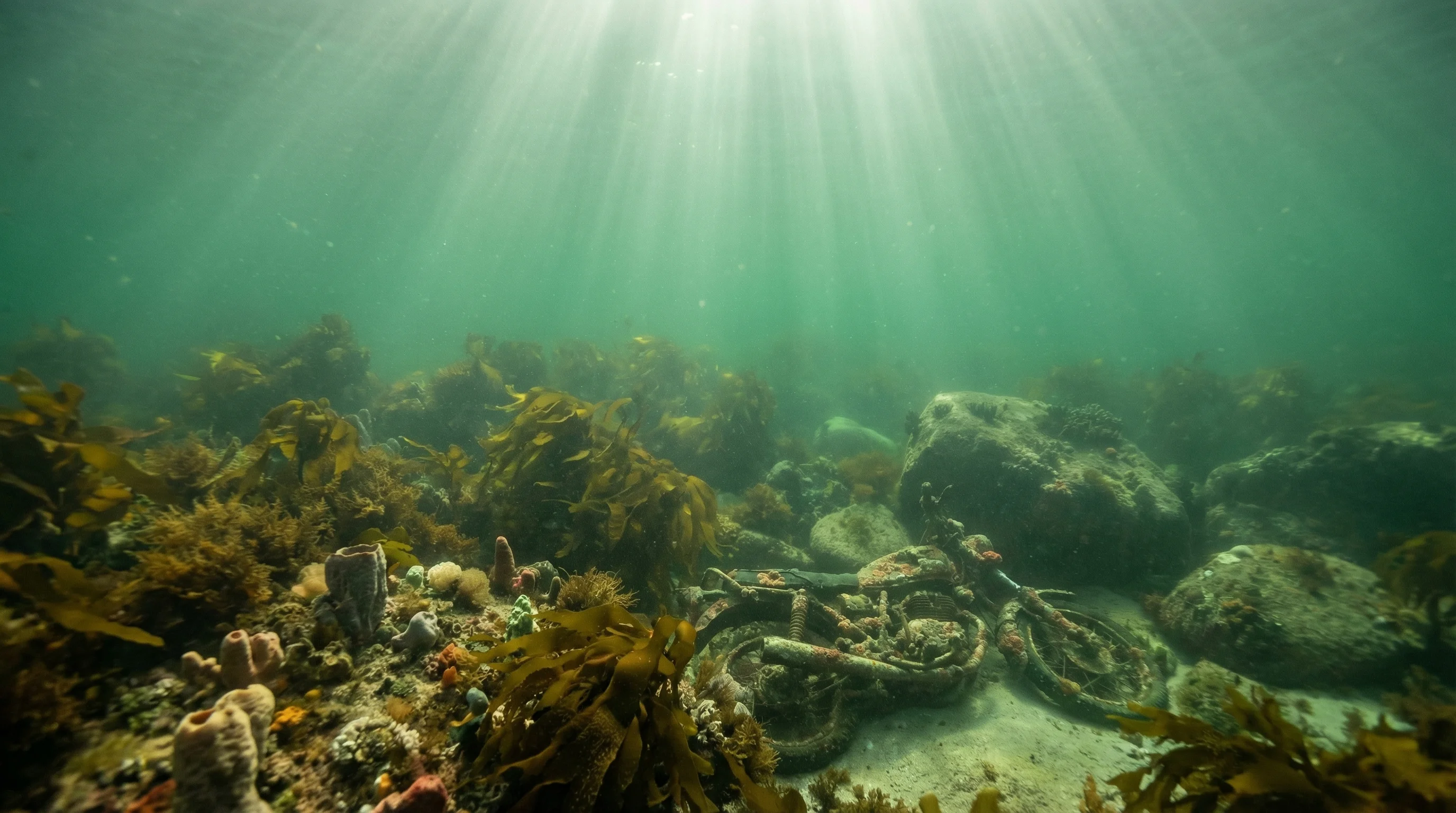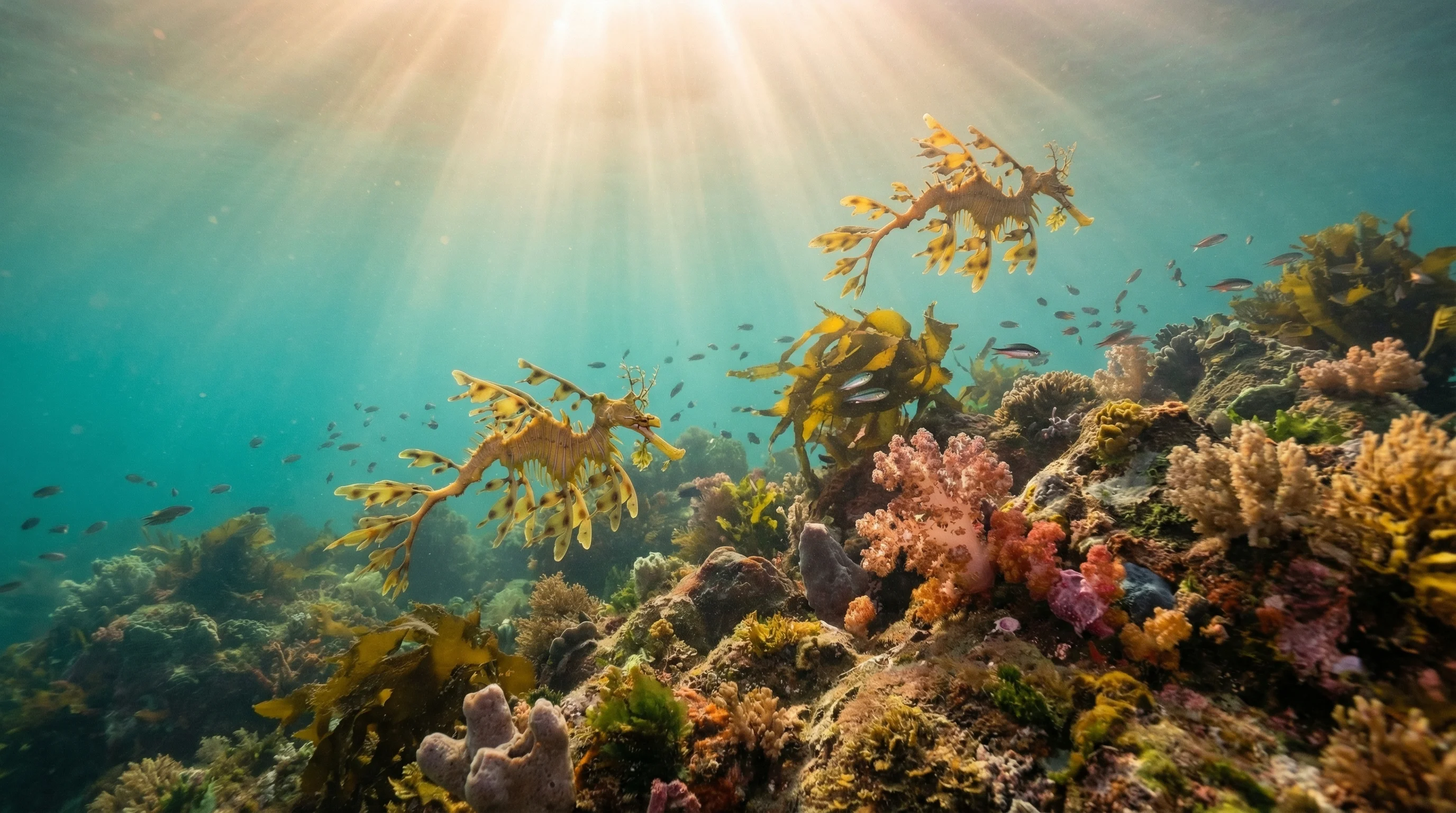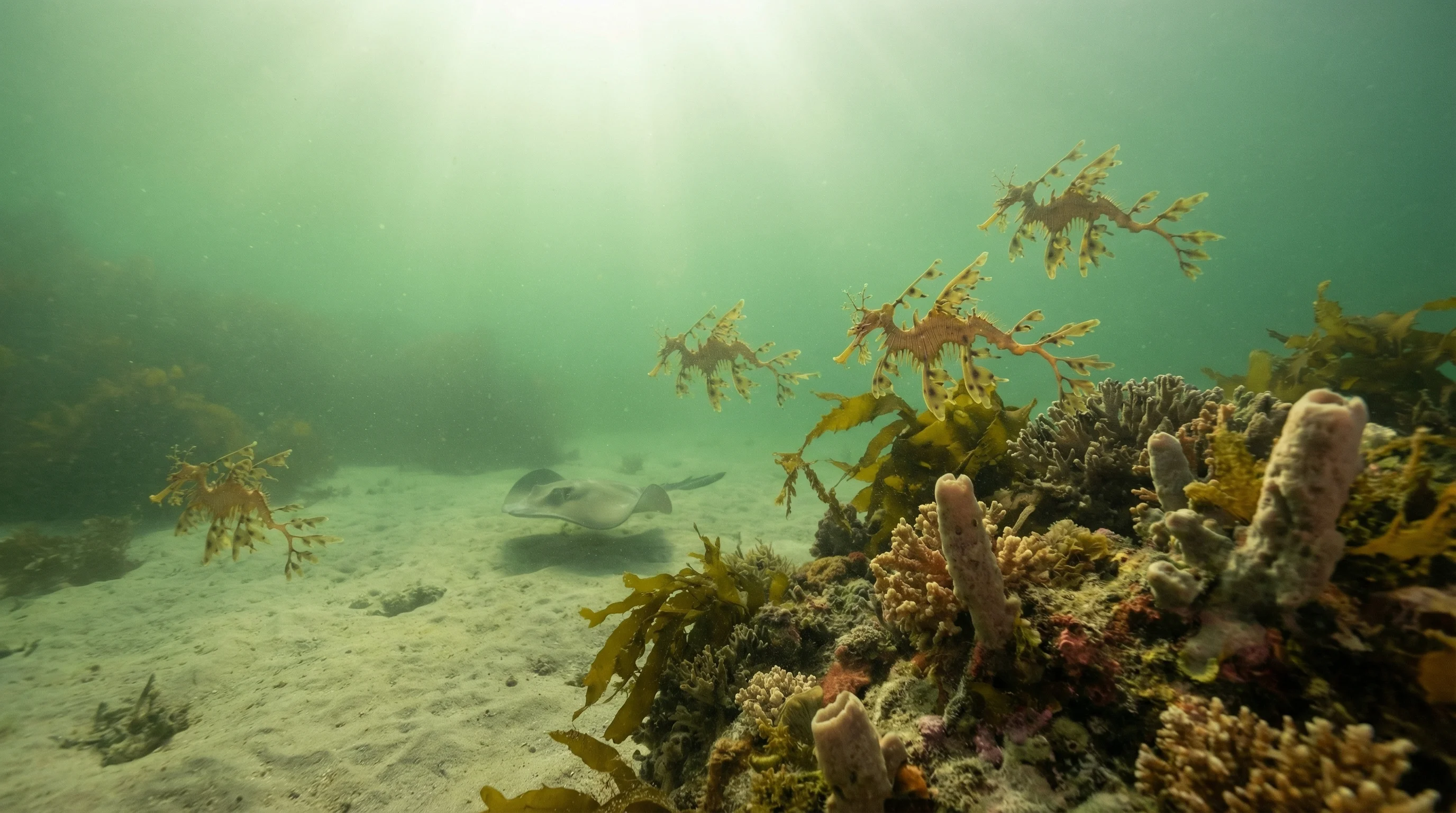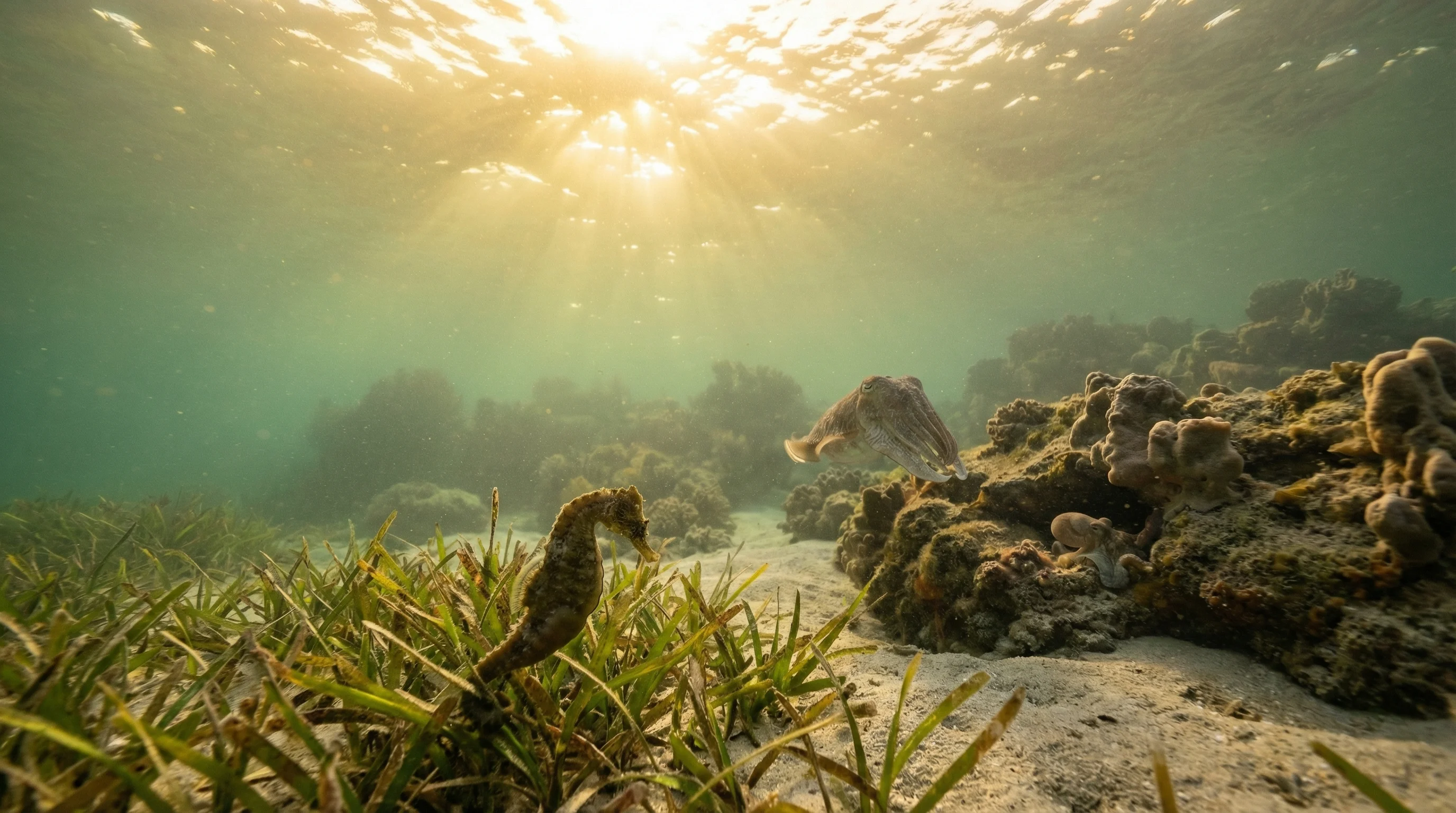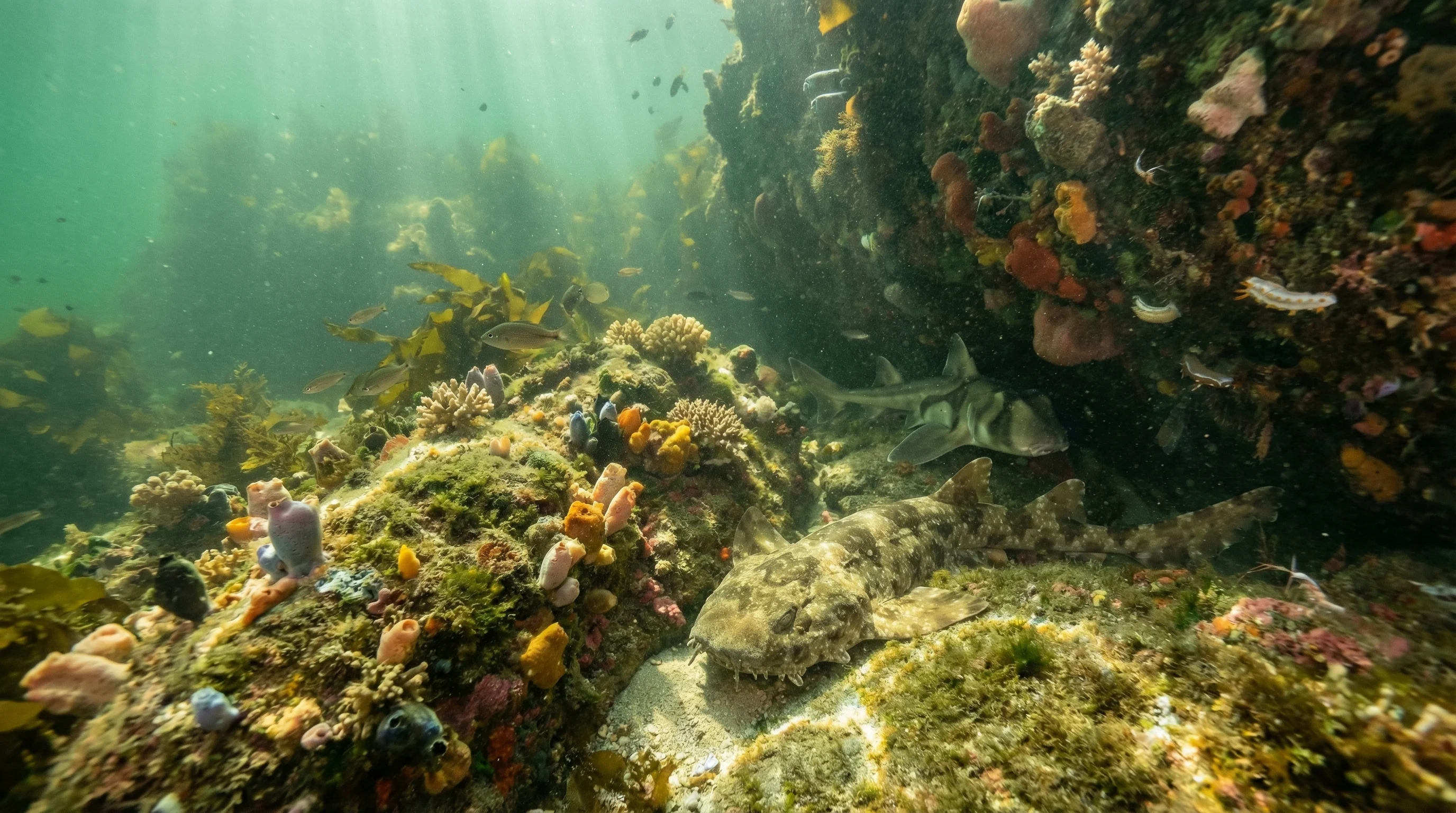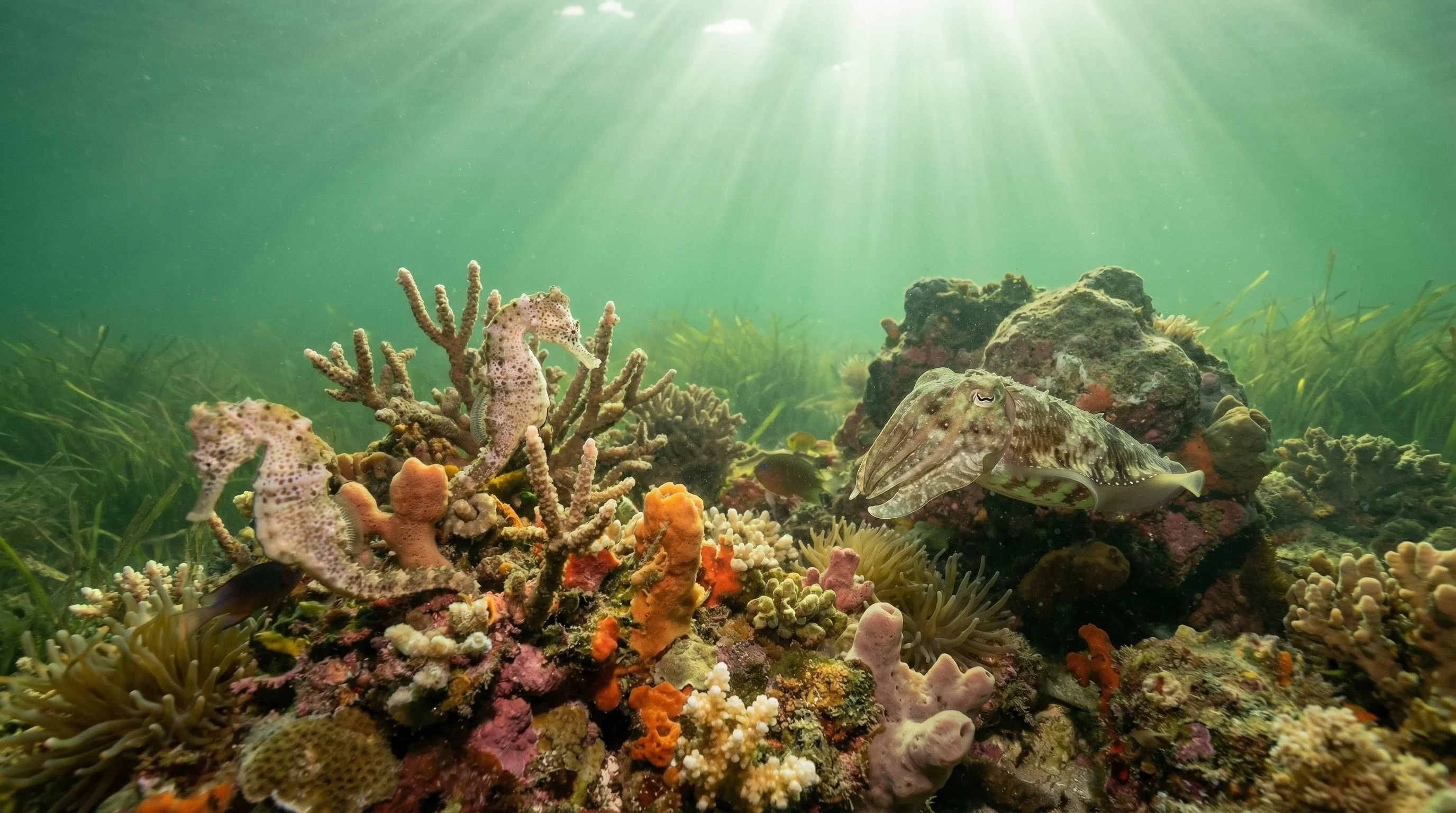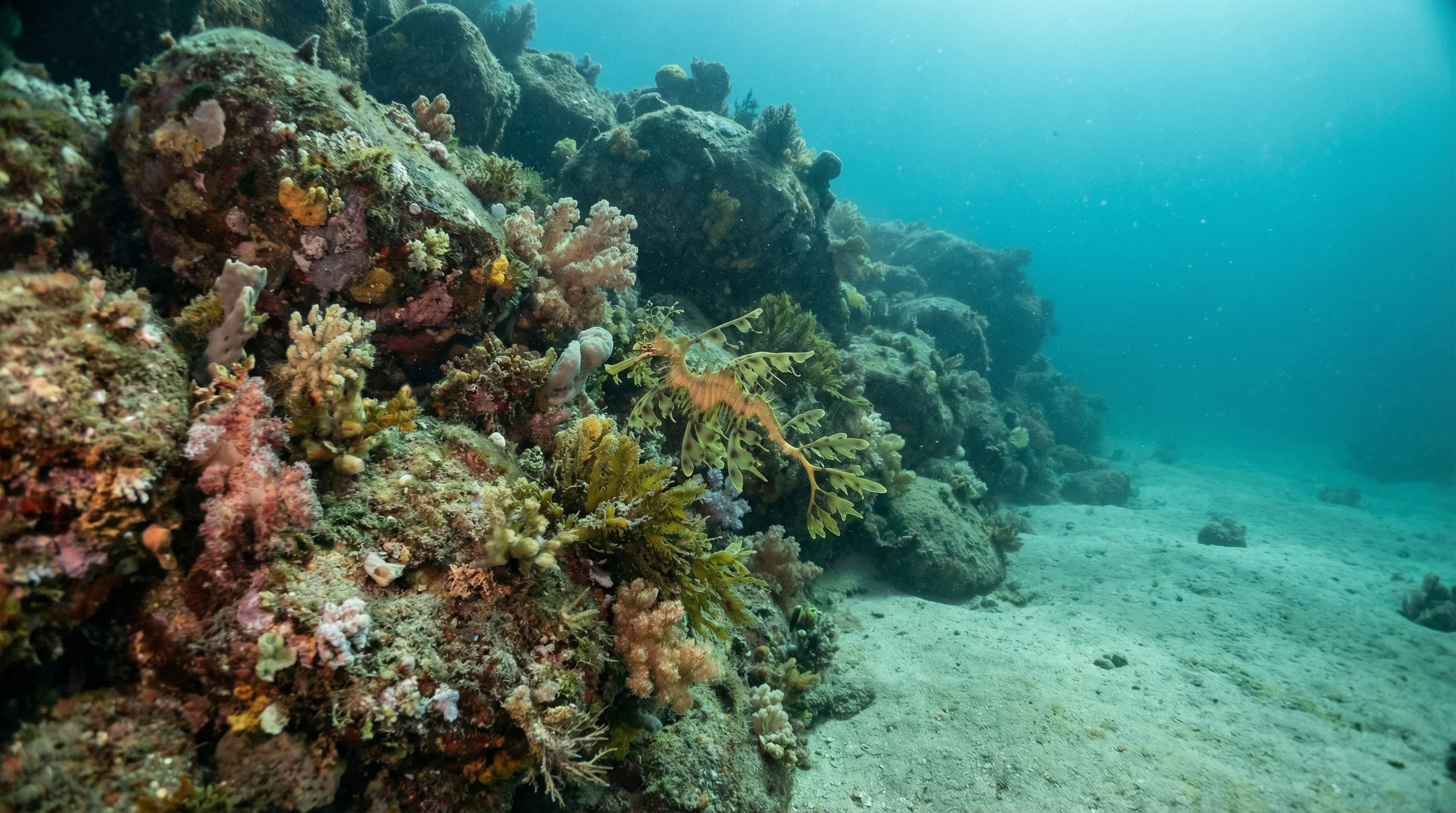
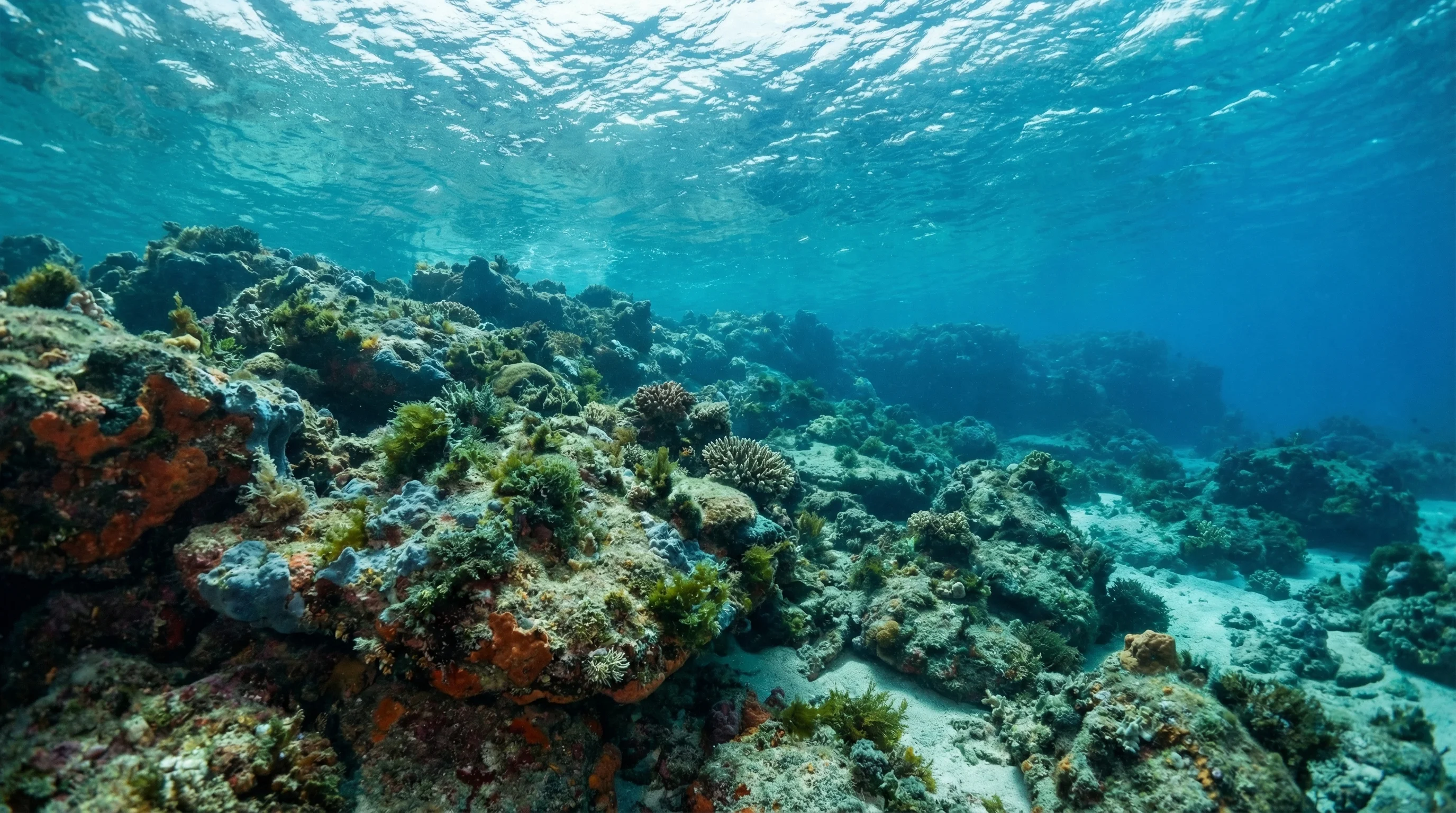
Manly Bommie offers an excellent introduction to boat diving off Sydney's famous northern beaches. This underwater rock formation sits between 8 and 16 metres, making it accessible for divers still building their confidence at depth. The site gets its character from the variable conditions that define Sydney diving. Visibility changes throughout the year, so you'll learn to adapt your diving skills to different water clarity. Currents vary here too, giving you real-world experience in a manageable setting. The highlight for many beginners is spotting wobbegong sharks resting on the rocky surfaces. These carpet sharks are masters of camouflage, blending into the reef with their mottled patterns. Watch for rays gliding past as well. The bommie's structure creates interesting swim-throughs and overhangs to explore as you build your navigation skills. You'll reach the site by boat, which means you'll get practice with boat entries and exits. Keep an eye out for surface traffic when ascending. The warmer months from October through April offer the most comfortable diving conditions, with water temperatures that make this site particularly welcoming for newer divers still getting used to their exposure suits.
-33.78900, 151.29100
Check with the local dive operator for that day's visibility and current before committing, as conditions can vary widely. Always deploy a surface marker buoy on your ascent given the boat traffic in the area.
The site is accessed by boat, typically from dive operators in the Sydney or Manly area.
As an offshore site, divers should be mindful of boat traffic.
Depth
8-16m
Visibility
10-25m
Skill Level
Intermediate
Entry
Boat
Boat required
Water Temp
17-25°C
Current
Variable
Typical Dive
45 min
Best Time
Jan, Feb, Mar, Apr, Oct, Nov, Dec
Manly Bommie in New South Wales is known for encounters with wobbegong sharks and rays. These bottom-dwelling sharks are commonly found resting on the rocky bommie structure. The site's moderate depth range of 8 to 16 metres makes it ideal for observing these species in their natural habitat.
Manly Bommie reaches depths between 8 and 16 metres. The shallower sections sit at 8 metres whilst the surrounding seabed extends to 16 metres. This moderate depth profile makes it accessible for recently certified divers whilst offering interesting topography to explore.
An Open Water certification is required to dive Manly Bommie near Manly, New South Wales. The site's maximum depth of 16 metres falls comfortably within Open Water limits. The moderate conditions make it suitable for divers with basic certification levels.
The best months to dive Manly Bommie are October through April, covering the Australian spring, summer and early autumn. Water temperatures during this period range from 17 to 25 degrees Celsius, with the warmest conditions typically occurring between December and March. These months offer the most comfortable diving conditions at this New South Wales site.
Yes, Manly Bommie requires boat access as it is located offshore from Manly. Charter operators from Manly Harbour provide regular trips to the site. The boat-only access means you cannot reach this dive site from shore.
Boat traffic is the primary hazard at Manly Bommie due to its location in a popular boating area near Manly, New South Wales. Divers must deploy surface marker buoys during ascents and maintain awareness of vessels overhead. The site's proximity to Sydney Harbour means recreational and commercial boat activity can be significant.
Manly Bommie in Manly is best suited for divers with some experience. You should be comfortable with your buoyancy and have logged at least 10 to 20 dives.
Yes, equipment rental is available at or near Manly Bommie in Manly. Contact local dive operators for specific gear availability and prices.
A 5mm wetsuit is recommended for diving at Manly Bommie in Manly. Water temperatures range from 17°C to 25°C.
Manly Bommie in Manly has depths ranging from 8 metres to 16 metres.
A typical dive at Manly Bommie in Manly lasts approximately 45 minutes. Actual dive time depends on depth, air consumption, and conditions.