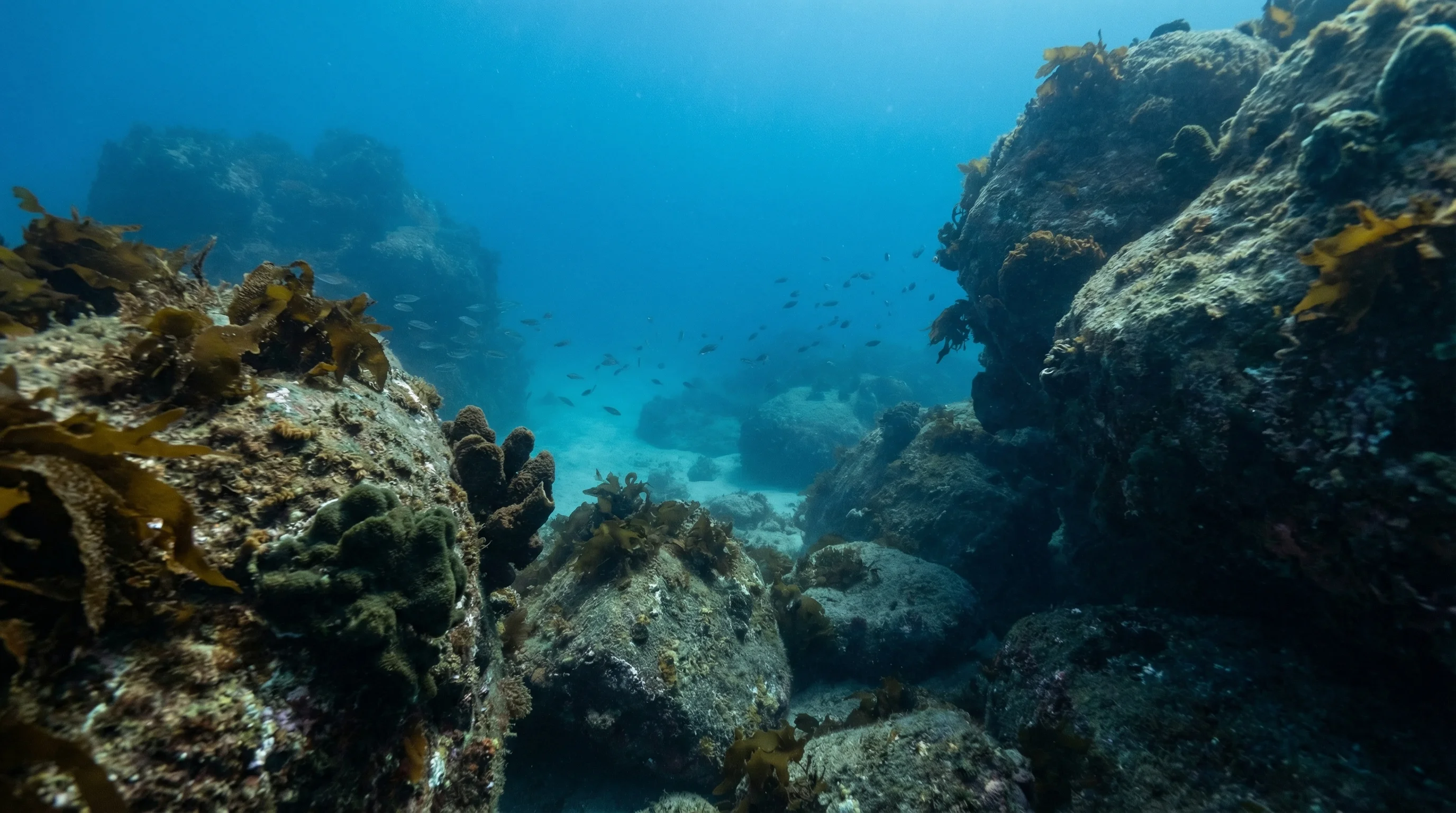
The Gutter offers beginner divers an accessible entry point into New South Wales underwater world, with depths ranging from 9 to 30 metres that let you choose your comfort level. You'll find the shore entry straightforward on calm days, though it's worth noting that breaking waves and surge can make things trickier when conditions pick up. Once you're in, visibility typically runs from 10 to 30 metres, giving you clear views of the various reef species that call this site home. The mild current makes it manageable for newer divers still building their skills, though be aware that currents can strengthen at times. The reef structure creates the 'gutter' that gives this site its name, providing a natural pathway to explore. You'll encounter typical reef inhabitants as you follow the terrain, with the shallower sections perfect for extending your bottom time. While boat access is available, many divers appreciate being able to shore dive this site. The year-round diving season means you can visit whenever your schedule allows, though checking local conditions before you go is essential given the potential for stronger wave action and currents.
-34.59289, 150.89892
Check current and swell forecasts carefully before heading in, as conditions at The Gutter can shift quickly and the combination of surge and breaking waves near the entry point catches newcomers off guard. Local dive shops can give you the most reliable read on whether the day suits a beginner.
The site is located in Bass Point Reserve, south of Shellharbour. Follow Bass Point Tourist Road for almost two kilometres from the entrance to a car park. From there, walk across the grass and rock platform to the entry point.
Entry and exit can be challenging and dangerous during high tides or with swell. It is important to check conditions before entering the water.
Depth
9-30m
Visibility
8-30m
Skill Level
Beginner
Entry
Shore
Water Temp
15-20°C
Current
Mild
Typical Dive
50 min
Best Time
Year-round
The Gutter at Shellharbour, New South Wales is accessed via shore entry. Divers and snorkellers enter directly from the coastline without requiring boat transport. Be prepared to navigate breaking waves during entry and exit, which requires careful timing and awareness of surf conditions.
The Gutter is classified as a beginner-level dive site, making it accessible to relatively new divers. However, the presence of breaking waves, surge and potentially strong currents means beginners should dive with experienced companions and choose calmer conditions. No specific certifications are required beyond basic open water qualification.
The Gutter extends from 9 metres to a maximum depth of 30 metres. This depth range accommodates both shallow recreational dives and deeper explorations for more experienced divers. The varying depths allow divers to tailor their dive profiles to their certification level and experience.
The Gutter presents three primary hazards: breaking waves at the shore entry point, strong currents that can develop during certain tidal conditions, and surge that affects the shallow areas. Divers should assess conditions before entering, maintain good buoyancy control, and be prepared for changing water movement throughout the dive.
The Gutter rates only 1 out of 5 for snorkelling due to challenging conditions including breaking waves, surge and currents. The site is primarily suited to scuba diving rather than surface snorkelling. Those wanting to snorkel in Shellharbour should consider more protected locations with calmer water.
Diving at The Gutter in Shellharbour requires the following certifications: Open Water. Always dive within your training limits.
A 7mm wetsuit or semi-dry is recommended for diving at The Gutter in Shellharbour. Water temperatures range from 15°C to 20°C.
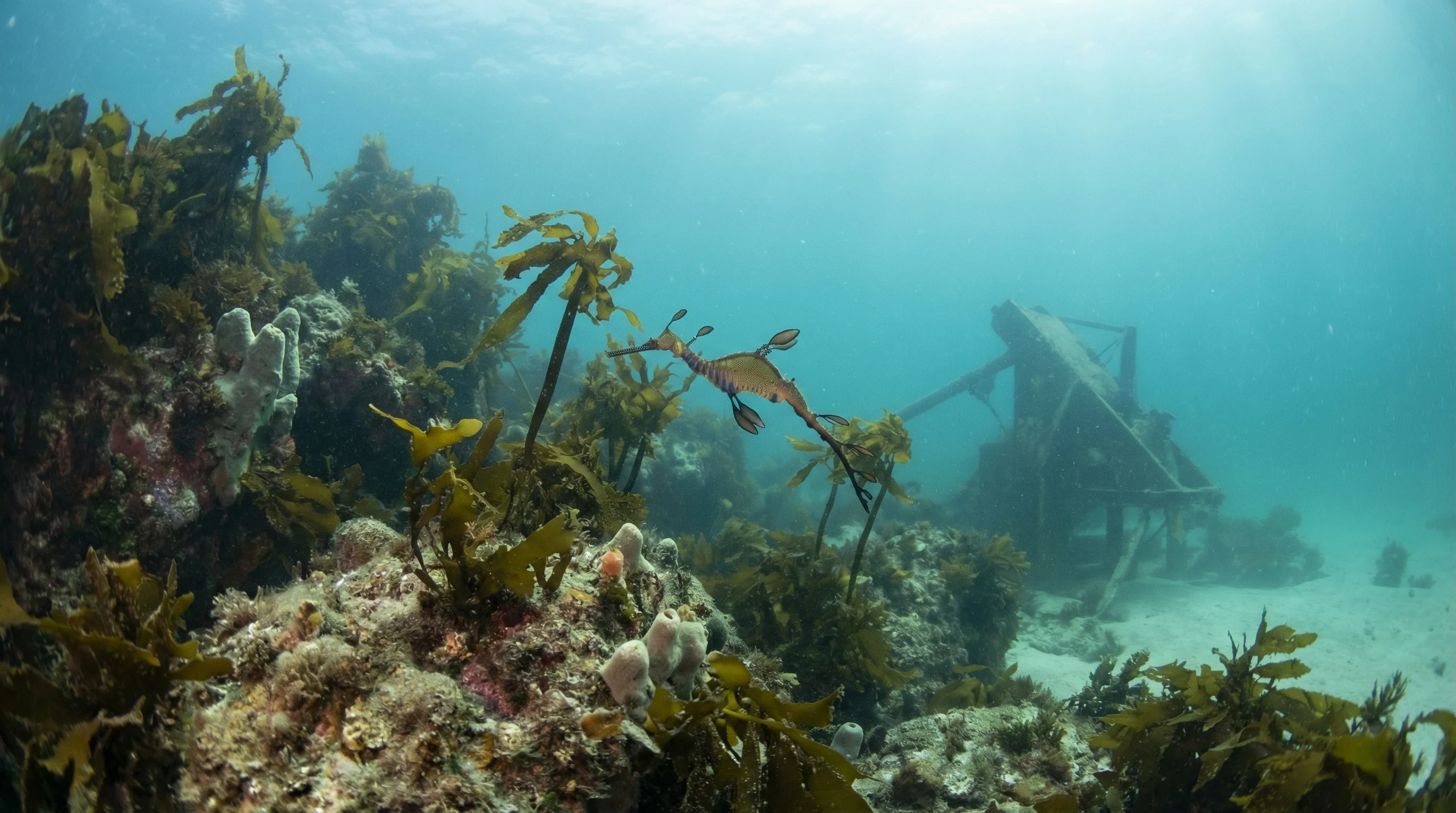
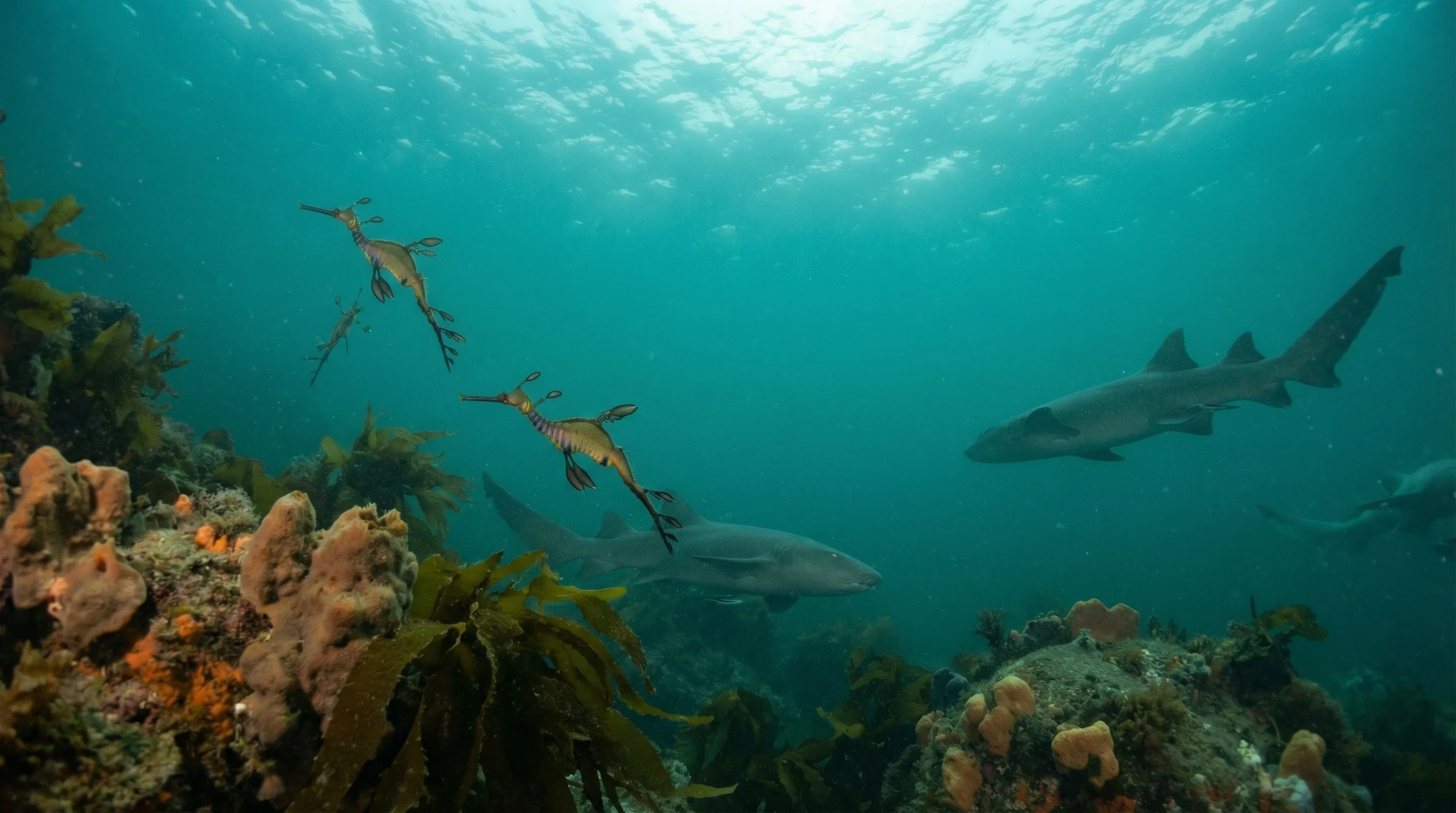
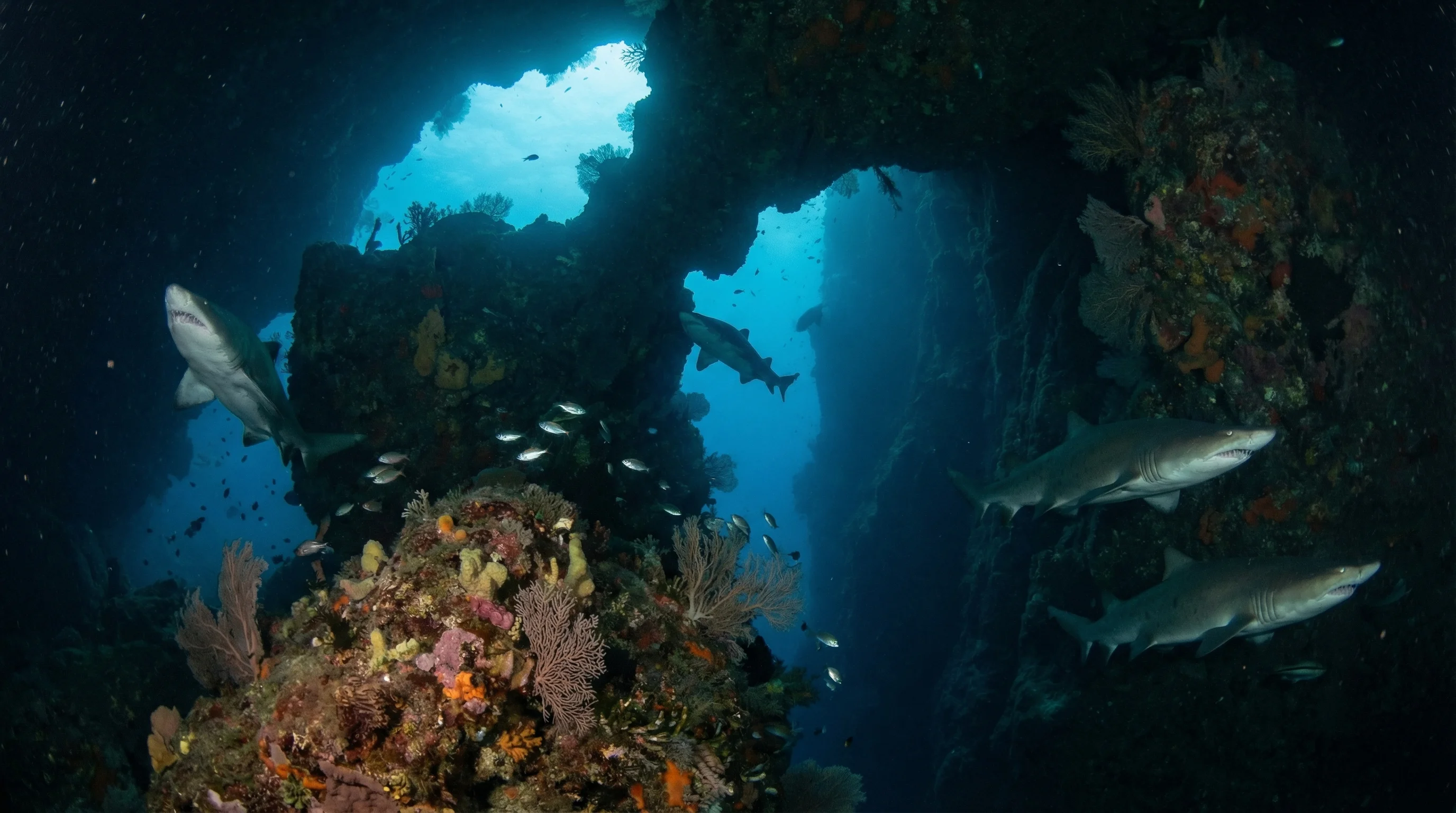
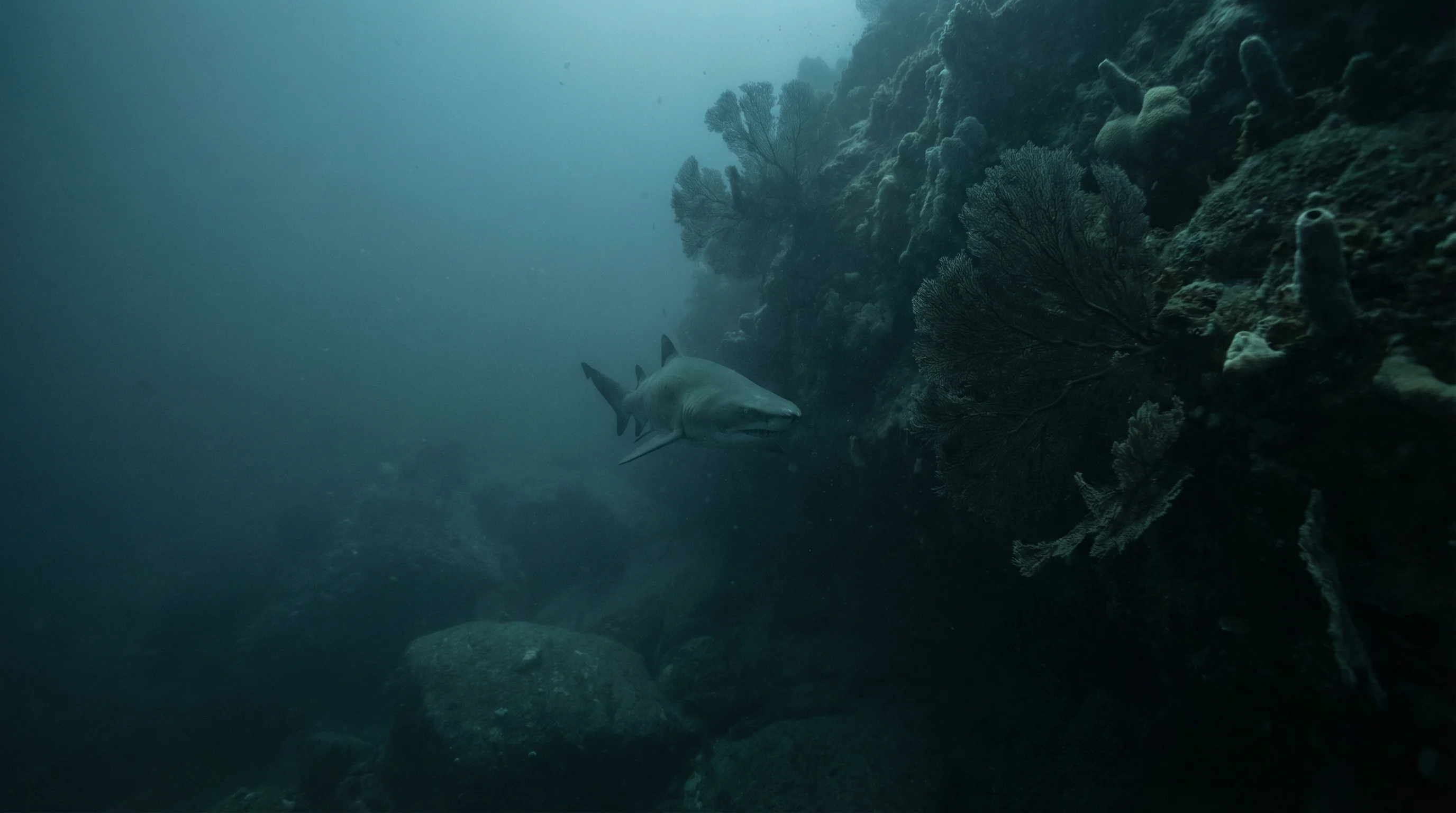
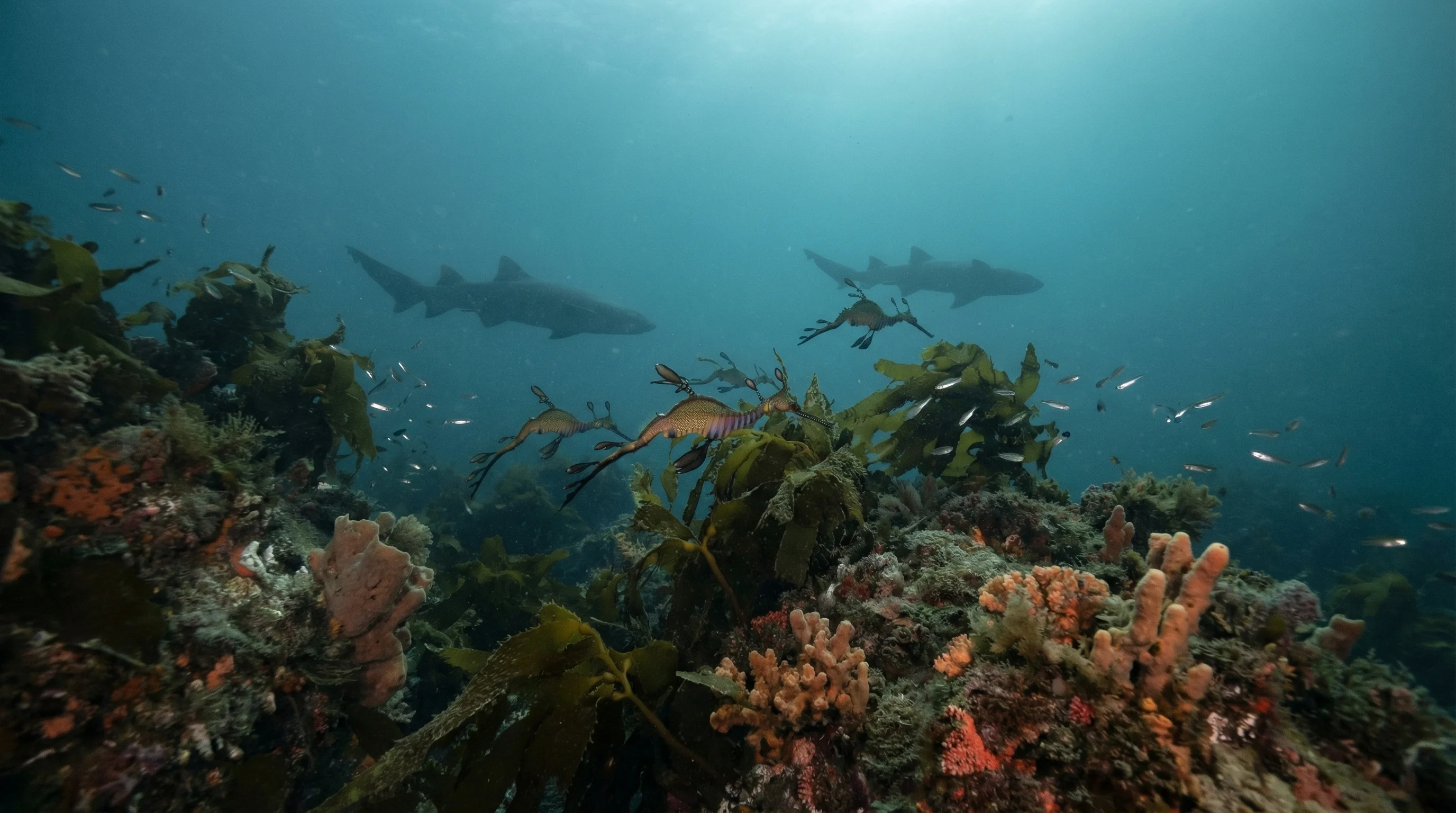
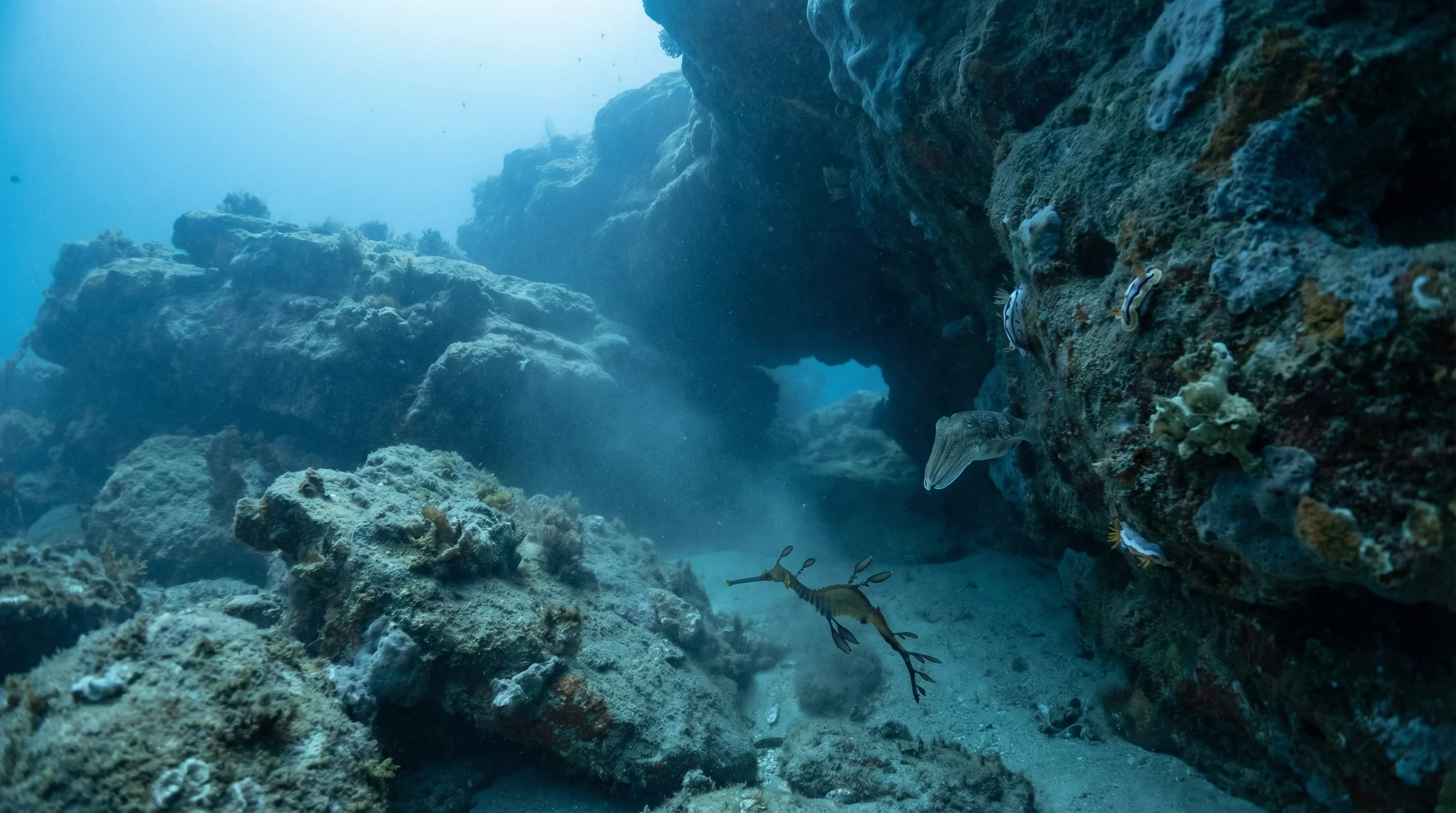
The Gutter in Shellharbour is home to Port Jackson Shark, Gorgonian, Weedy Seadragon, Nurse Shark, Wobbegong Shark, and Nudibranch. Marine life sightings vary by season and conditions.
The best months to visit The Gutter in Shellharbour are October, November, December, January, February, March, April, July, August, September, May, and June. Conditions outside these months can still be good but are less predictable.