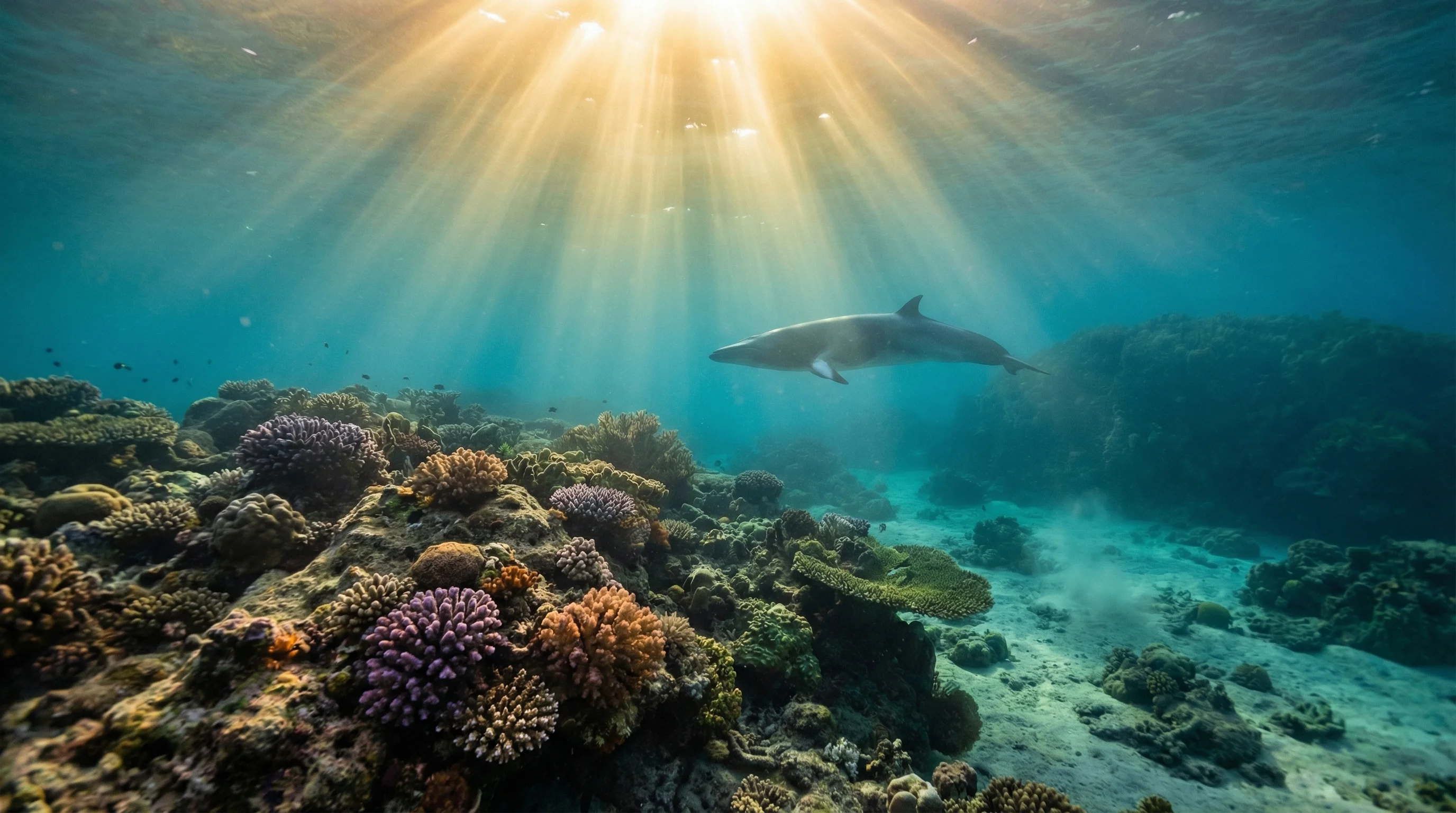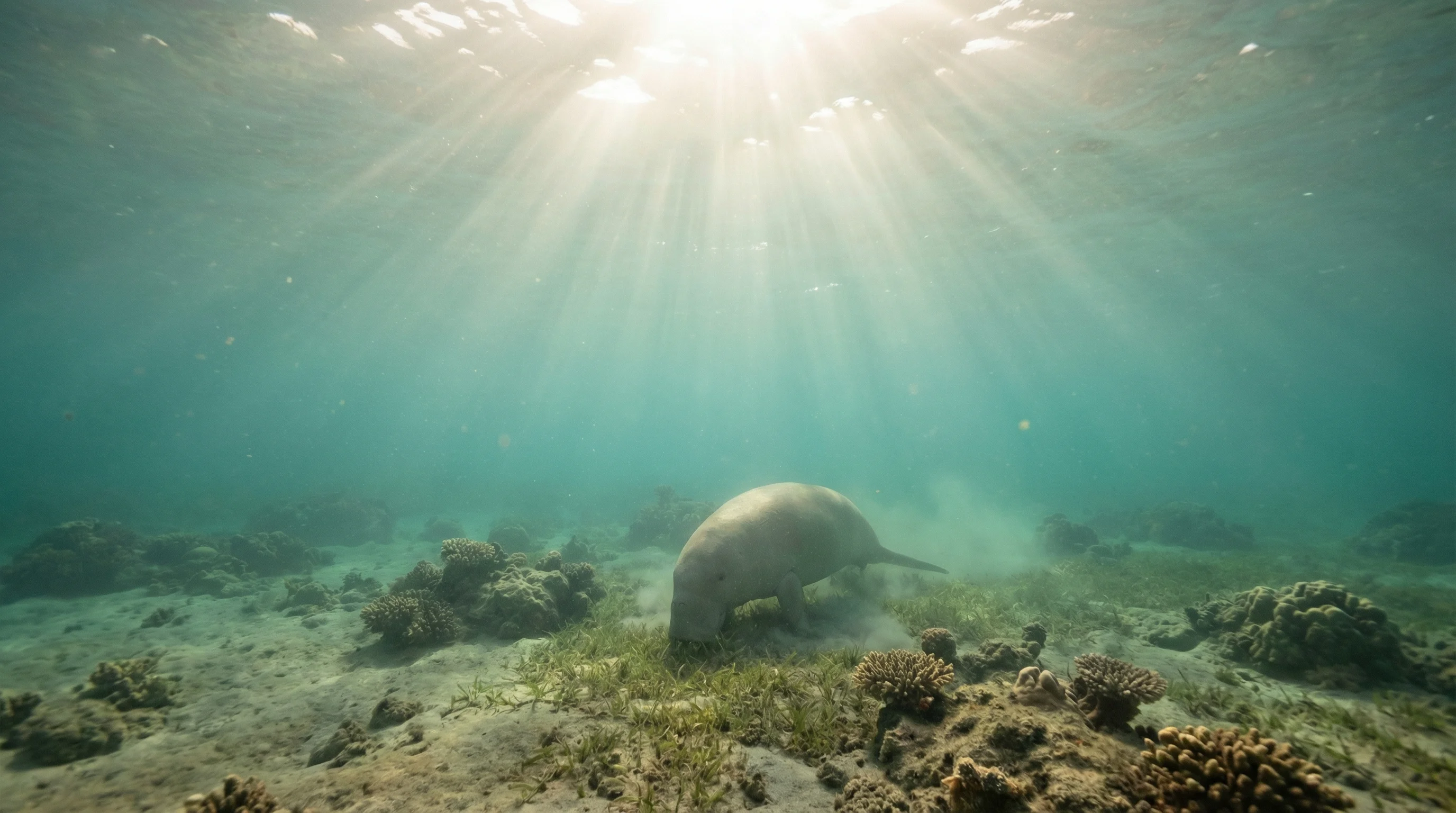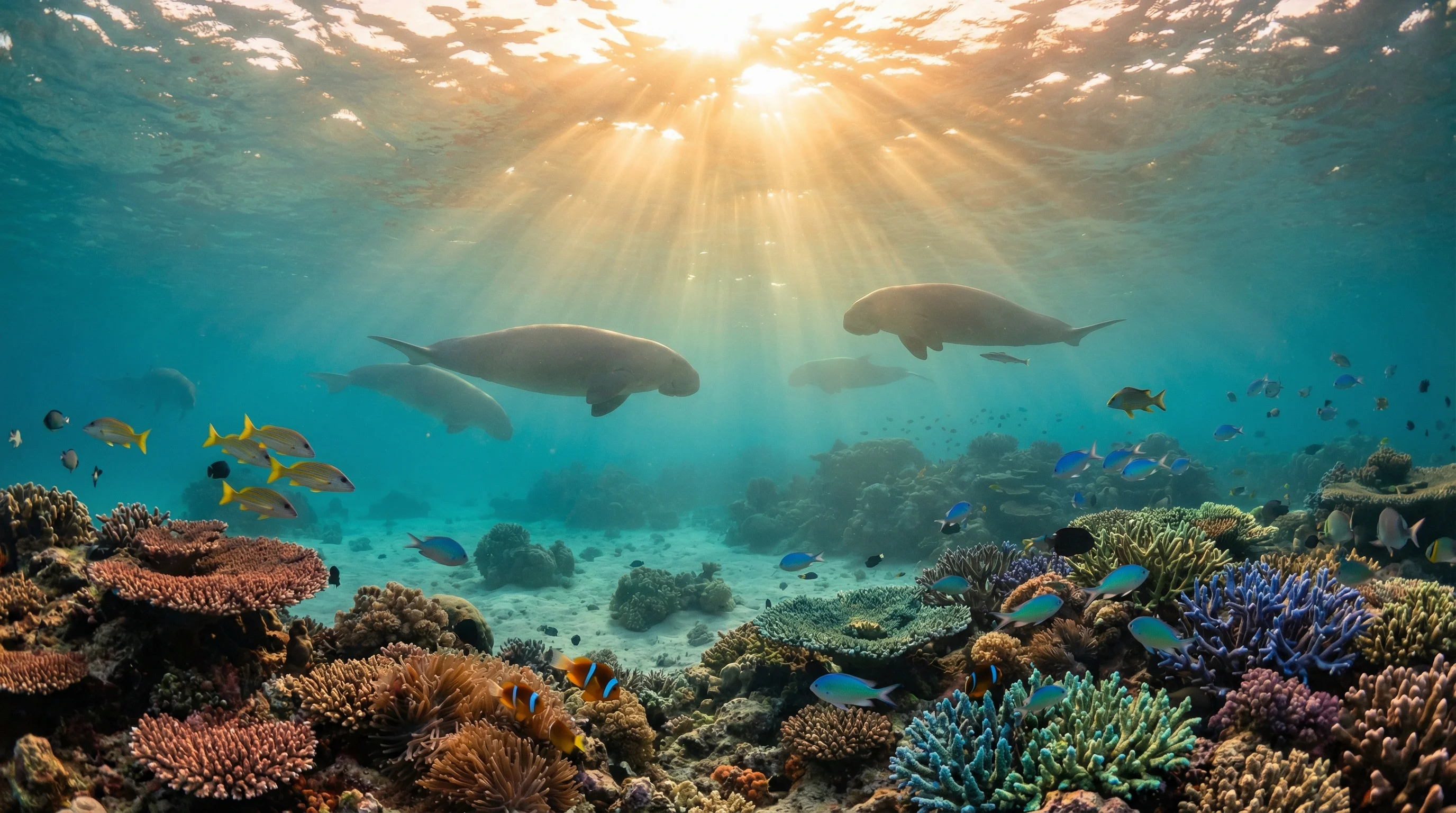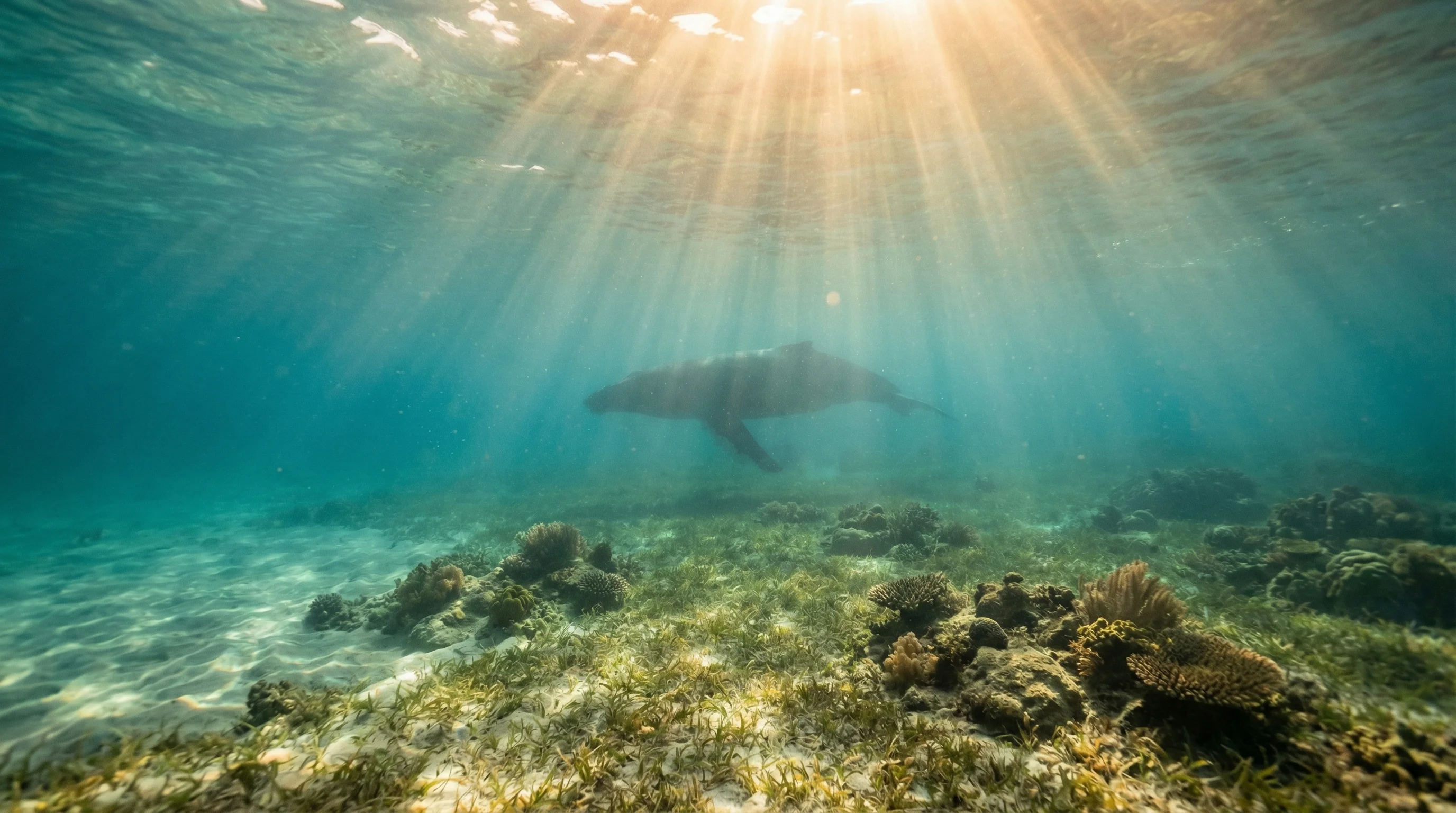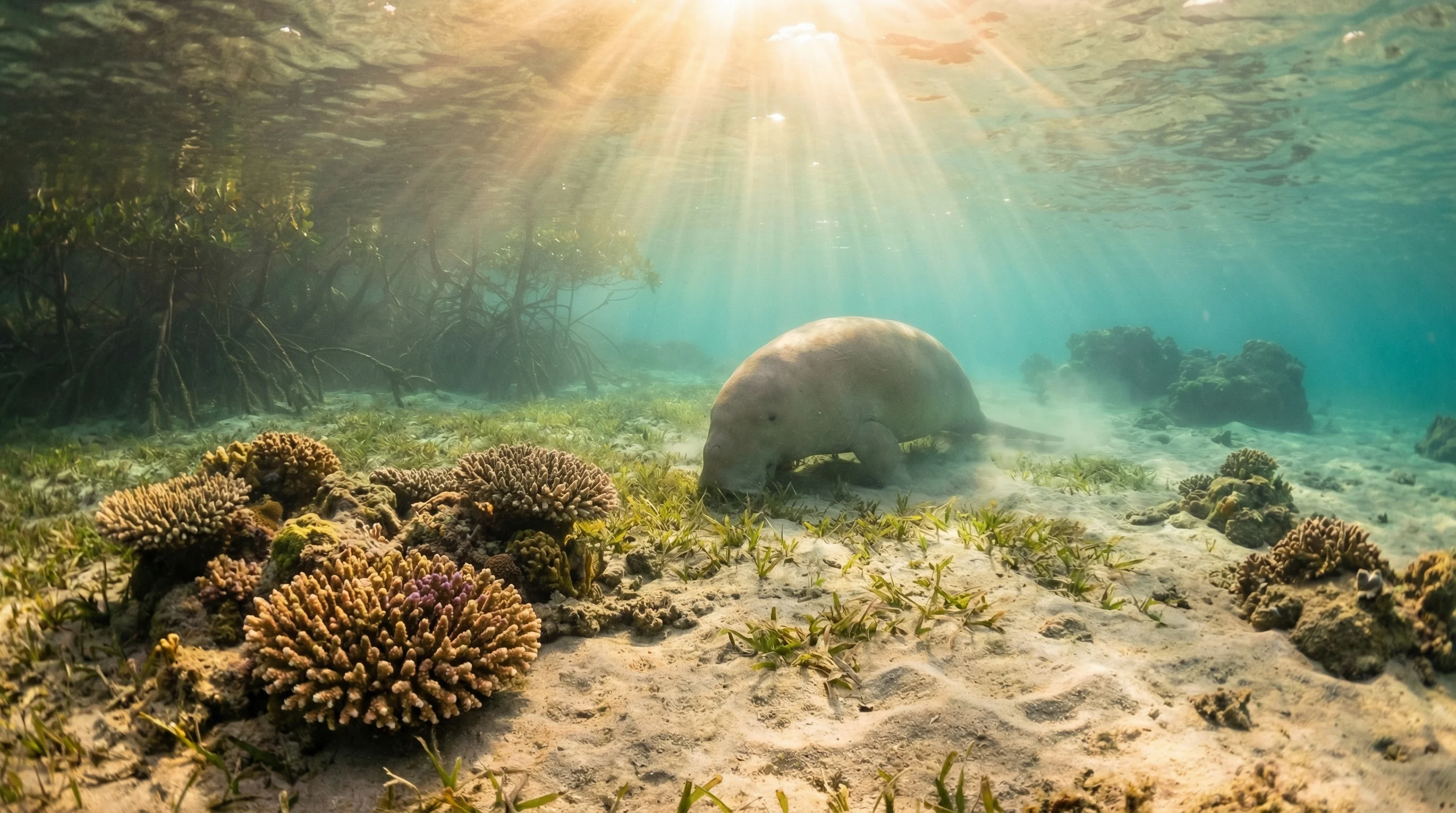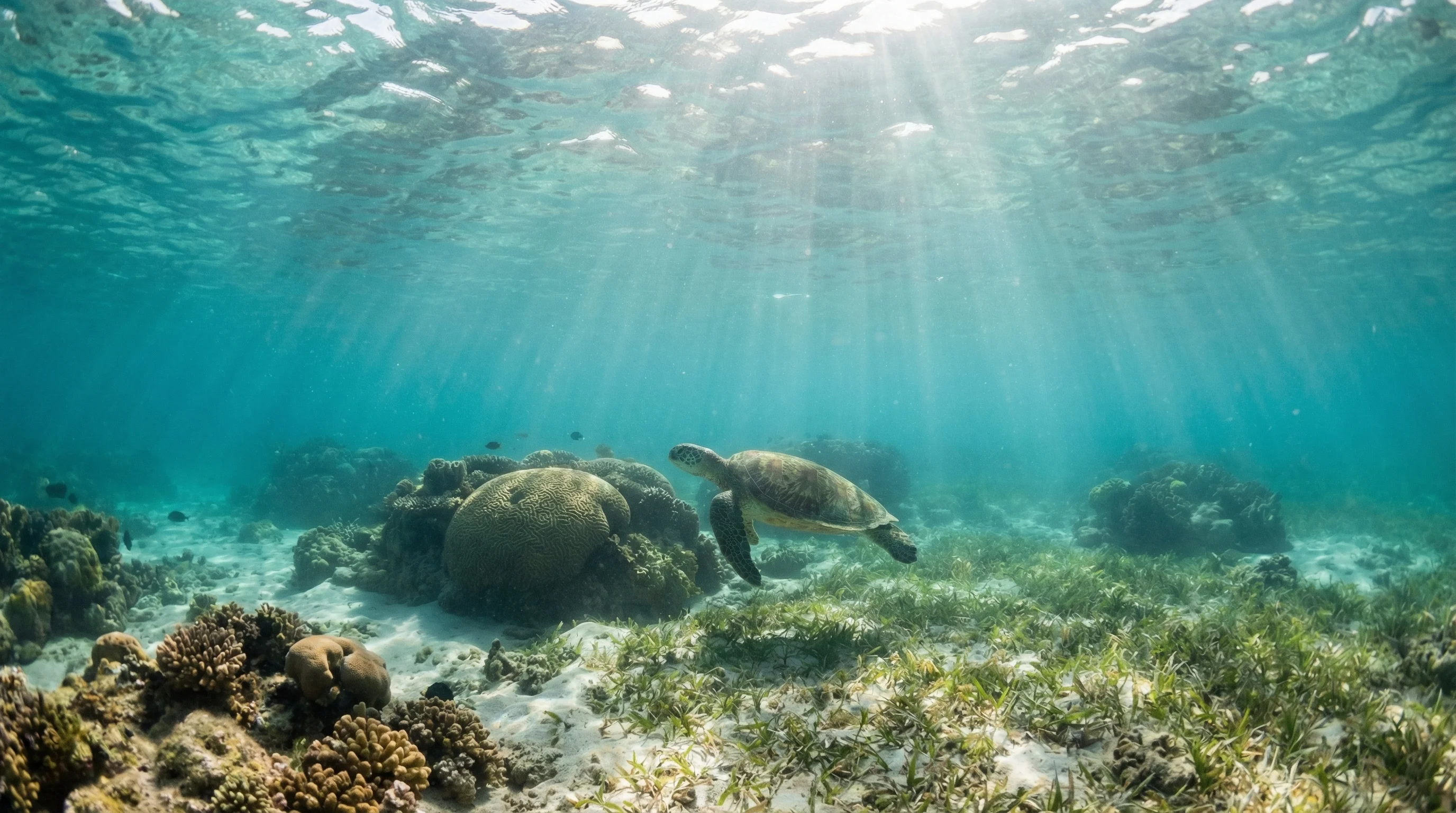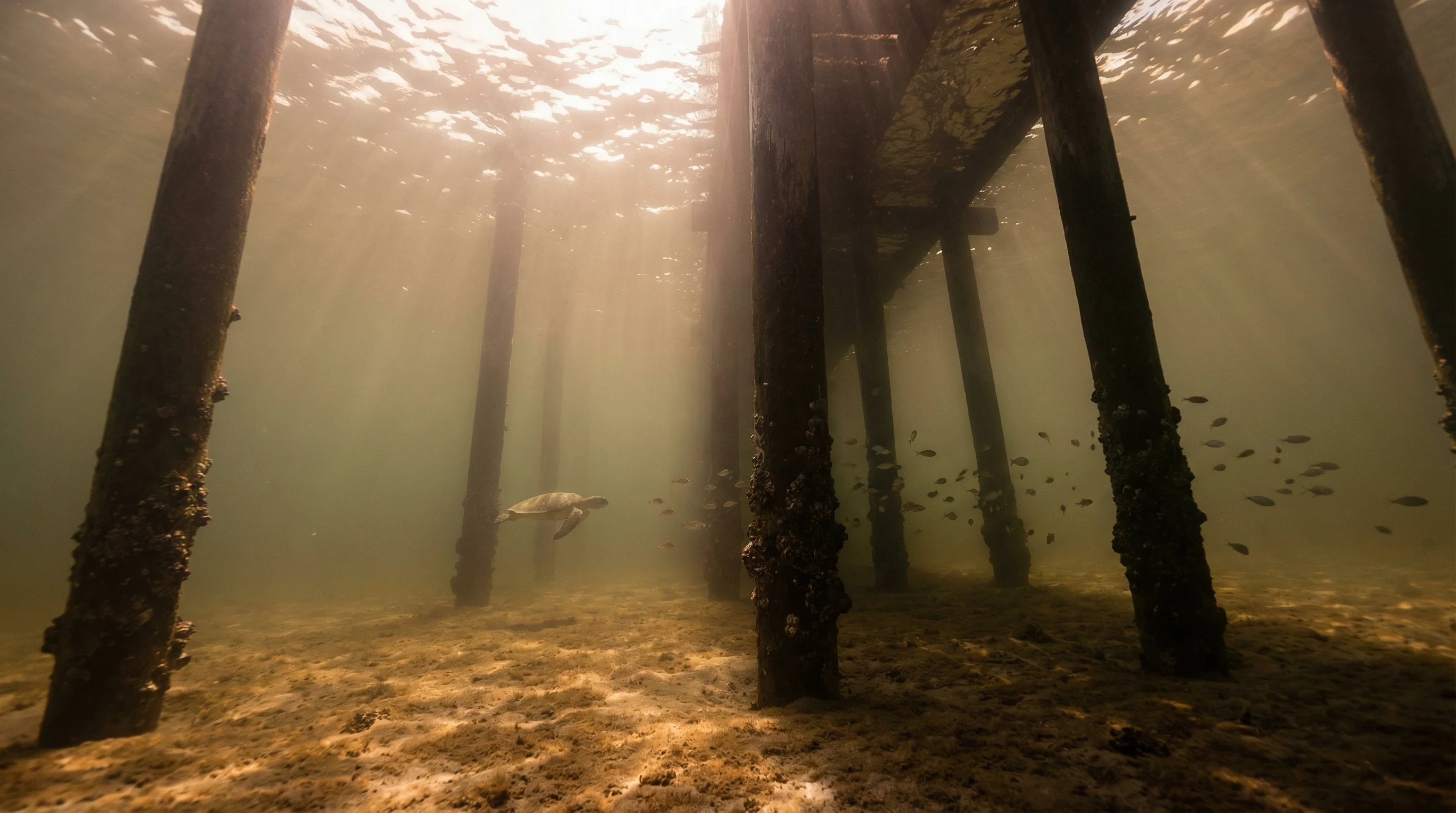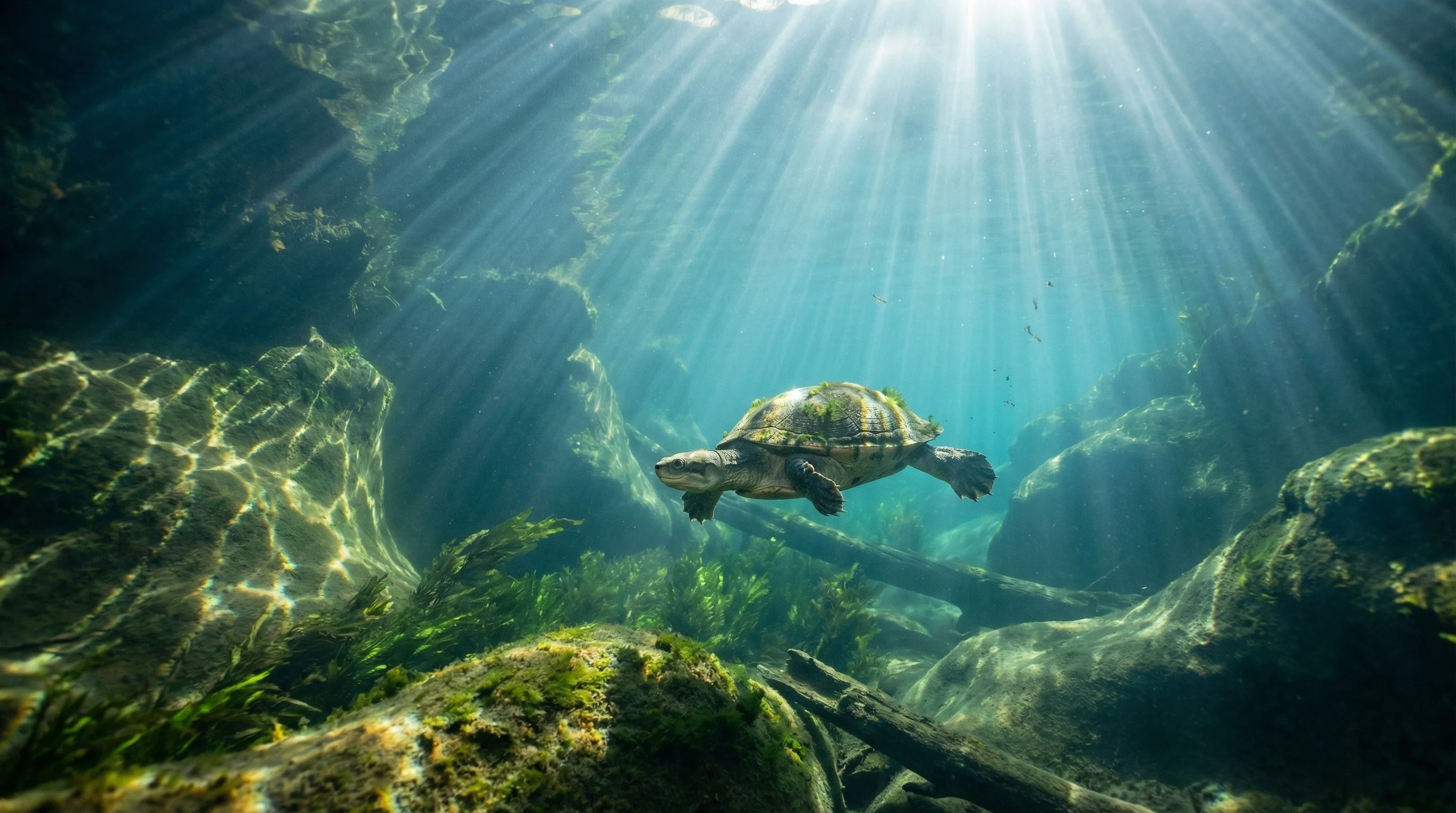
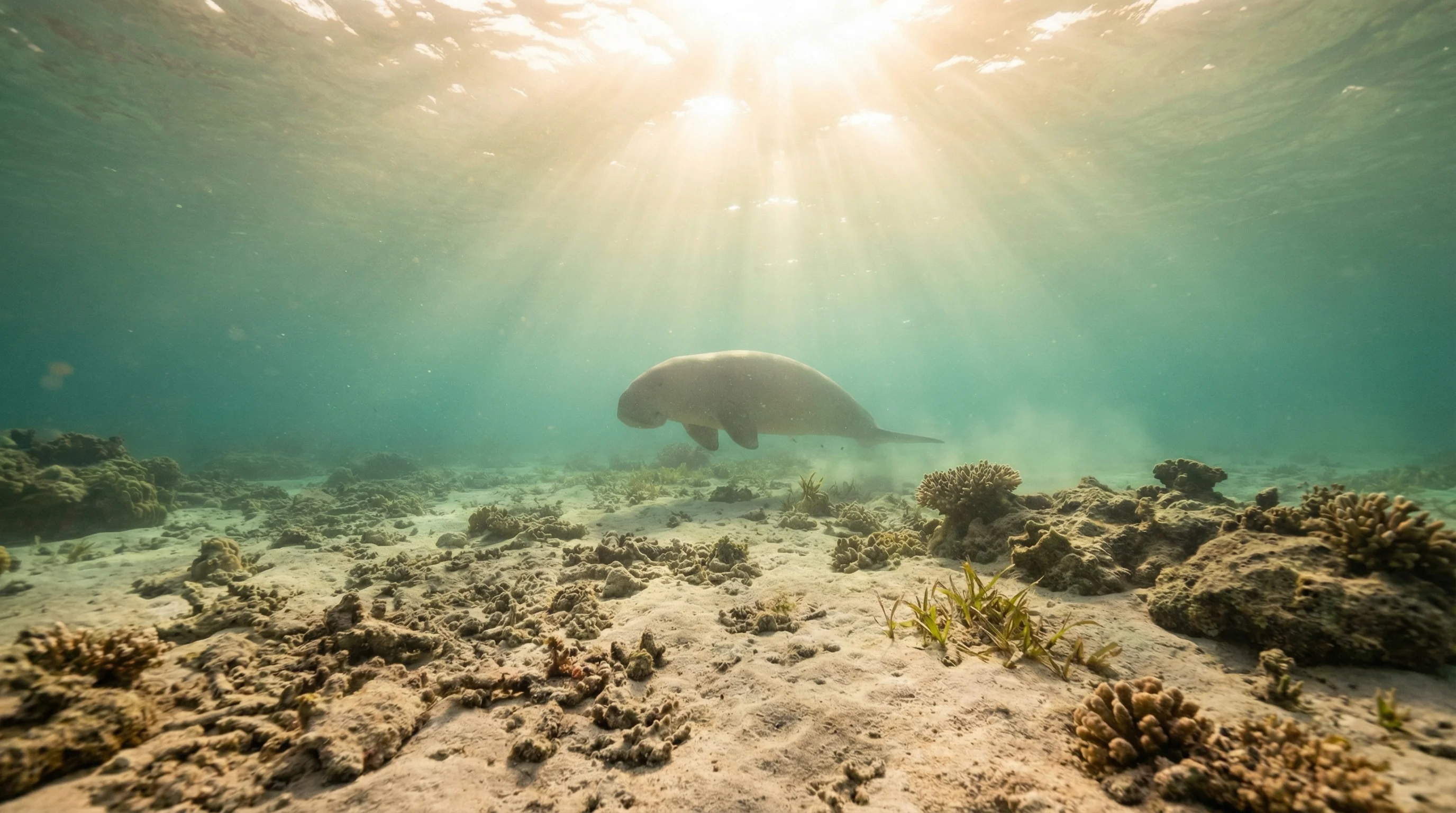
The fringing reefs around Brook Islands offer shallow, accessible diving and snorkelling in depths from 1 to 12 metres, making this a comfortable introduction to reef diving off Queensland's coast. Visibility typically runs from 5 to 15 metres, and the mild current means you can take your time exploring the coral without fighting the water. Turtles are a regular presence here, and dugong sightings are possible. Come prepared though: jellyfish are a known hazard, so a stinger suit is sensible, and crocodiles have been recorded in the area. Boat traffic warrants attention on the surface. The best conditions fall between May and September.
-18.14711, 146.29072
A stinger suit is strongly recommended year-round given the jellyfish risk, and you should always surface well away from the boat lane and signal clearly before ascending. Plan your trip between May and September when conditions are most settled.
The fringing reefs are accessible by private boat or commercial tour operator from Cardwell, Mission Beach or Lucinda. Clump Point Boat Ramp in Mission Beach is a common departure point.
Requires boat access from mainland. No direct shore access to dive site.
Dangerous stinging jellyfish ('stingers') may be present at any time but are more frequent in the warmer months (October to May). A full-body lycra suit is recommended. Visitors are advised to be 'crocwise'. Vessel speed is limited to 6 knots within 200m of the islands.
Depth
1-12m
Visibility
5-15m
Skill Level
Beginner
Entry
Boat
Boat required
Water Temp
22-29°C
Current
Mild
Best Time
May, Jun, Jul, Aug, Sep
Brook Islands National Park fringing reefs are accessible only by boat, as there is no land-based entry. The site is located off the Townsville Region coast in Queensland, and visitors must arrange boat transport from mainland departure points. Parking facilities are available at the departure locations for visitors bringing their own vessels or joining tour operators.
Snorkellers at Brook Islands National Park can encounter green and hawksbill turtles, dugongs grazing on seagrass beds, and diverse coral formations along the fringing reefs. The islands also host significant seabird colonies, with species visible above water between snorkelling sessions. This combination of marine megafauna and coral habitats makes the site notable for wildlife observation in relatively shallow waters.
Brook Islands National Park fringing reefs are well-suited for beginner snorkellers, with depths ranging from just 1 metre to 12 metres and mild currents. The shallow sections allow novices to snorkel comfortably whilst observing coral and marine life in calm conditions. However, beginners should be aware of potential hazards including jellyfish, crocodiles, and boat traffic in the area.
The optimal months for snorkelling Brook Islands National Park are May through September, coinciding with the Australian winter and early spring. During this period, water temperatures range from 22°C to 29°C, and conditions are generally more favourable with reduced jellyfish presence. Visibility typically ranges between 5 and 15 metres throughout the year.
Snorkellers at Brook Islands National Park must be vigilant for three primary hazards: jellyfish (particularly during stinger season), estuarine crocodiles in surrounding waters, and boat traffic around the islands. Box jellyfish and irukandji are present in tropical Queensland waters, making stinger suits essential during warmer months. The remote location means emergency services may have extended response times.
There is no entry fee to snorkel the fringing reefs at Brook Islands National Park in Queensland. However, visitors must cover the cost of boat transport to reach the islands, as the site is only accessible by vessel. Tour operator prices vary depending on departure location and services included.
Water visibility at Brook Islands National Park fringing reefs typically ranges from 5 to 15 metres, which is moderate for Queensland coastal snorkelling. Visibility can be affected by weather conditions, tides, and seasonal runoff from the mainland. The clearest conditions generally occur during the dry season months from May to September.
Diving at Brook Islands in Townsville Region requires the following certifications: Open Water. Always dive within your training limits.
A 3mm wetsuit is recommended for diving at Brook Islands in Townsville Region. Water temperatures range from 22°C to 29°C.
Brook Islands in Townsville Region has depths ranging from 1 metres to 12 metres.
Brook Islands in Townsville Region offers snorkelling with a rating of 1 out of 5. Shallow areas start from 1 metres, making it accessible for snorkellers.