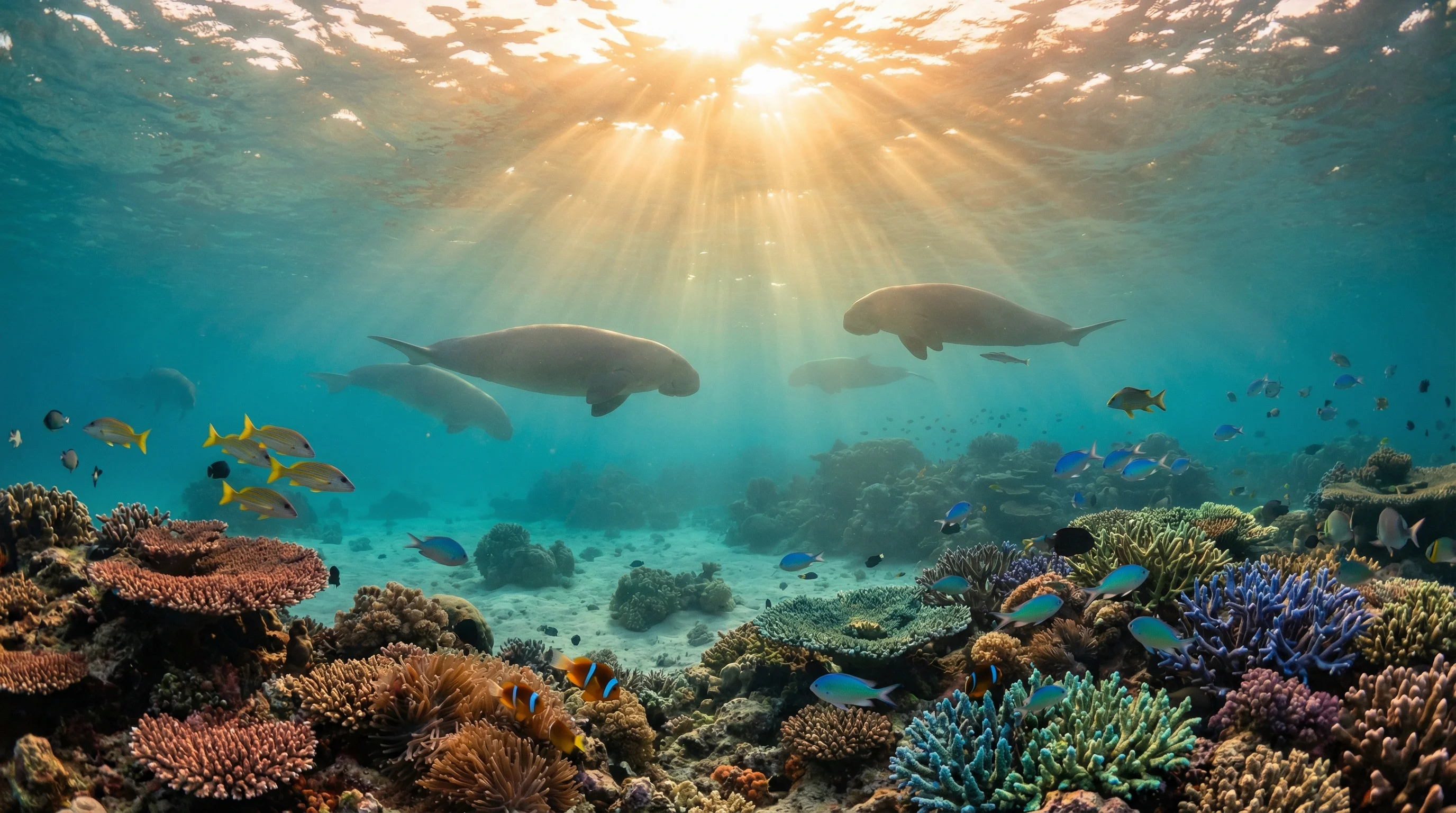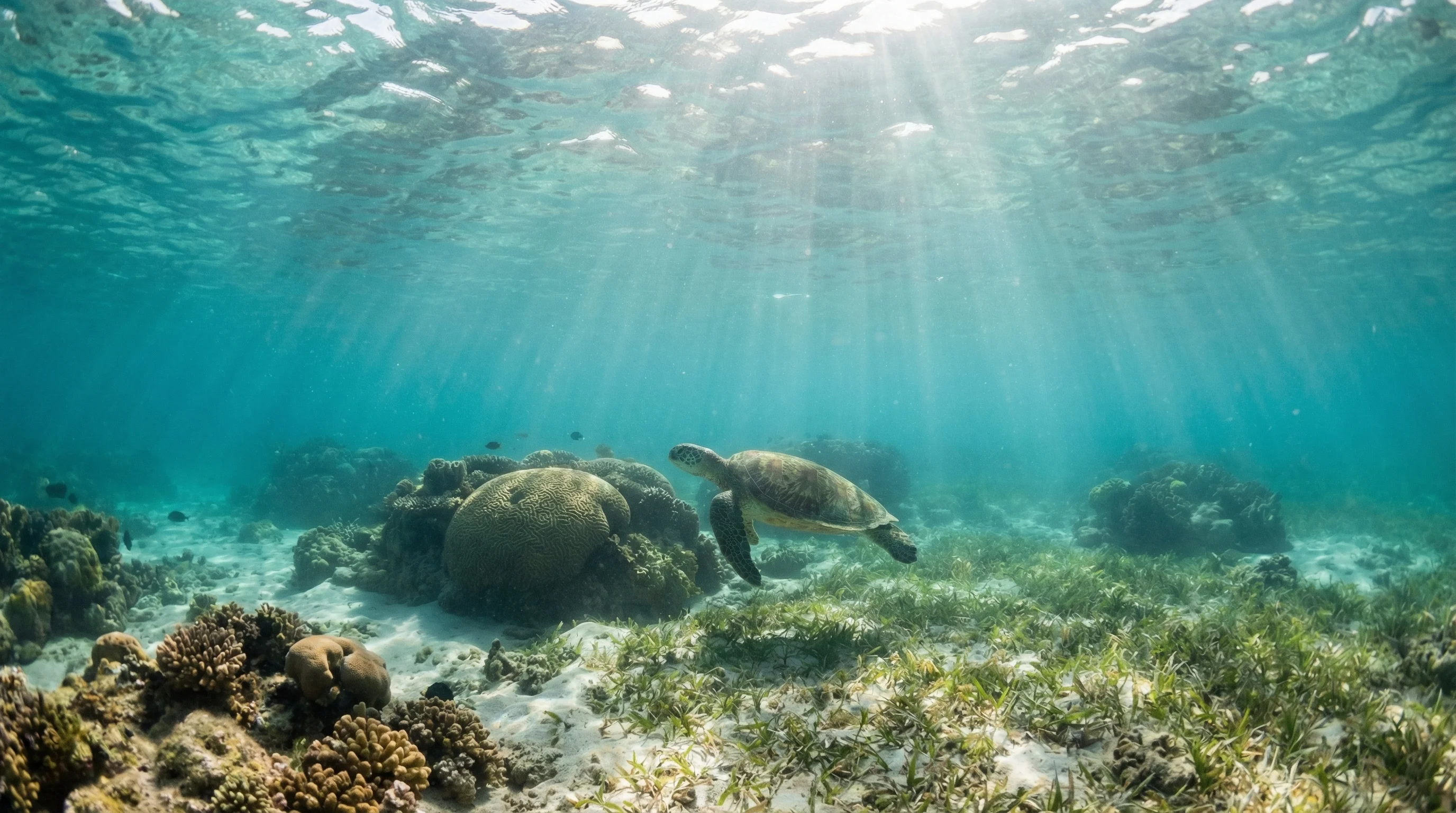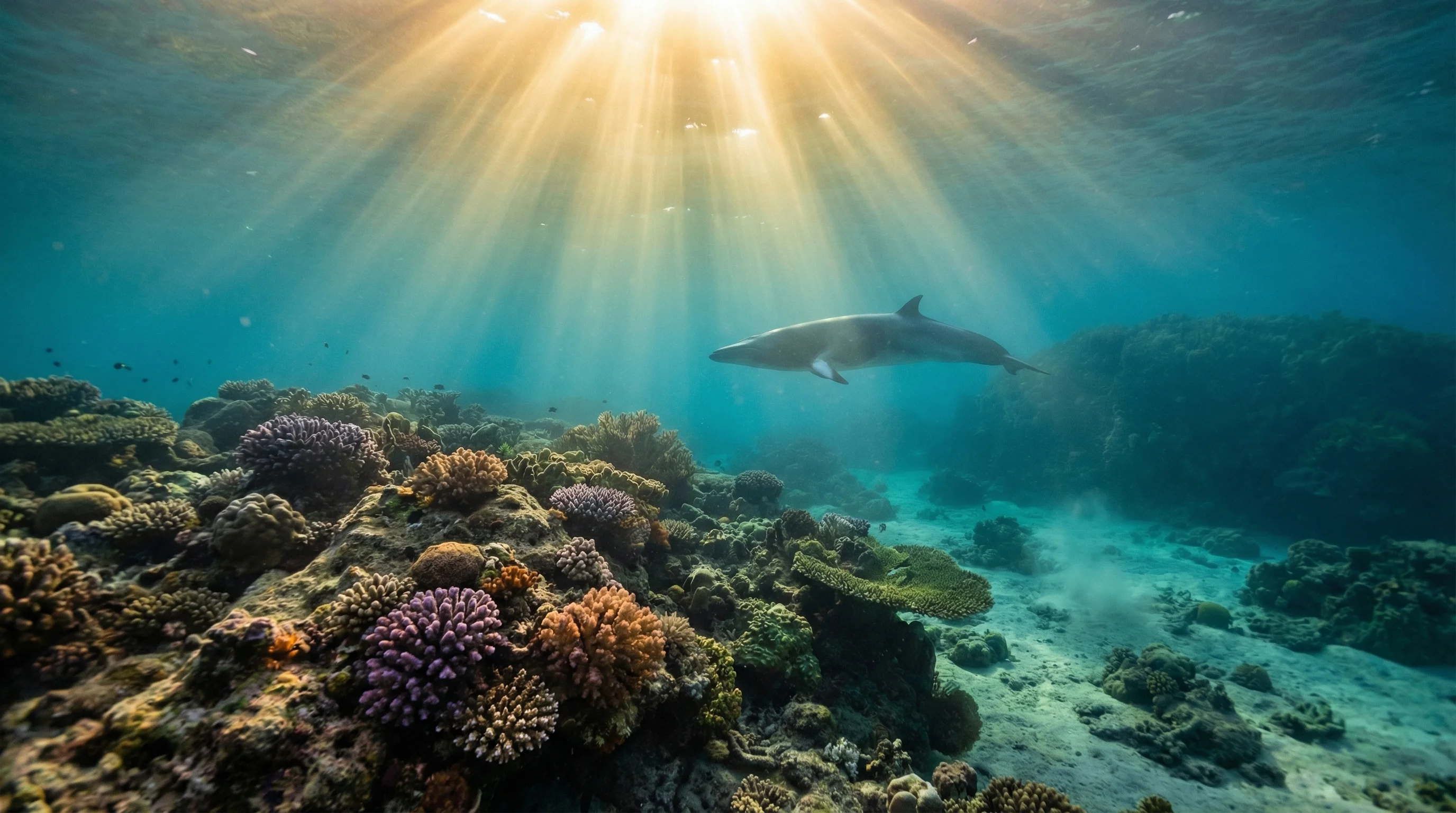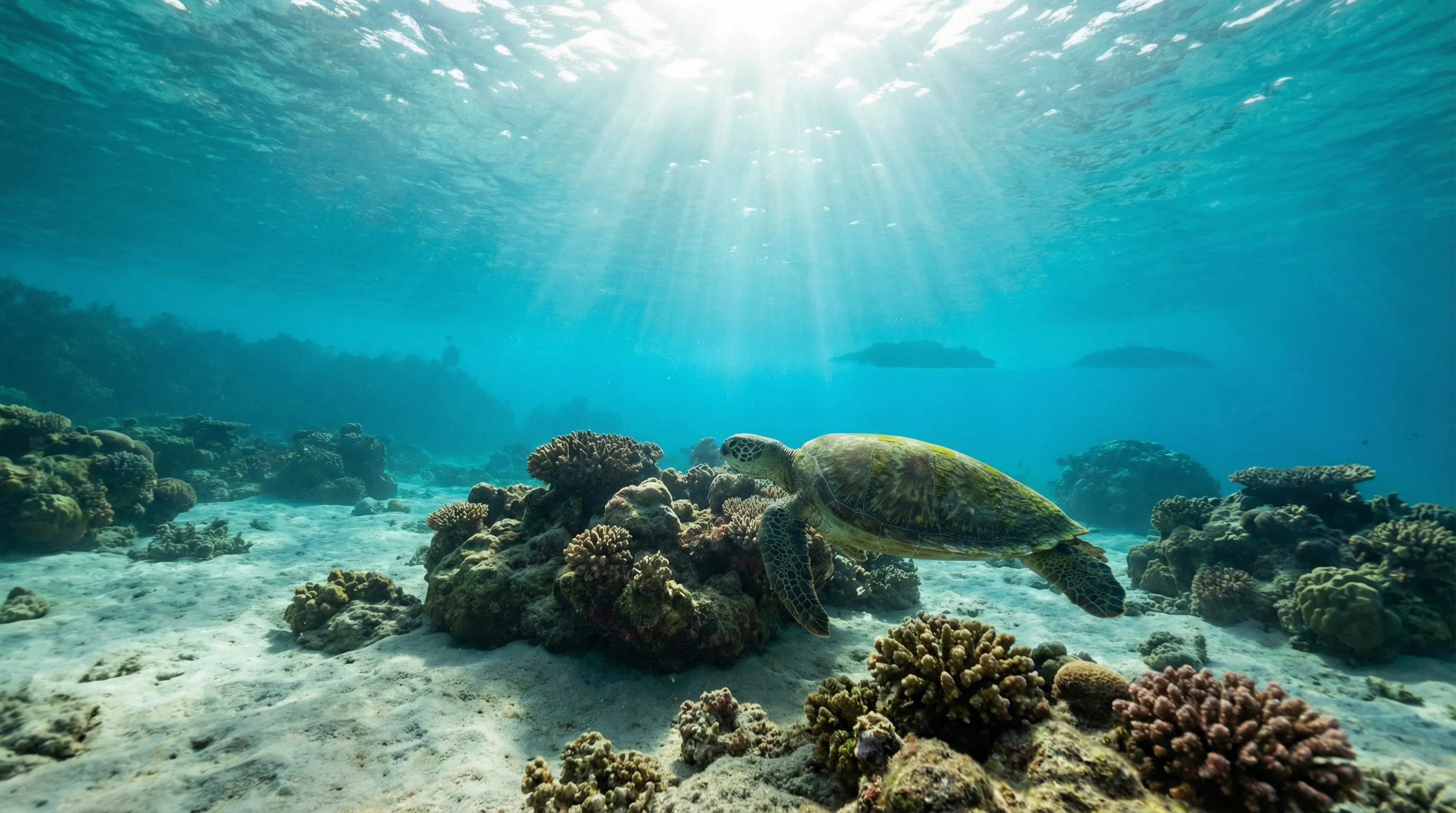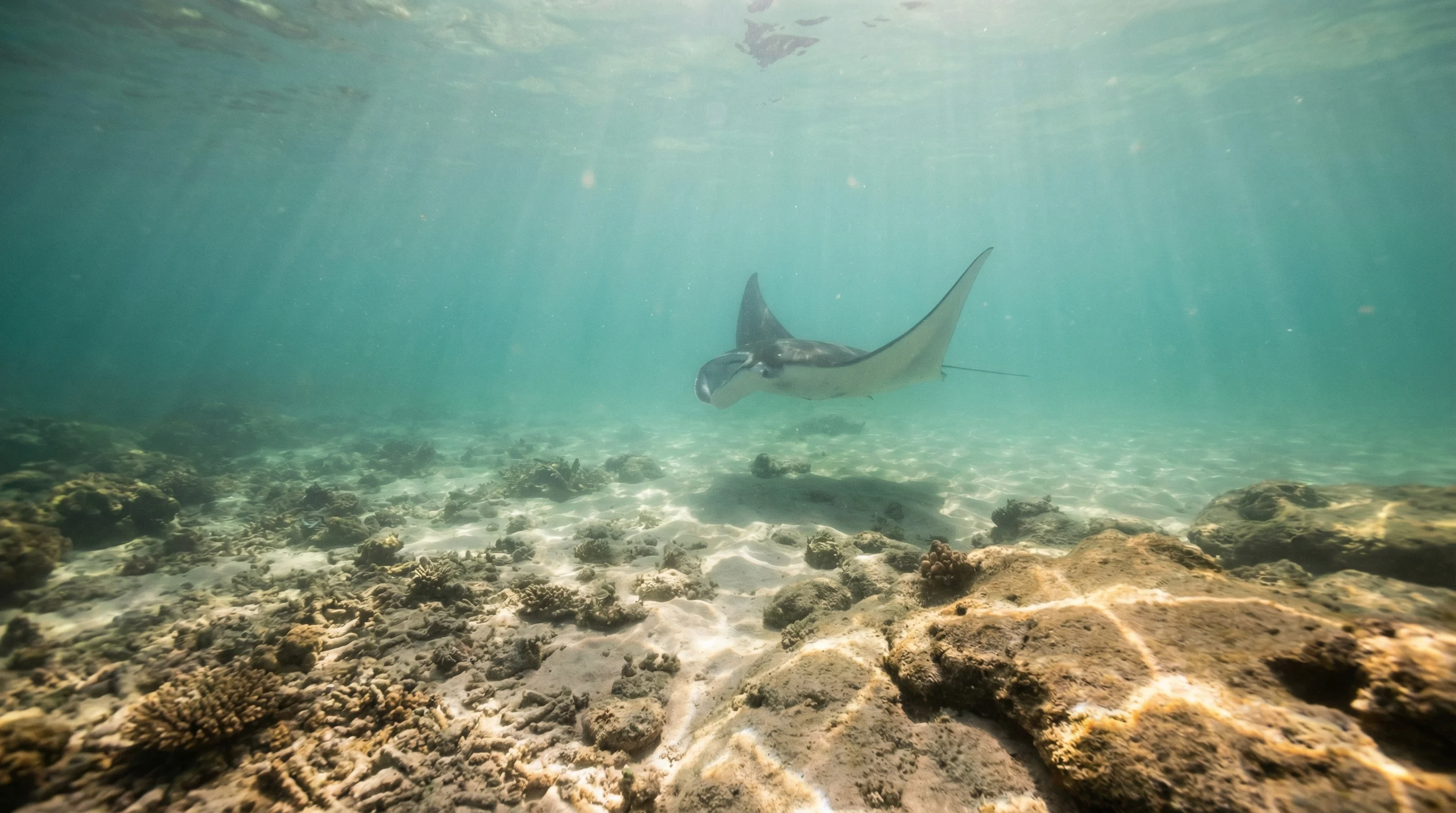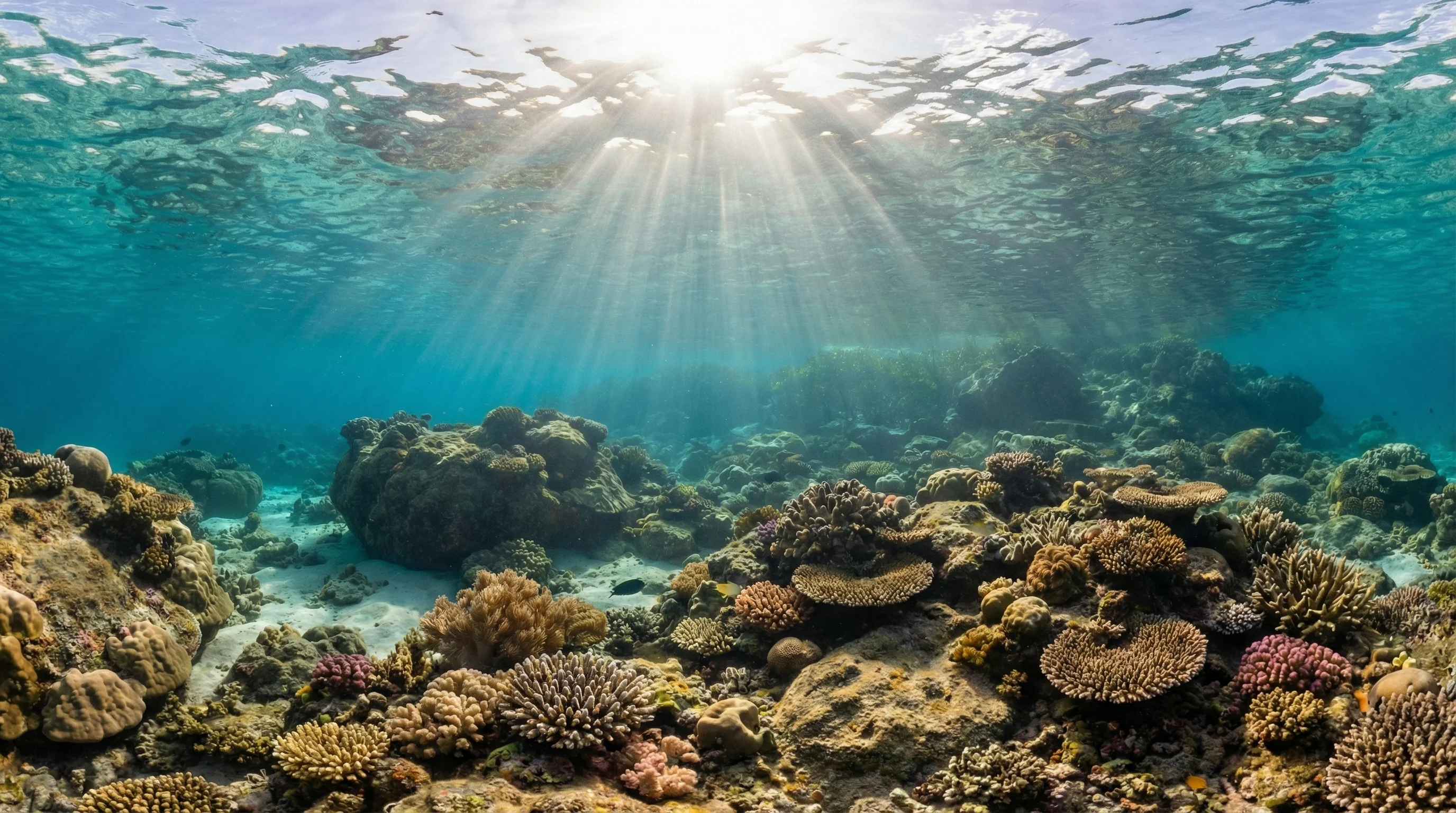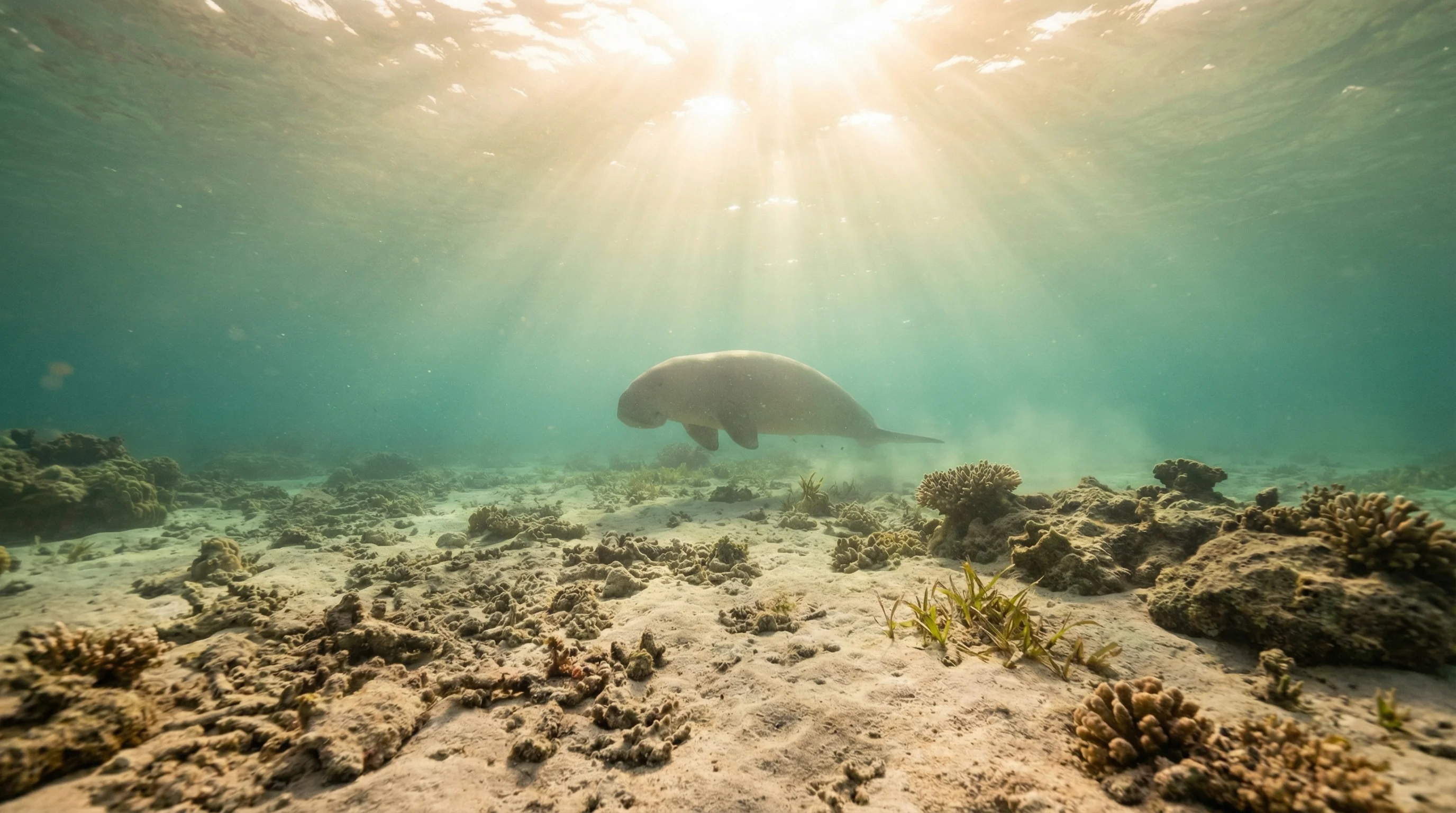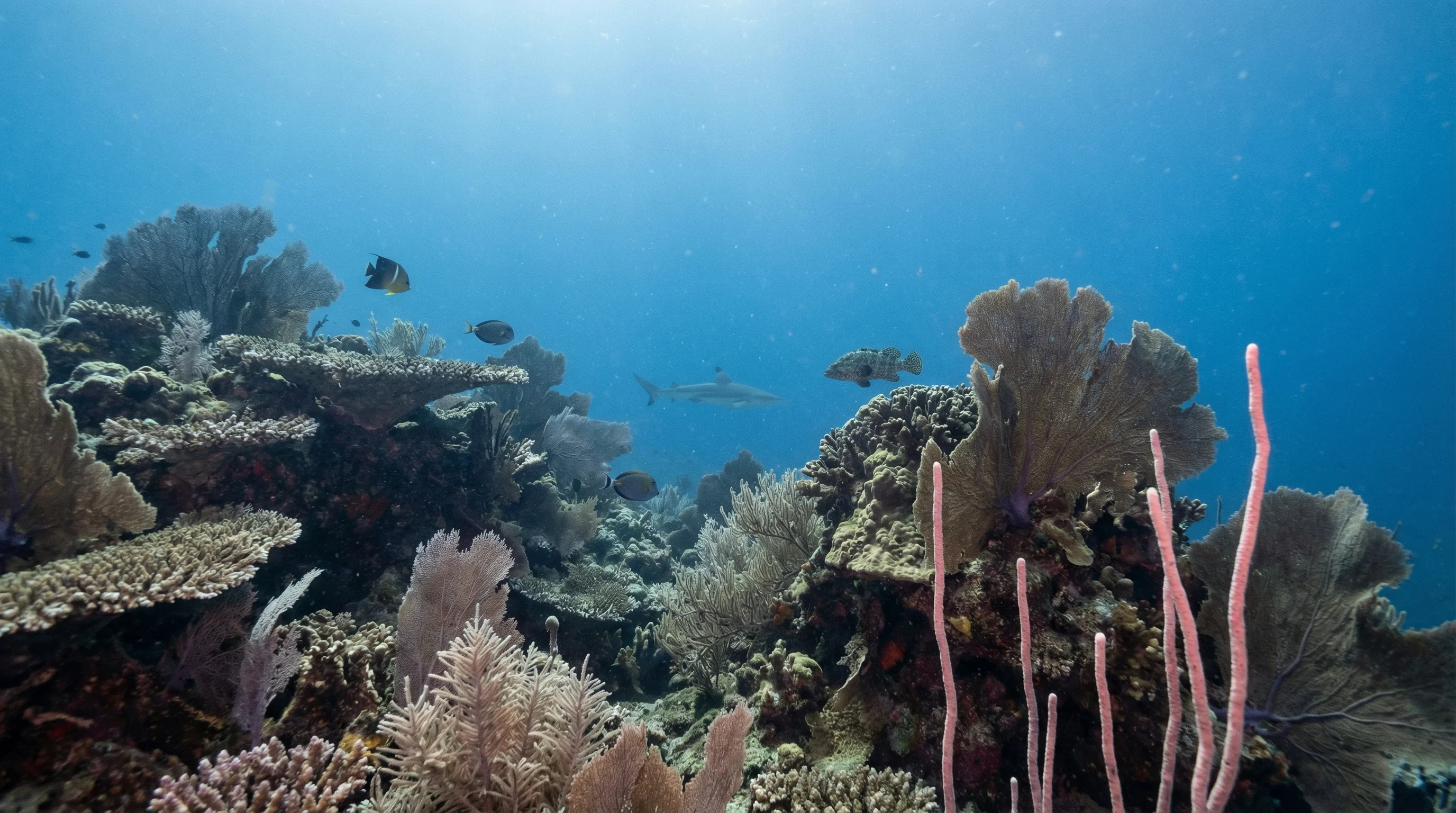
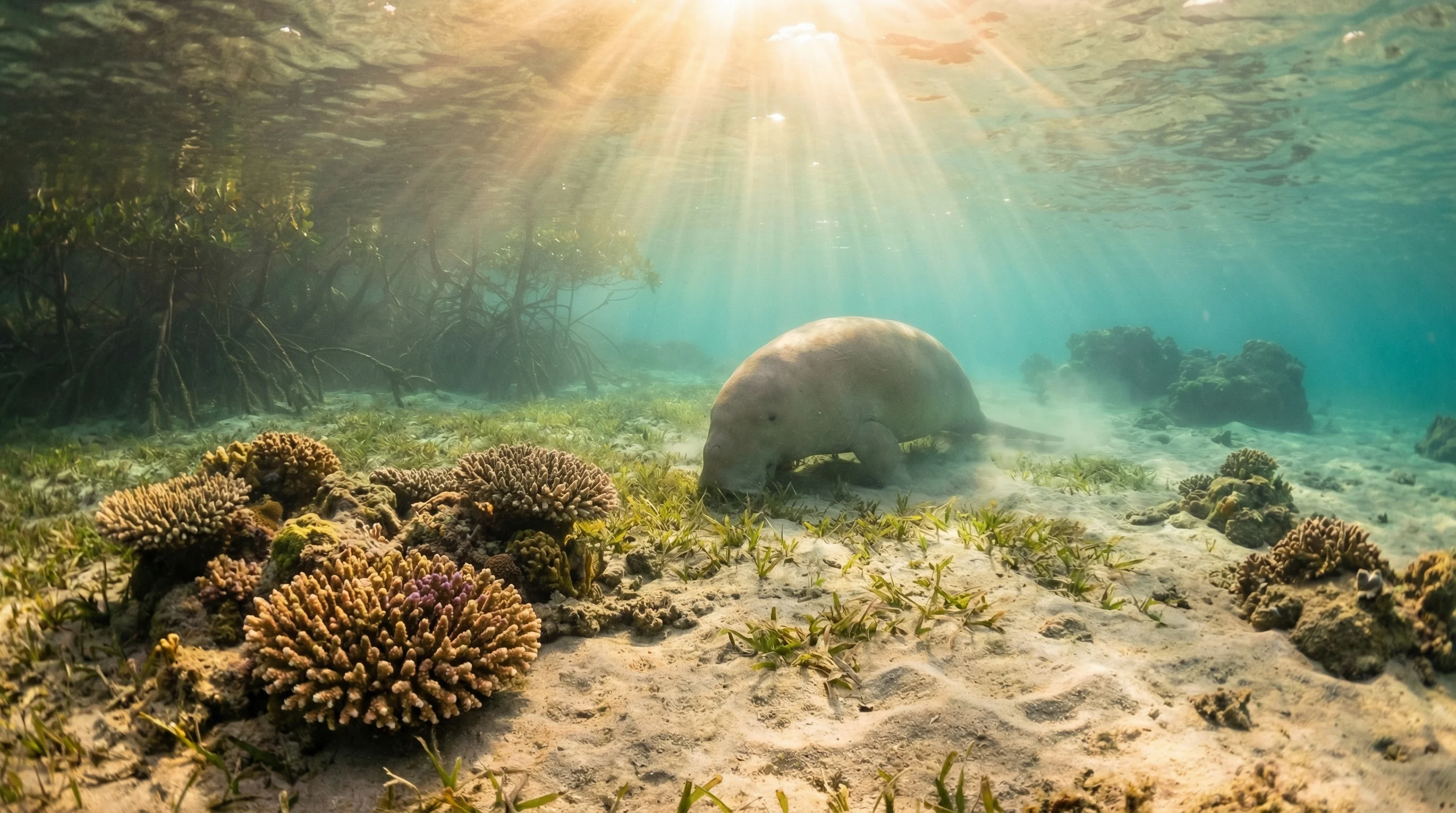
Muggy Muggy Beach offers a gentle shore entry into shallow reef habitat that sits between 1 and 5 metres deep, making it a comfortable first stop for beginner snorkellers and divers. The calm, mild current lets you take your time exploring coral gardens and watching reef fish go about their business. Visibility is variable, so conditions can differ from one visit to the next. Turtles are a realistic sighting here, and dolphins and dugongs move through the area. Watch where you put your hands and feet: stonefish, sharp coral, and jellyfish are present, so reef-safe footwear and careful buoyancy awareness matter even at these depths.
-17.93250, 146.14470
April through October generally brings calmer, clearer conditions, so plan your visit within that window for the most enjoyable experience. Toilets are available on site, but there are no hire facilities, so bring all your own gear.
Access is via a 3 km return (approx. 70 minutes) walking track from the main spit/jetty on Dunk Island. The island is reached by water taxi or private boat from Mission Beach.
Dangerous stinging jellyfish (marine stingers) are present more frequently in the warmer months (November to April). It is recommended to wear a protective suit during this period. Crocodiles can also be present in North Queensland waters.
Depth
1-5m
Skill Level
Beginner
Entry
Shore
Water Temp
23-29°C
Current
Mild
Best Time
Apr, May, Jun, Jul, Aug, Sep, Oct
Muggy Muggy Beach on Dunk Island, Queensland, offers encounters with sea turtles, dolphins, dugongs, and various reef fish amongst coral gardens. The shallow reef system in 1 to 5 metres of water provides excellent opportunities to observe these species in their natural habitat. This diversity makes it one of the most rewarding beginner-friendly snorkel sites in Far North Queensland.
Muggy Muggy Beach at Dunk Island is ideal for beginner snorkellers with its shallow depths of 1 to 5 metres and easy shore entry. The mild currents and sheltered location create safe conditions for first-time snorkellers to explore coral gardens. No certification or prior experience is required to enjoy this accessible Queensland snorkelling site.
The best months for snorkelling at Muggy Muggy Beach on Dunk Island are April through October. During this period, water temperatures range from 23 to 29 degrees Celsius with generally favourable conditions. These months offer the most consistent visibility and comfortable conditions for exploring the coral gardens.
Muggy Muggy Beach on Dunk Island features convenient shore entry requiring no boat access. The site is located in Far North Queensland and provides basic facilities including toilets. Snorkellers can wade directly from the beach into the shallow reef system.
Snorkellers at Muggy Muggy Beach should be aware of stonefish, sharp coral, jellyfish, and marine life interaction risks. Exercise caution when entering the water and avoid touching the reef or sea floor where stonefish may be camouflaged. Wearing protective footwear and a stinger suit during jellyfish season is recommended for safety.
There is no entry fee to snorkel at Muggy Muggy Beach on Dunk Island. Basic toilet facilities are available on site. This makes it an accessible and budget-friendly snorkelling destination in Queensland.
Water temperatures at Muggy Muggy Beach on Dunk Island range from 23 to 29 degrees Celsius throughout the year. The warmest conditions occur during the summer months, while the cooler 23-degree temperatures are typical during winter. A 3mm wetsuit or rash vest provides comfortable thermal protection year-round.
Diving at Muggy Muggy Beach in Far North Queensland requires the following certifications: Open Water. Always dive within your training limits.
A 3mm wetsuit is recommended for diving at Muggy Muggy Beach in Far North Queensland. Water temperatures range from 23°C to 29°C.
Muggy Muggy Beach in Far North Queensland has depths ranging from 1 metres to 5 metres.
Muggy Muggy Beach in Far North Queensland is excellent for snorkelling with a rating of 3 out of 5. Shallow areas start from 1 metres, making it accessible for snorkellers.