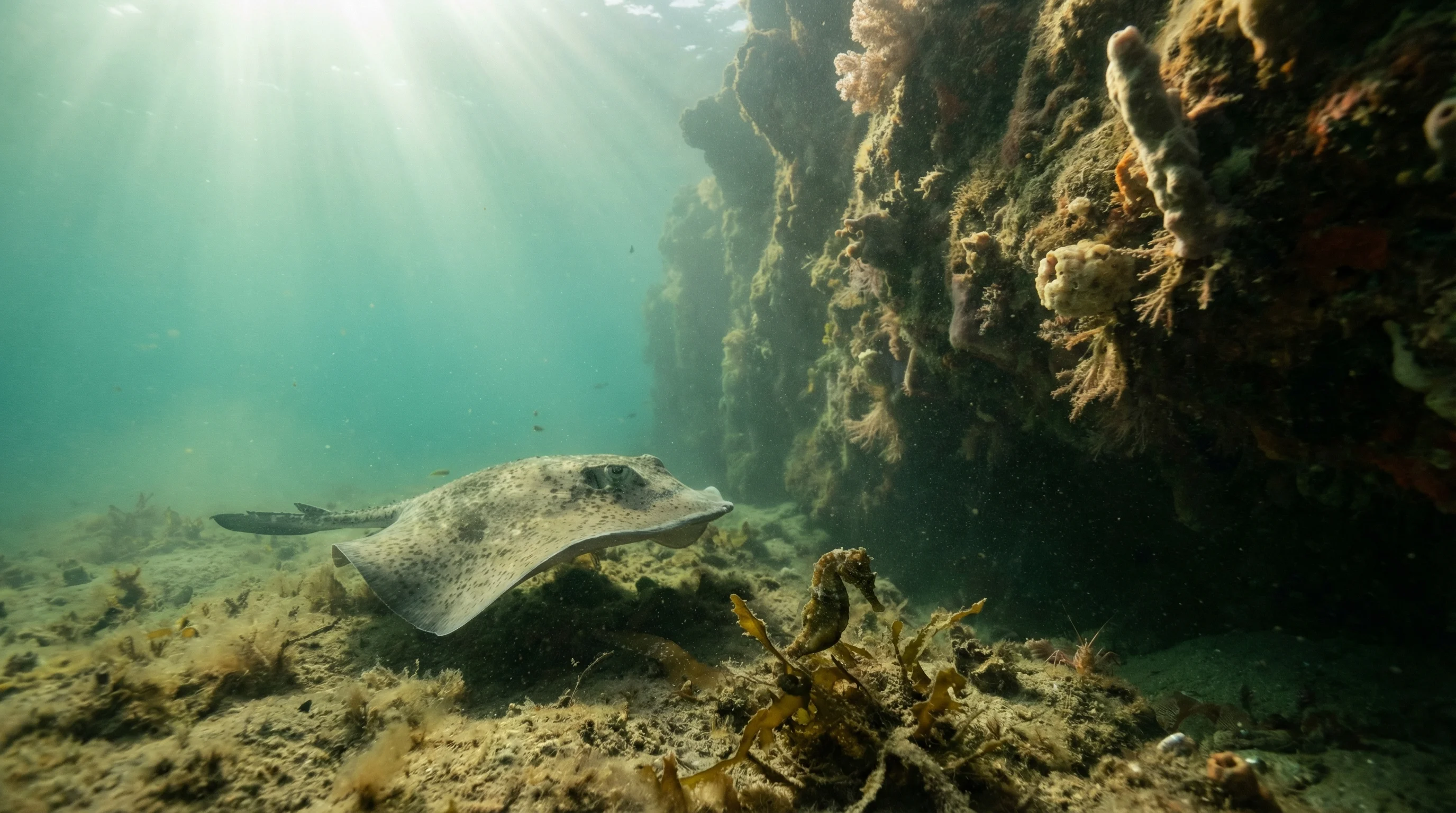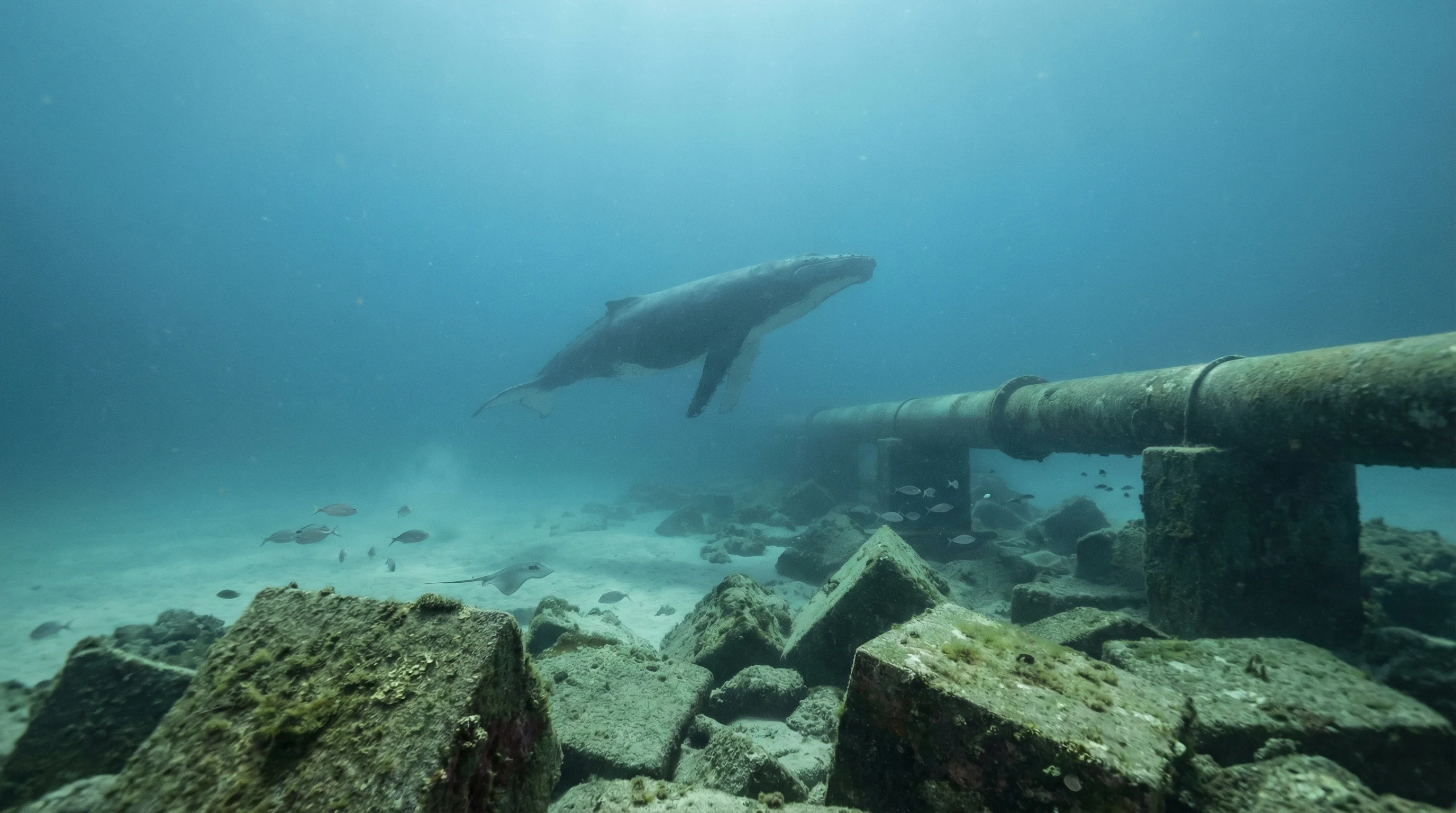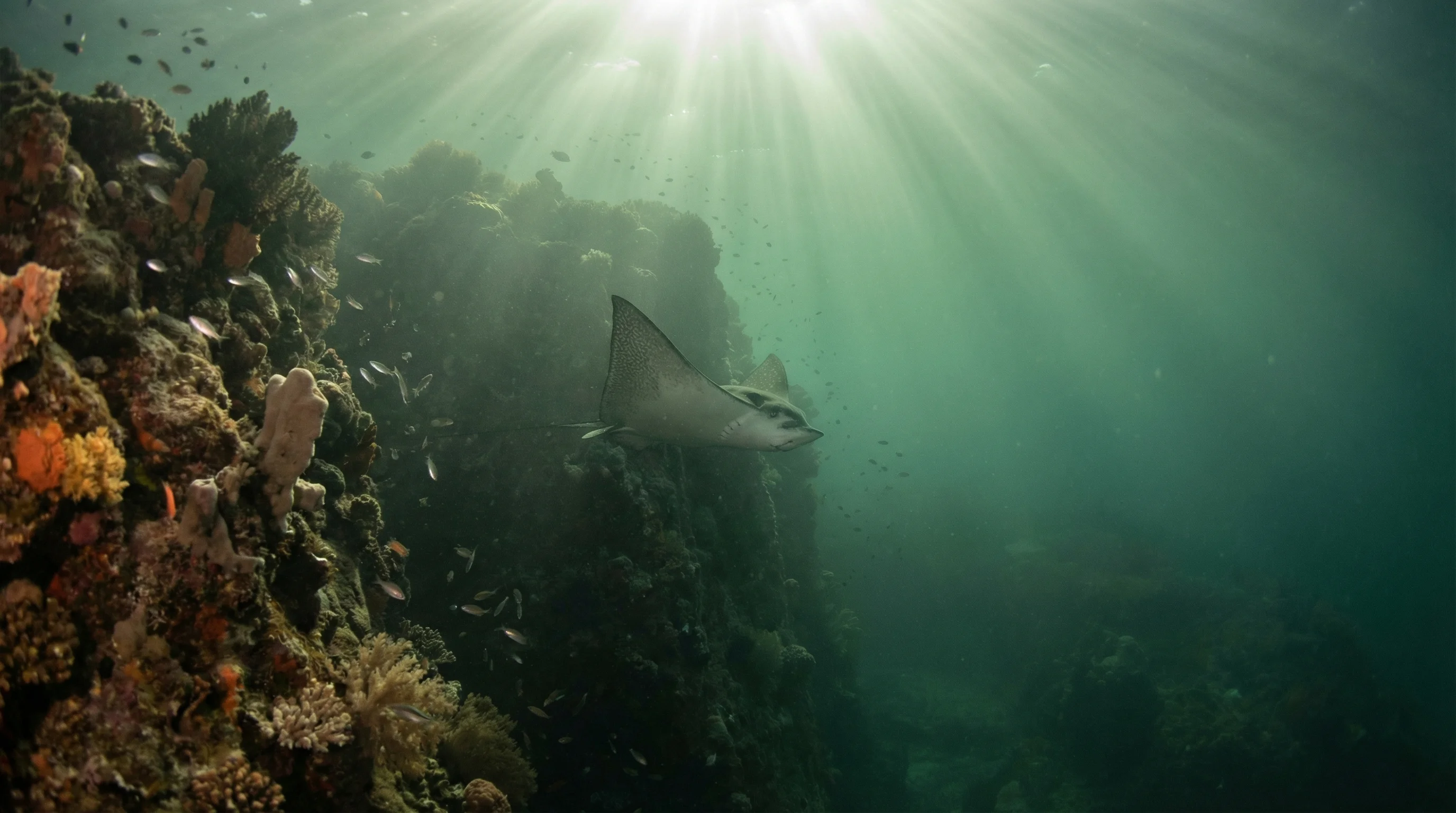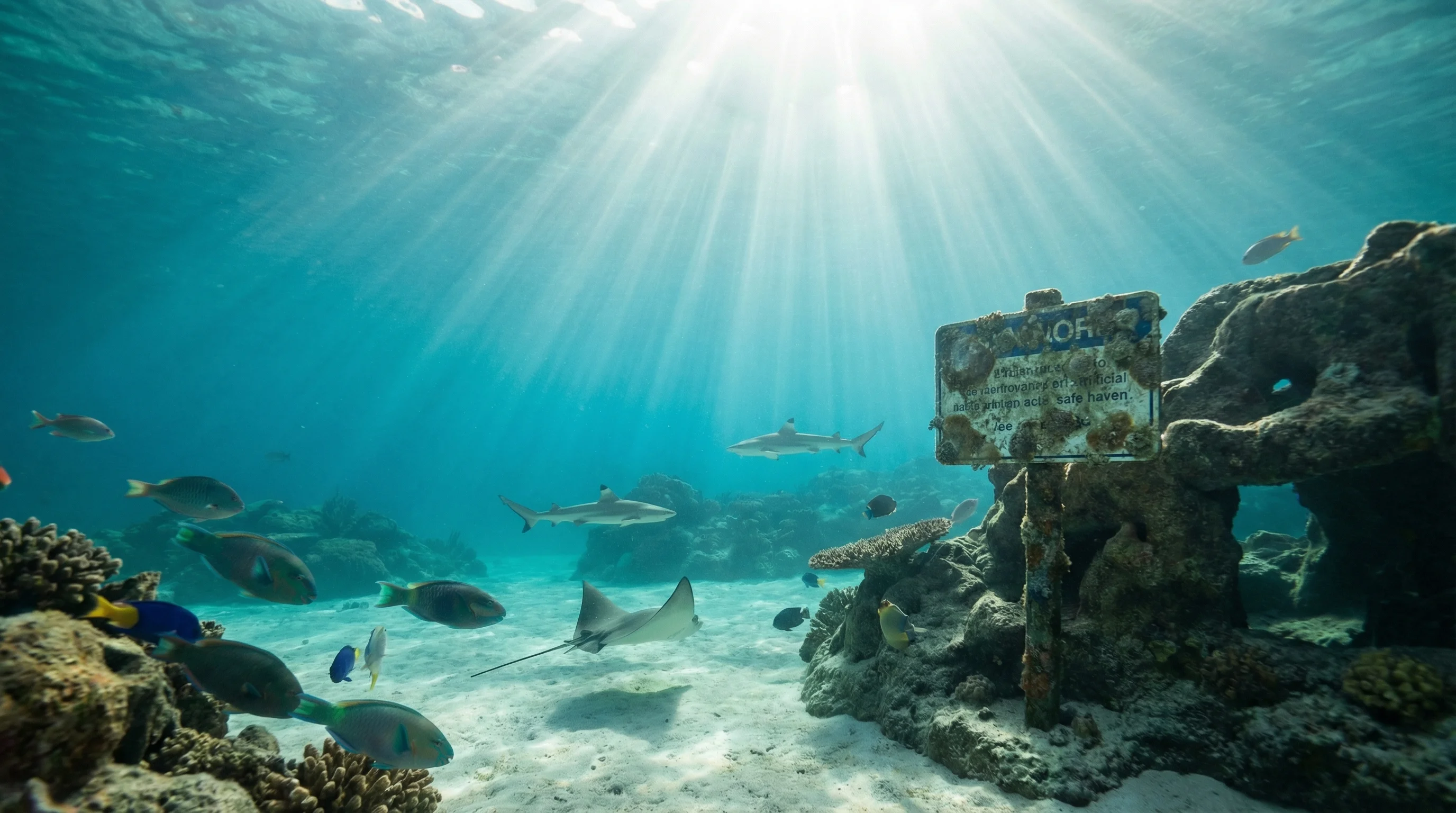
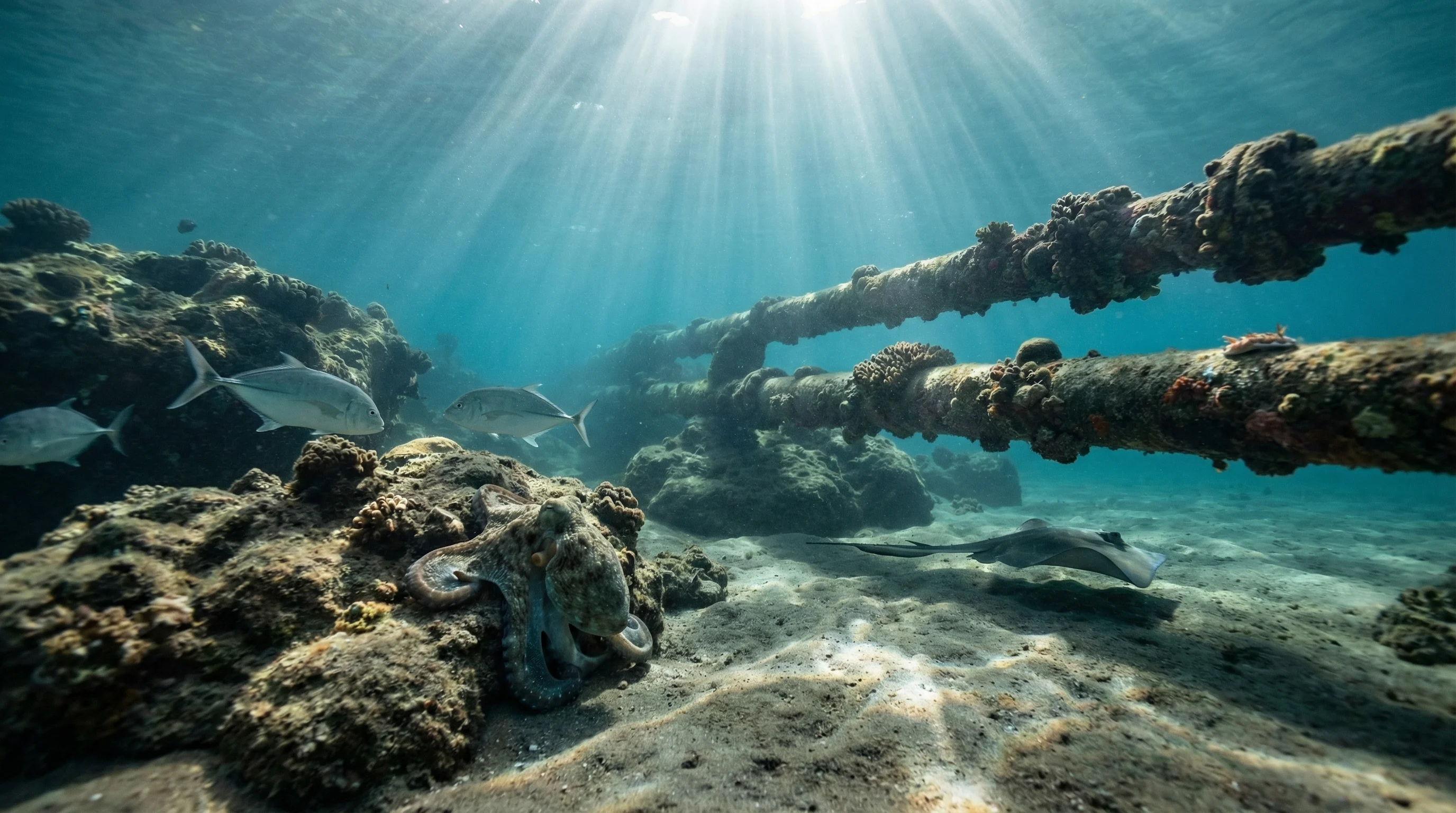
Western Steps offers beginner divers an unusual shore entry into Tasmania's Southport Seaway, where strong currents sweep nutrients through shallow waters to create surprisingly productive muck diving. You'll descend from concrete steps into 2 to 8 metres of water, where the silty bottom harbours an impressive variety of unusual marine life that thrives in these murky conditions. The current here does most of the work, carrying you along the seawall as you search the bottom for camouflaged treasures. Look closely and you'll spot seahorses clinging to debris, cuttlefish hovering mid-water, and the bizarre pineapplefish hiding in crevices. Anglerfish blend perfectly with the muck, while nudibranchs add splashes of colour to the otherwise subdued palette. Trevally and gropers patrol the slightly deeper sections, and you might encounter moray eels, stingrays, or even turtles passing through. Visibility ranges from 4 to 16 metres depending on tides and recent weather. The strong current means you'll drift rather than swim, making this an easy dive physically but one that requires awareness. Watch for boat traffic overhead and give the bottom a wide berth as stonefish frequent these waters. The site works year-round, though calmer conditions generally make for easier entries and exits from the steps.
-27.93915, 153.42196
May and August offer the most reliable visibility and the best chance of spotting Australian Giant Cuttlefish and seahorses, so plan your visit around those months if you can. Enter slowly to avoid stirring up silt, which drops visibility quickly on muck sites like this.
Access is via Seaworld Drive into Doug Jennings Park. There is parking available near the entry point, which is a set of steps leading down to a small sandy beach.
Shuffle your feet when entering and exiting through the shore break to avoid hidden hazards. Be aware of boat traffic and strong currents; consider a dive float. Watch for stonefish camouflaged on the bottom and swim parallel to shore to avoid rip currents.
Depth
3-8m
Visibility
6-22m
Skill Level
Beginner
Entry
Shore
Water Temp
15-22°C
Current
Moderate
Typical Dive
45 min
Best Time
Year-round
Western Steps in Southport is a shore dive. Access is via Seaworld Drive into Doug Jennings Park. There is parking available near the entry point, which is a set of steps leading down to a small sandy beach.
Yes, parking is available near Western Steps. Arrive early during peak seasons as spaces can fill up quickly.
Western Steps in Southport is well-suited for beginner divers and snorkellers. Conditions are typically calm with easy entry and shallow depths.
Diving at Western Steps in Southport requires the following certifications: Open Water. Always dive within your training limits.
A 7mm wetsuit or semi-dry is recommended for diving at Western Steps in Southport. Water temperatures range from 15°C to 22°C.
Western Steps in Southport is home to Scorpionfish, Anglerfish, Common Lionfish, Pipefish, Octopus, and Flathead. Marine life sightings vary by season and conditions.
The best months to visit Western Steps in Southport are May, August, January, February, March, April, June, July, September, October, November, and December. Conditions outside these months can still be good but are less predictable.
Western Steps in Southport has depths ranging from 3 metres to 8 metres.
A typical dive at Western Steps in Southport lasts approximately 45 minutes. Actual dive time depends on depth, air consumption, and conditions.
Yes, night diving is available at Western Steps in Southport. Night dives often reveal different marine life including nocturnal creatures. Always dive with proper lighting and a buddy.
Divers at Western Steps in Southport should be aware of stonefish. These encounters are generally rare and avoidable with proper awareness. Follow local safety guidance and maintain a respectful distance from all marine life.
Expect moderate currents at Western Steps in Southport. Good buoyancy control and some drift diving experience is helpful.
Visibility at Western Steps in Southport typically ranges from 6 metres to 22 metres. Conditions vary with weather, tides, and seasons.