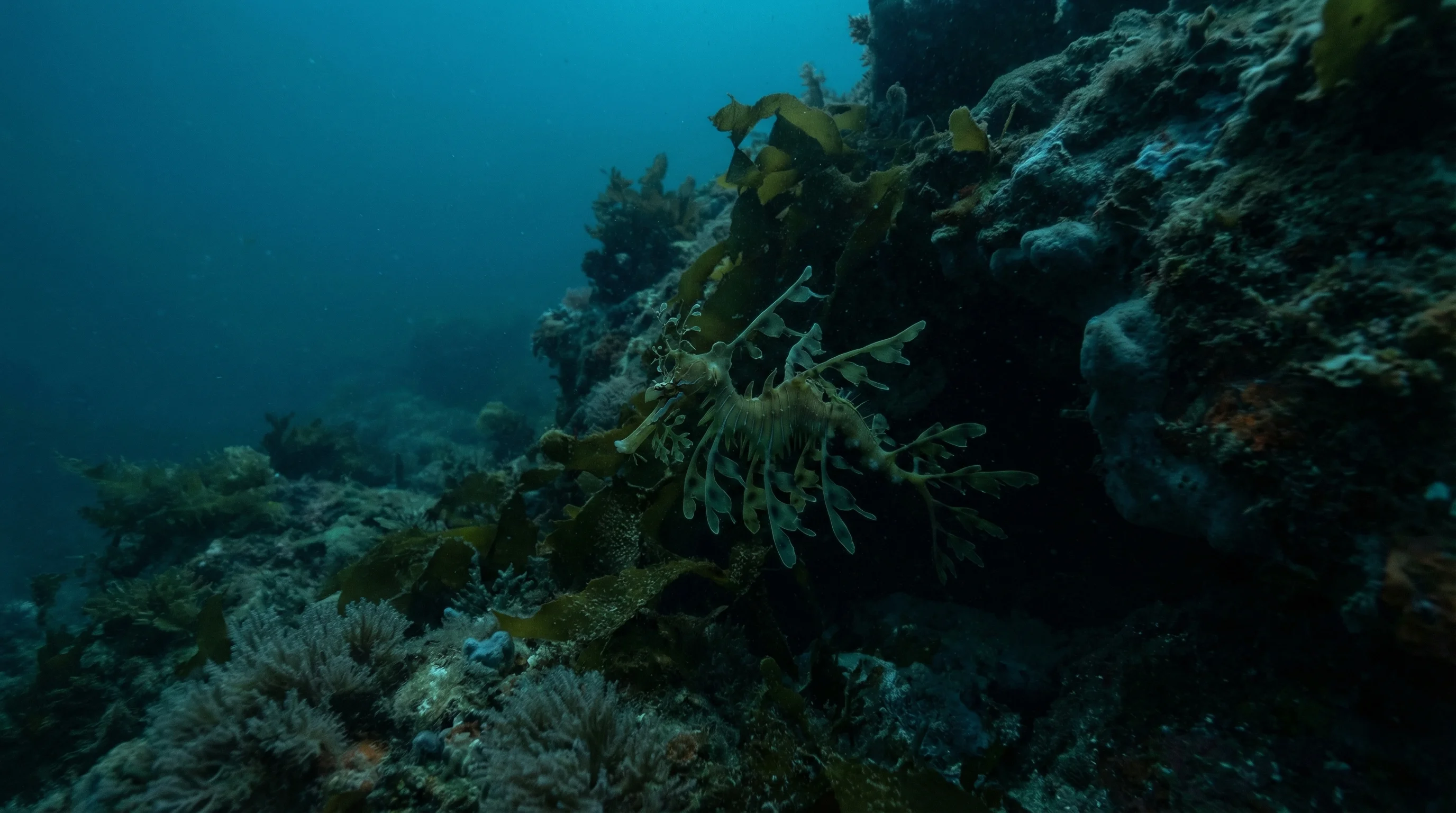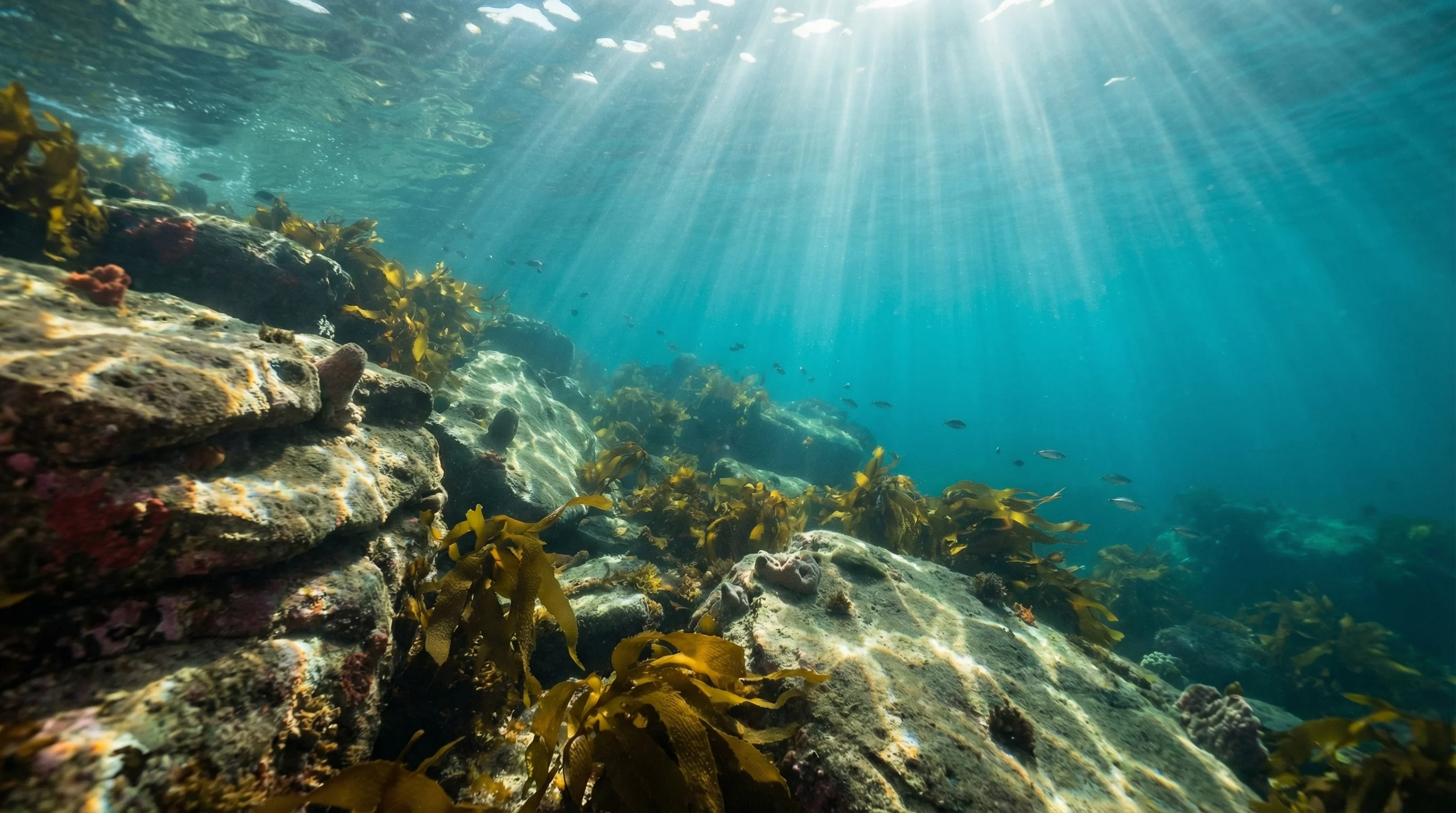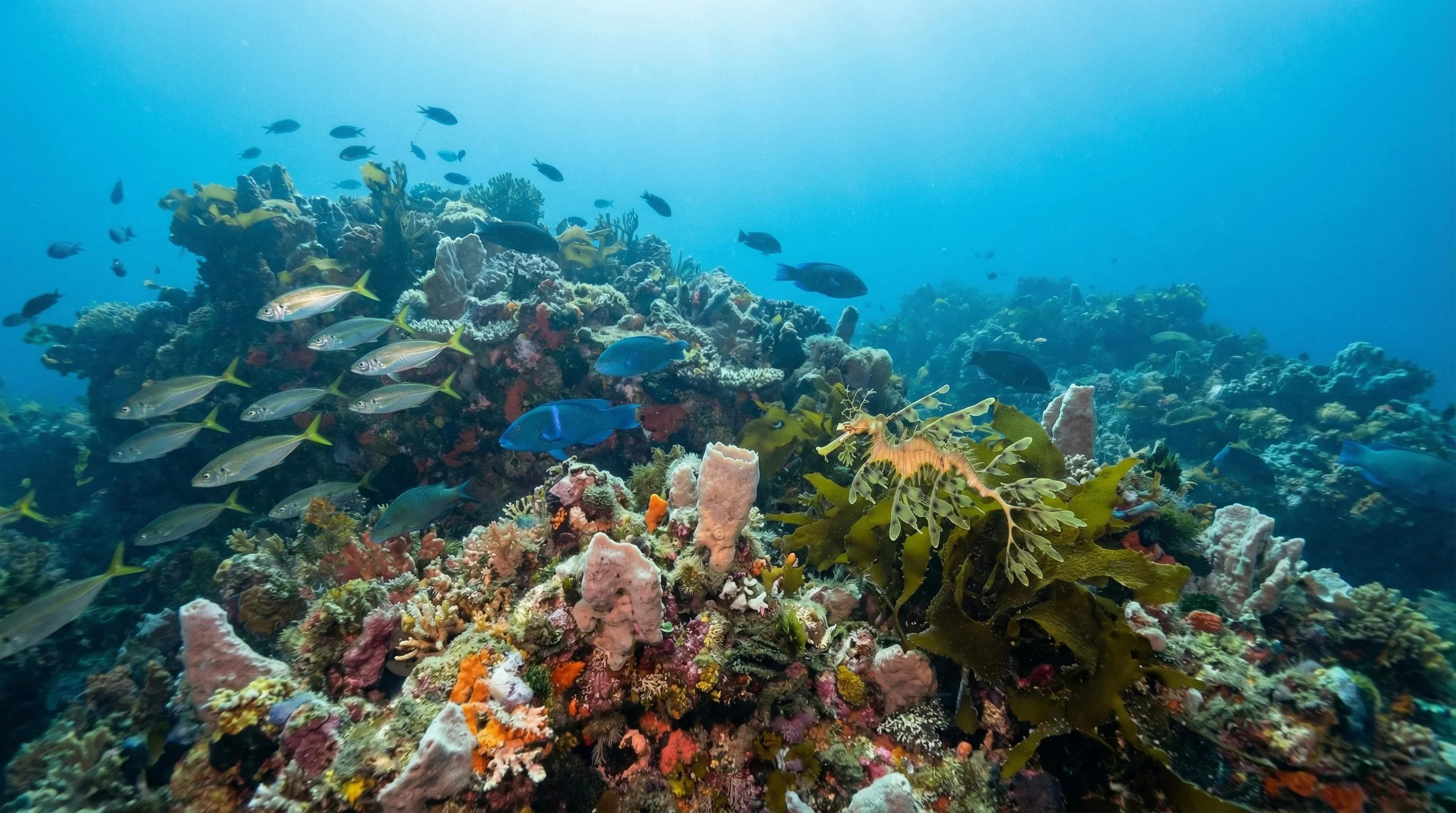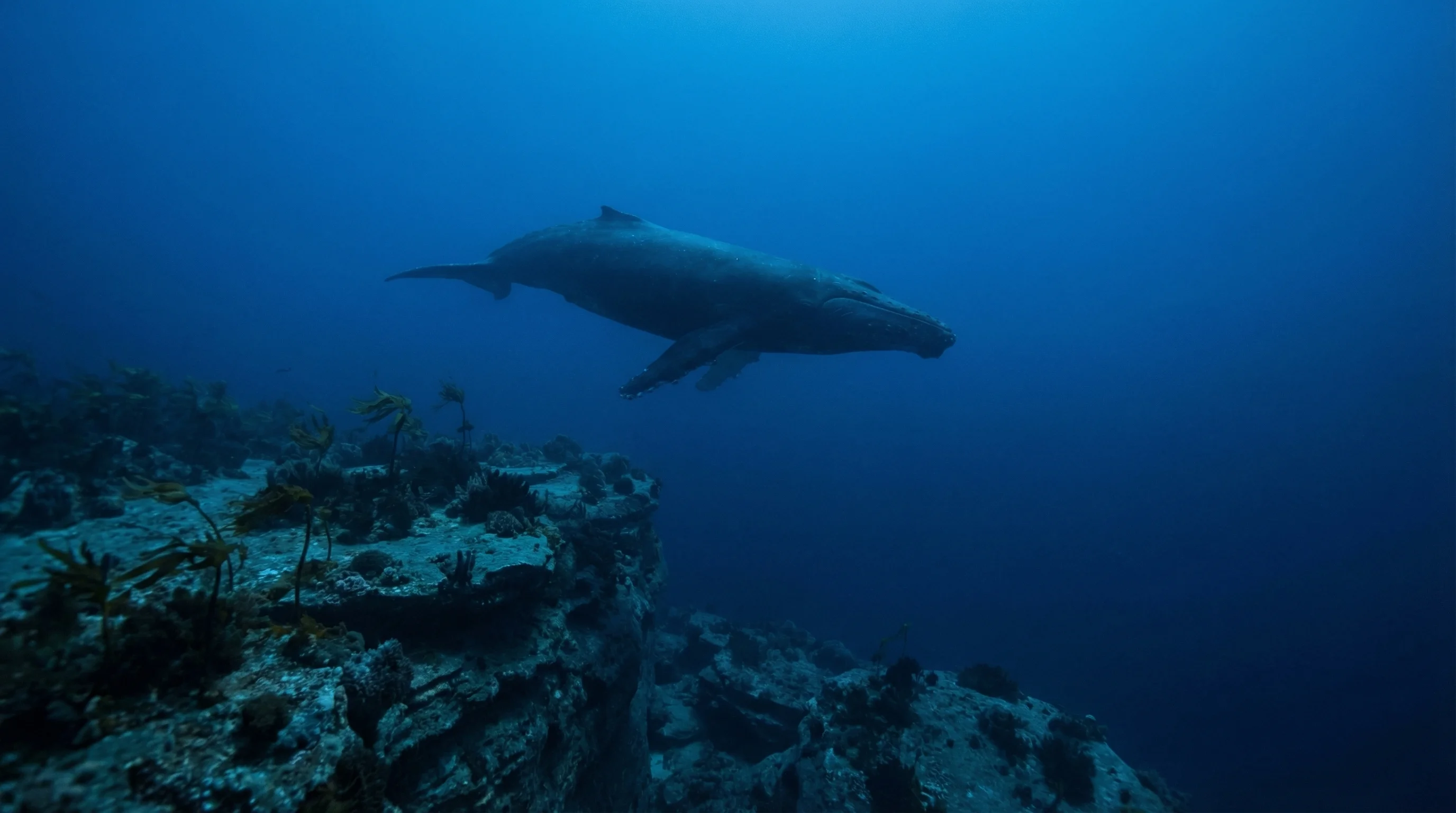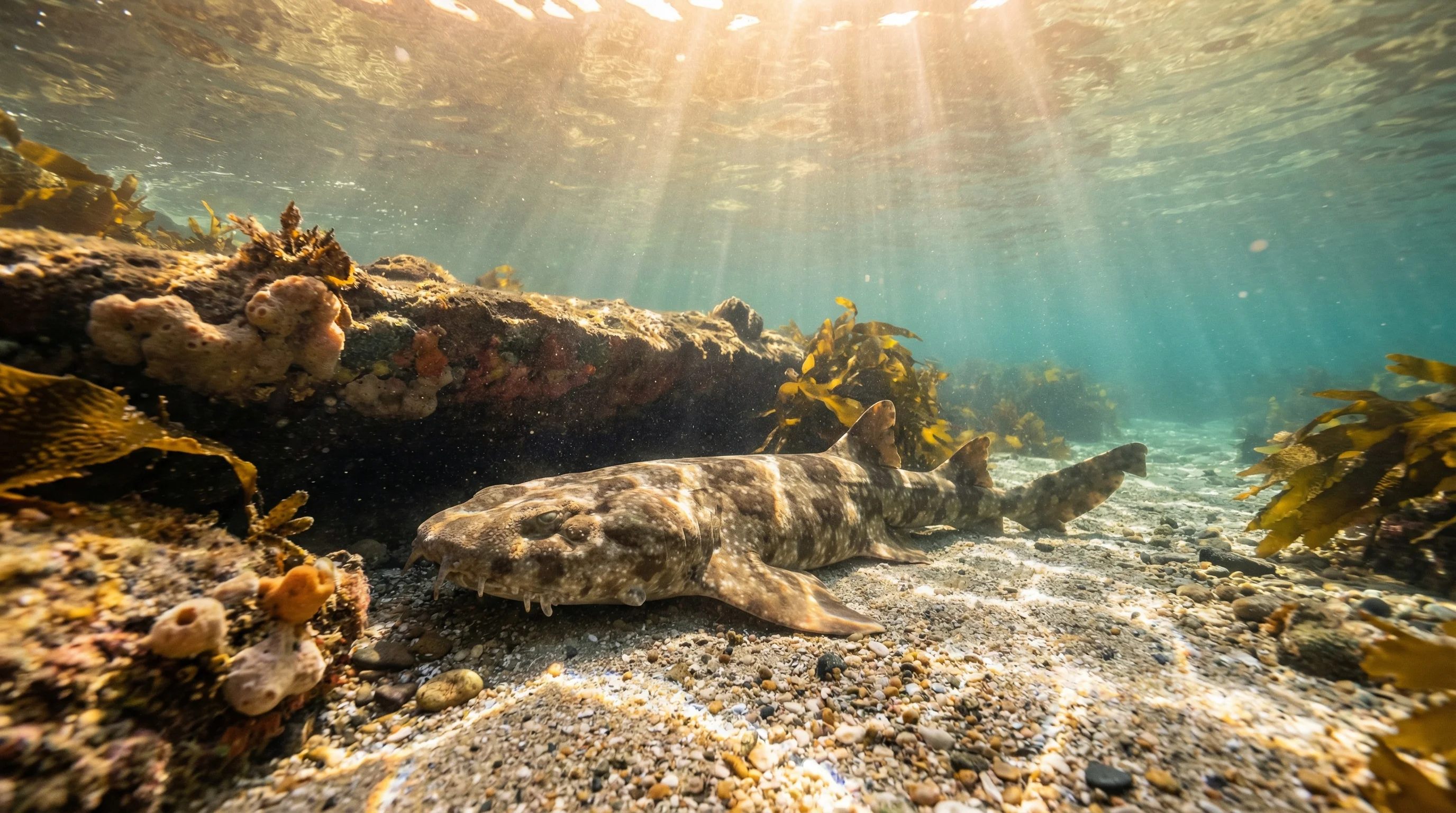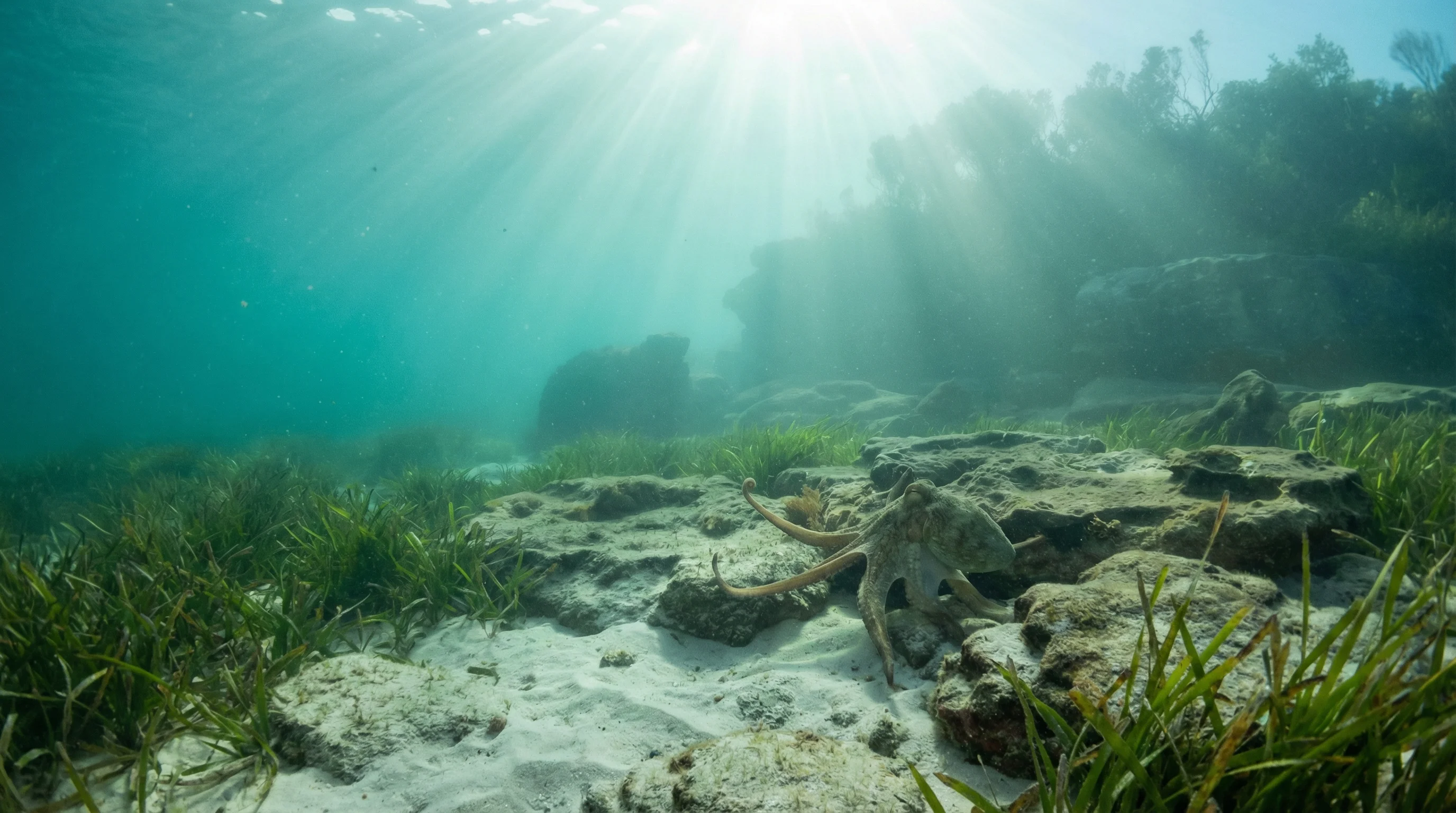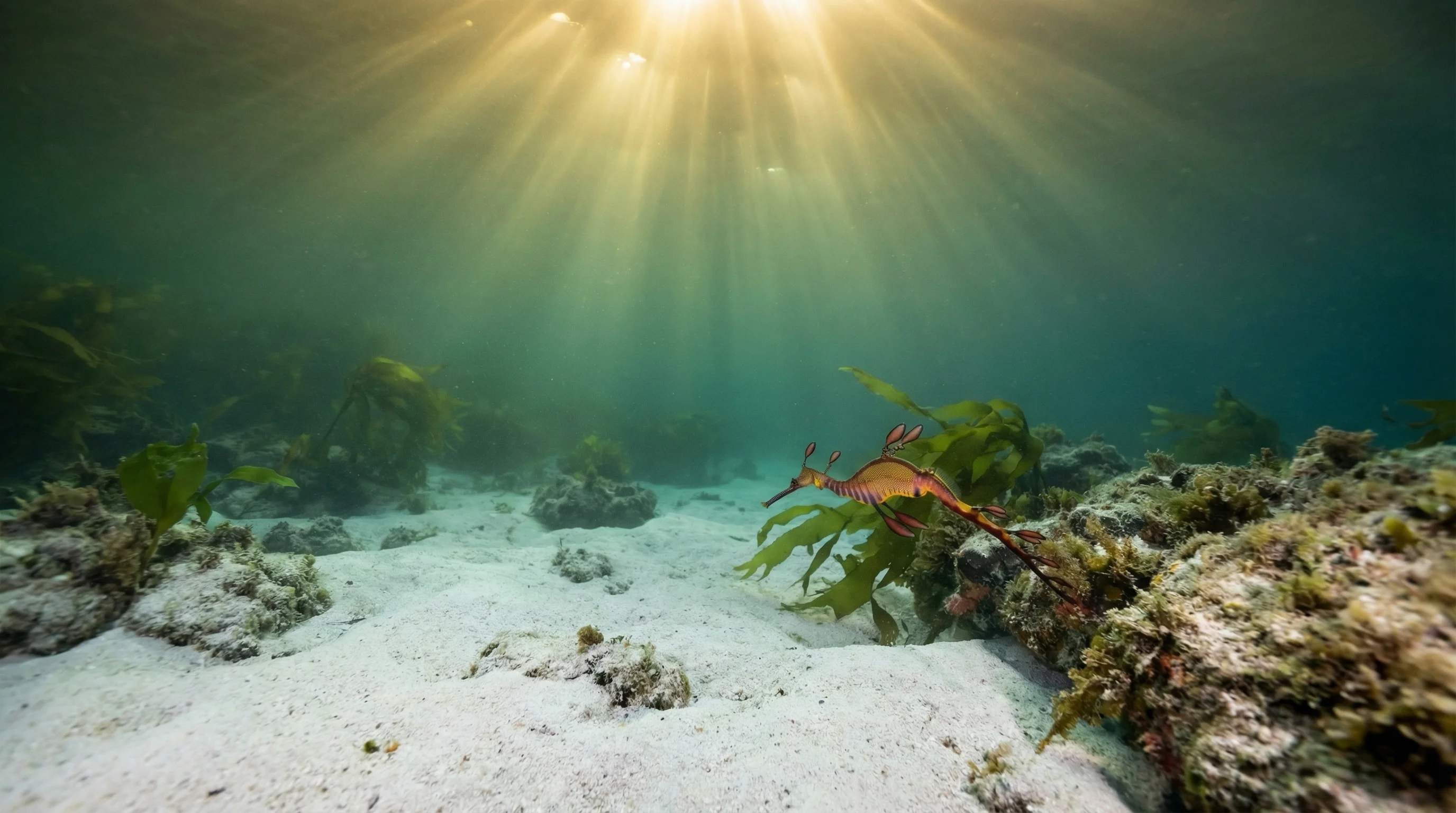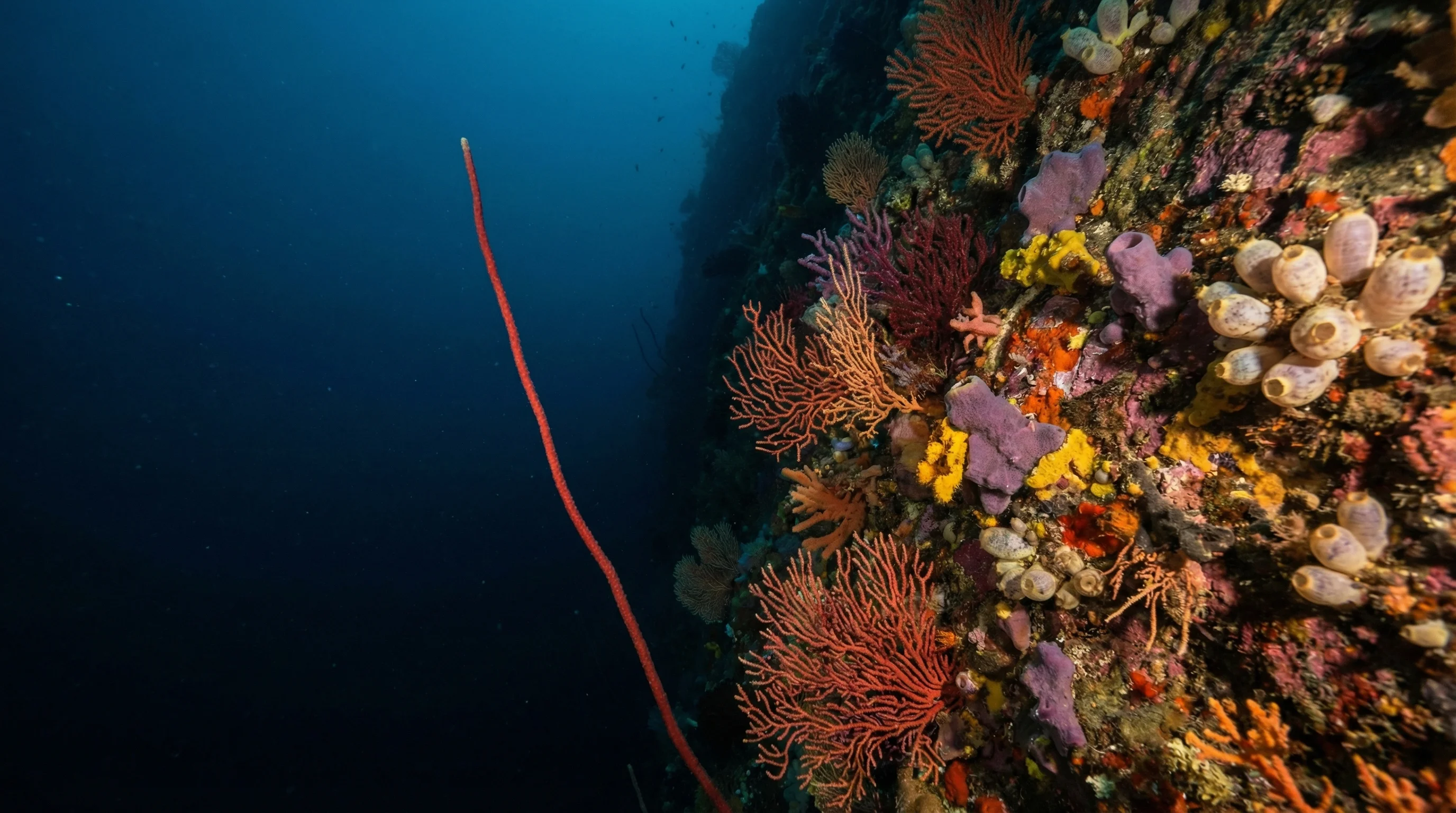
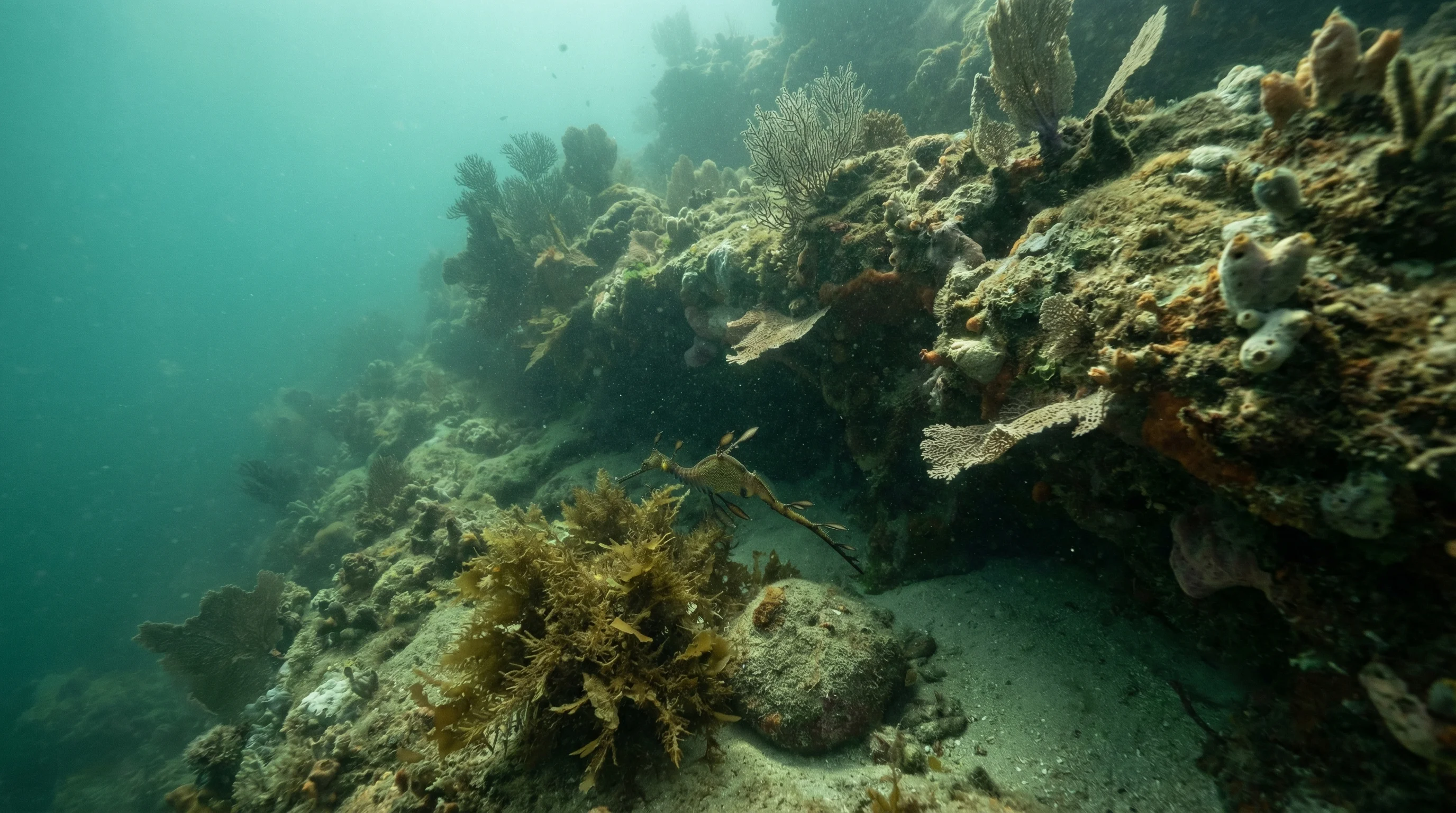
Light House Reef combines a wall, drift diving, and reef terrain in a single site, making it a solid choice for intermediate divers wanting variety in one dive. Depths run from 15 to 23 metres in the deeper sections, with visibility ranging from 5 to 20 metres depending on conditions. Mild currents are typical, though stronger surges do occur and decompression management matters here. The reef holds a genuinely interesting mix of life: weedy sea dragons and nudibranchs reward slow, attentive diving, while angel sharks and bullrays turn up along the sandy margins. Gorgonias and sponges provide structure, and seals, grouper, sergeant bakers, and moray eels round out what is a varied and engaging site.
-35.36320, 150.49380
The best visibility windows tend to fall between December and May, so plan your trip accordingly. Check current forecasts before you go, as conditions can shift quickly from mild to strong and the site carries a decompression risk that catches divers off guard.
Access info coming soon
The dive can be deeper than 18m, especially with current, so divers should monitor their no-decompresson limits. The site is known for currents, making it a drift dive.
Depth
14-26m
Visibility
5-10m
Skill Level
Intermediate
Entry
Boat
Boat required
Water Temp
14-20°C
Current
Mild
Typical Dive
30 min
Best Time
Jan, Feb, Mar, Apr, May, Dec
Light House Reef in Ulladulla, New South Wales requires an Advanced Open Water certification or equivalent. The site reaches depths between 15 and 23 metres and can involve decompression diving, making it unsuitable for entry-level divers. The combination of depth and occasional strong currents necessitates advanced training and experience.
Light House Reef is accessed exclusively by boat from Ulladulla, with no shore entry available. The site lies offshore and requires a charter or private vessel to reach the dive location. No facilities are present at the site itself, so all equipment and supplies must be brought aboard.
Light House Reef hosts weedy sea dragons, bullrays, angel sharks, and moray eels amongst its rocky terrain. The reef structure supports diverse invertebrate life including nudibranchs, gorgonias, and sponges, whilst grouper patrol the deeper sections. This temperate reef system offers a distinctly Australian underwater fauna compared to tropical sites.
Light House Reef is best dived between December and May during the Australian summer and early autumn months. Water temperatures during this period range from 15 to 24 degrees Celsius, providing the most comfortable diving conditions. Visibility typically improves during these calmer months, reaching up to 20 metres on favourable days.
Light House Reef ranges from 15 to 23 metres depth with generally mild currents, though strong currents can occur. Visibility varies between 5 and 20 metres depending on weather and ocean conditions. The depth profile and potential for strong currents contribute to the site's intermediate to advanced difficulty rating.
Light House Reef is not suitable for beginner divers and requires intermediate to advanced skills. The site's maximum depth of 23 metres, potential for decompression diving, and occasional strong currents exceed Open Water certification limits. An Advanced Open Water certification is mandatory for diving this New South Wales site.
Light House Reef presents three primary hazards: depths exceeding 18 metres, potential decompression requirements, and strong currents. Divers must plan their profiles carefully to avoid decompression obligations and monitor their air consumption in current conditions. The offshore location also means divers are reliant on boat pickup with no emergency shore exit available.
A 7mm wetsuit or semi-dry is recommended for diving at Light House Reef in Ulladulla. Water temperatures range from 14°C to 20°C.
Light House Reef in Ulladulla has depths ranging from 14 metres to 26 metres.
A typical dive at Light House Reef in Ulladulla lasts approximately 30 minutes. Actual dive time depends on depth, air consumption, and conditions.