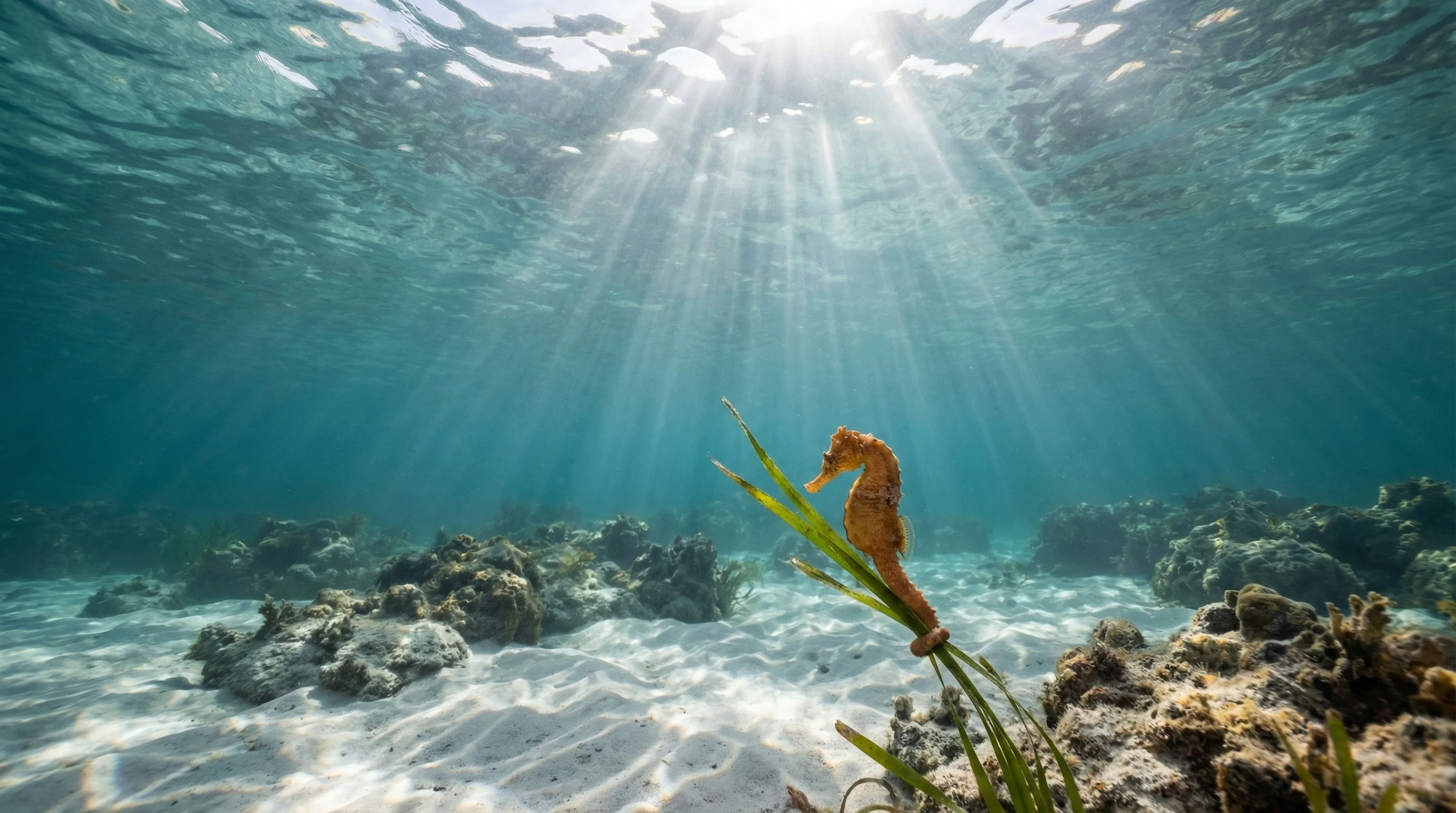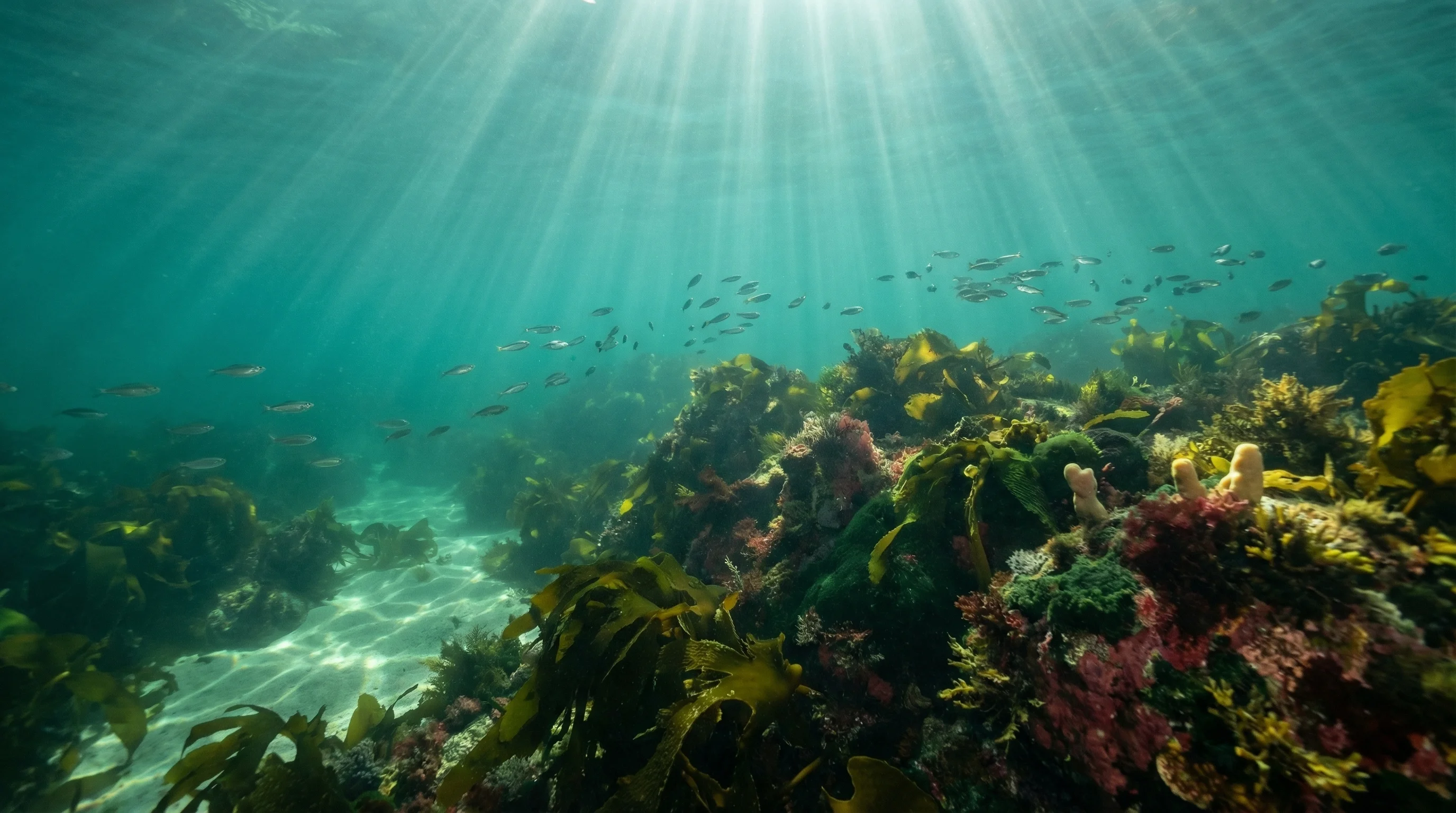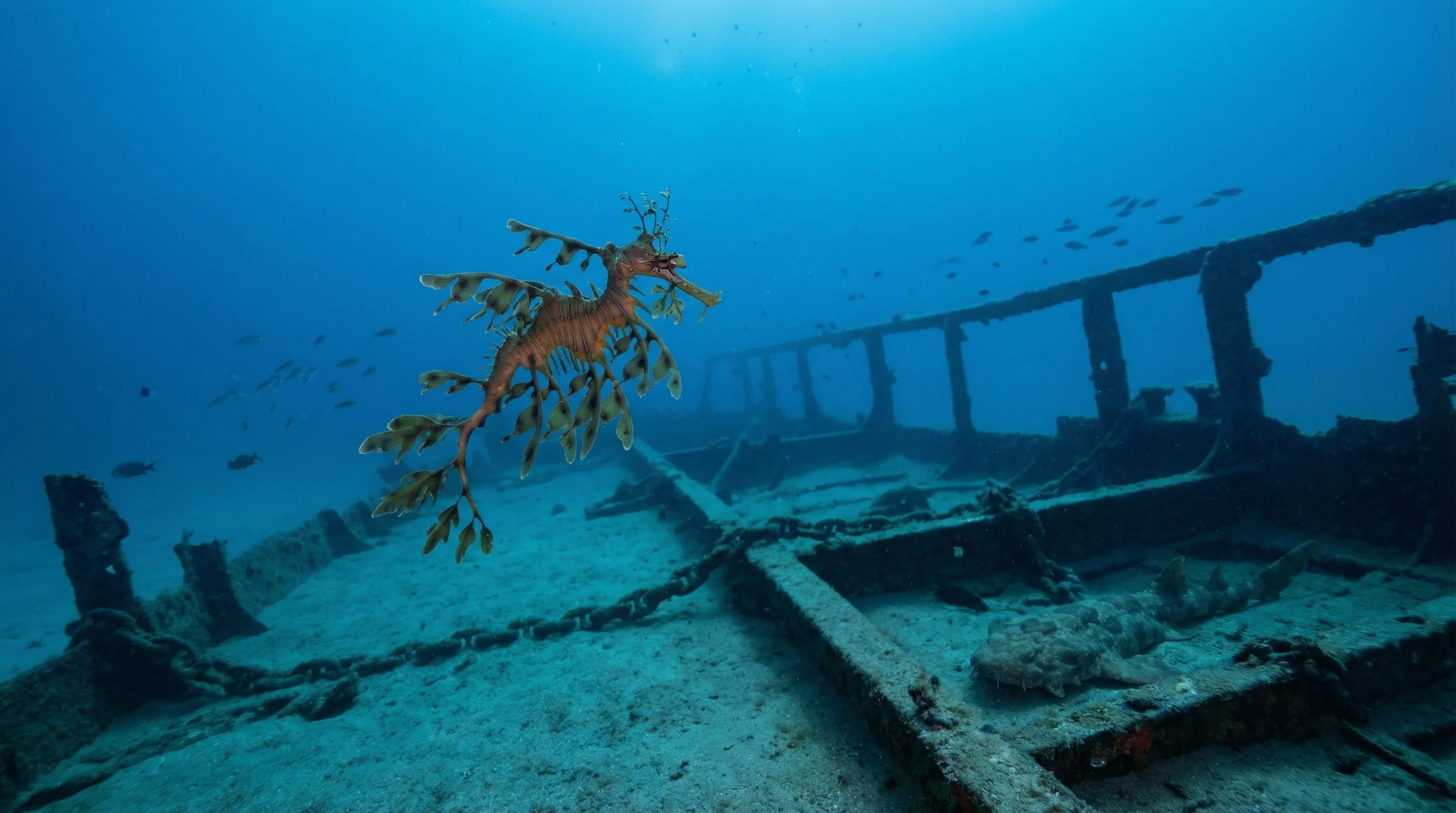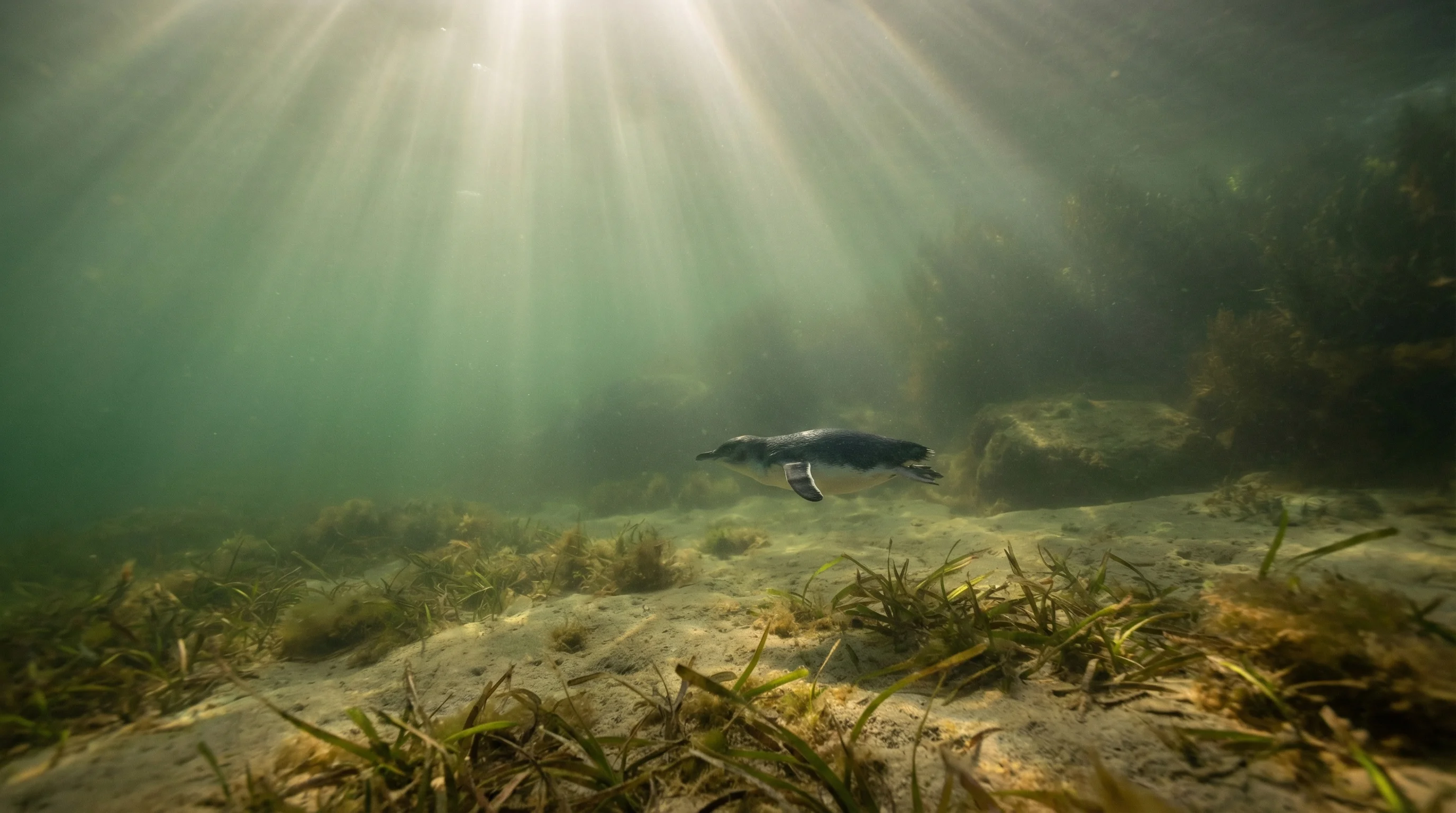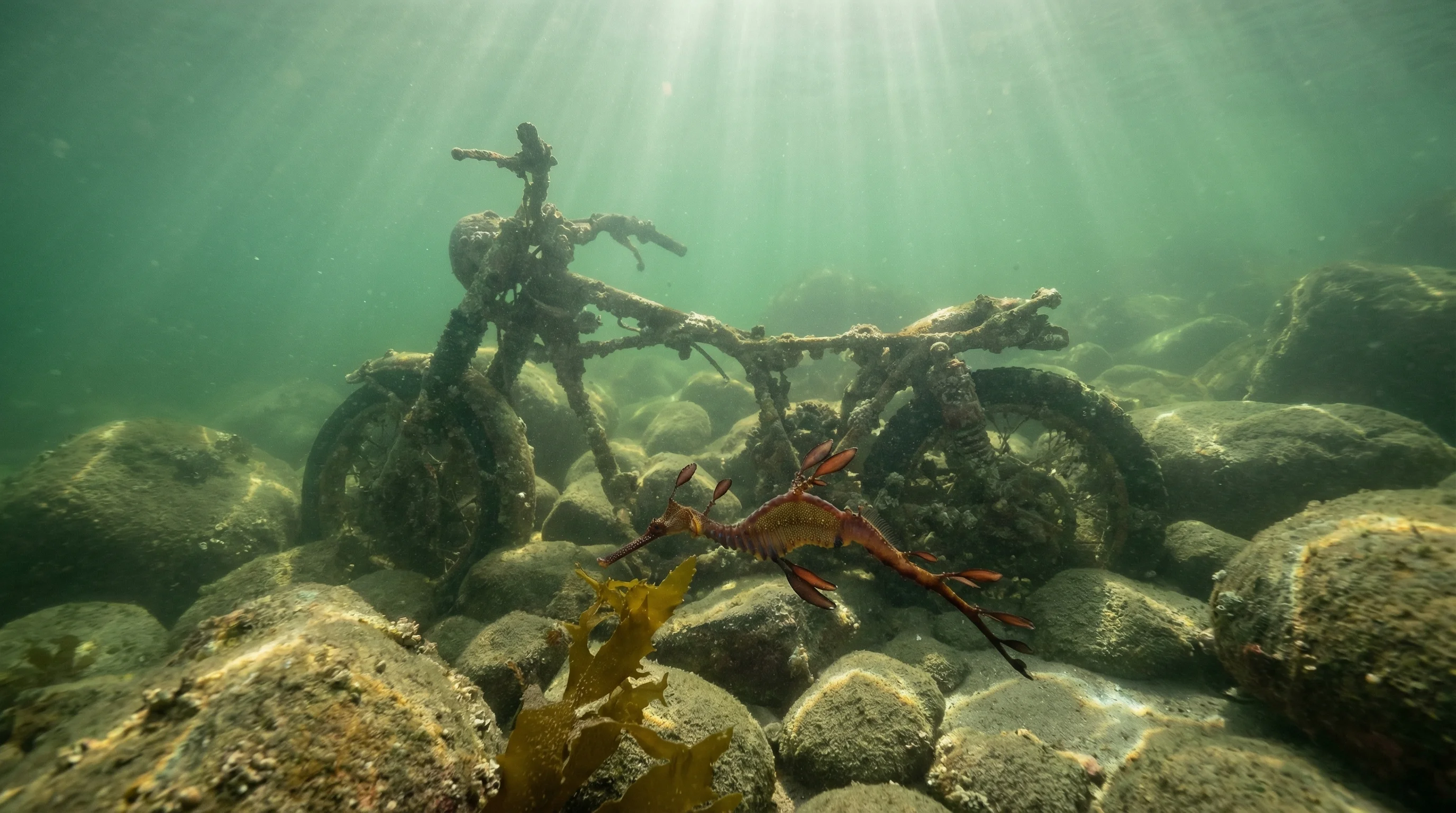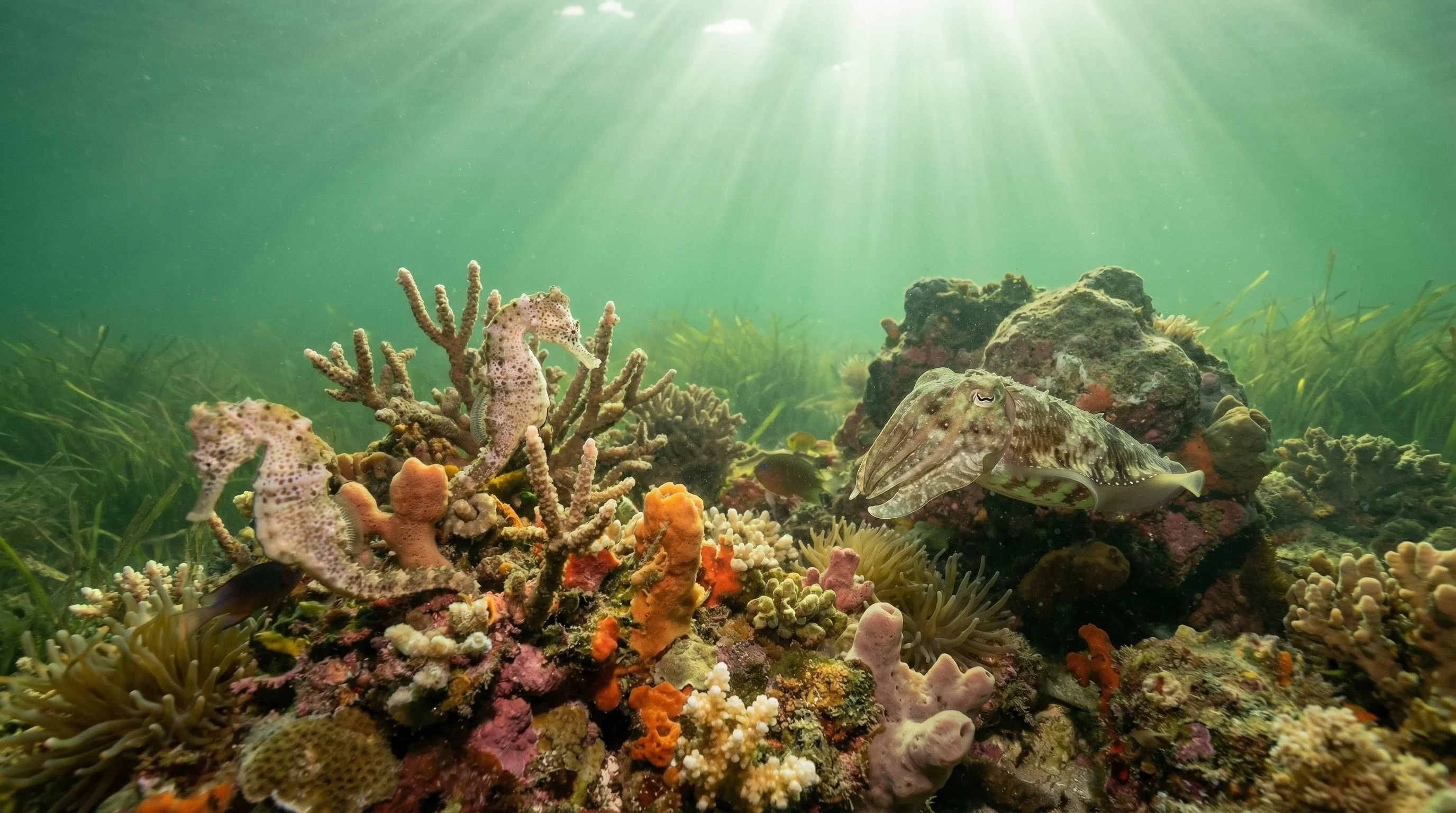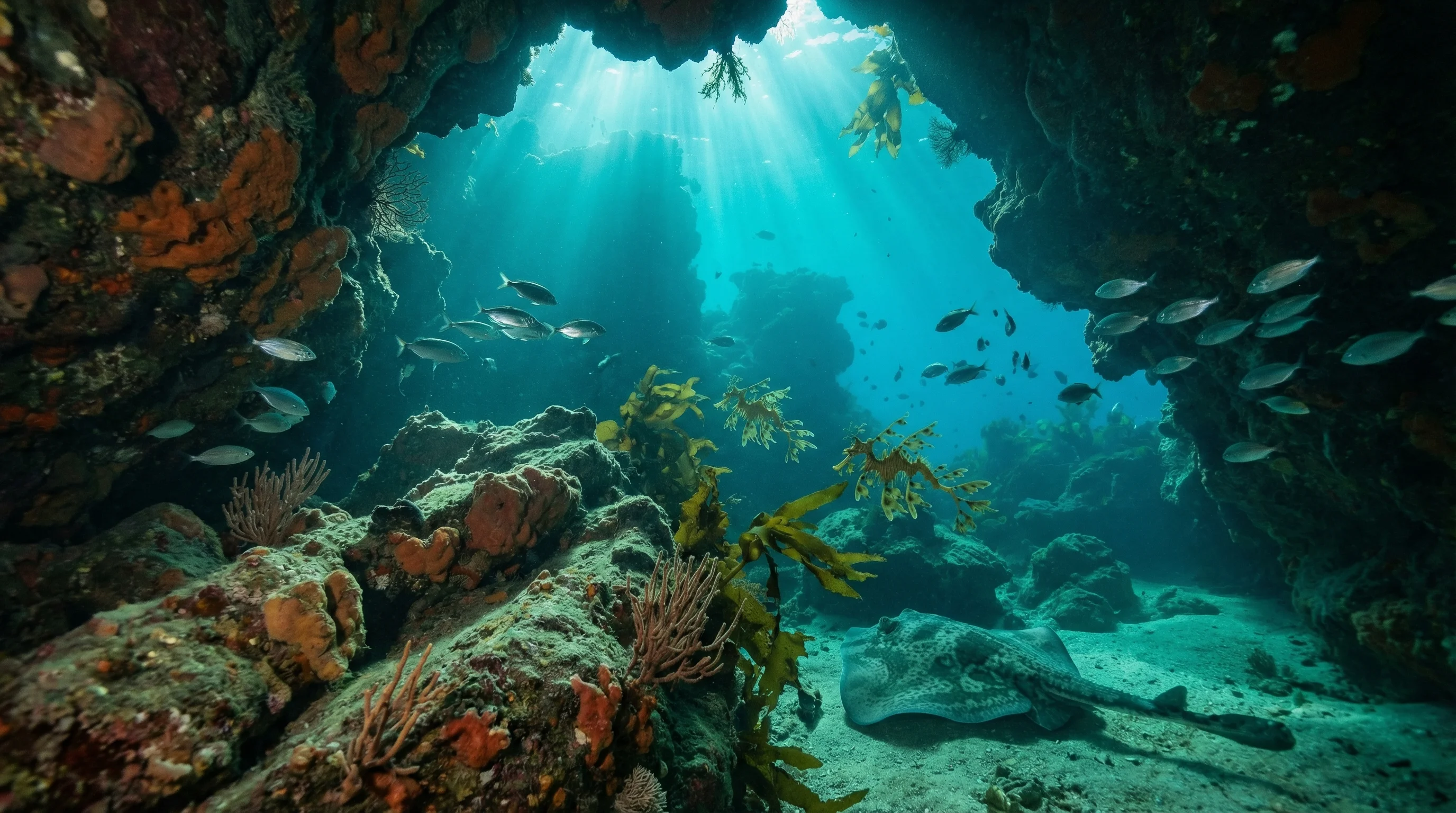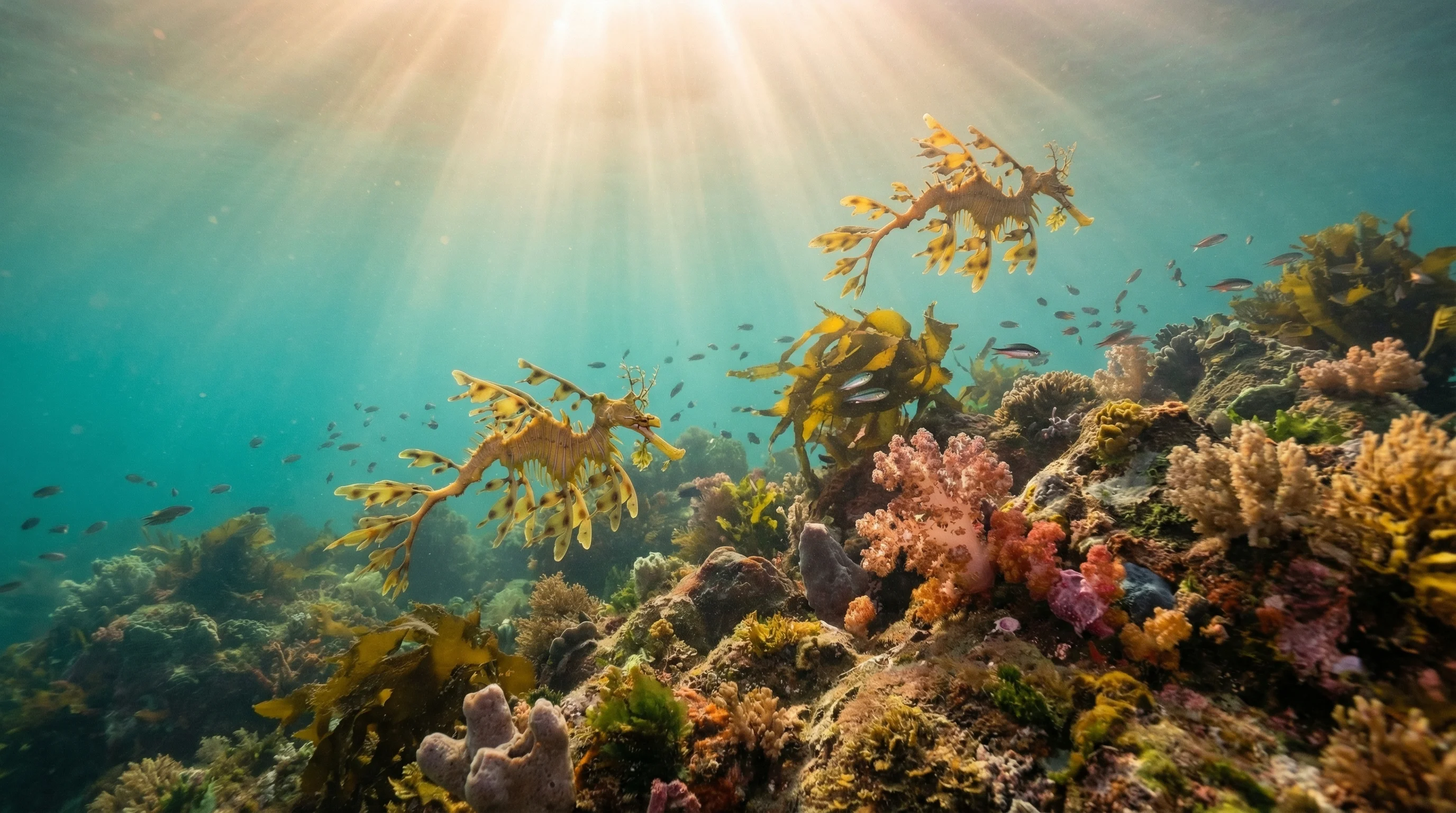
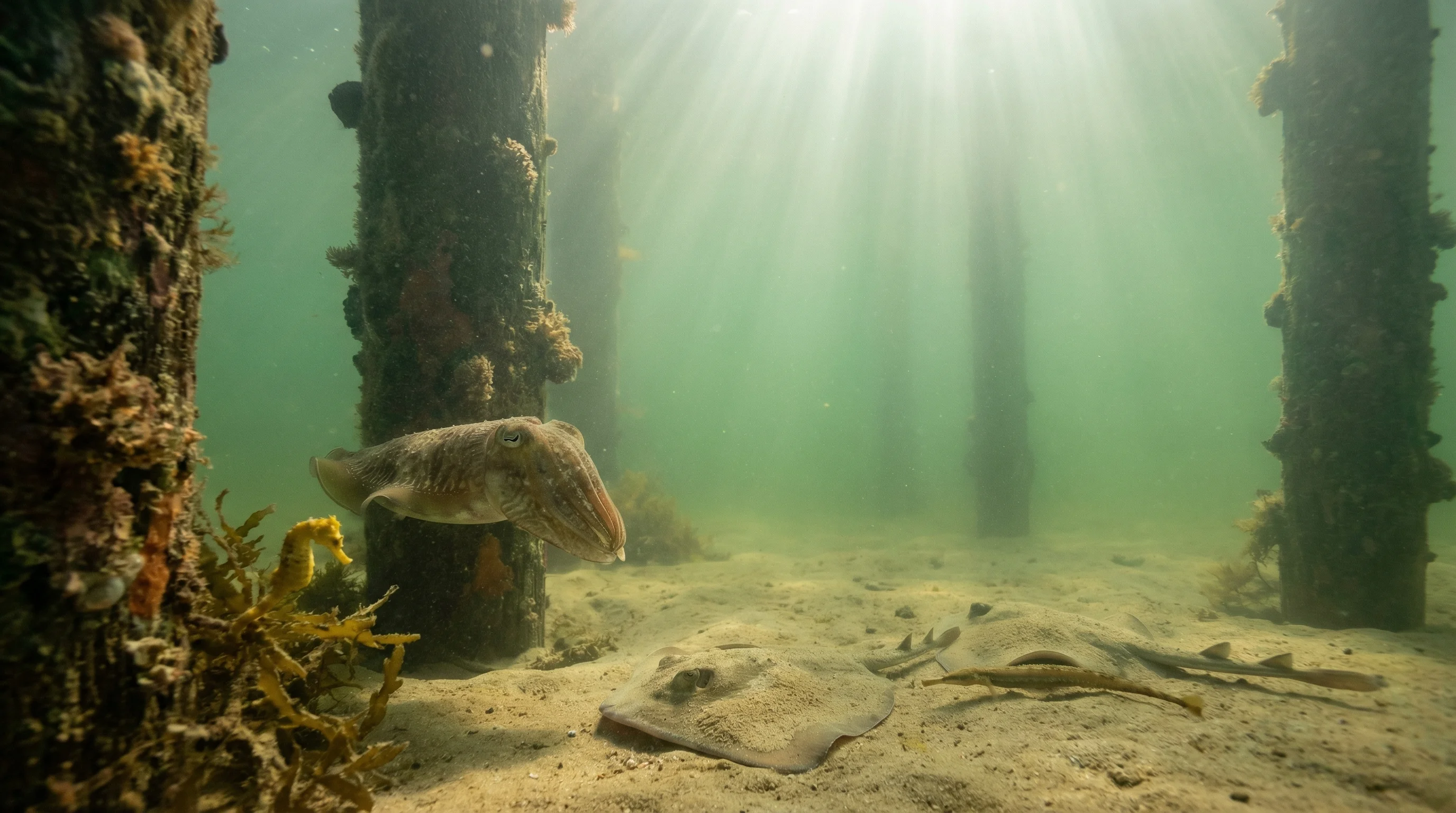
Quarantine Station is a gentle, sheltered dive that suits beginners well. Depths run from 3 to 16 metres, so you can stay shallow and comfortable while you build confidence. Visibility typically ranges from 4 to 10 metres, giving you enough to spot the site's highlights: seahorses and pipefish tucked among the bottom, cuttlefish drifting in open water, stingrays resting on the sand, and old wives moving in loose groups. Lionfish are present and beautiful to look at, but keep a respectful distance as their spines are venomous. Currents are mild, which makes navigation straightforward for newer divers.
-33.81520, 151.28600
Keep an eye out for boat traffic when you surface, as the area sees regular vessel movement. The site dives best from October through May when conditions tend to be at their most settled.
The site is accessed from Quarantine Beach within the Q Station grounds at North Head, Manly. As it is within a National Park, private vehicle access is restricted; visitors may need to walk from a designated parking area or use the Q Station shuttle service.
Being within Sydney Harbour, divers should be aware of boat traffic in the vicinity.
Depth
3-11m
Visibility
5-10m
Skill Level
Beginner
Entry
Shore
Water Temp
17-25°C
Current
Mild
Typical Dive
60 min
Best Time
Jan, Feb, Mar, Apr, May, Oct, Nov, Dec
Quarantine Station in Manly, New South Wales reaches depths from 3 metres to 16 metres, making it an accessible shore dive for beginners. The shallow entry gradually slopes to the maximum depth, allowing divers to control their descent comfortably. This modest depth range also extends bottom time considerably for recreational divers.
Quarantine Station is known for seahorse sightings along with pipefish, which are commonly found amongst the site's underwater structure and marine growth. Divers also regularly encounter stingrays, cuttlefish, firefish, lionfish and old wives during their dives. The site's mild current and moderate visibility of 4 to 10 metres create good conditions for spotting these smaller species.
Quarantine Station is classified as a beginner-level dive site with an Open Water certification required. The shore entry, shallow starting depth of 3 metres, and mild currents make it ideal for newly certified divers building confidence. Visibility ranges from 4 to 10 metres, which is adequate for developing navigation skills.
Boat traffic is the primary hazard at Quarantine Station as the site sits in an active waterway near Manly. Lionfish, which are venomous, are also present at this site and require divers to maintain awareness and avoid contact. Using a surface marker buoy during ascent is recommended due to passing vessels.
The best months for diving Quarantine Station are October through May, covering spring through autumn in New South Wales. Water temperatures during this period range from 17 to 25 degrees Celsius, with the warmest conditions from December to March. The extended season allows for comfortable diving across eight months of the year.
Quarantine Station is accessed via shore entry from Manly, eliminating the need for boat charter. The site offers convenient facilities including parking, toilets and a cafe for pre- and post-dive amenities. There is no entry fee to dive this site.
Night diving is permitted at Quarantine Station, offering opportunities to observe different marine behaviour after dark. The site's beginner-friendly layout and shore access make it suitable for those building night diving experience. Divers should exercise extra caution regarding boat traffic when surfacing at night.
Diving at Quarantine Station in Manly requires the following certifications: Open Water. Always dive within your training limits.
Yes, equipment rental is available at or near Quarantine Station in Manly. Contact local dive operators for specific gear availability and prices.
A 5mm wetsuit is recommended for diving at Quarantine Station in Manly. Water temperatures range from 17°C to 25°C.