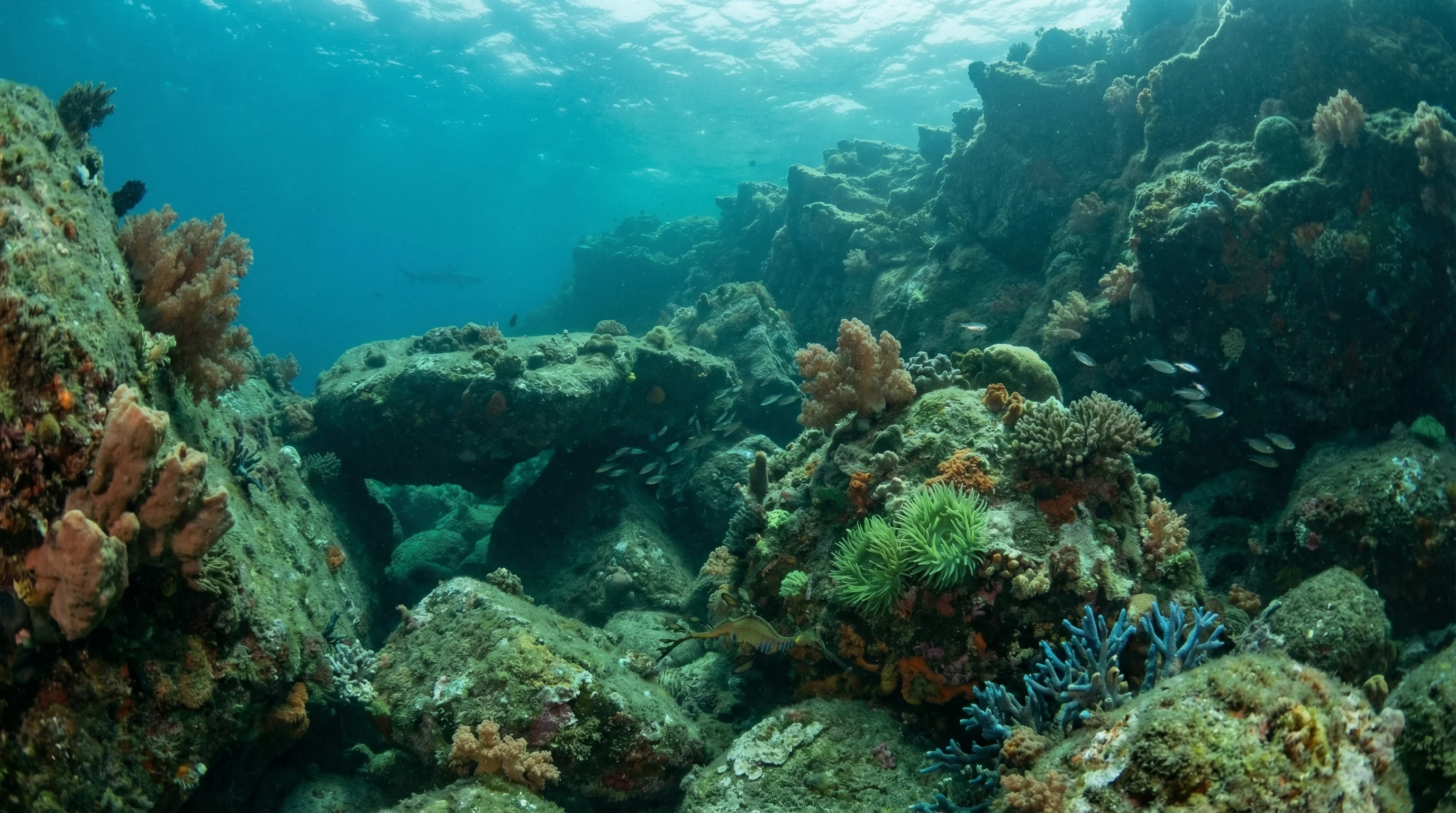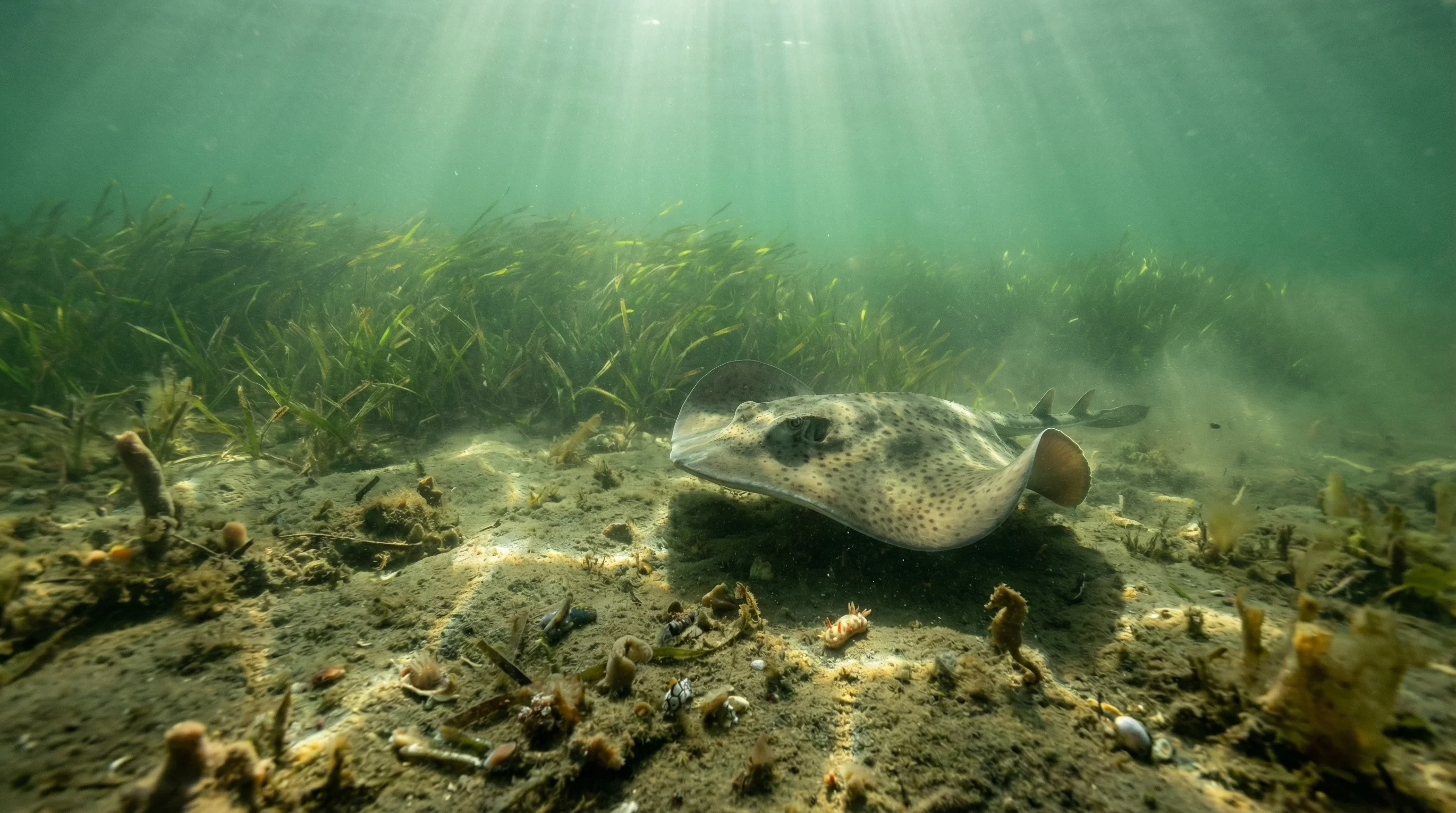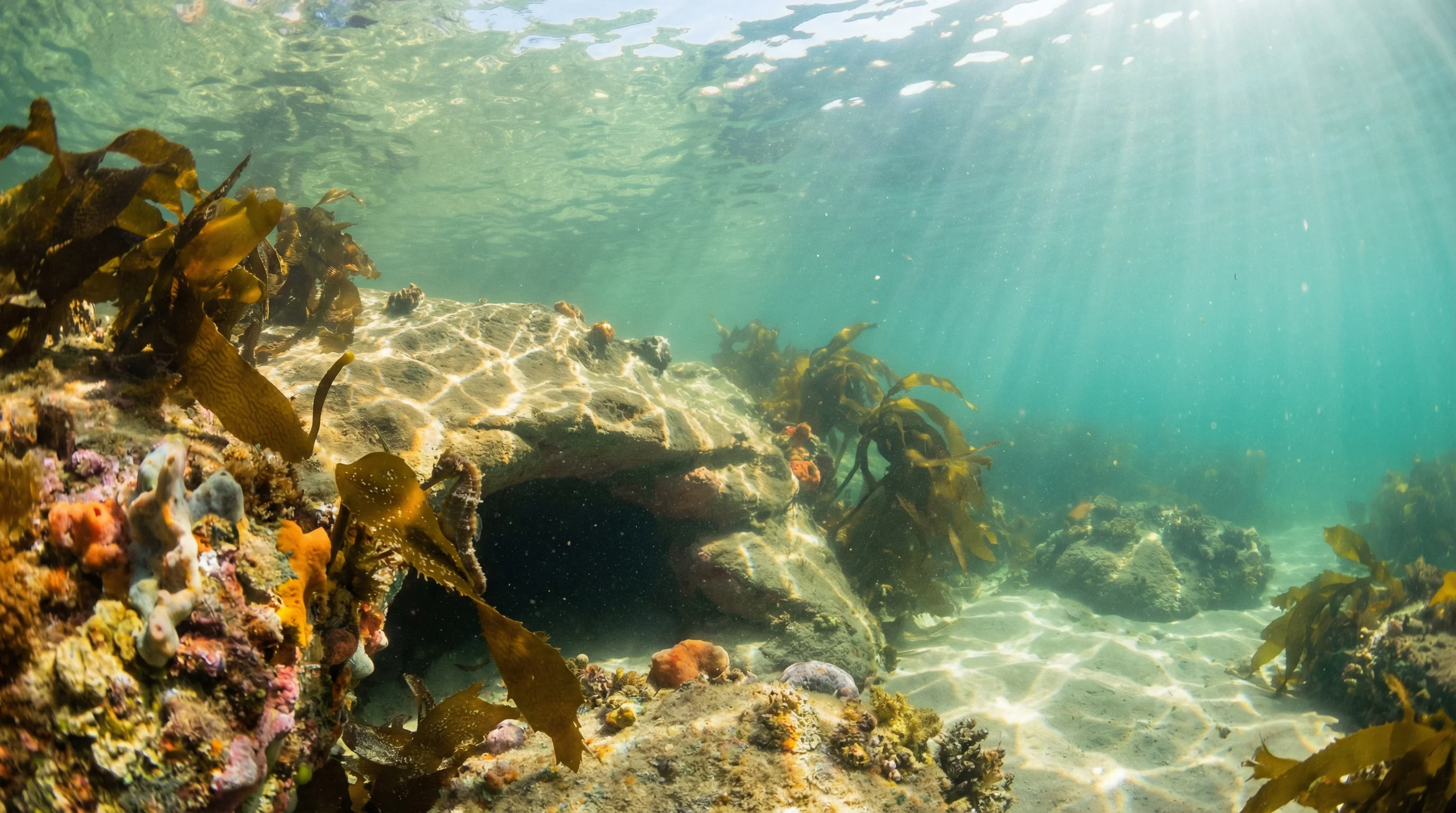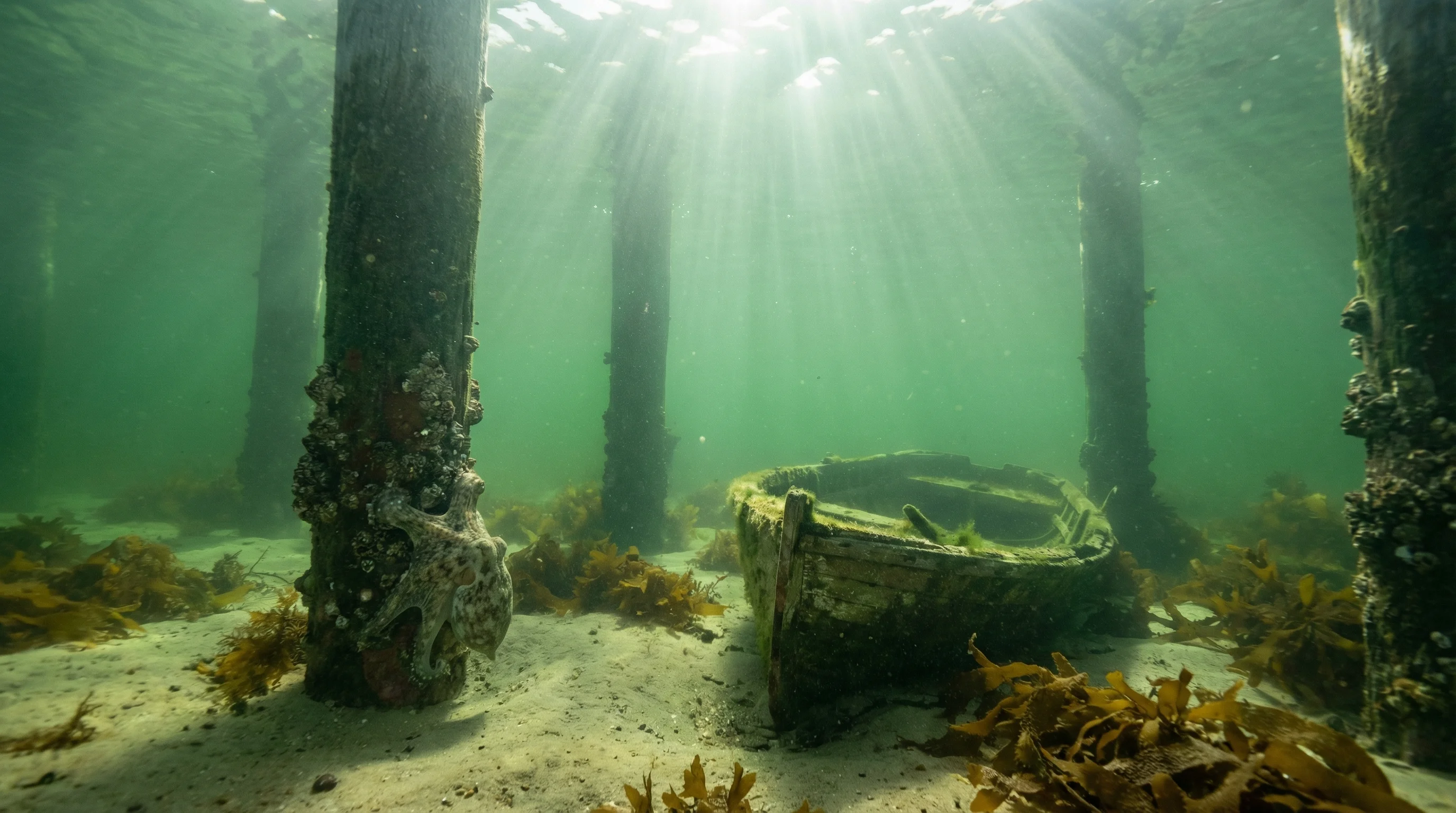
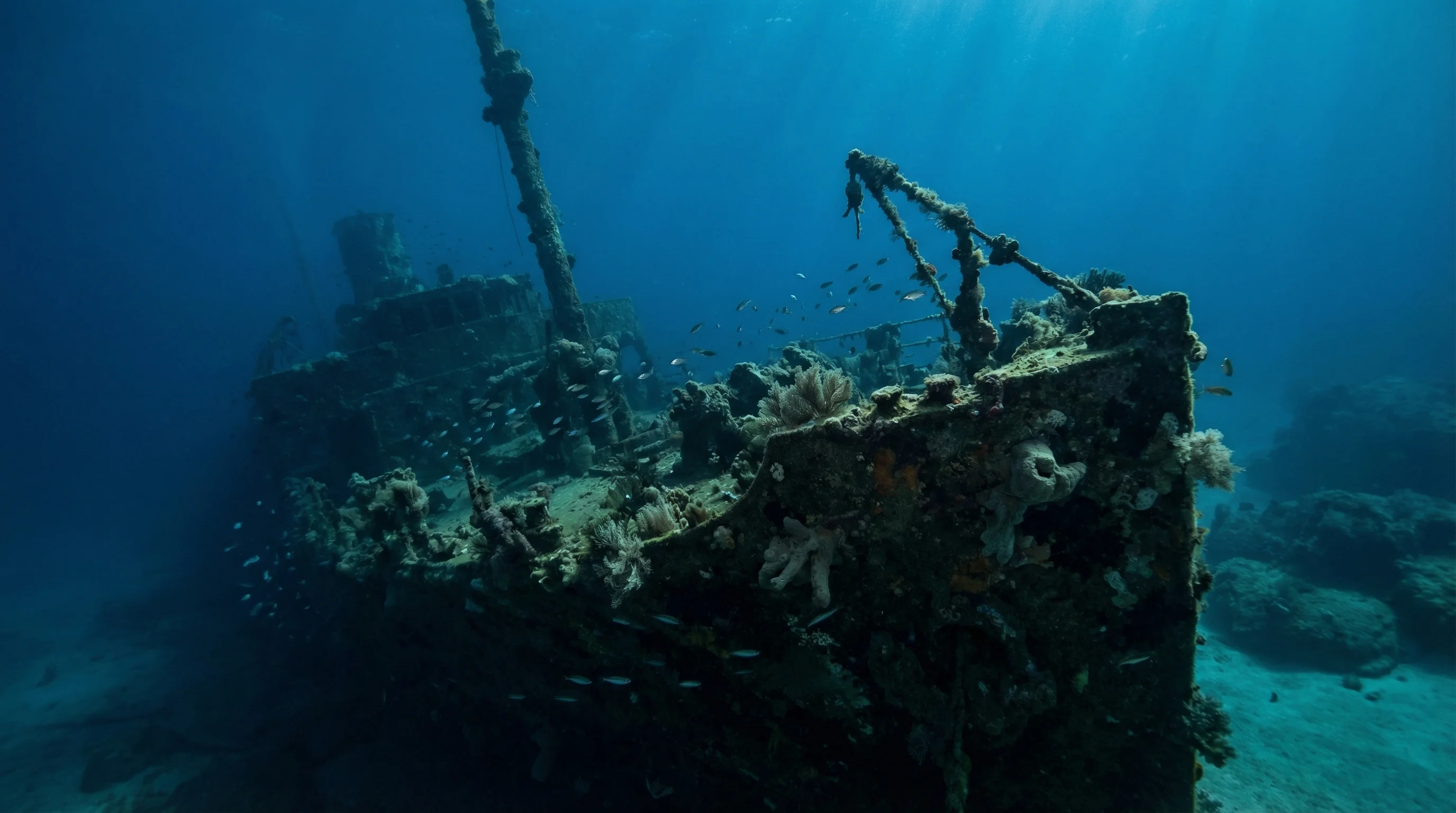
The T.S.S. Currajong sits on the bottom off New South Wales, offering advanced divers a wreck penetration experience in conditions that demand respect and preparation. The site reaches 26 metres at its deepest points, with visibility ranging from near zero to around 10 metres depending on conditions, so a torch is not optional. The overhead environment means divers need solid buoyancy control and a clear plan before dropping in. Boat traffic adds another layer of awareness at the surface. Various reef species have colonised the structure over time, rewarding those who take their time to look closely. January and February offer the best seasonal window.
-33.85508, 151.24892
Visibility can shift significantly depending on recent weather and swell, so check conditions before committing to penetration. Carry at minimum one primary and one backup light given the overhead environment.
Access info coming soon
Be aware of strong currents and boat traffic near the surface. When entering the wreck, watch your depth and practice good buoyancy control. Shuffle your feet in the sand to avoid stirring up silt, which can reduce visibility.
Depth
18-27m
Visibility
0-10m
Skill Level
Advanced
Entry
Shore & Boat
Boat required
Current
Strong
Typical Dive
40 min
Best Time
Jan, Feb
The T.S.S. Currajong in Sydney, New South Wales requires advanced diving skills. The wreck sits at depths between 18 and 26 metres, presenting challenges that are unsuitable for novice divers. The site's deep depth, variable visibility, and overhead environment within the wreck structure demand experienced dive skills and proper training.
The T.S.S. Currajong wreck lies at depths ranging from 18 to 26 metres below the surface off Sydney. This depth range places the wreck firmly in advanced diving territory, requiring careful dive planning and appropriate gas management. The maximum depth of 26 metres approaches recreational diving limits for many certification levels.
Divers at the T.S.S. Currajong near Sydney face three primary hazards: boat traffic in the area, overhead environments within the wreck structure, and the deep depth of 18 to 26 metres. The overhead environment is particularly concerning as penetrating the wreck requires specific training and can disorient divers. Boat traffic above the dive site necessitates proper surface marker deployment and awareness during ascent and descent.
The optimal months for diving the T.S.S. Currajong in New South Wales are January and February. These summer months typically offer the best diving conditions for this Sydney wreck site. Weather patterns and sea conditions during this period provide more reliable access to the site.
The T.S.S. Currajong is accessed exclusively by boat from Sydney. No shore entry is possible for this offshore wreck site. Divers must arrange transport with local dive operators who know the wreck's location and can navigate safely to the site.
Diving at T.S.S. Currajong in Sydney requires the following certifications: Advanced, Wreck. Always dive within your training limits.
T.S.S. Currajong in Sydney is home to Sponge, Leatherjacket, Nudibranch, Bullseye, Sea Stars, and Yellowtail Kingfish. Marine life sightings vary by season and conditions.
T.S.S. Currajong in Sydney has depths ranging from 18 metres to 27 metres.
A typical dive at T.S.S. Currajong in Sydney lasts approximately 40 minutes. Actual dive time depends on depth, air consumption, and conditions.
Yes, night diving is available at T.S.S. Currajong in Sydney. Night dives often reveal different marine life including nocturnal creatures. Always dive with proper lighting and a buddy.