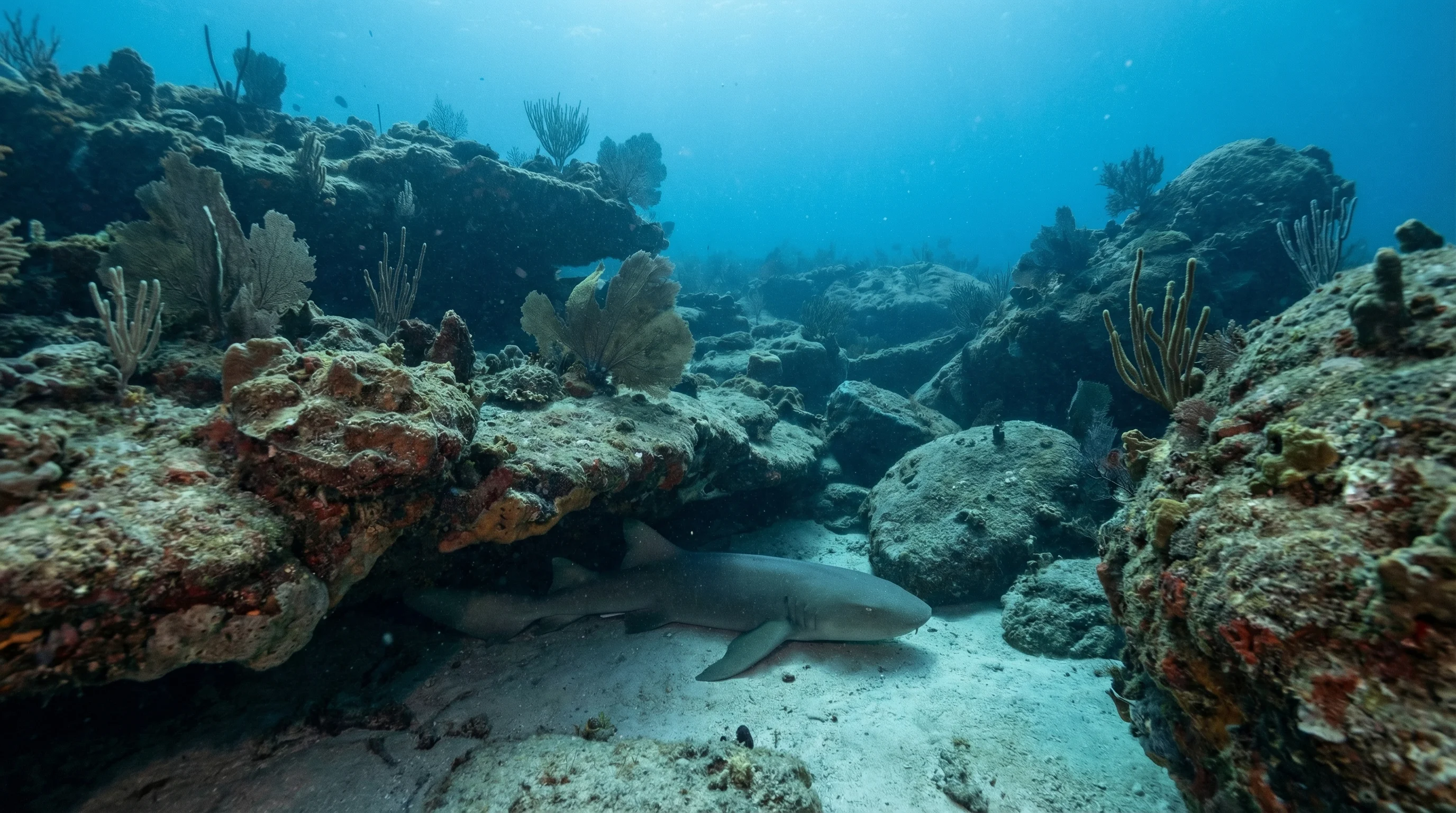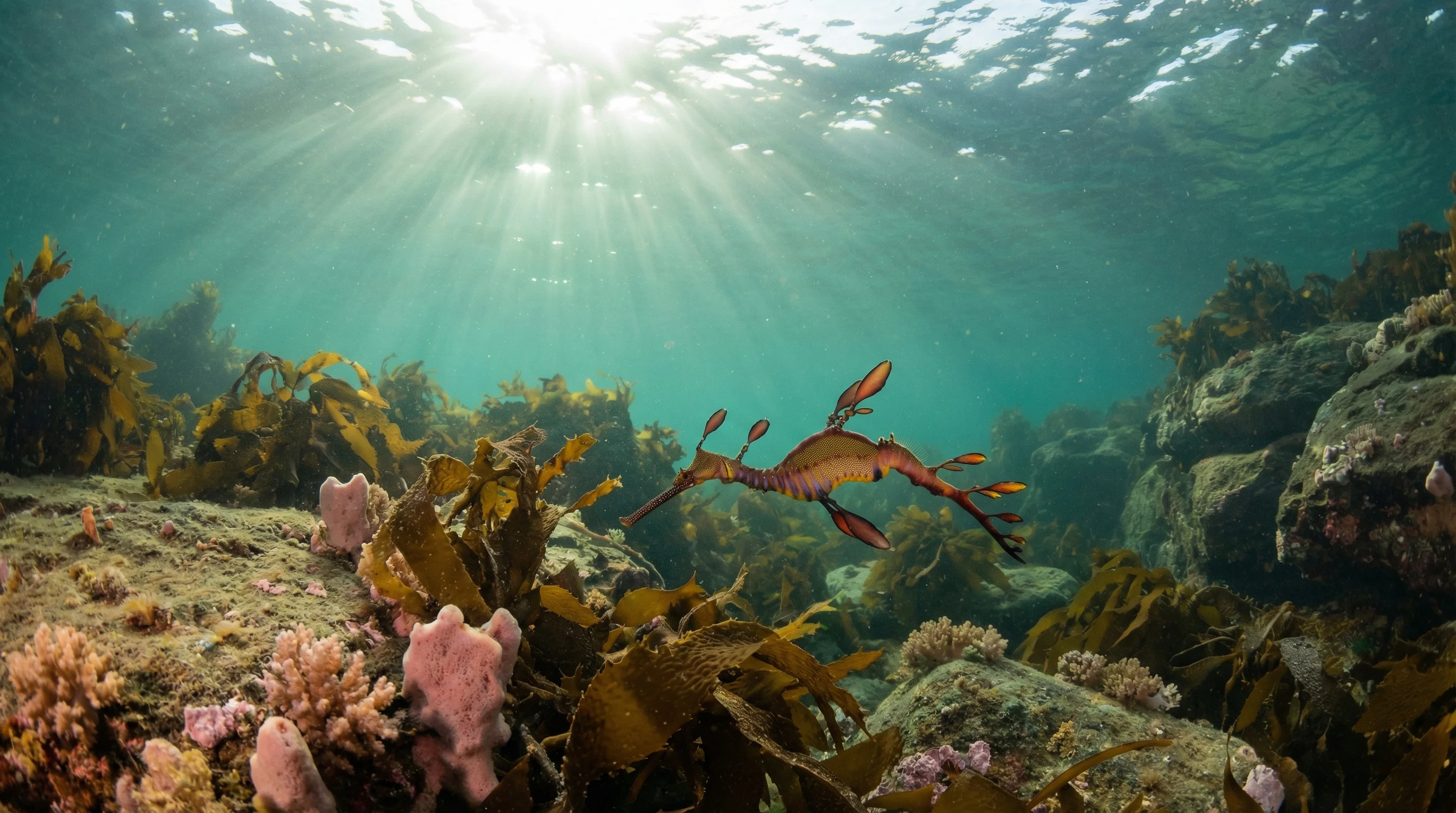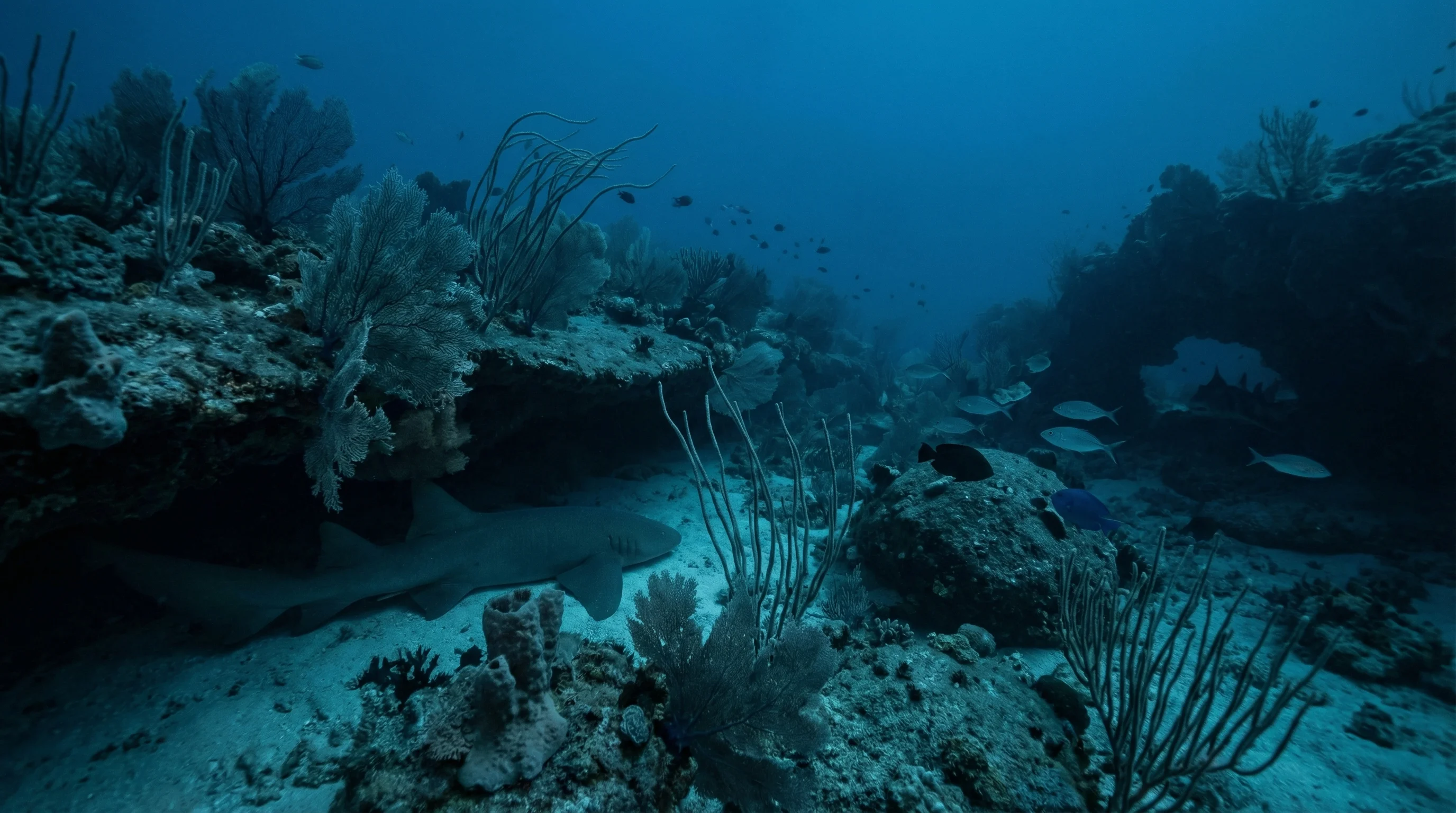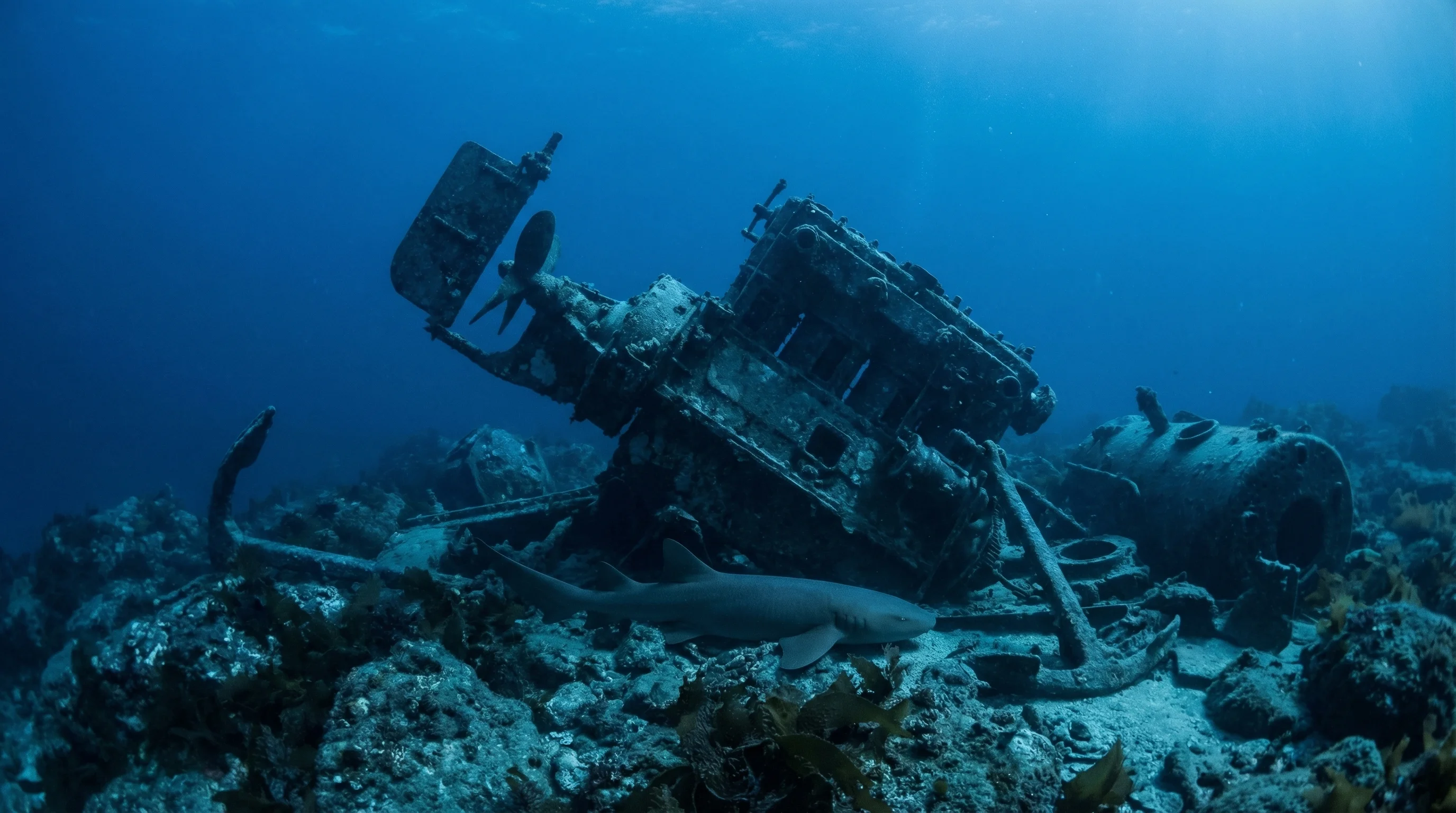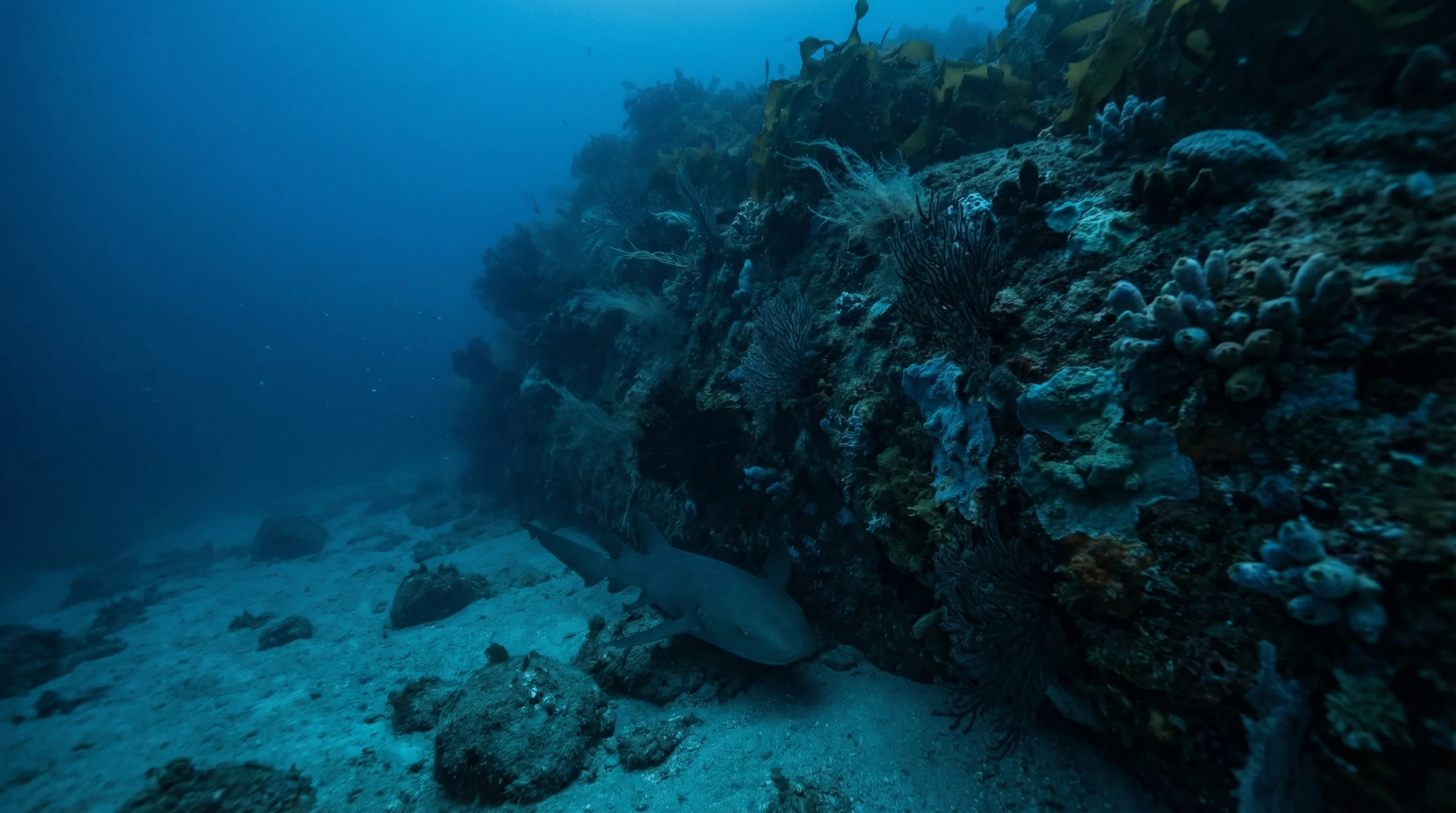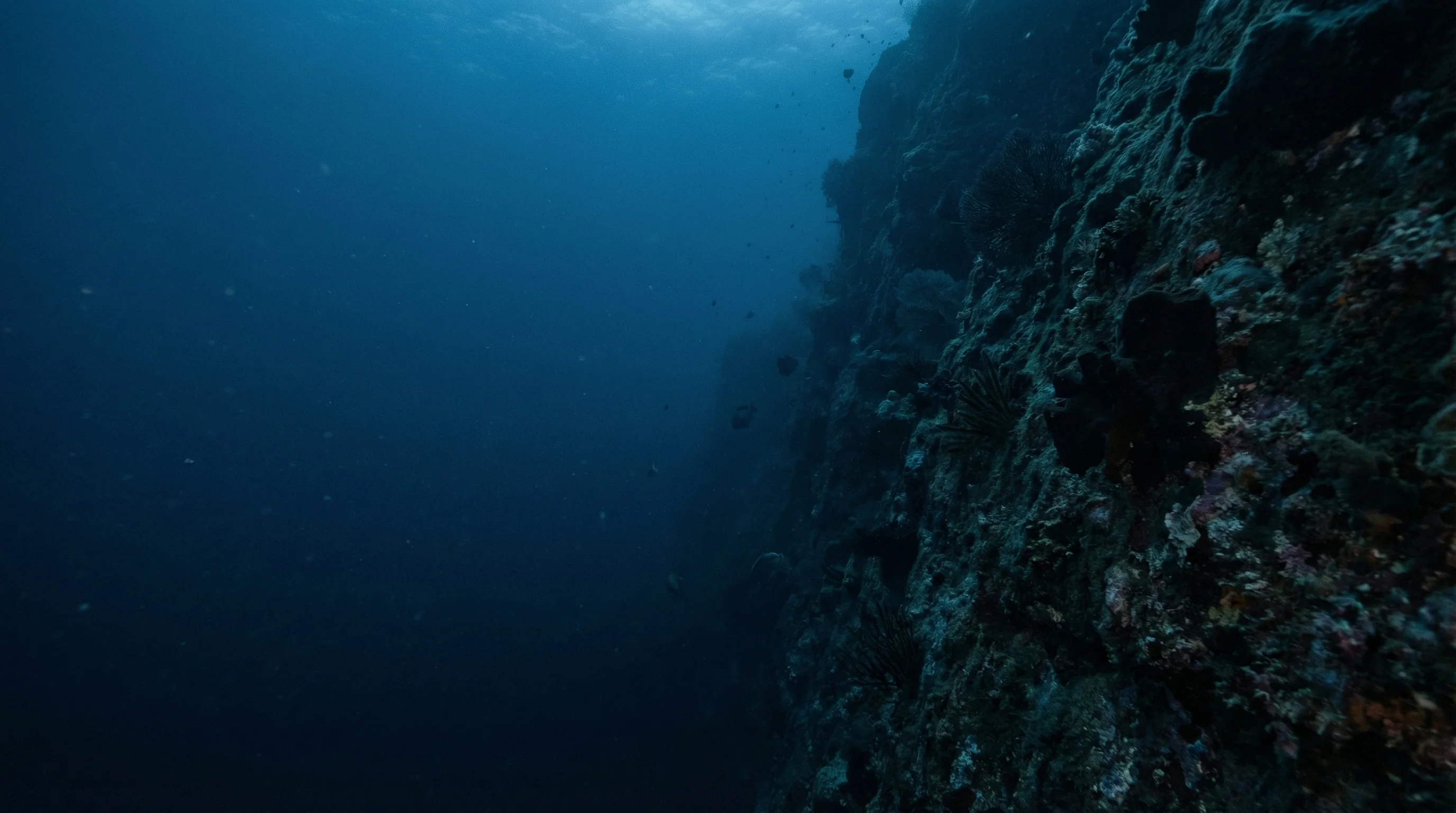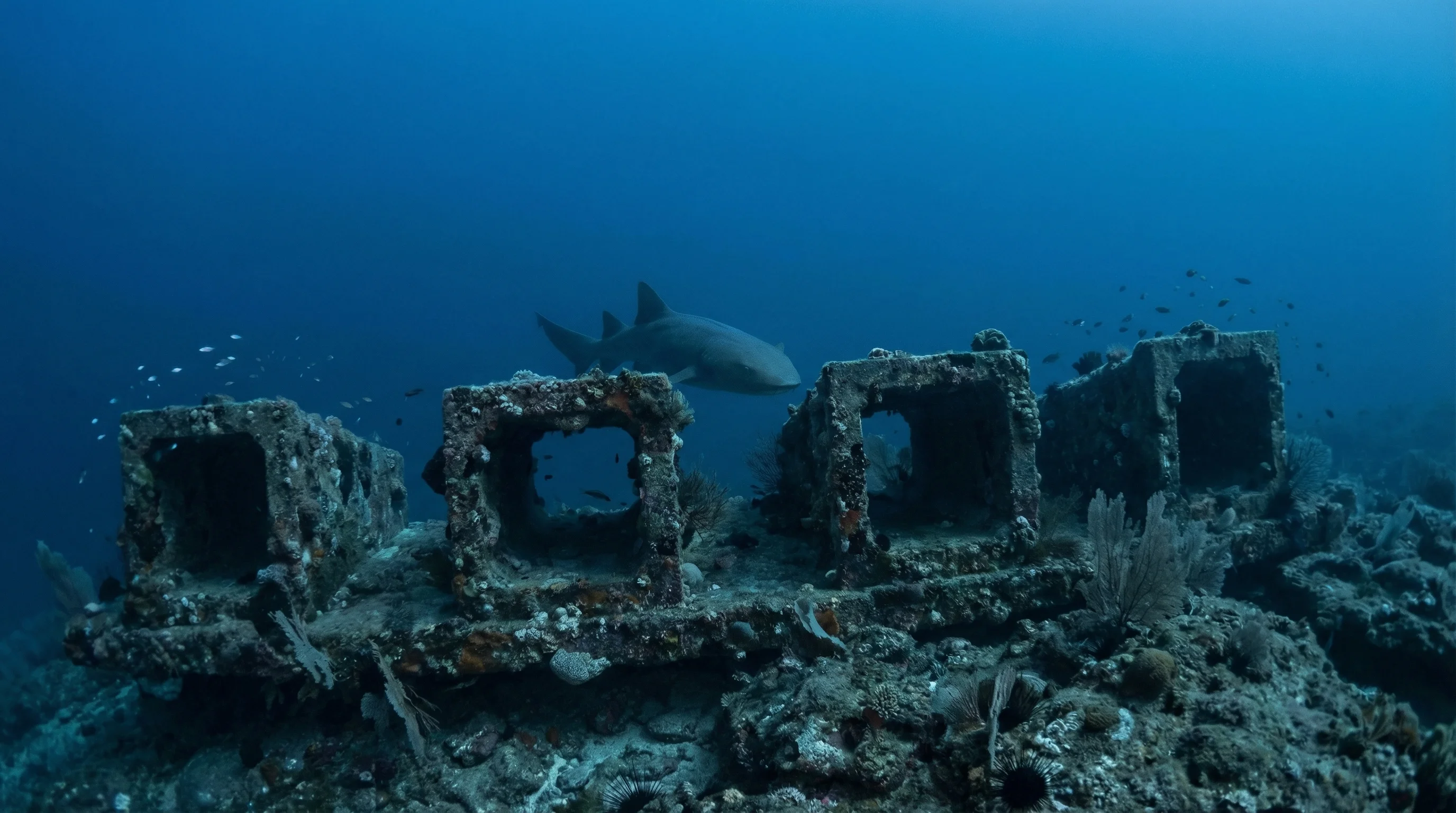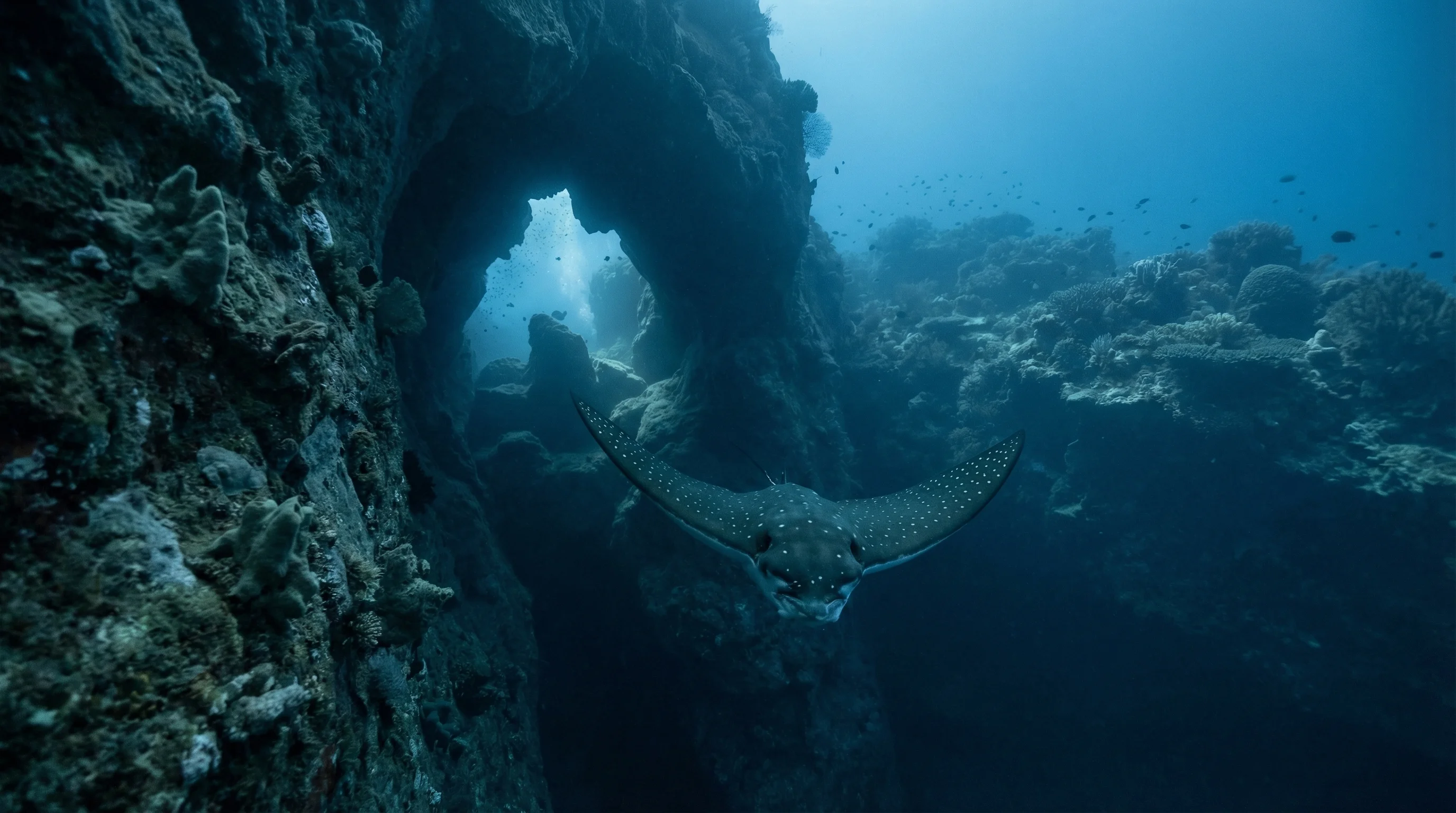
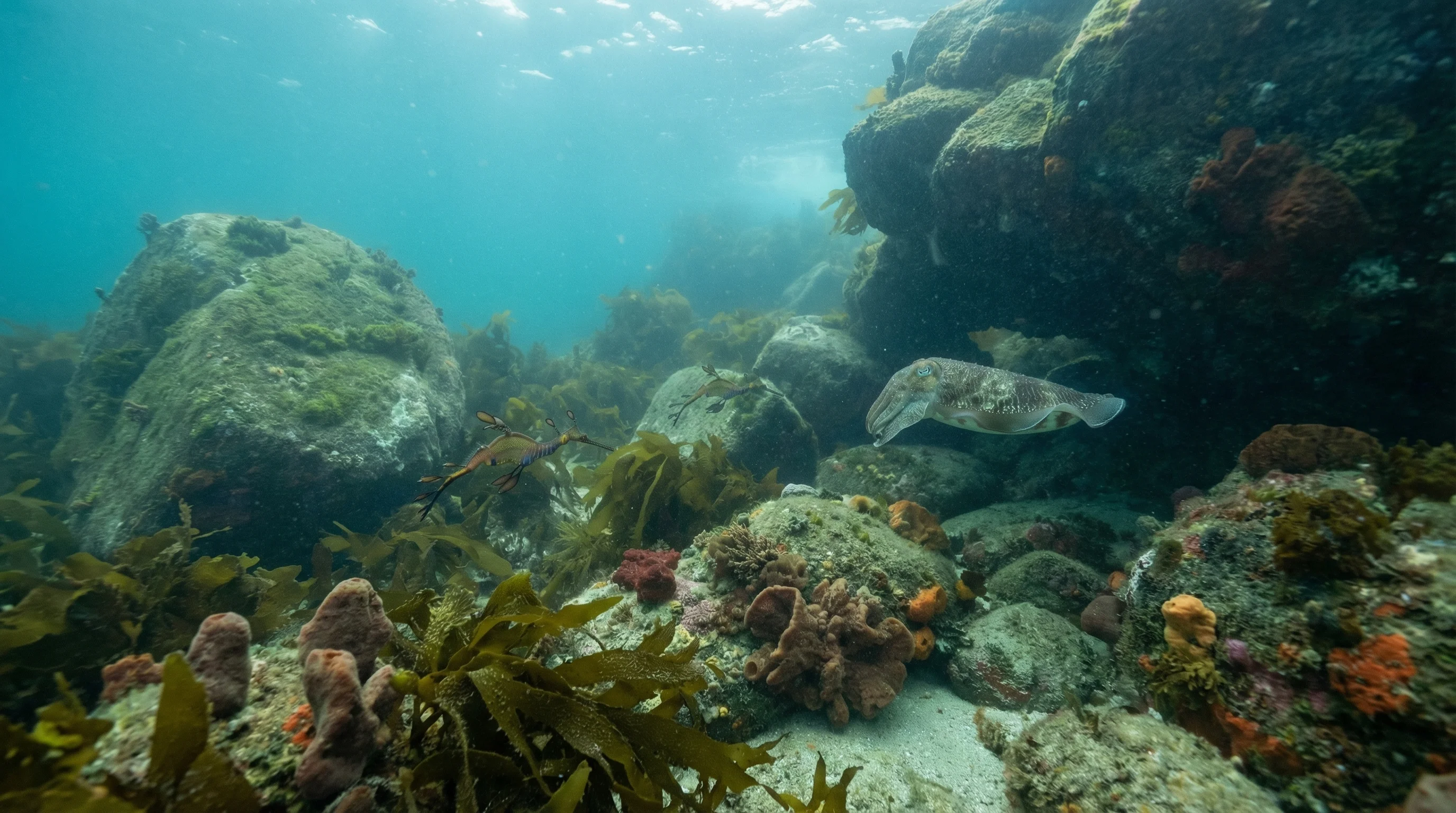
Whale Of A Time is a shore entry reef dive in New South Wales sitting at 18 to 22 metres, with visibility swinging between 5 and 25 metres depending on conditions. Moderate to strong current and surf entry demand solid buoyancy control and situational awareness, and decompression management is a real consideration at depth. The reef rewards methodical divers who slow down and look closely. Weedy seadragons and pygmy pipehorses are among the standout finds, alongside anglerfish, nudibranch, and octopus. Giant cuttlefish, moray eels, blue groper, eagle rays, and Port Jackson sharks round out a genuinely varied temperate assemblage.
-34.03970, 151.21160
April through October brings the best conditions and aligns with Port Jackson shark season, so time your dive accordingly. Check the swell forecast carefully before committing to the shore entry, as surf can make getting in and out the most demanding part of the dive.
The site is accessed through Kamay Botany Bay National Park. An entry fee is required for the park. Follow the road towards Cape Solander.
This is an advanced dive exposed to the open ocean. Swell and surge can be an issue.
Depth
4-22m
Visibility
5-20m
Skill Level
Intermediate
Entry
Shore
Water Temp
13-22°C
Current
Moderate
Typical Dive
60 min
Best Time
Apr, May, Jun, Jul, Aug, Sep, Oct
Whale Of A Time in Sydney, New South Wales requires an Advanced Open Water certification and deep diving speciality due to its depth range of 18 to 22 metres. This shore dive presents additional challenges including moderate currents and surf conditions that demand experienced dive skills. The combination of depth, current and entry conditions makes this strictly an advanced-level dive site.
Whale Of A Time near Sydney is renowned for weedy seadragons, giant cuttlefish and blue groper amongst its resident species. Divers regularly encounter Port Jackson sharks, octopus, moray eels and eagle rays patrolling the site. The diverse marine environment also supports numerous nudibranch species across the 18 to 22 metre depth range.
The optimal months for diving Whale Of A Time are April through October, spanning the Australian autumn, winter and early spring. During these seven months, conditions are most favourable for this advanced shore dive in New South Wales. Water temperatures range from 13 to 22 degrees Celsius throughout the diving season.
Whale Of A Time is accessed via shore entry near Sydney, New South Wales, with parking facilities available at the site. No boat is required, though divers must navigate surf conditions during entry and exit. The shore access combined with moderate currents and surf hazards requires careful timing and advanced water entry skills.
Visibility at Whale Of A Time ranges from 5 to 25 metres depending on weather, swell and seasonal conditions. The site experiences moderate currents which can affect water clarity, particularly after storms or during periods of increased surge. Best visibility typically occurs during the calmer months between April and October.
Whale Of A Time presents multiple hazards including strong currents, challenging surf conditions during entry and exit, and depths requiring decompression management. The 18 to 22 metre depth range demands careful dive planning and gas management for advanced divers. Surface conditions can change rapidly, making this a technically demanding shore dive requiring excellent situational awareness.
Whale Of A Time near Sydney has no entry fee, making it a cost-effective advanced diving destination. Parking facilities are provided at the shore access point without additional charges. Divers only need to cover their own equipment, fills and transport costs.
The Steps in Sydney is best suited for divers with some experience. You should be comfortable with your buoyancy and have logged at least 10 to 20 dives.
A 7mm wetsuit or semi-dry is recommended for diving at The Steps in Sydney. Water temperatures range from 13°C to 22°C.
The Steps in Sydney has depths ranging from 4 metres to 22 metres.
A typical dive at The Steps in Sydney lasts approximately 60 minutes. Actual dive time depends on depth, air consumption, and conditions.