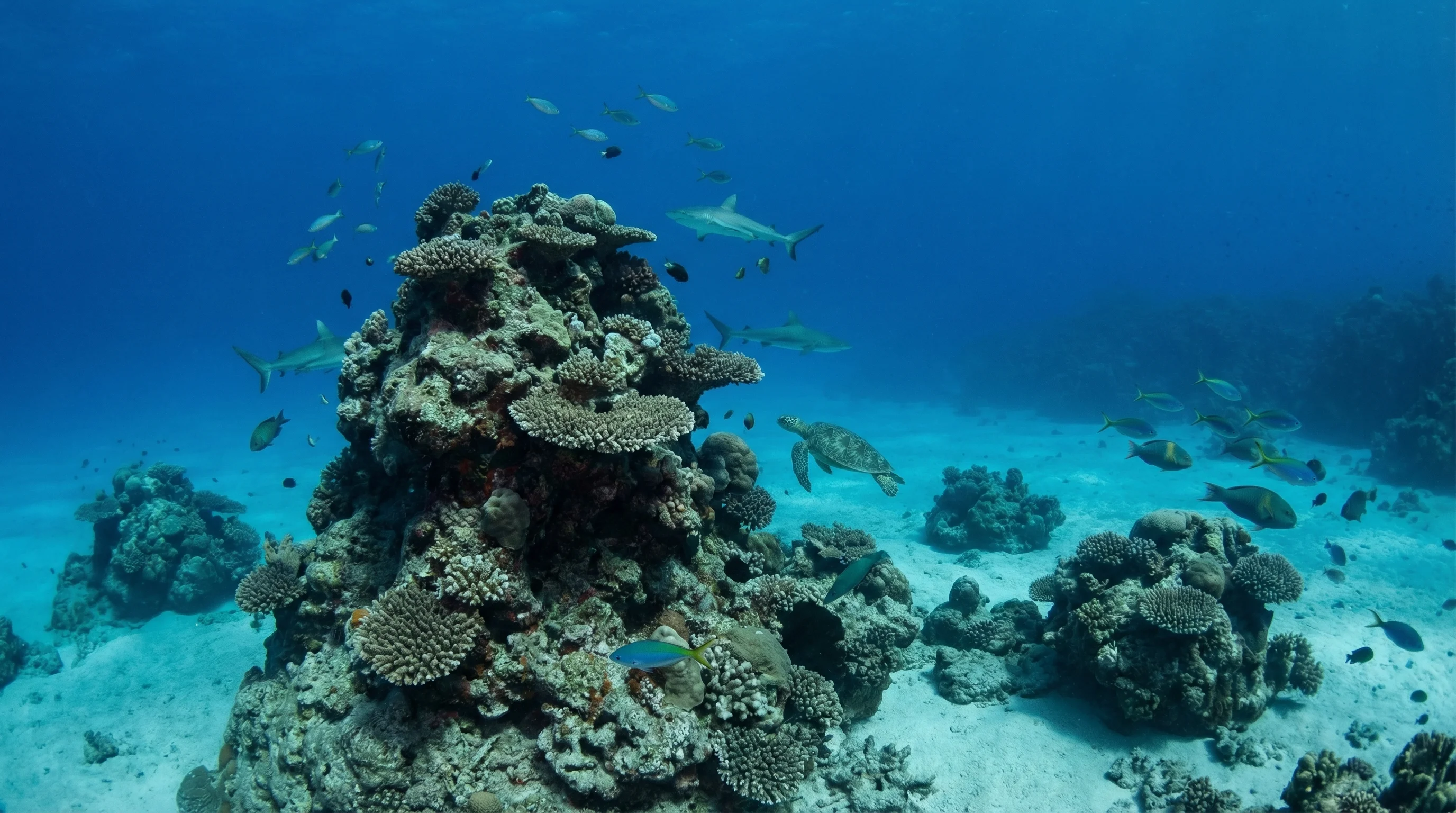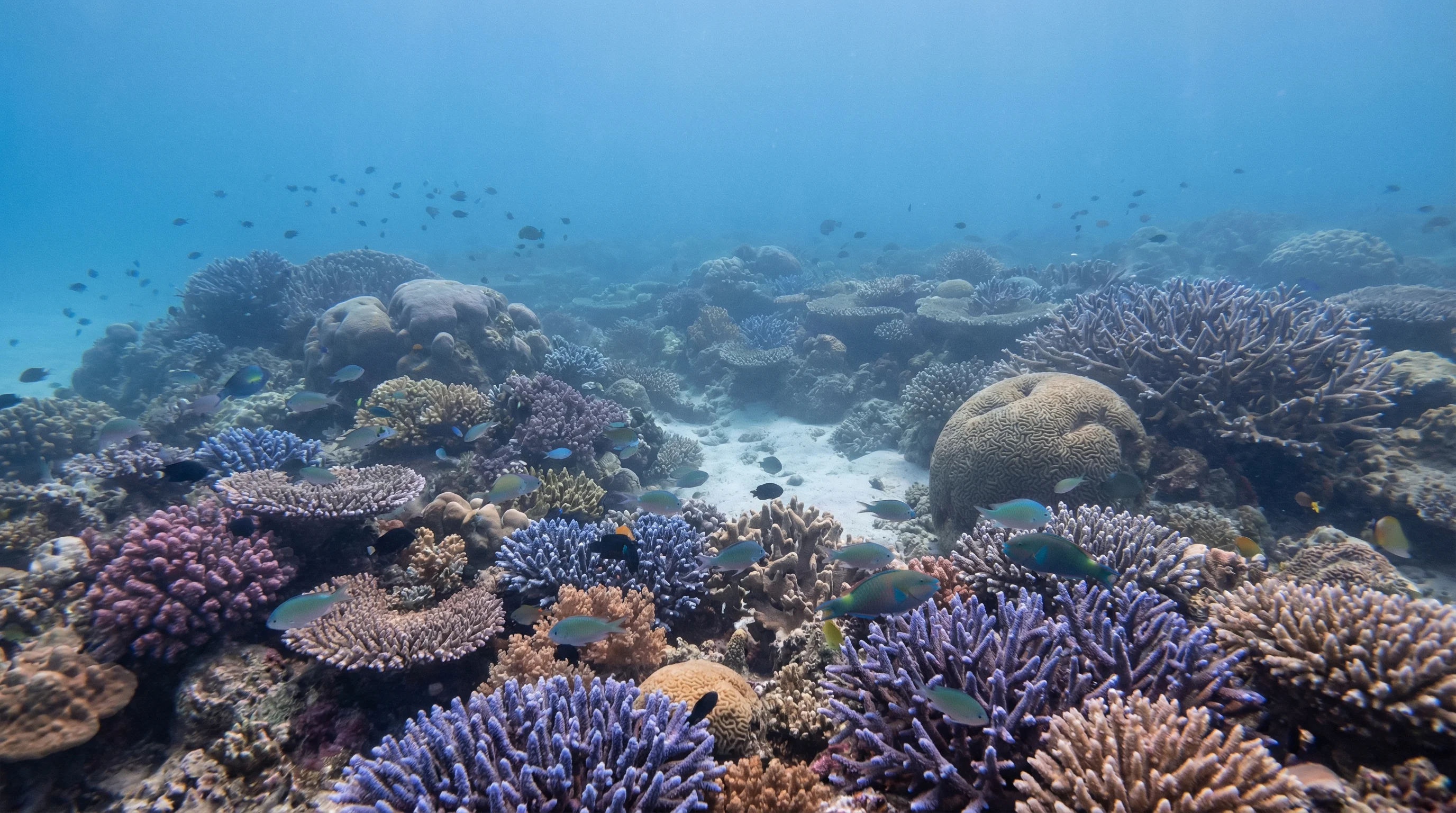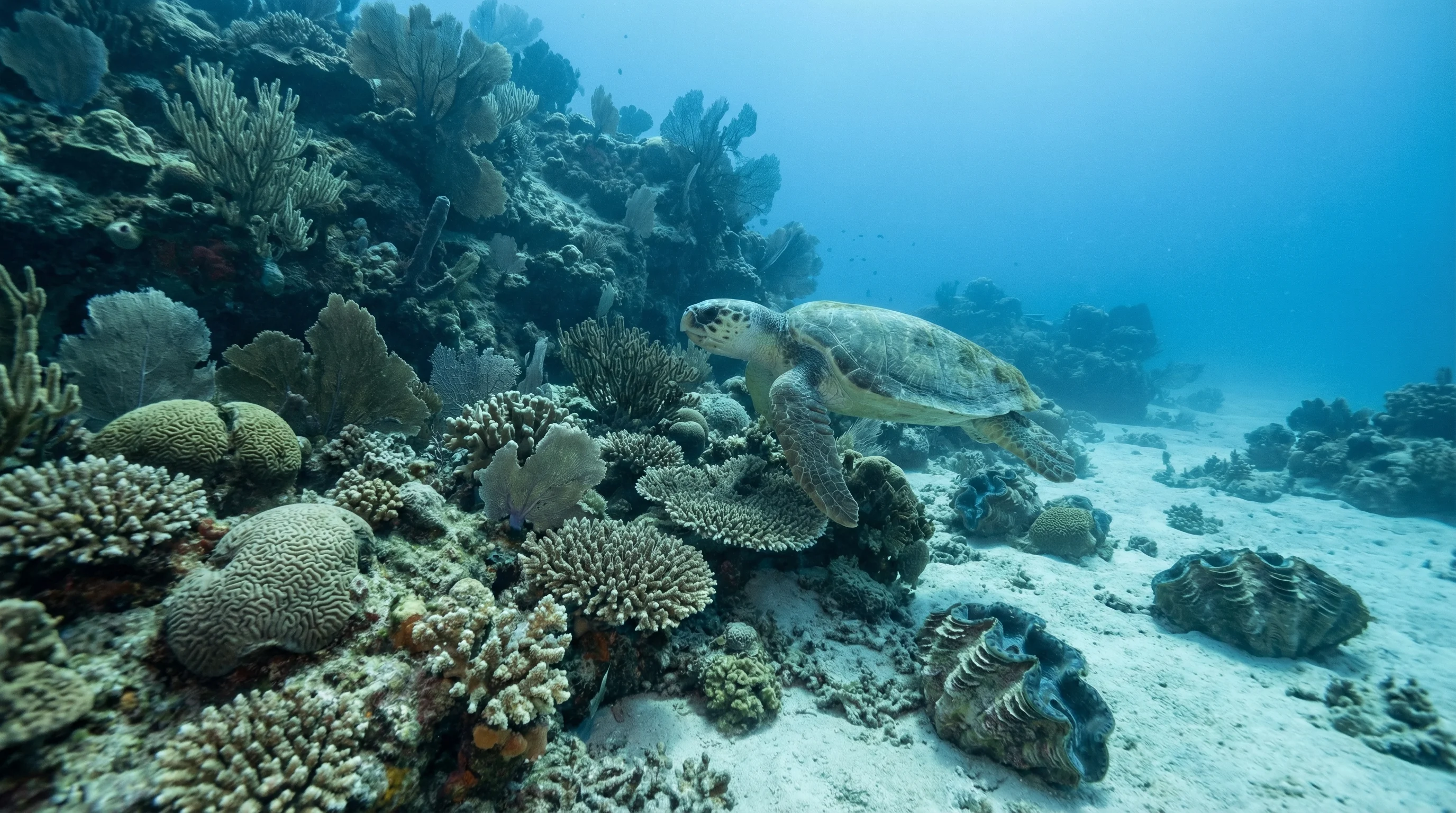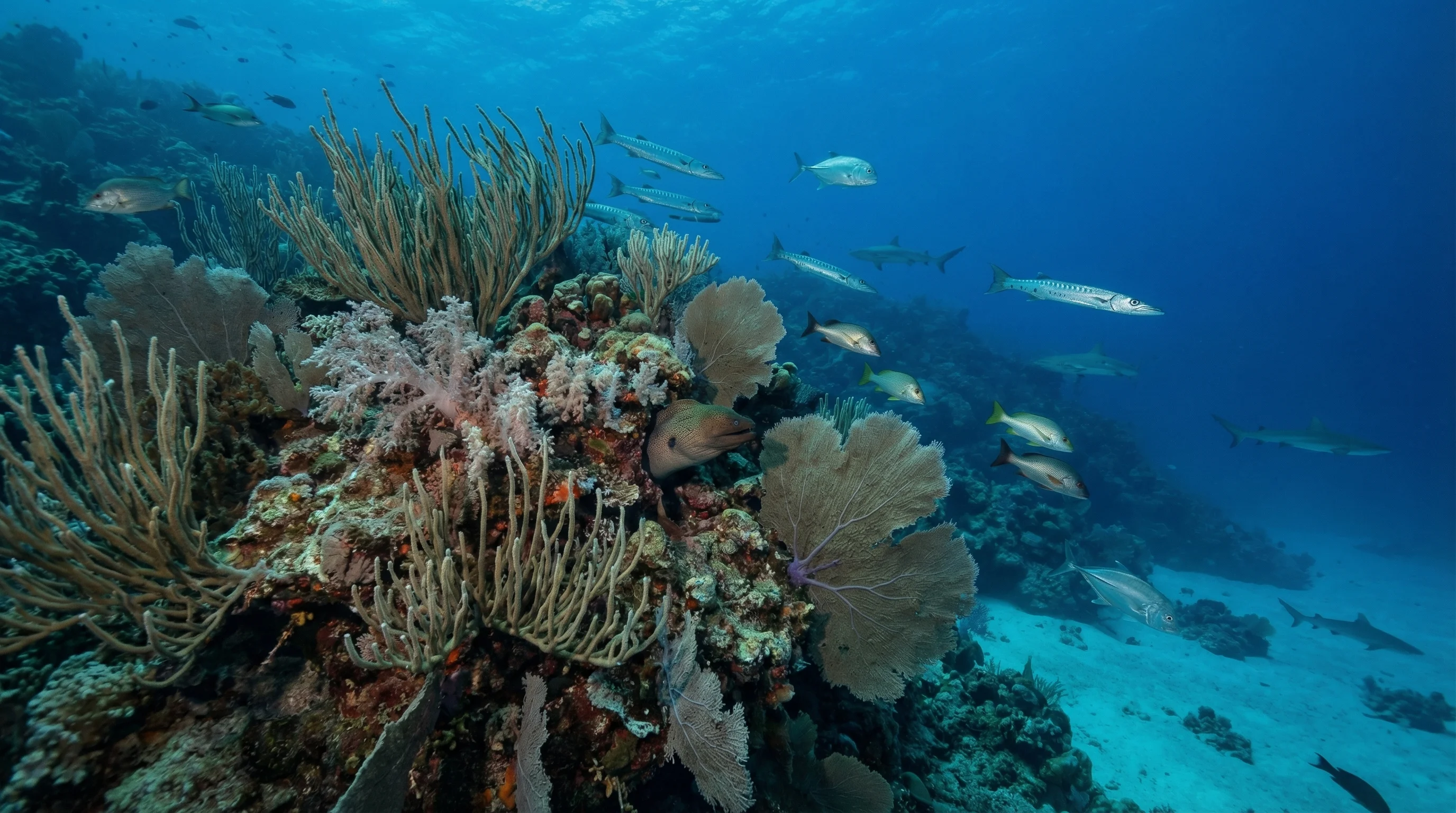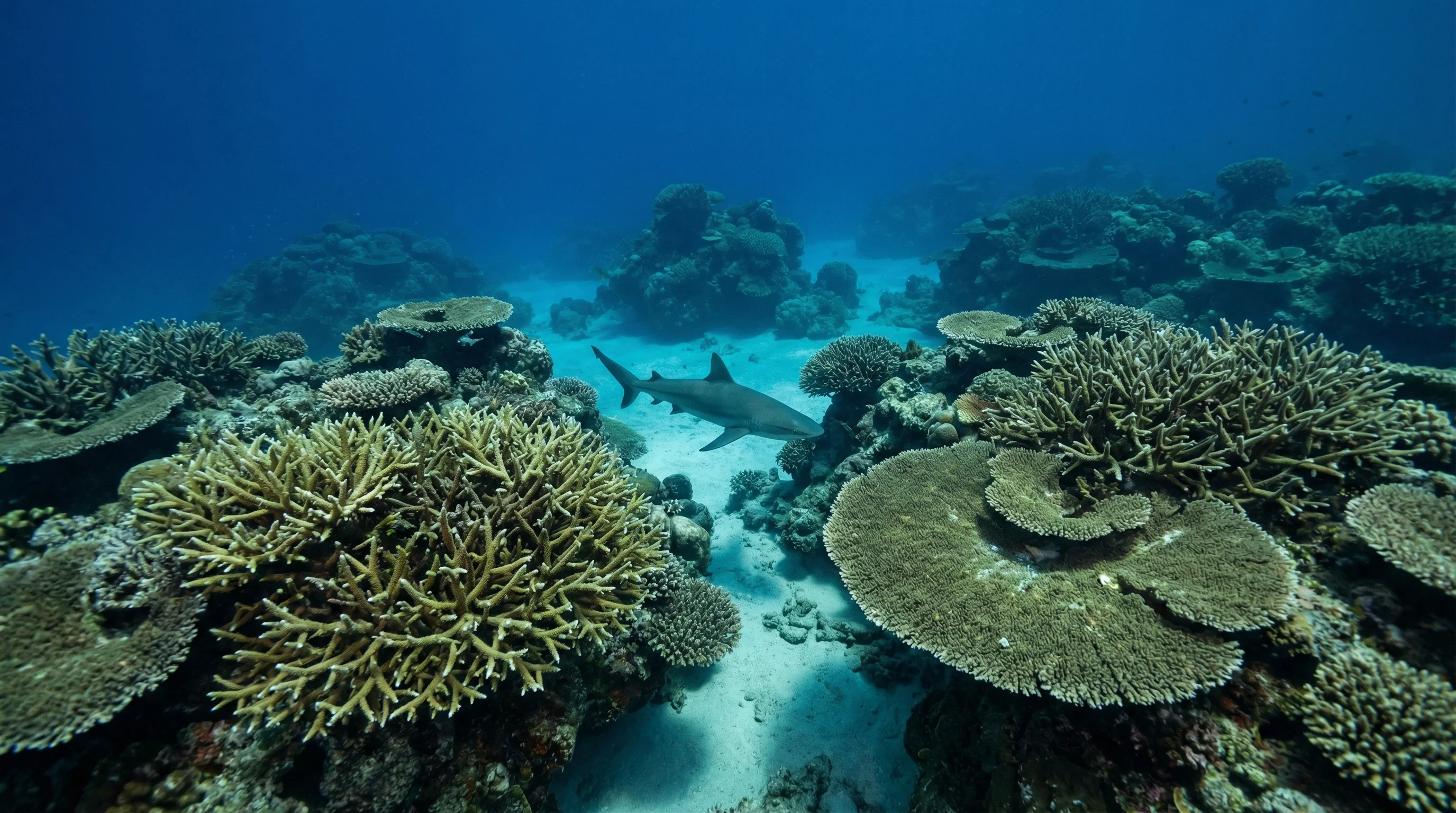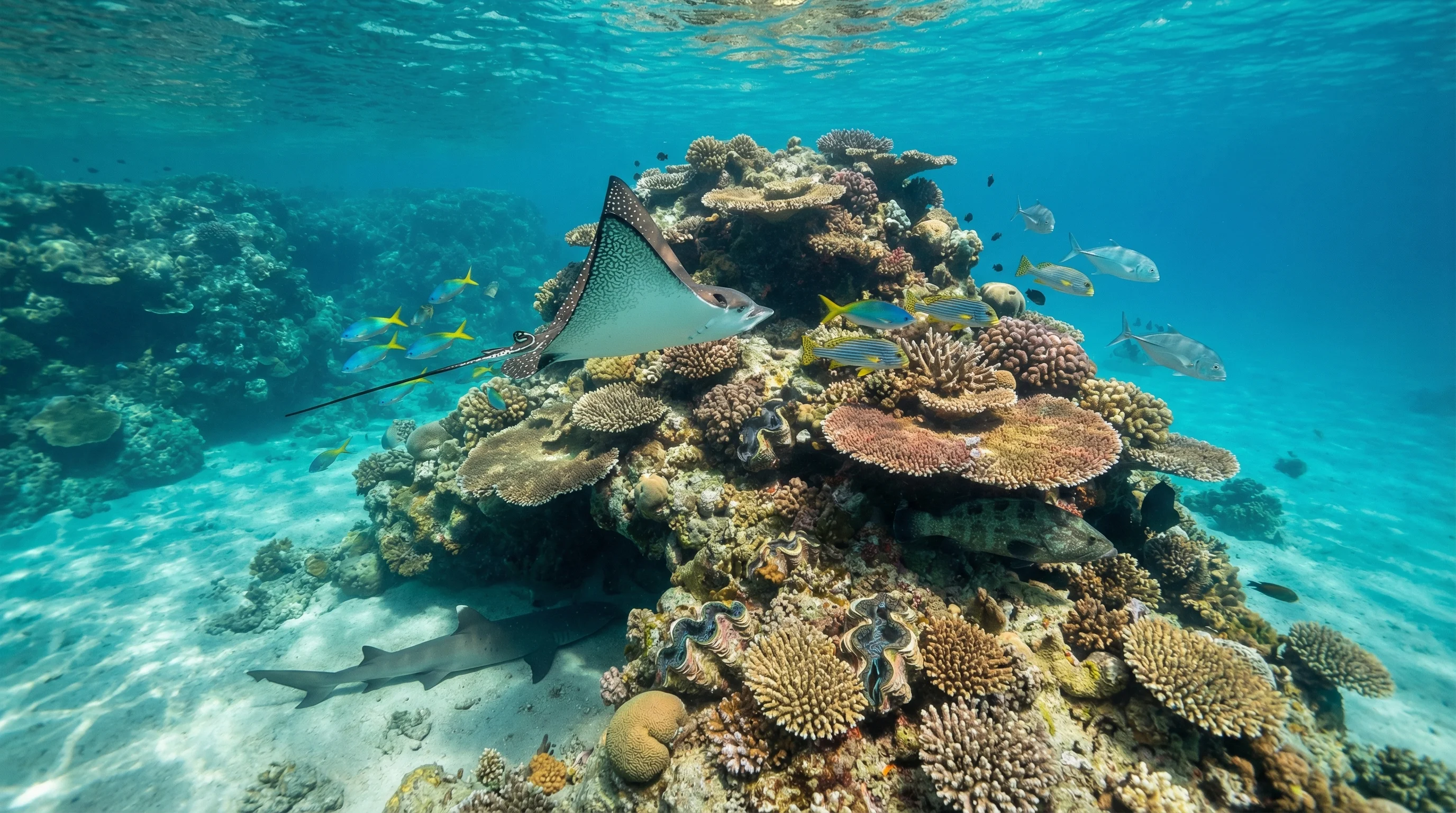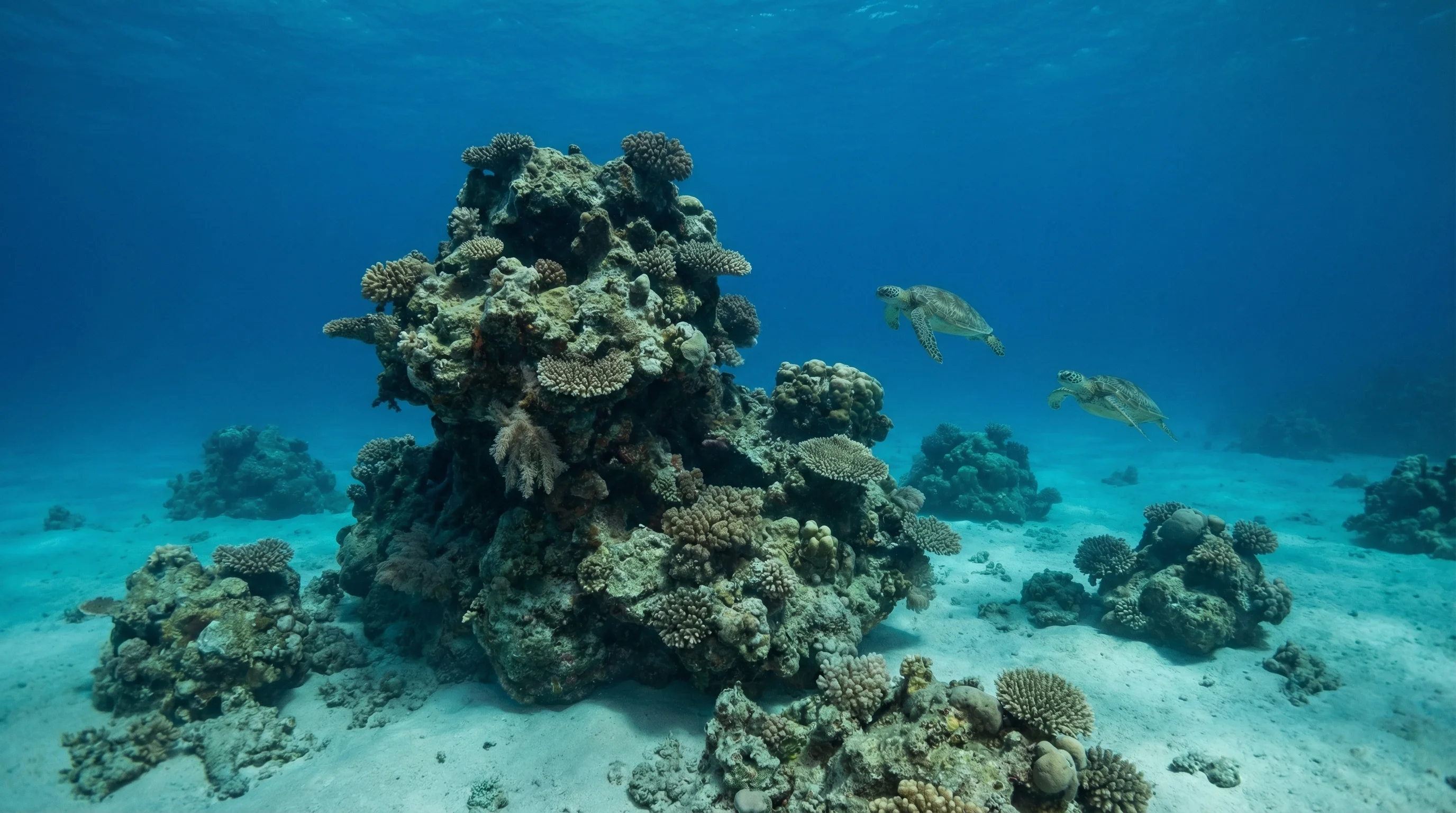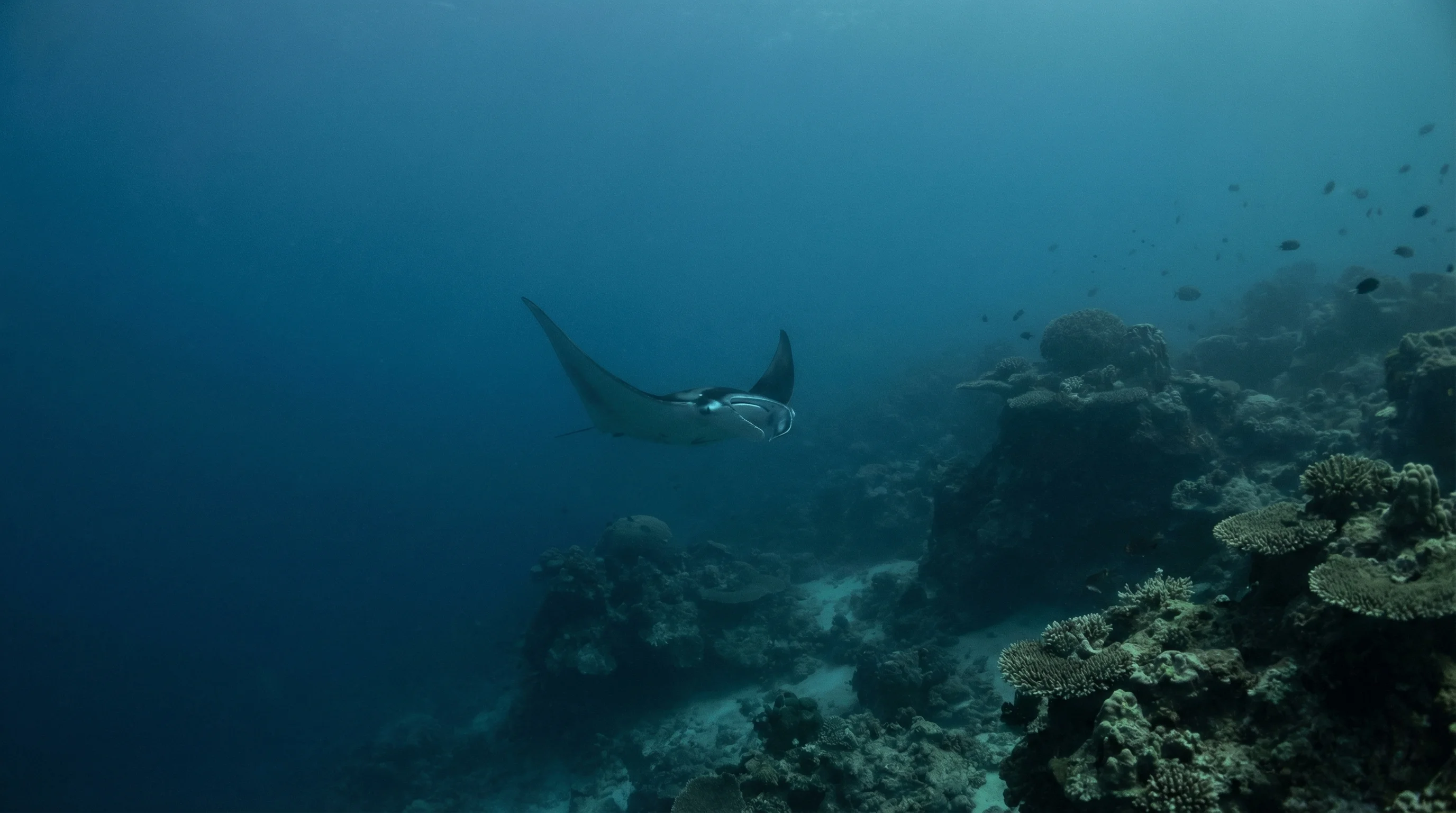
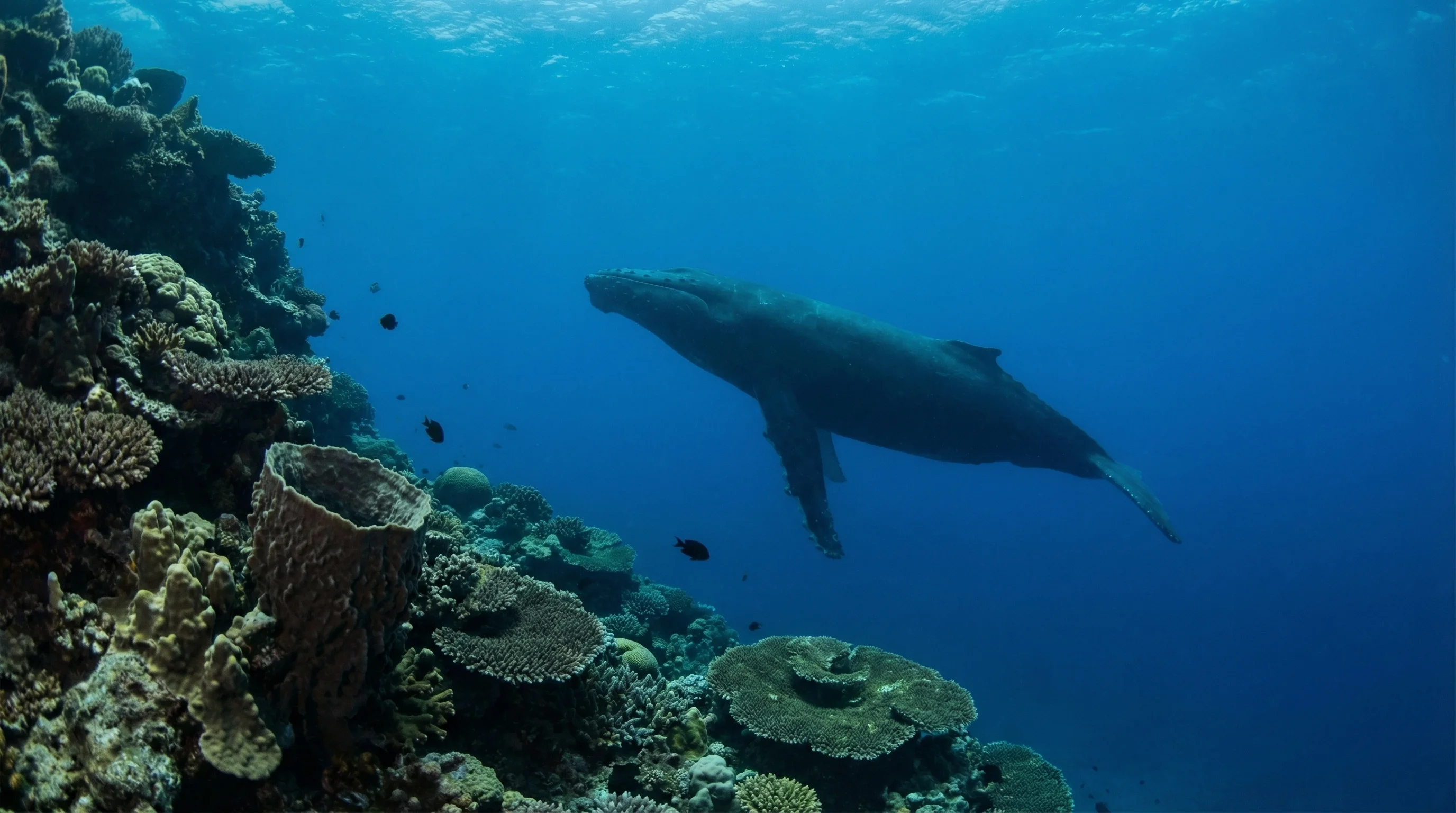
Agincourt sits at the outer edge of the Great Barrier Reef, where the ribbon reefs form long, narrow structures with walls, pinnacles, and shallow reef tops starting at just 2 metres. Visibility regularly reaches 15 to 30 metres in these waters, so even first-time divers get a clear view of what's around them. You can drift gently along the reef with the current rather than fighting it, which makes exploring easier. Keep an eye out for turtles, clownfish, honeycomb grouper, and blue barred parrotfish on the reef. Reef sharks and nurse sharks patrol the area too, which sounds intimidating but is perfectly normal on a healthy reef.
-16.03658, 145.85655
June and September offer the best combination of visibility and wildlife, with June to September also being the window for minke and humpback whale encounters in these waters. Moderate currents can strengthen unexpectedly at depth, so stay close to your guide and don't push toward the 30 metre mark until you have a few shallower dives under your belt.
Access info coming soon
Hold on tight during boat entry as currents can be strong. Shuffle your feet when entering shallows to avoid startling any marine life. Keep an eye out for sharks and maintain a safe distance.
Depth
2-30m
Visibility
15-30m
Skill Level
Beginner
Entry
Boat
Boat required
Current
Moderate
Typical Dive
300 min
Best Time
Jun, Sep
Yes, Agincourt Ribbon Reefs in Queensland is a boat-access-only dive site. You will need to book with a local dive operator or charter a boat to reach it.
Agincourt Ribbon Reefs in Queensland is well-suited for beginner divers and snorkellers. Conditions are typically calm with easy entry and shallow depths.
Diving at Agincourt Ribbon Reefs in Queensland requires the following certifications: Open Water. Always dive within your training limits.
Agincourt Ribbon Reefs in Queensland is home to Clownfish, Blue Barred Parrotfish, Reef Shark, Humpback Whale, Nudibranch, and Nurse Shark. Marine life sightings vary by season and conditions.
The best months to visit Agincourt Ribbon Reefs in Queensland are June and September. Conditions outside these months can still be good but are less predictable.
Agincourt Ribbon Reefs in Queensland has depths ranging from 2 metres to 30 metres.
Yes, Agincourt Ribbon Reefs in Queensland is suitable for snorkelling. Shallow areas start from 2 metres, making it accessible for snorkellers.
A typical dive at Agincourt Ribbon Reefs in Queensland lasts approximately 300 minutes. Actual dive time depends on depth, air consumption, and conditions.
Yes, night diving is available at Agincourt Ribbon Reefs in Queensland. Night dives often reveal different marine life including nocturnal creatures. Always dive with proper lighting and a buddy.
Divers at Agincourt Ribbon Reefs in Queensland should be aware of sharks. These encounters are generally rare and avoidable with proper awareness. Follow local safety guidance and maintain a respectful distance from all marine life.
Expect moderate currents at Agincourt Ribbon Reefs in Queensland. Good buoyancy control and some drift diving experience is helpful.
Visibility at Agincourt Ribbon Reefs in Queensland typically ranges from 15 metres to 30 metres. Conditions vary with weather, tides, and seasons.