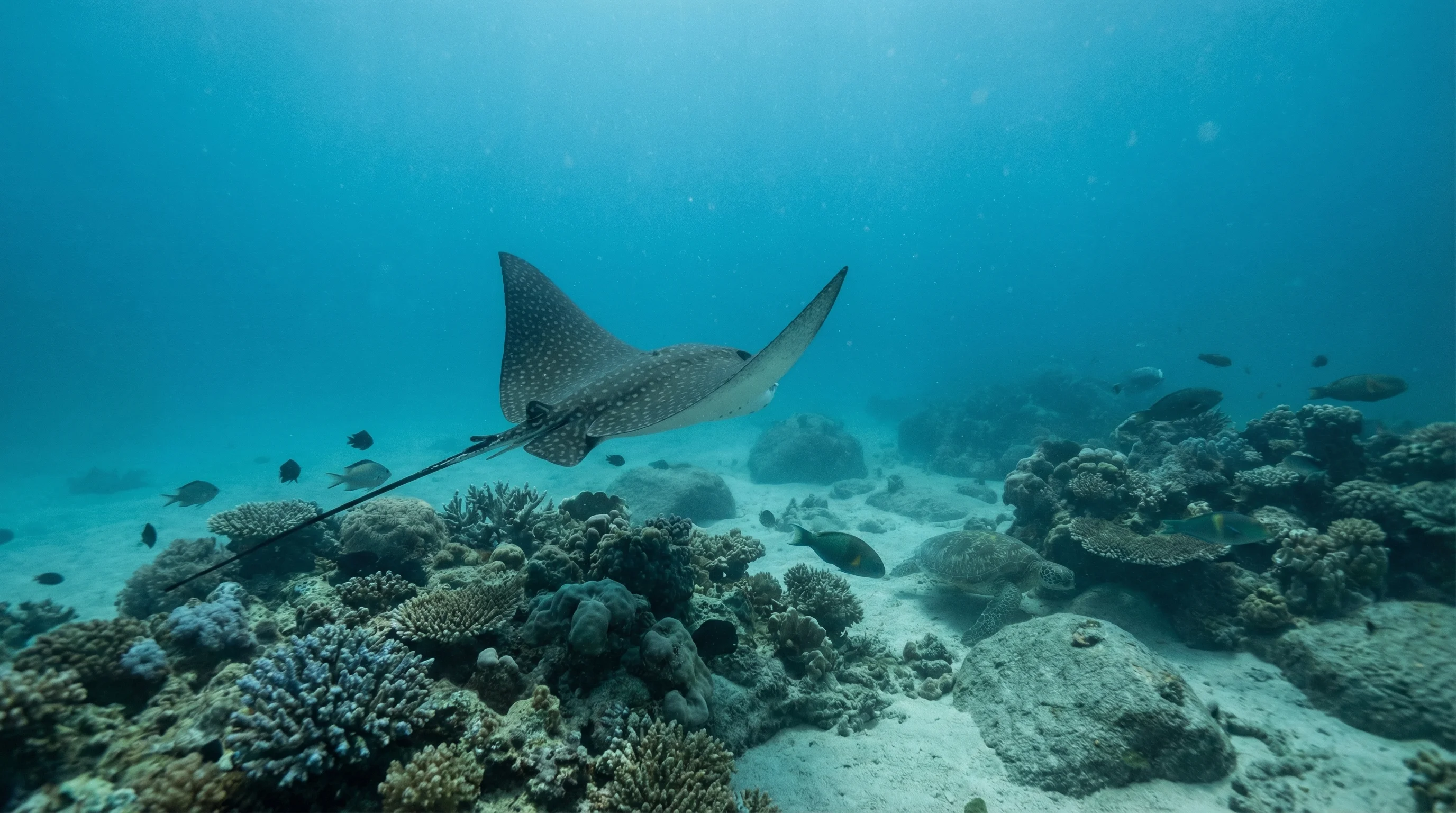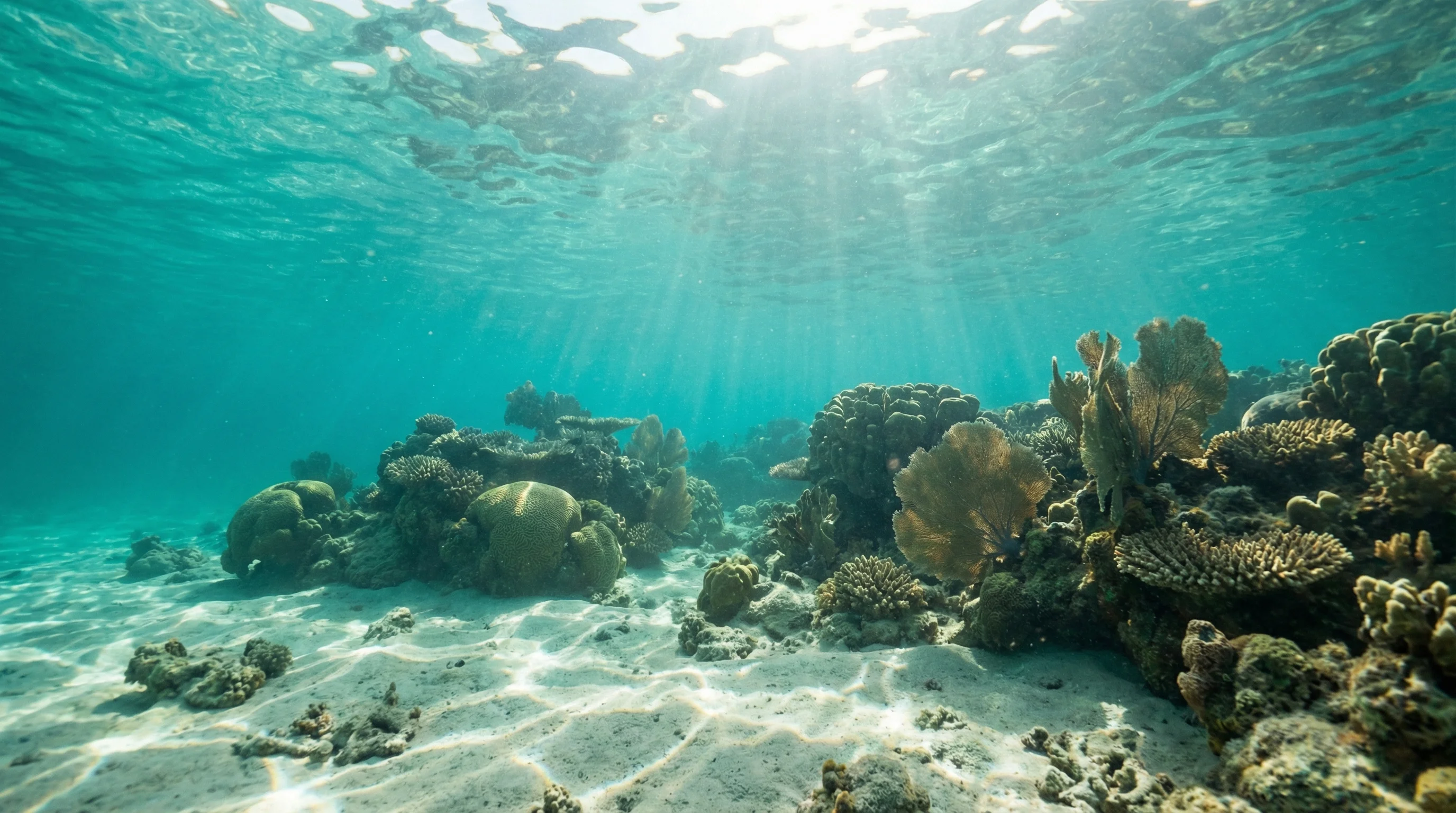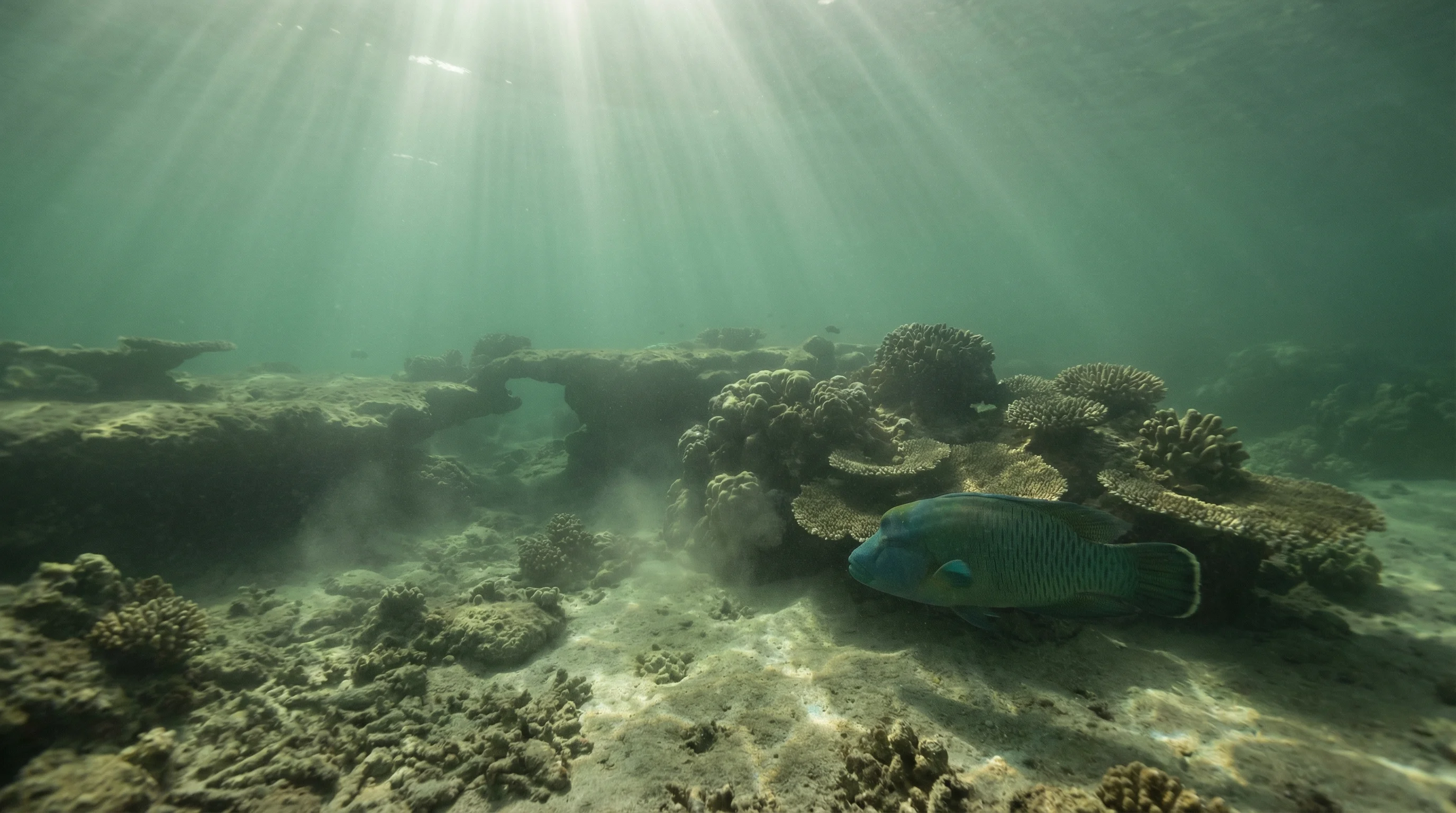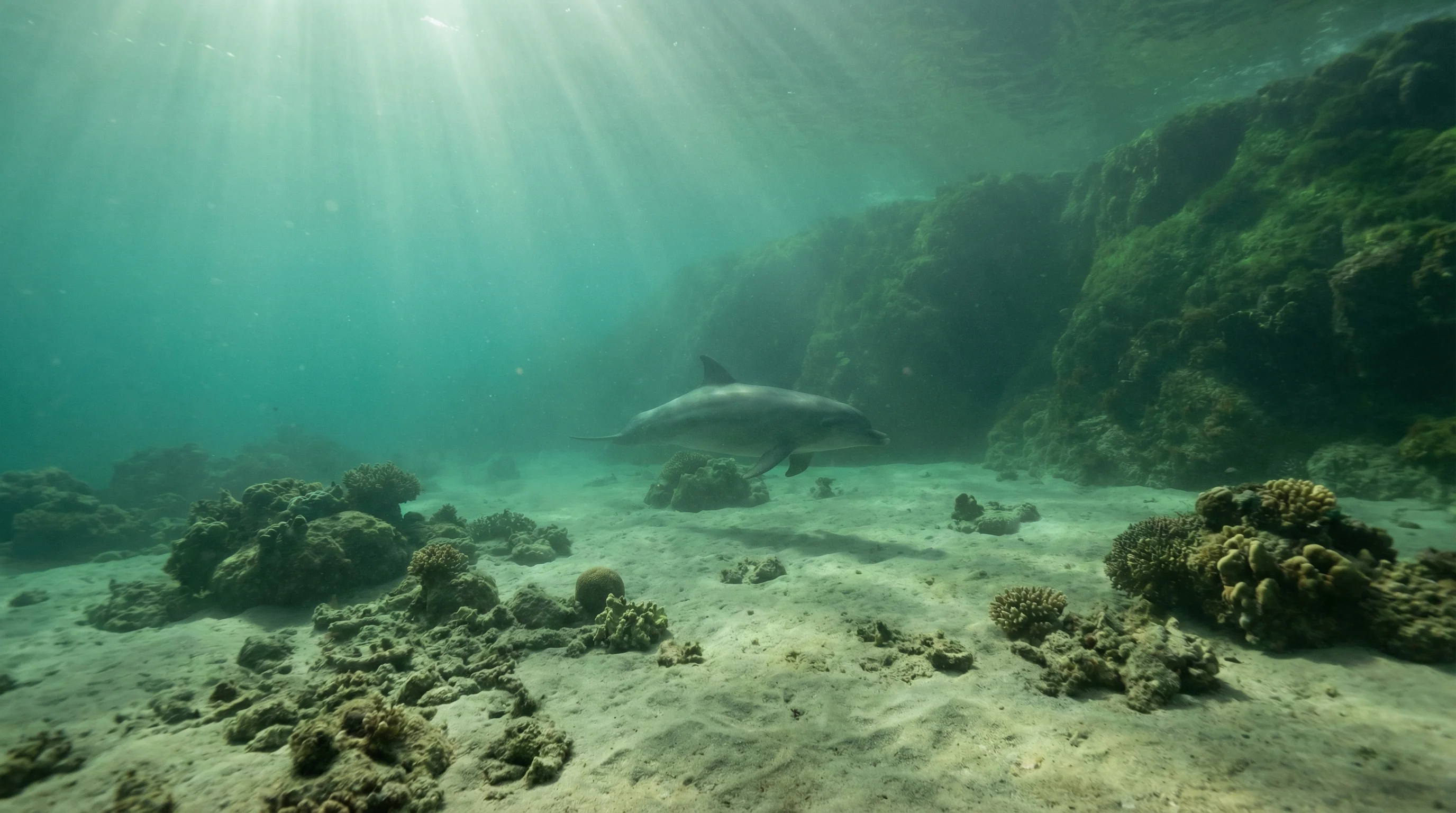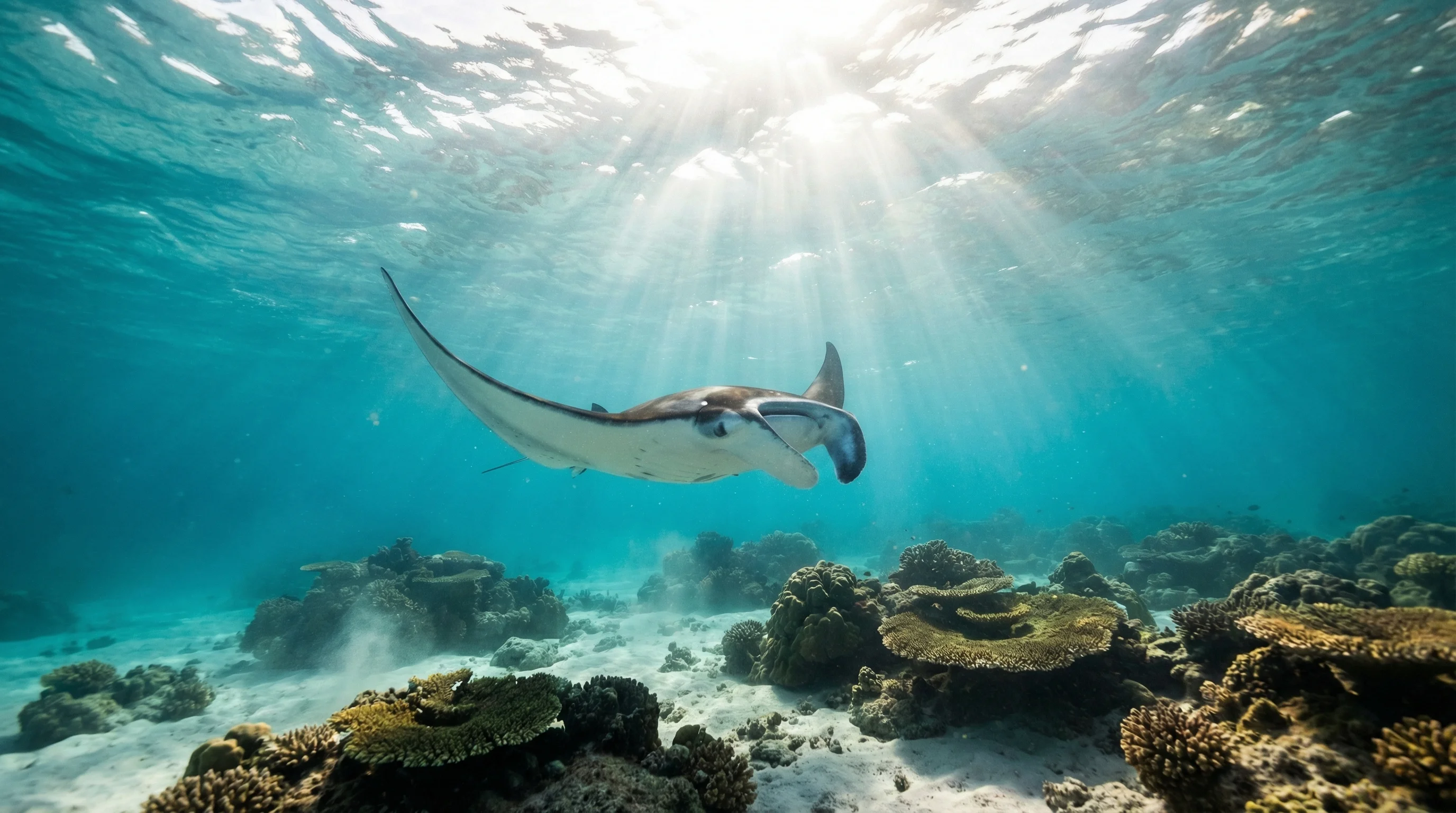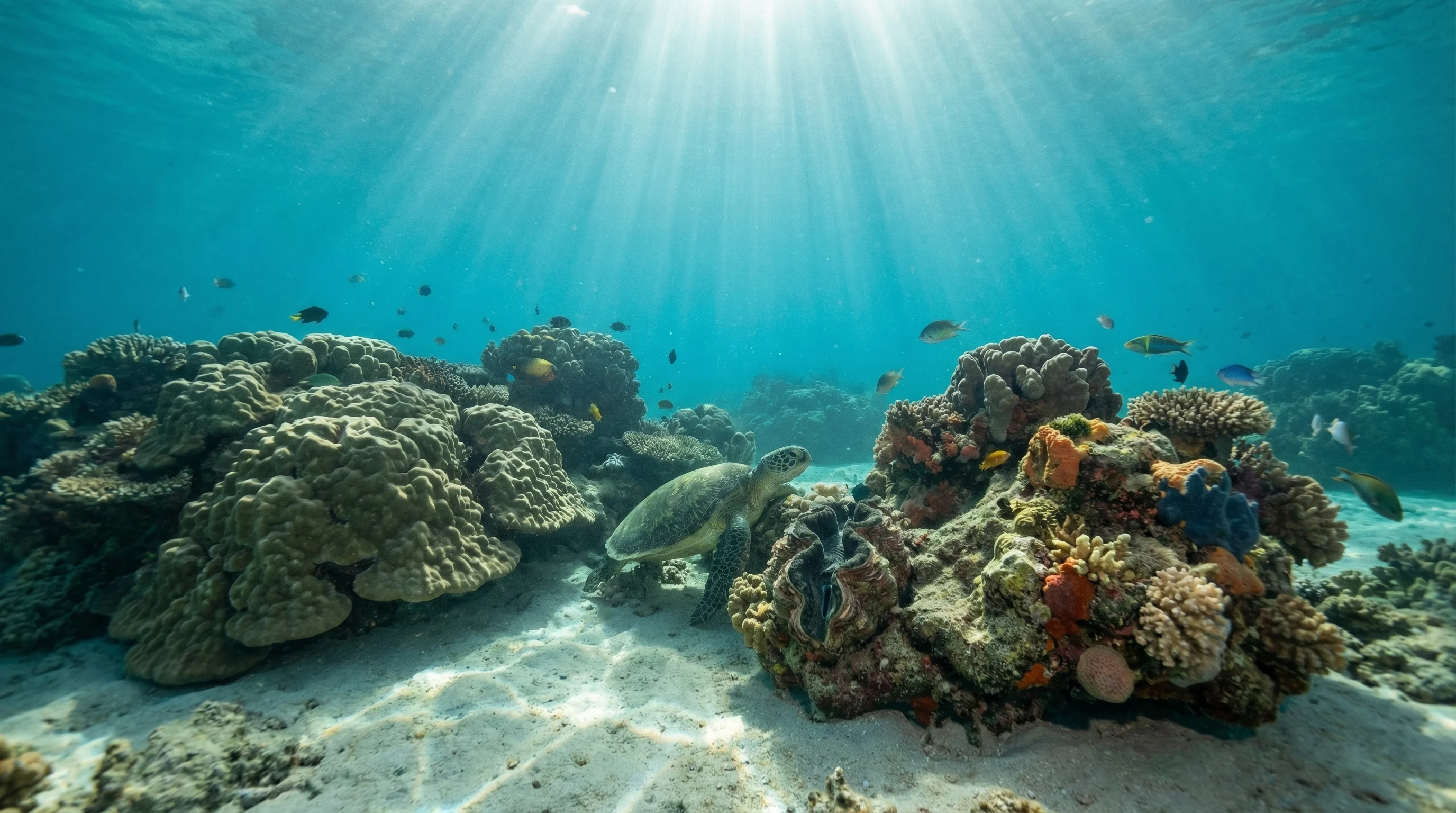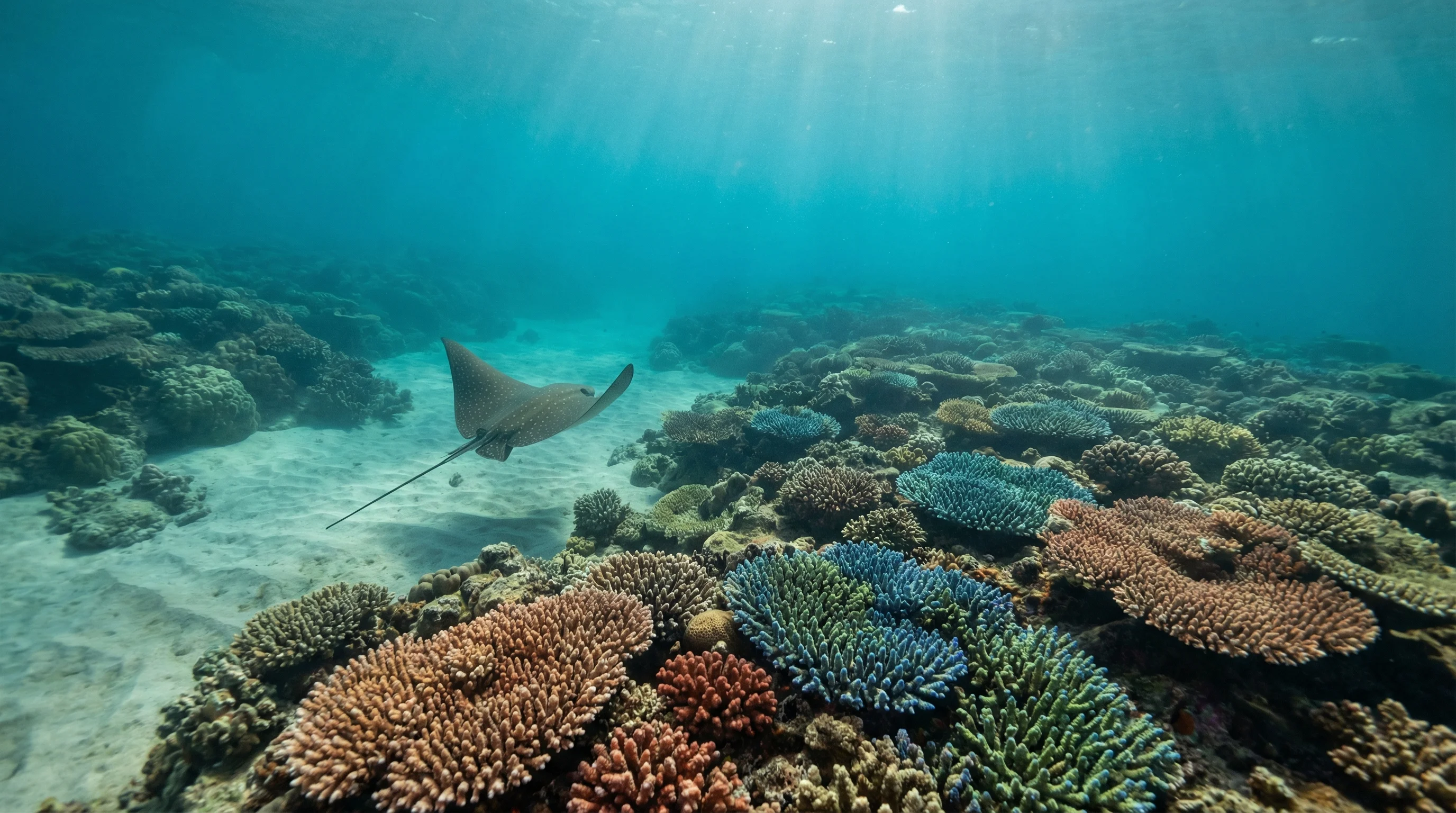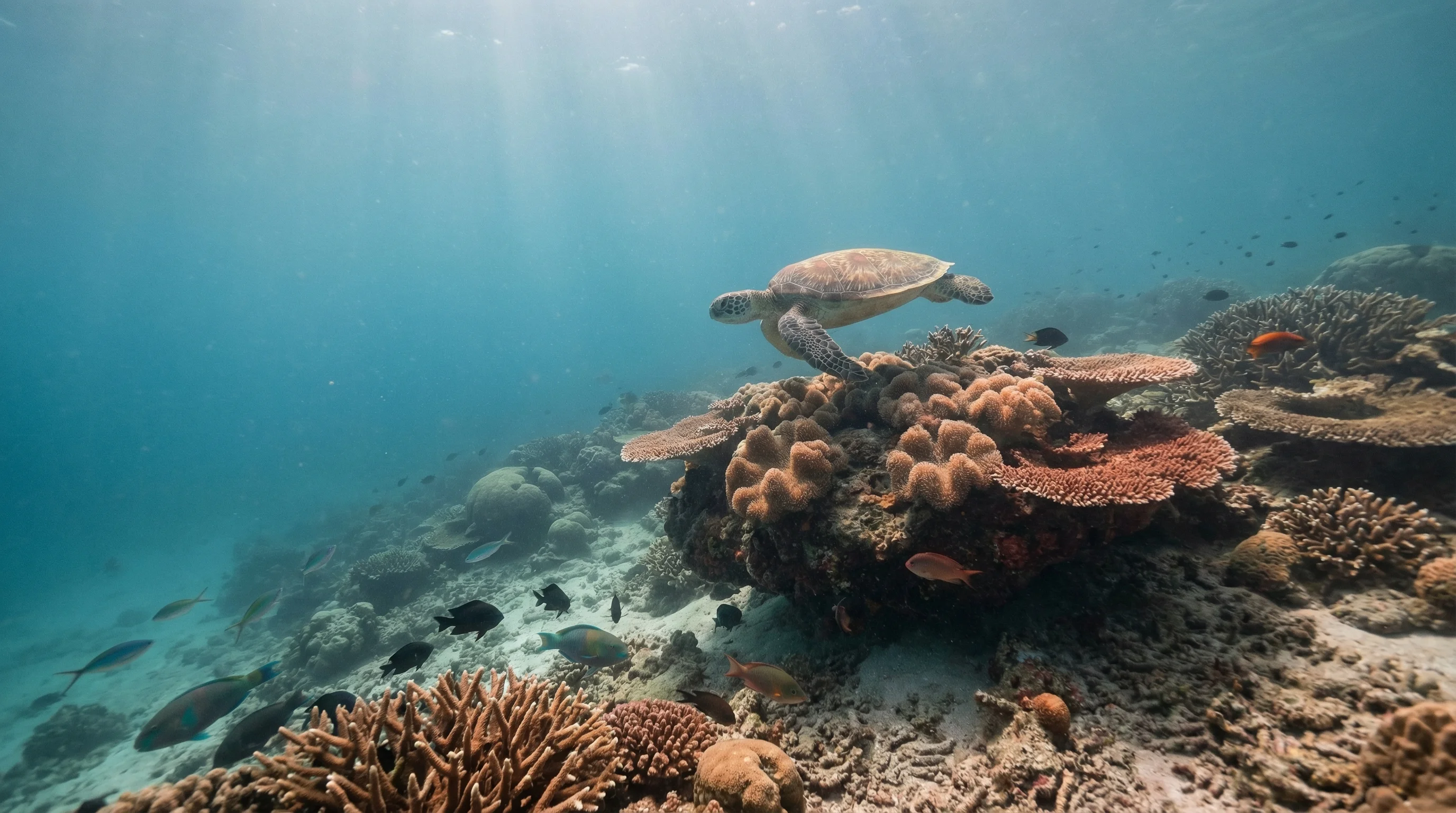
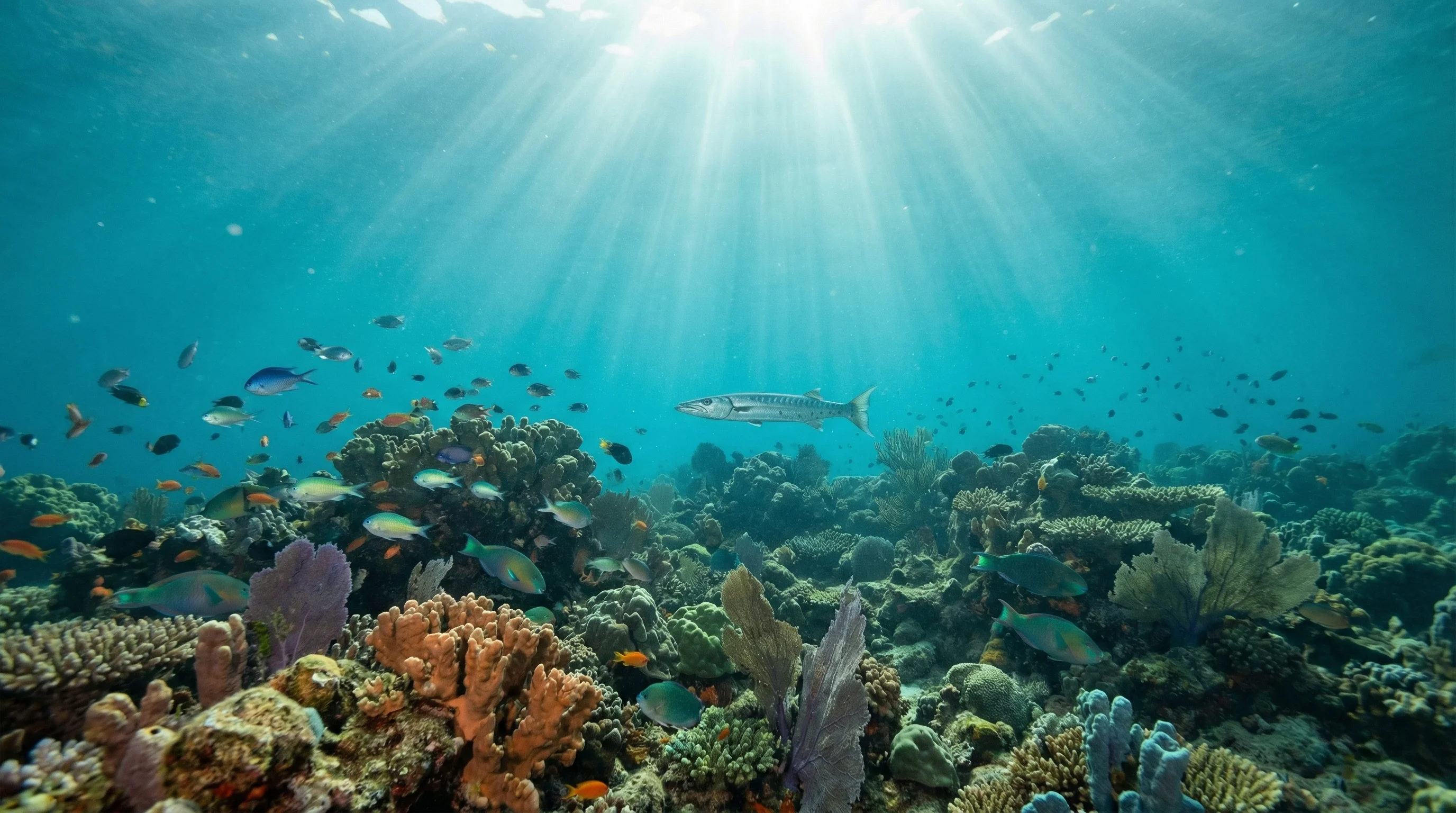
North Molle Island offers a relaxed reef dive in the Whitsundays, with depths running from 5 to 15 metres that suit beginners comfortably. Visibility ranges from 4 to 15 metres depending on conditions, so you can genuinely see what the reef has to offer. Soft corals and sea whips provide structure, while anemones, clams, and nudibranchs reward anyone who takes time to look closely. Sweetlips and tropical fish move through regularly, and barracuda sometimes cruise the mid-water. Current varies, so check conditions before you get in. Keep an eye out for jellyfish, particularly in warmer months.
-20.22934, 148.81799
April through May and August through December tend to bring the clearest water and more settled conditions, making those the most reliable months to plan your visit. Check locally on facilities before you arrive, as availability can change.
Access is via boat, typically from Airlie Beach or Shute Harbour. Several tour operators in the Whitsundays offer trips to the surrounding islands.
Standard Great Barrier Reef hazards apply. Stinger season is typically from October to May, and protective suits are recommended.
Depth
5-15m
Visibility
4-15m
Skill Level
Beginner
Entry
Shore
Boat required
Water Temp
22-30°C
Best Time
Apr, May, Aug, Sep, Oct, Nov, Dec
North Molle Island in Queensland's Whitsunday Region requires boat access to reach the shore entry points. Once transported by boat, divers and snorkellers enter directly from the shore into waters ranging from 5 to 15 metres deep. No facilities are available on site, so all equipment and supplies must be brought with you.
North Molle Island features diverse marine life including soft corals, sea whips, anemones, and giant clams across the reef. Tropical fish are abundant, with sweetlips and barracuda commonly spotted, whilst nudibranchs can be found by observant divers exploring the substrate. The shallow depth range of 5 to 15 metres makes it easy to observe all species without excessive air consumption.
North Molle Island is ideal for beginner divers, with calm conditions featuring no current and maximum depths of only 15 metres. An Open Water certification is required for diving, though the gentle shore entry and shallow profile make it an excellent early post-certification dive. Visibility ranges from 4 to 15 metres, providing manageable conditions for developing navigation skills.
The best months to dive North Molle Island are April, May, and August through December, when conditions are most favourable in the Whitsunday Region. Water temperatures range from 22 to 30 degrees Celsius throughout the year, with warmer periods in the summer months. These recommended months typically offer better visibility and reduced jellyfish risk compared to peak summer.
Snorkelling is possible at North Molle Island, though the site rates relatively low for snorkelling with a 1 out of 5 rating. The shallow 5-metre sections near shore can be explored by snorkellers, but visibility ranging from 4 to 15 metres and the site's layout favour diving for a better experience. Boat transport is required to reach the snorkelling areas.
North Molle Island offers calm diving conditions with no current and depths from 5 to 15 metres. Visibility varies from 4 to 15 metres depending on weather and tidal conditions. Water temperatures range from 22 degrees Celsius in winter to 30 degrees Celsius in summer, making a 3mm to 5mm wetsuit appropriate year-round.
Jellyfish are the primary hazard at North Molle Island, particularly during summer months in Queensland waters. A full-body wetsuit or stinger suit provides protection, especially important from November through May when box jellyfish and irukandji may be present. The site's lack of current and shallow depth profile minimise other diving risks for those with Open Water certification.
Diving at North Molle Island in Whitsunday Region requires the following certifications: Open Water. Always dive within your training limits.
A 3mm wetsuit is recommended for diving at North Molle Island in Whitsunday Region. Water temperatures range from 22°C to 30°C.