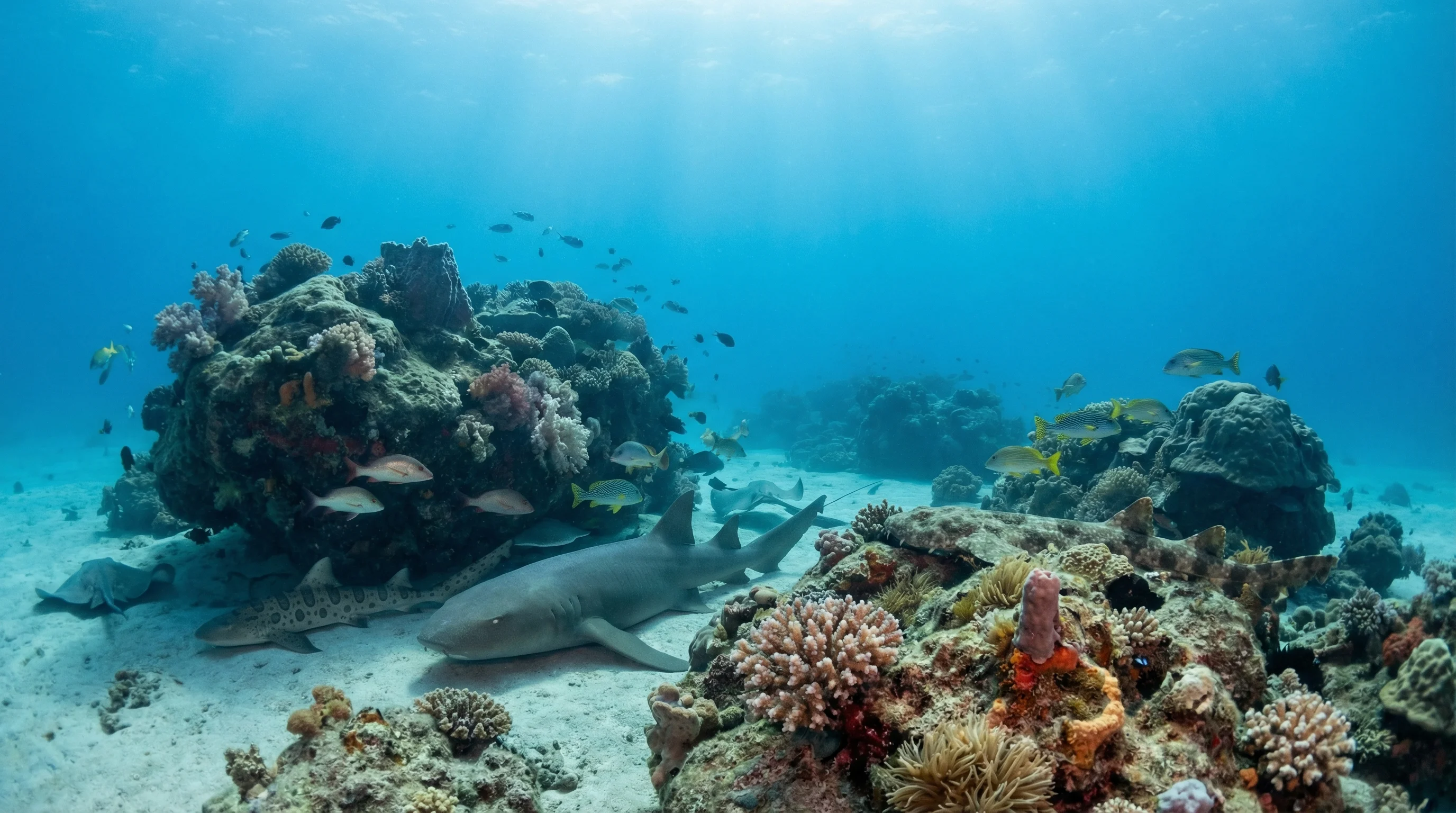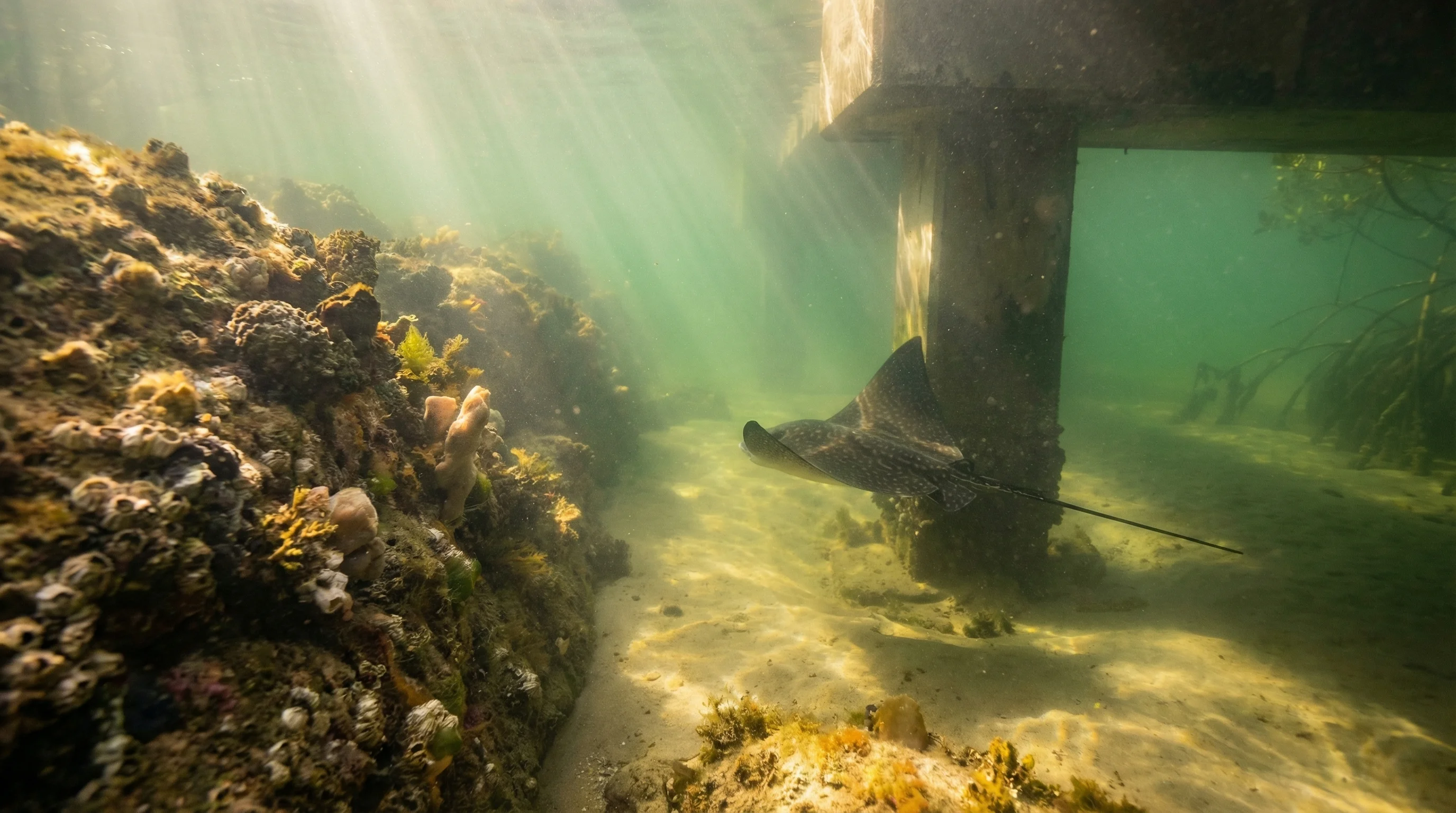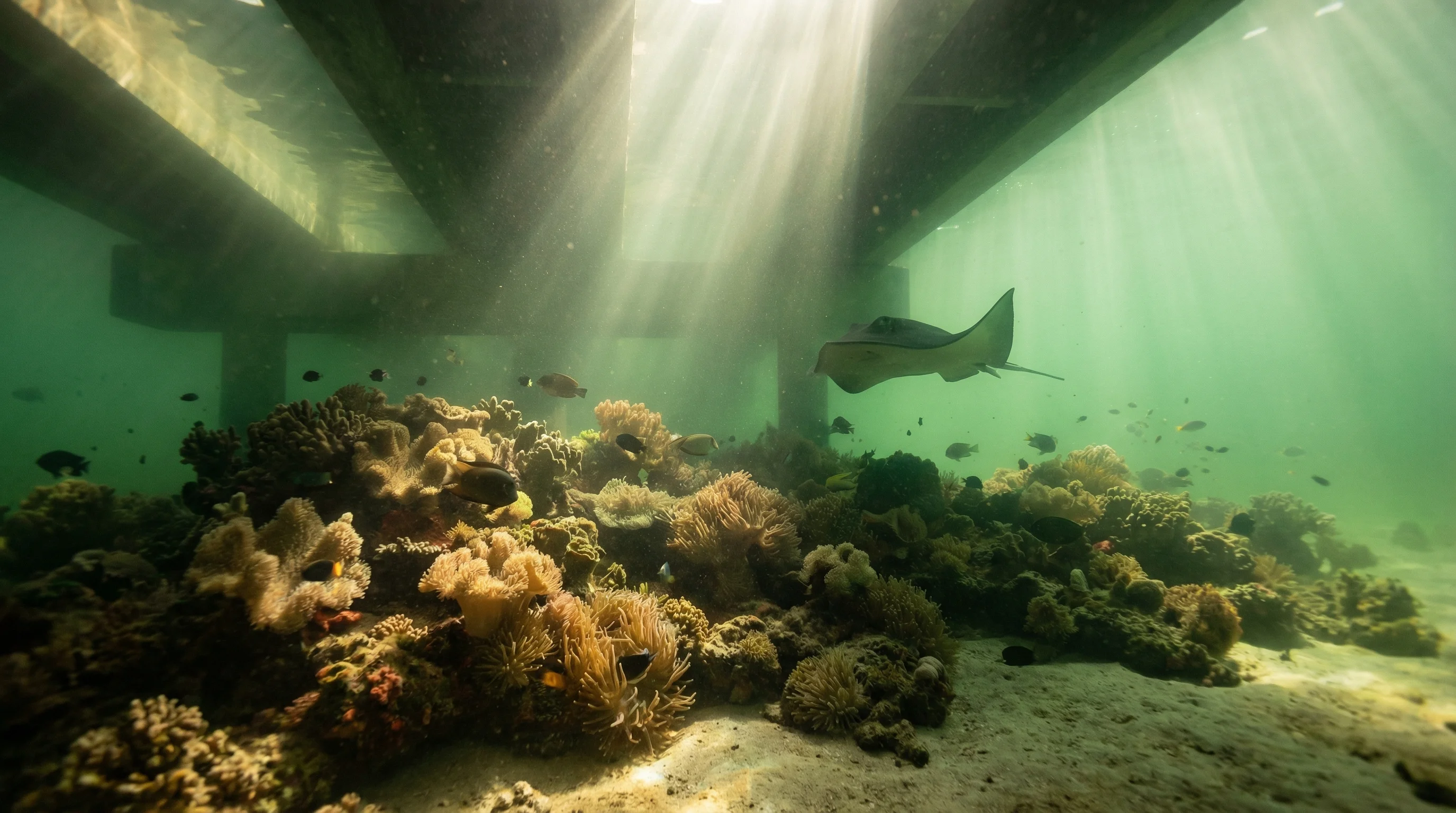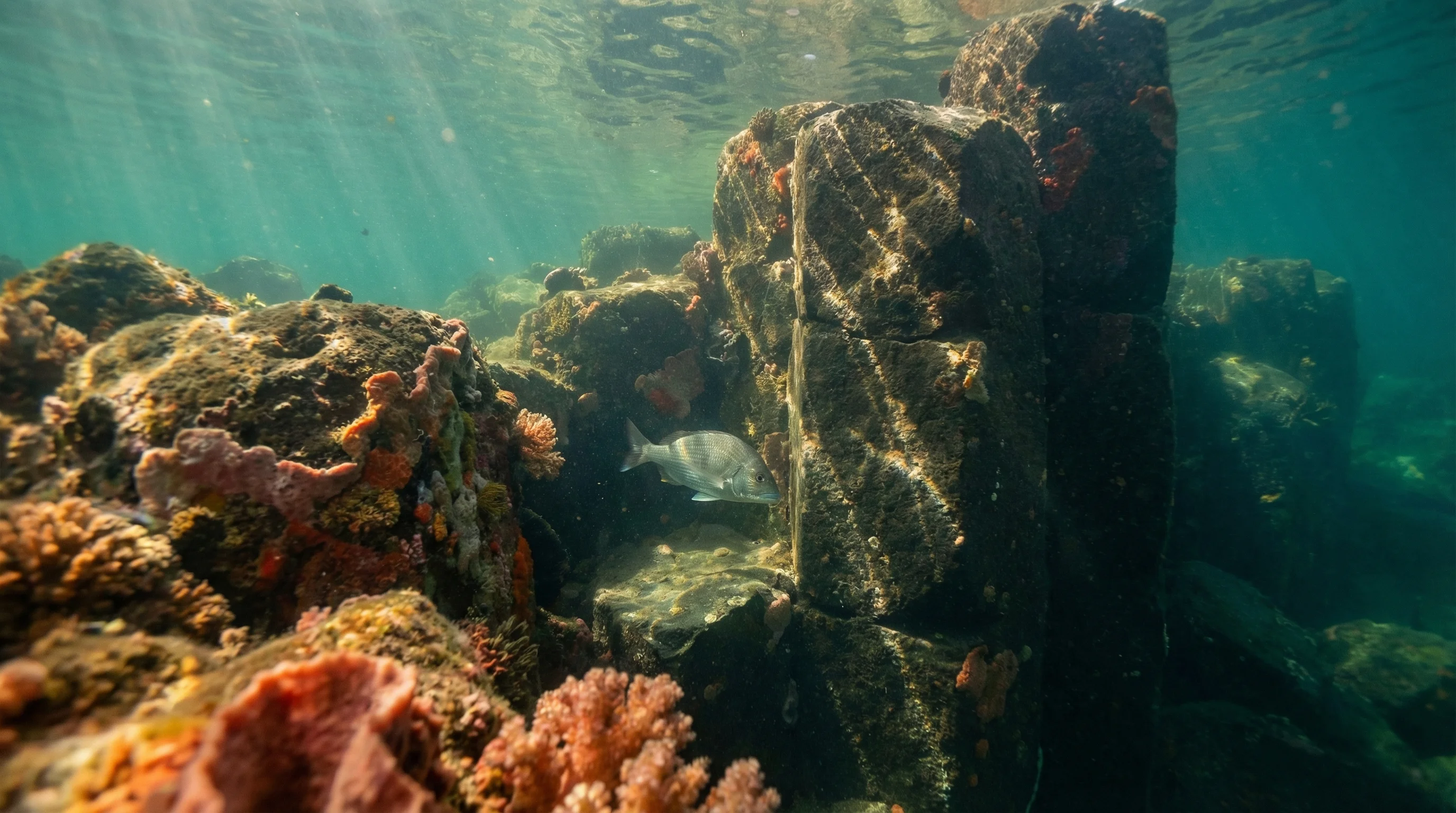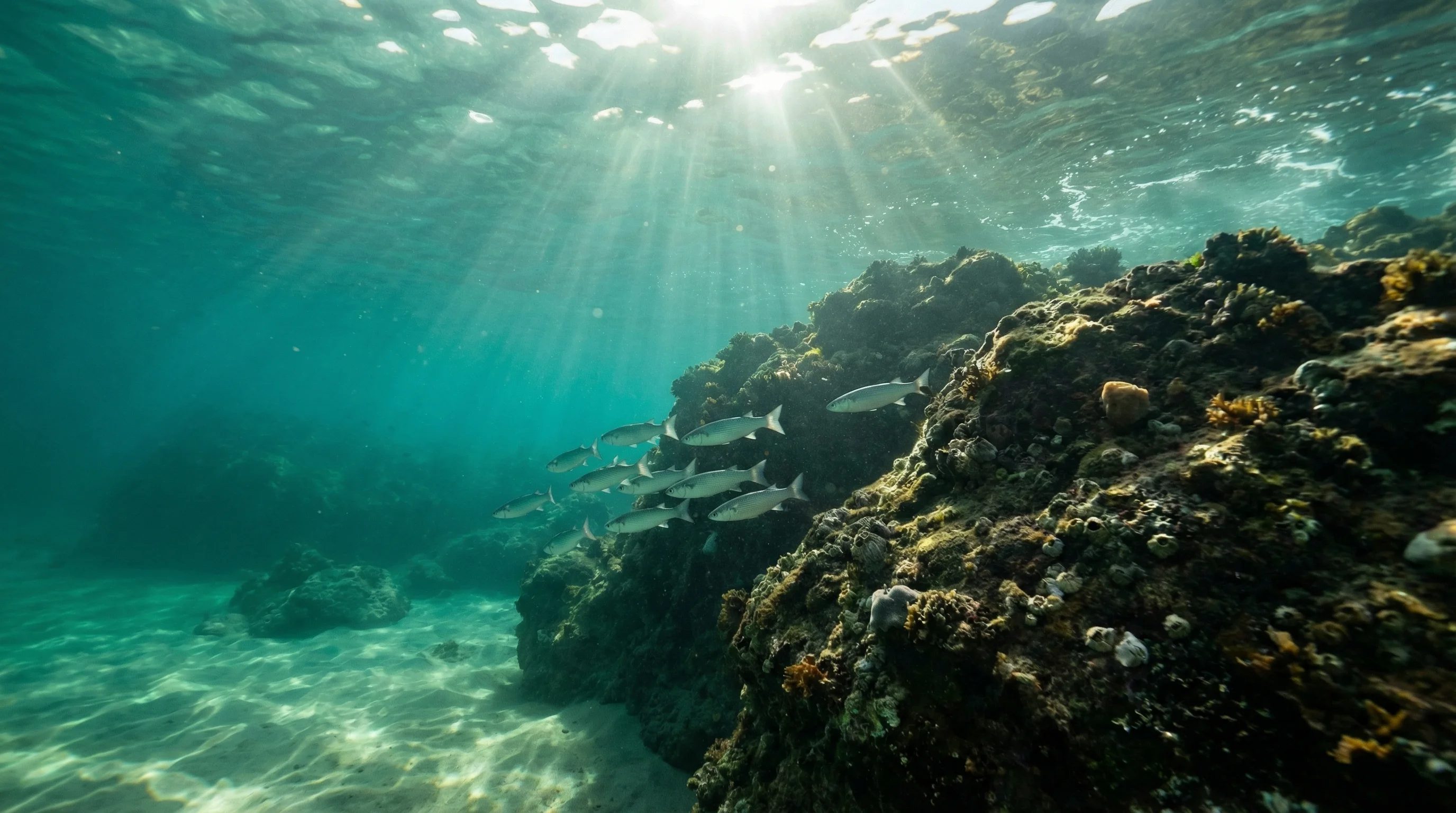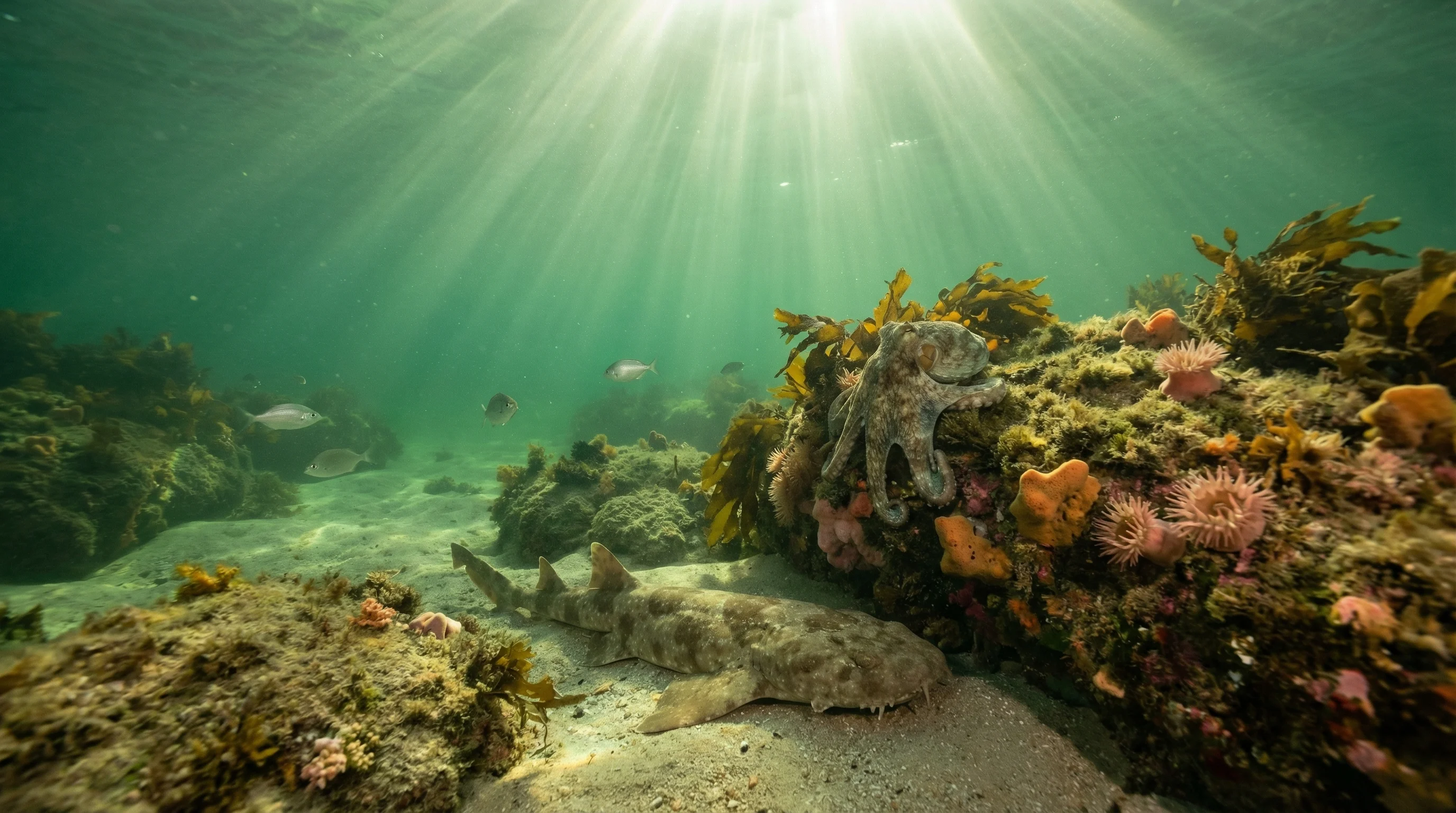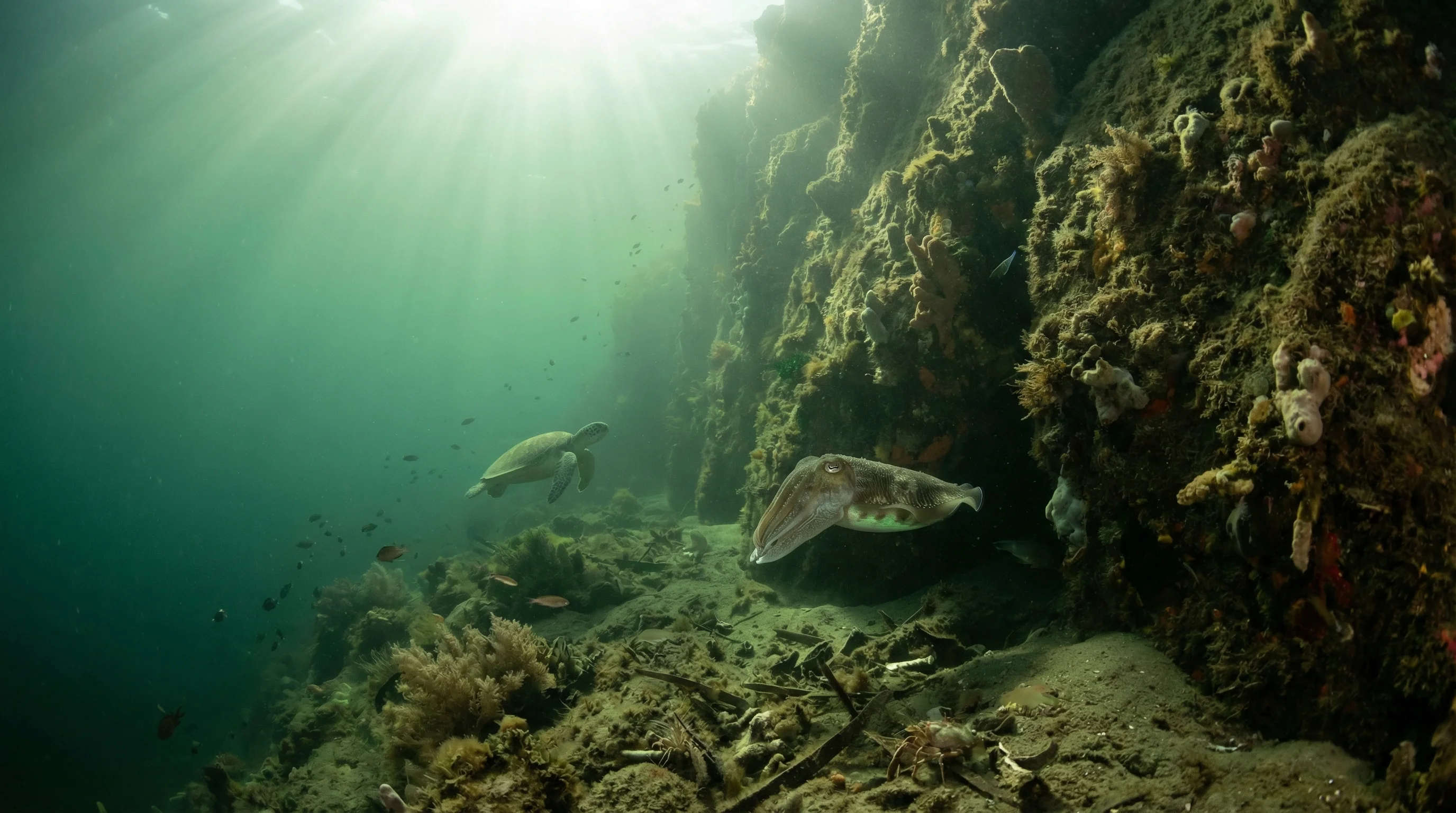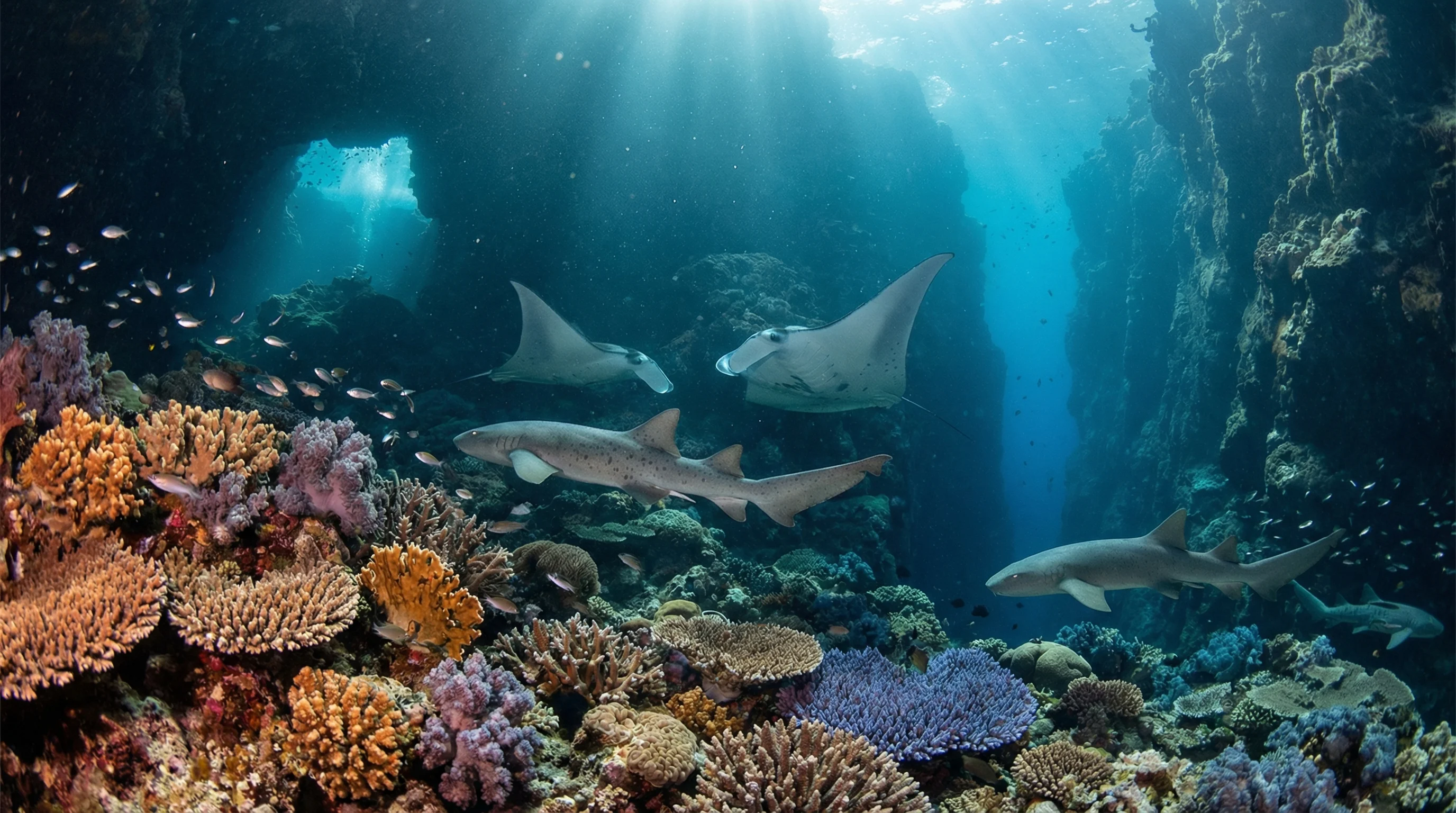
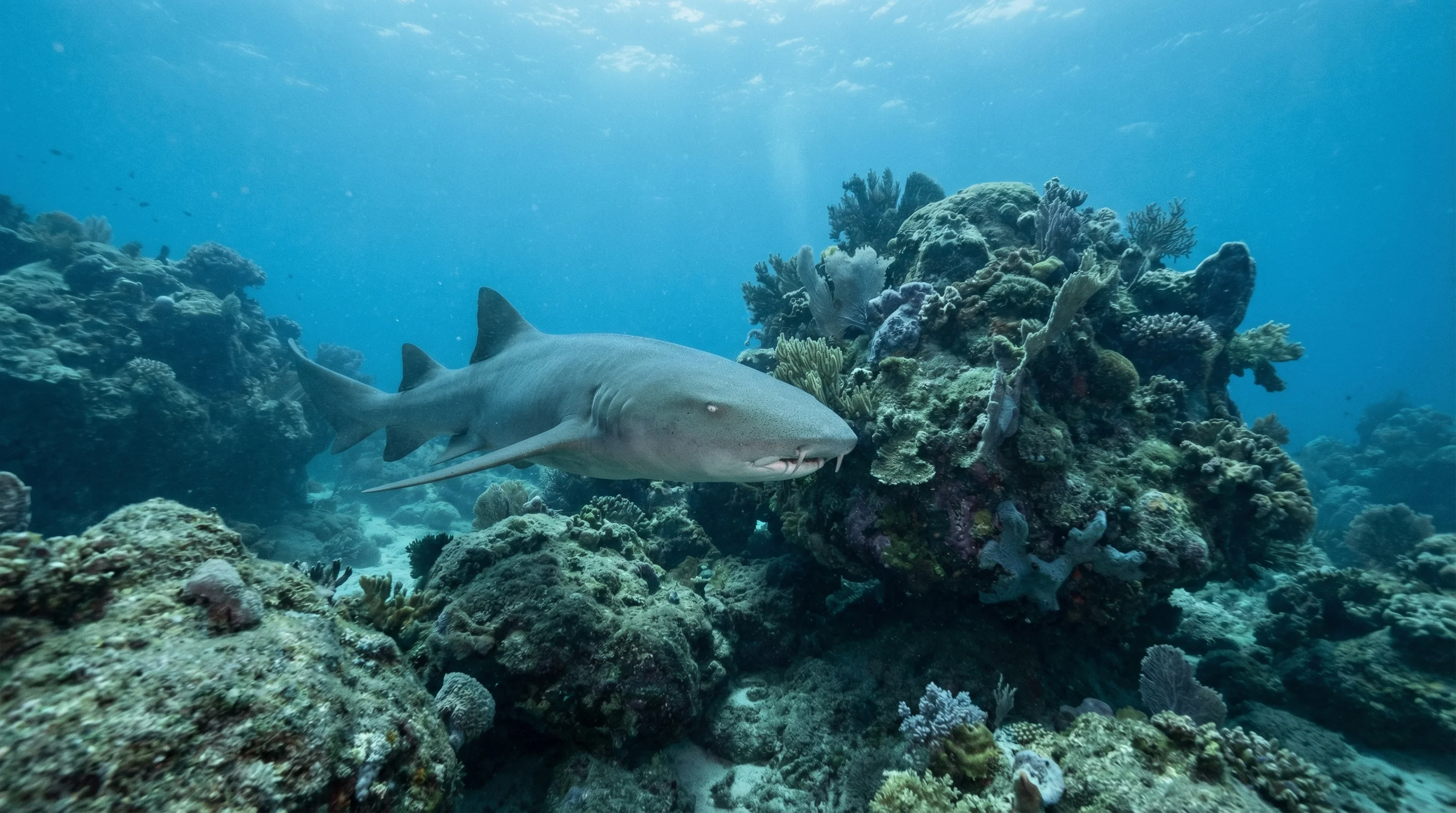
Palm Beach Reef is a boat dive offering a gentle introduction to reef diving off New South Wales. Depths run from 5 to 25 metres, so beginners can stay comfortable in the shallower sections while building confidence. Visibility regularly reaches 7 to 24 metres, which helps enormously when you're still getting your bearings underwater. Current runs mild, keeping conditions manageable. The reef attracts some impressive residents including leopard sharks, wobbegongs, and stingrays resting on the bottom, plus turtles, anemone fish, blue wrasse, and nudibranchs for those who prefer smaller subjects. Watch where you place your hands and fins around sea urchins, and stay aware of boat traffic on the surface.
-28.10620, 153.47830
March to May can bring reduced visibility, so the summer and cooler months generally offer the clearest water. When surfacing, do a thorough safety stop and listen for boat traffic before breaking the surface.
The site is only accessible by boat, typically via the Gold Coast Seaway or the Tweed River. The boat ride from the Gold Coast Seaway can be as short as 25 minutes. Commercial dive charters are available.
While various shark species are present, they are not typically considered a direct threat. Leopard sharks are common in summer and Grey Nurse sharks may be seen in winter. Divers should be aware of boat traffic on the surface.
Depth
5-25m
Visibility
6-24m
Skill Level
Beginner
Entry
Boat
Boat required
Water Temp
19-26°C
Current
Mild
Typical Dive
60 min
Best Time
Jan, Feb, Jun, Jul, Aug, Sep, Oct, Nov, Dec
Palm Beach Reef is accessed exclusively by boat, with no shore entry available. Dive operators depart from Palm Beach, located on Sydney's northern beaches. The boat ride provides access to reef sites ranging from 5 to 25 metres depth.
Palm Beach Reef hosts several shark species including leopard sharks, wobbegongs, and grey nurse sharks. These species are commonly encountered along with spotted eagle rays and stingrays. The mild current conditions at depths of 5 to 25 metres create ideal habitat for these animals.
An Open Water certification is required to dive Palm Beach Reef in New South Wales. The site is classified as beginner-friendly with maximum depths of 25 metres and mild currents. No advanced certifications are necessary for this dive location.
The best months to dive Palm Beach Reef are January, February, June, July, August, September, October, and November. Water temperatures during these periods range from 19 to 26 degrees Celsius. Visibility typically ranges from 7 to 24 metres throughout these months.
Palm Beach Reef is designated as a beginner-level dive site with mild currents and boat entry. Depths range from 5 to 25 metres, allowing newer divers to explore safely within their certification limits. An Open Water certification is the only requirement to dive this New South Wales location.
Water temperatures at Palm Beach Reef range from 19 to 26 degrees Celsius throughout the year. The warmer temperatures occur during the summer months of January and February. A 5mm wetsuit is typically recommended for cooler winter diving from June to August.
Palm Beach Reef divers should be aware of boat traffic, sea urchins, and sharks. The site is boat-access only, requiring attention to surface protocols and proper use of dive flags. While sharks including grey nurse sharks are present, they pose minimal threat when divers maintain appropriate distance.
A 5mm wetsuit is recommended for diving at Palm Beach Reef in Palm Beach. Water temperatures range from 19°C to 26°C.
Palm Beach Reef in Palm Beach has depths ranging from 5 metres to 25 metres.
A typical dive at Palm Beach Reef in Palm Beach lasts approximately 60 minutes. Actual dive time depends on depth, air consumption, and conditions.