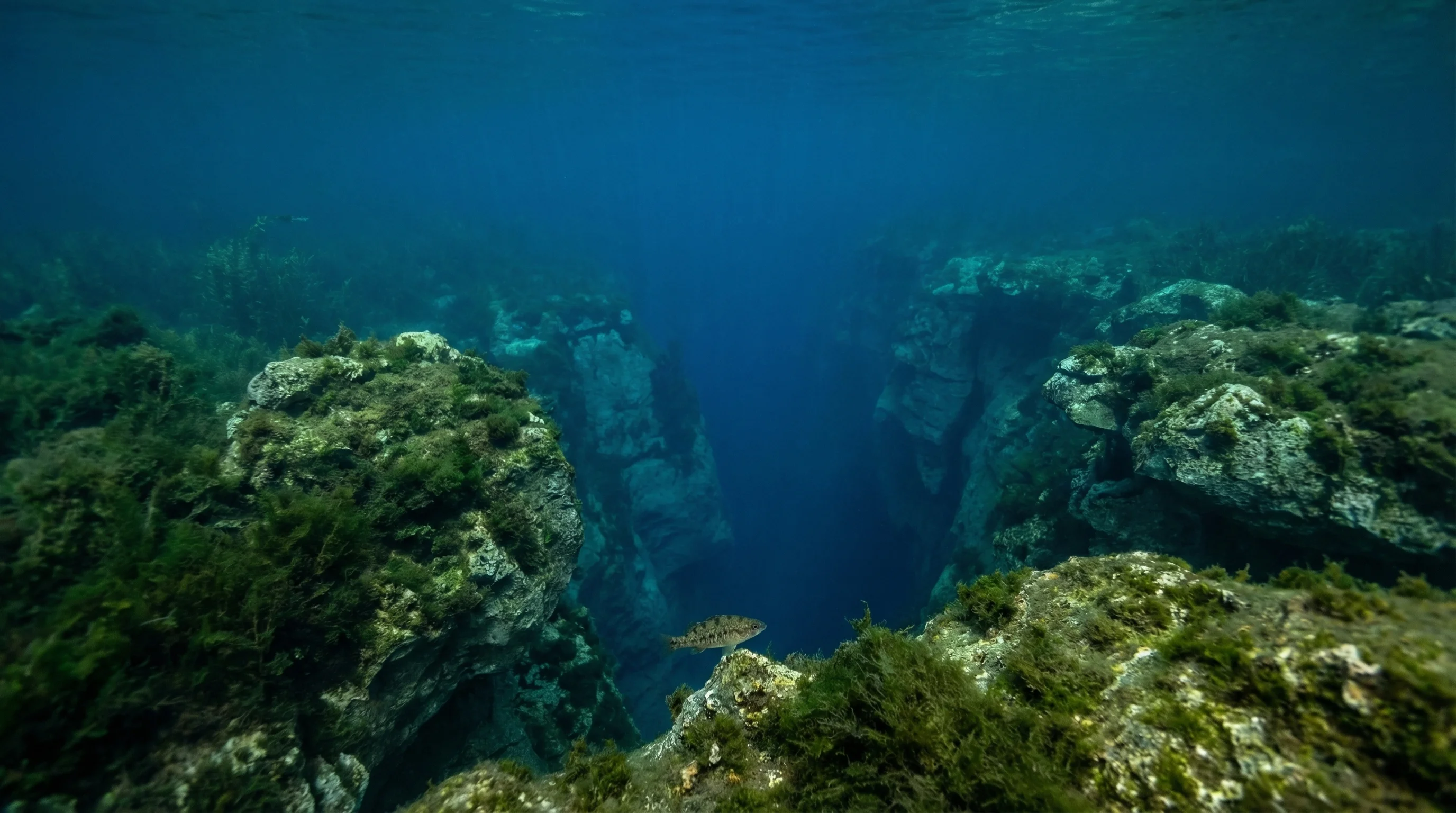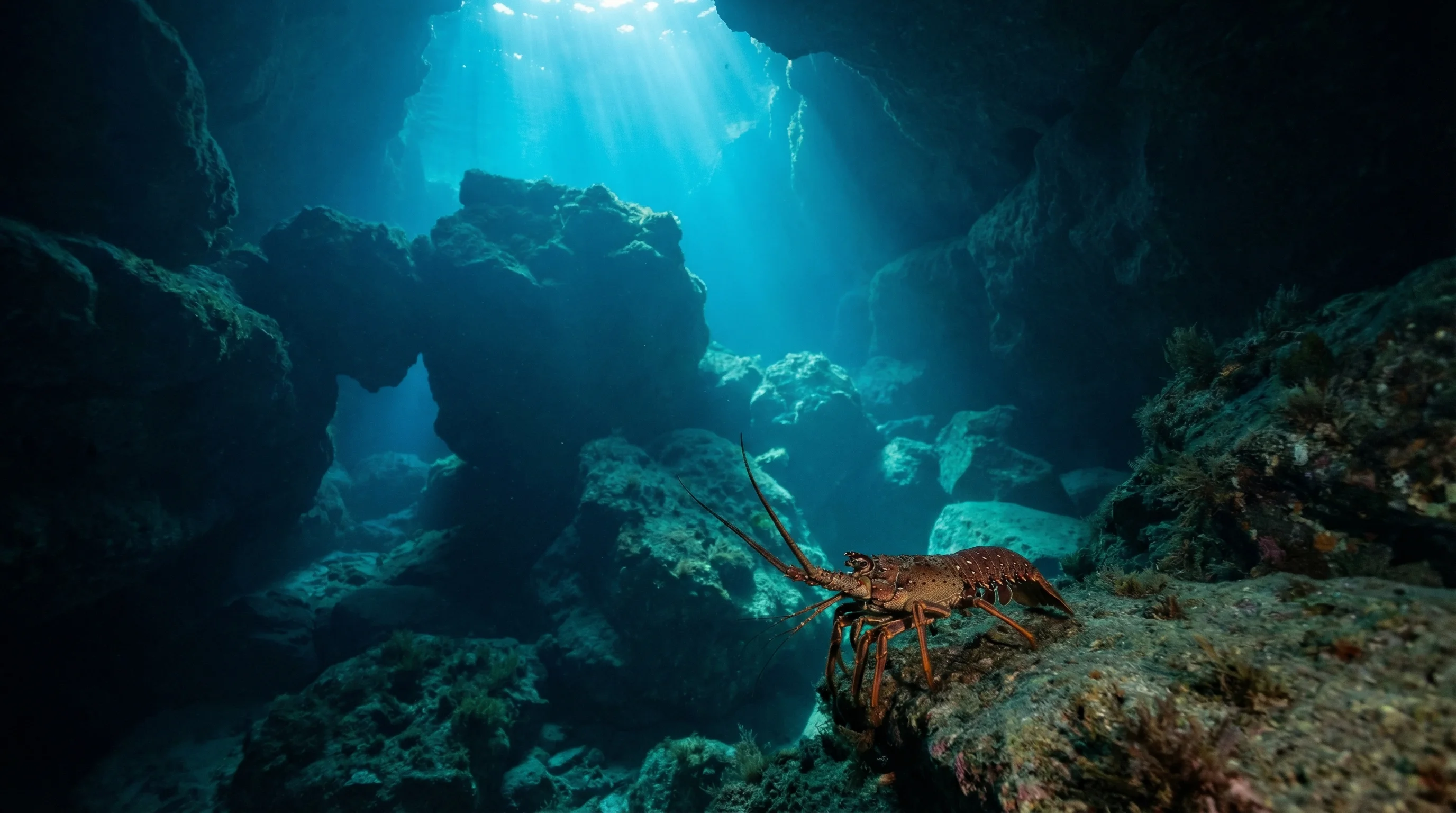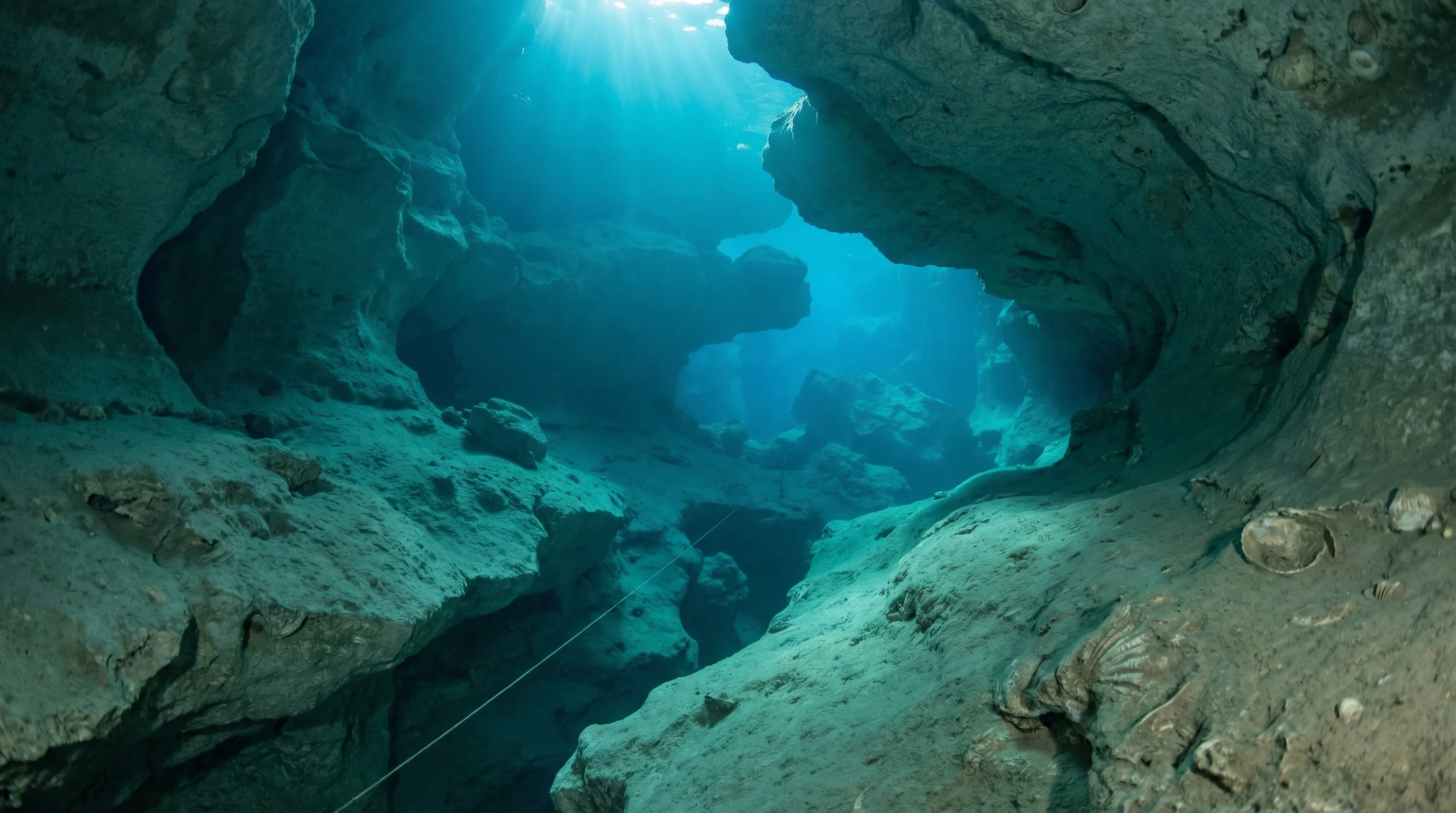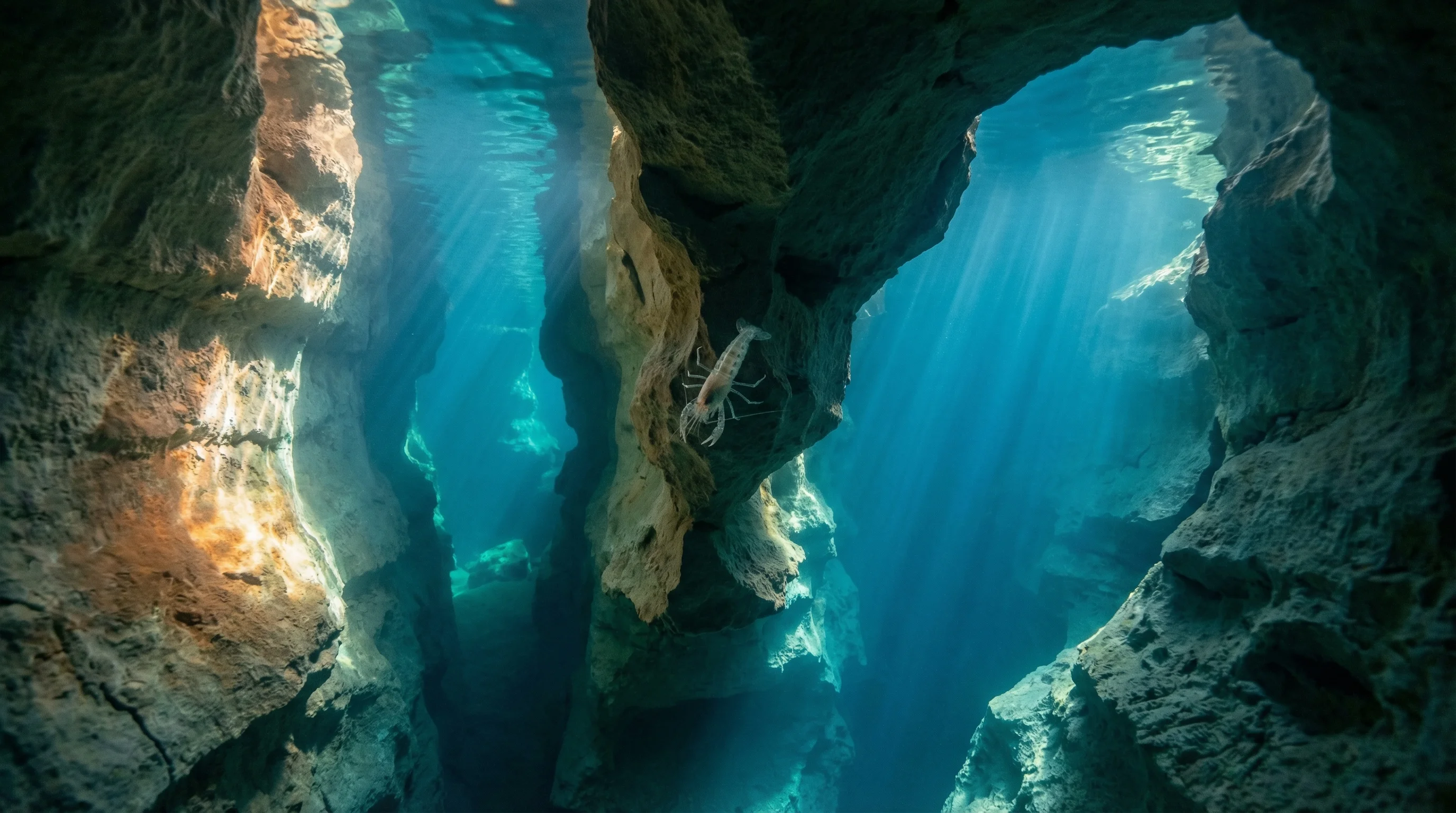
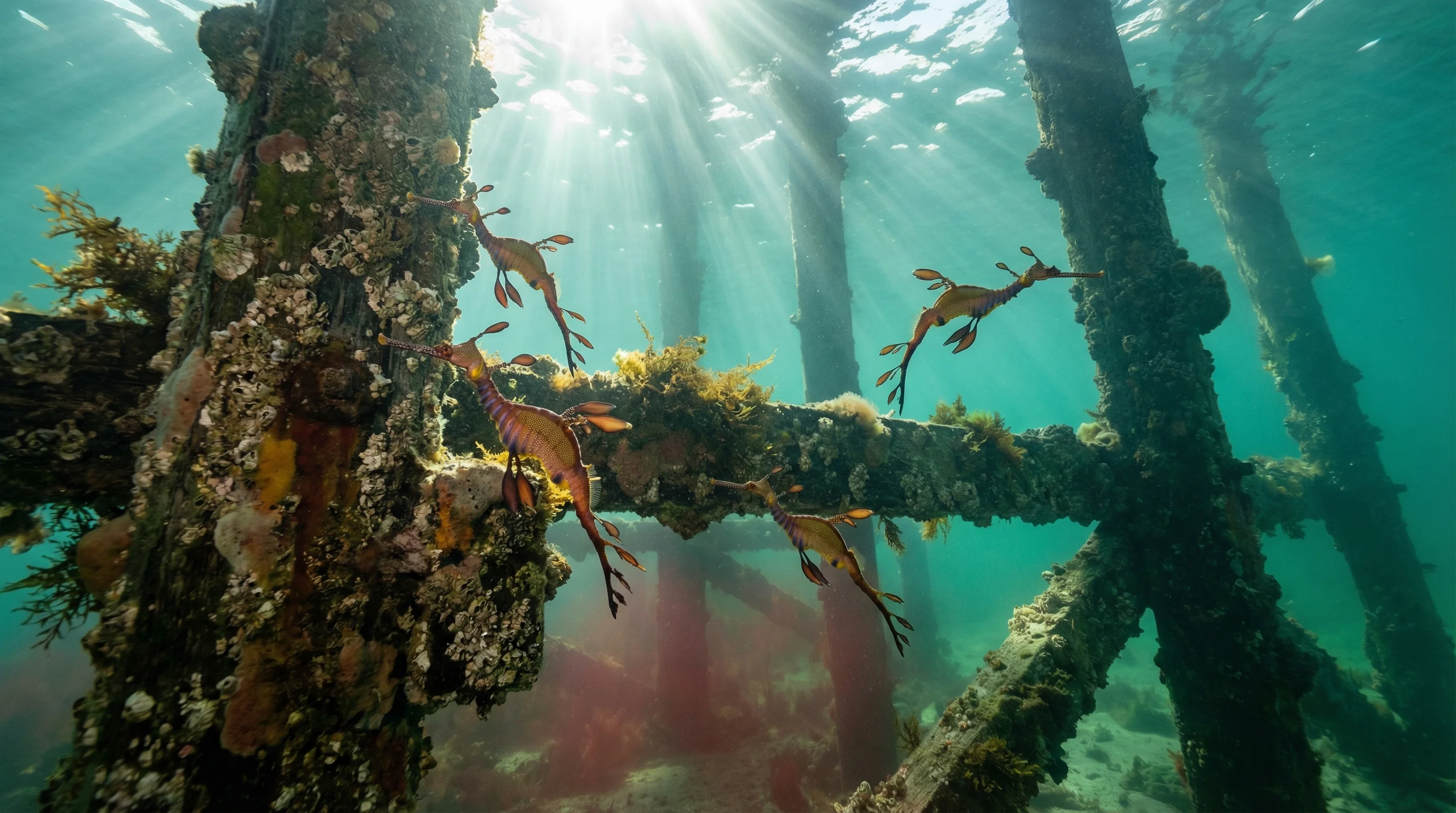
Port MacDonald Pier is a shore dive in South Australia that rewards slow, patient exploration. The pier pylons act as an artificial reef, hosting a surprisingly dense community of bryozoans, hydroids, soft coral, and gorgonian coral growing directly on the structure. Weedy sea dragons are a genuine highlight here, drifting close to the pylons where they blend into the growth. Crayfish and feather stars round out the marine life. The water is shallow and calm with no current, making it approachable for beginners, though visibility can vary and the water is cold, so a good wetsuit is essential. Watch your movements around the structure to avoid entanglement.
-38.05490, 140.70150
Bring a torch even during the day, as the underside of the pier and darker corners of the pylons are where the weedy sea dragons and crayfish tend to sit. Cold water is a constant here year-round, so a wetsuit of at least 5mm is strongly recommended.
The dive site is the jetty in the town of Port MacDonnell. Access is from the shore.
The bay can suffer from very poor visibility due to silt and potential pollution. There is a risk of entanglement on the jetty piles and any debris below.
Depth
0m
Visibility
0m
Skill Level
Beginner
Entry
Shore
Water Temp
14-18°C
Current
None
Typical Dive
50 min
Best Time
Year-round
Port Mac Donald Pier in South Australia is renowned for encounters with weedy sea dragons, alongside southern rock lobsters (crayfish), gorgonian coral, and soft corals. Divers regularly observe bryozoans, hydroids, and feather stars attached to the pier structure. This temperate water site near Mount Gambier offers diverse macro photography opportunities throughout the year.
Port Mac Donald Pier requires an Open Water certification as the minimum qualification. This beginner-friendly shore dive suits newly certified divers due to its easy entry and lack of current. The site provides an excellent opportunity for divers to build experience in temperate Australian waters.
The optimal diving season at Port Mac Donald Pier runs from January through August, covering the Australian summer through winter months. Water temperatures range from 12°C to 20°C throughout this period. Year-round diving is possible at this South Australian site, though winter months bring colder conditions requiring appropriate thermal protection.
Port Mac Donald Pier is accessed via shore entry with parking facilities available on site. Divers enter directly from the shoreline near the pier structure without requiring boat transport. The easy shore access makes this site particularly suitable for beginner divers exploring the South Australian coastline near Mount Gambier.
The primary hazards at Port Mac Donald Pier include entanglement risks from the pier structure and marine growth, cold water temperatures dropping to 12°C, and occasional limited visibility. Divers should carry cutting tools, wear appropriate thermal protection including a 7mm wetsuit or drysuit, and maintain close buddy contact. The site has no current, which reduces navigational challenges.
Port Mac Donald Pier is classified as a beginner-level dive site with straightforward shore entry and no current to navigate. Open Water certified divers can safely explore this South Australian location, though cold water temperatures require proper thermal protection. The pier structure provides easy navigation and abundant marine life for newly qualified divers.
Port Mac Donald Pier has no entry fee for divers visiting this South Australian site. Parking facilities are provided at no cost near the dive entry point. This makes it an economical shore diving option for those exploring the Mount Gambier region.
Yes, equipment rental is available at or near Port MacDonnell Pier in Mount Gambier. Contact local dive operators for specific gear availability and prices.
A 7mm wetsuit or semi-dry is recommended for diving at Port MacDonnell Pier in Mount Gambier. Water temperatures range from 14°C to 18°C.
A typical dive at Port MacDonnell Pier in Mount Gambier lasts approximately 50 minutes. Actual dive time depends on depth, air consumption, and conditions.