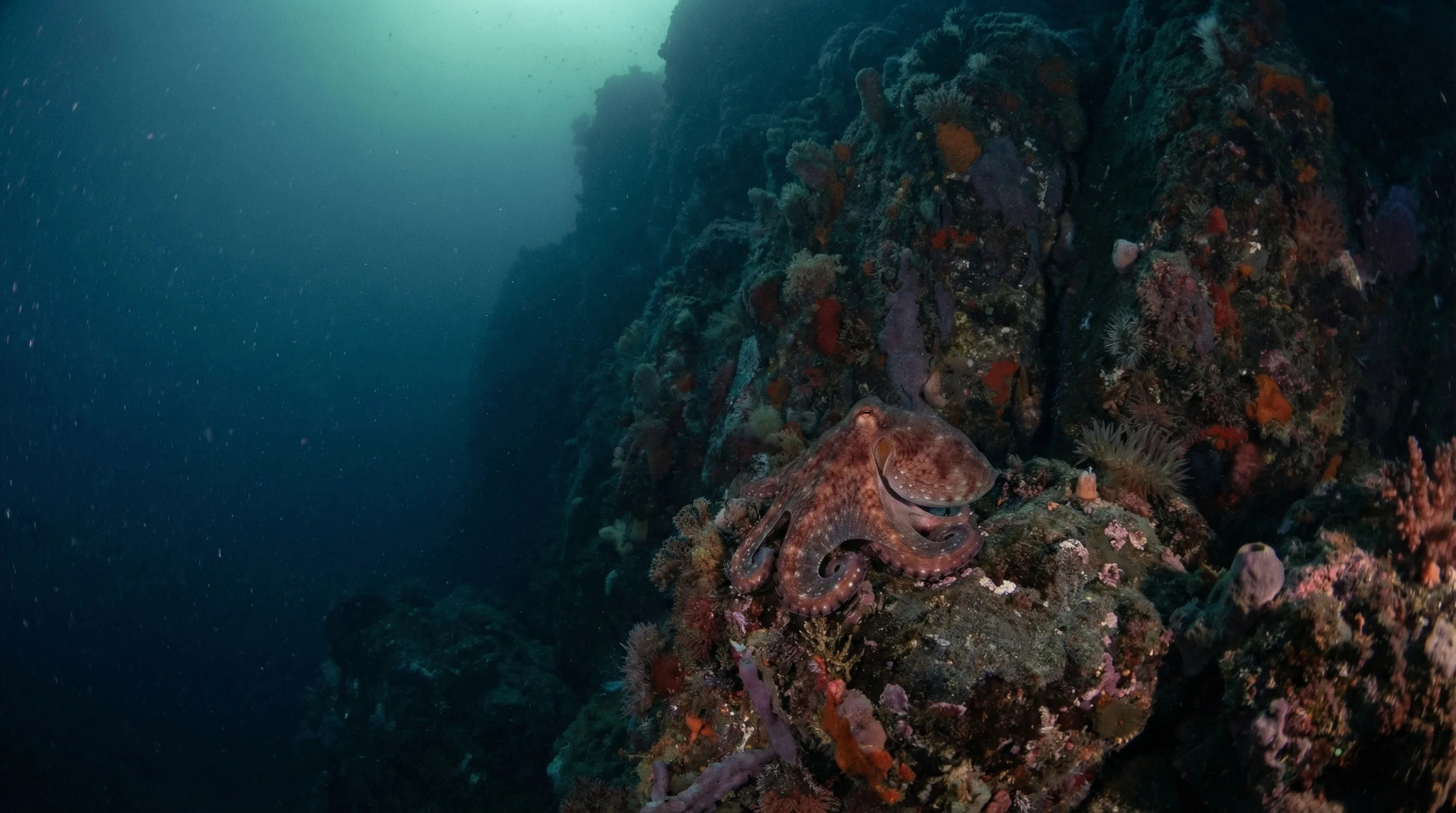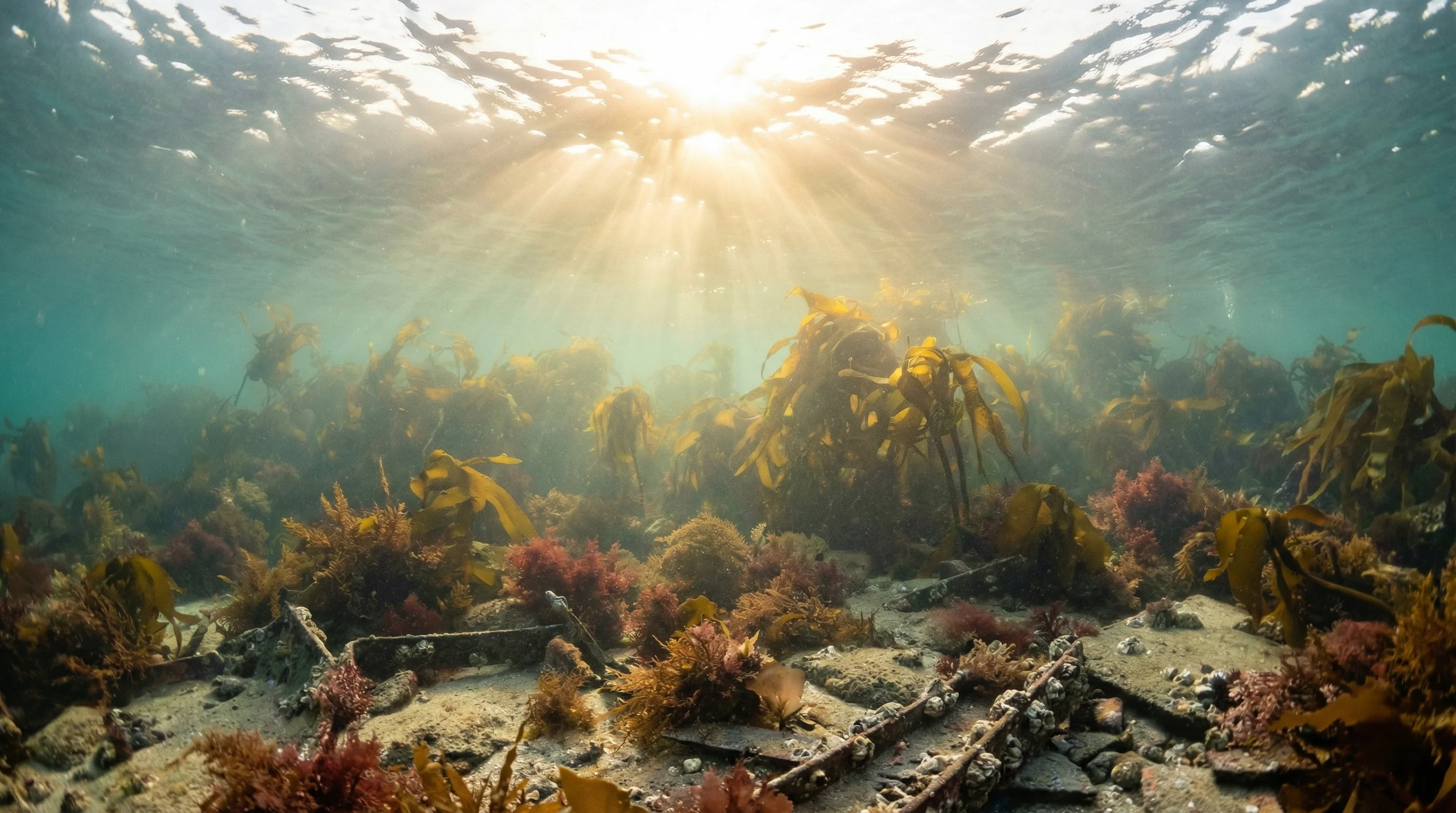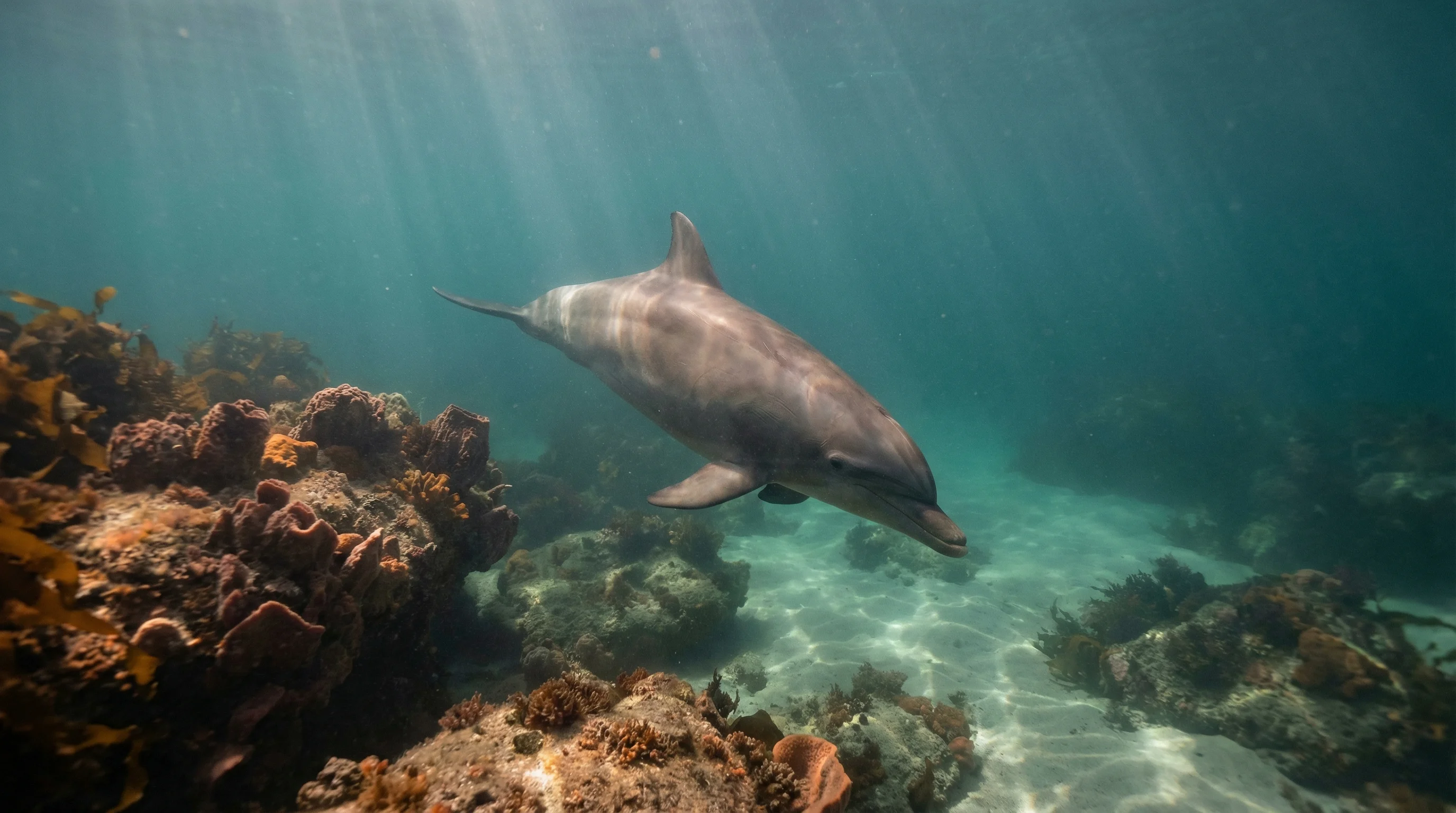
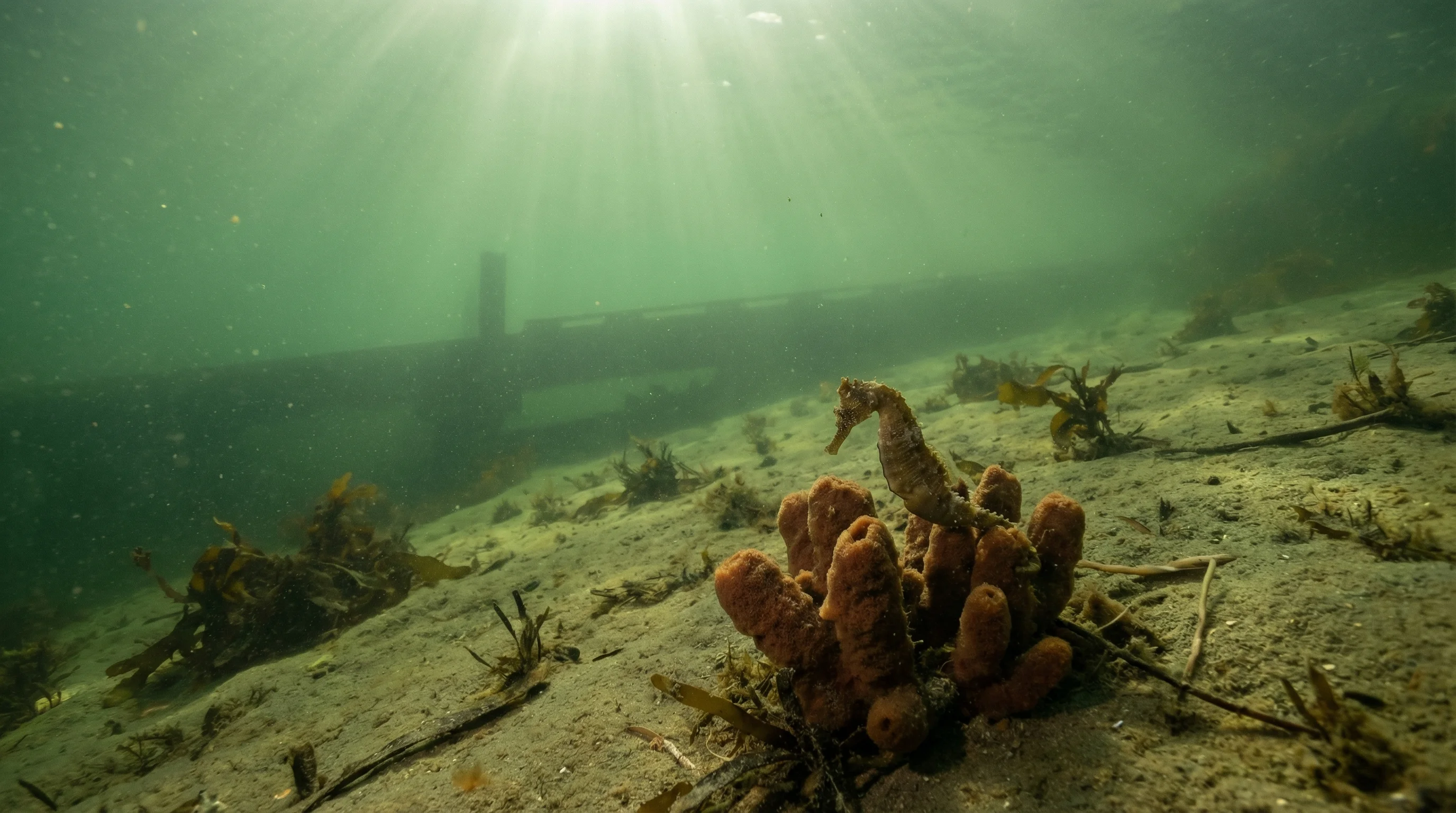
Kelso Boat Ramp is a shore entry site where a wall drops into deeper water, giving beginner divers an approachable structure to explore close to shore. Entry is straightforward from the ramp, but be aware that strong currents can run through the area and boat traffic is a real consideration, so tow a surface marker buoy. Visibility typically runs 5 to 8 metres, and you may encounter haloclines where fresh and salt water mix, causing a blurry, layered effect in the water column. Slow down along the wall and look carefully into the sponge growth for seahorses. Summer months from December through March offer the most reliable conditions.
-41.10629, 146.79867
Time your dive around slack water to avoid the strongest current, and keep a close eye on boat traffic, particularly on weekends when the ramp sees heavier use.
Access is via the Kelso Boat Ramp at 20 Kelso Jetty Rd, Kelso TAS 7270. It is described as an easy shore entry.
Divers should be aware of strong tidal currents and plan dives accordingly. As the entry is a boat ramp, there is a risk of boat traffic. The water can have a tannin-stained freshwater layer affecting visibility and buoyancy.
Depth
0-30m
Visibility
5-8m
Skill Level
Beginner
Entry
Shore
Water Temp
12-18°C
Current
Strong
Best Time
Jan, Feb, Mar, Dec
Kelso Boat Ramp in Tasmania offers diving from 0 to 30 metres depth, making it suitable for divers of varying experience levels. The site provides both shallow areas for training and deeper sections for more experienced divers. The maximum depth of 30 metres allows for extended bottom time within recreational limits.
An Open Water diving certification is required to dive at Kelso Boat Ramp. This entry-level certification is sufficient due to the site's beginner-friendly classification, though divers should be comfortable managing strong currents. Advanced certifications are not mandatory but may help with current management skills.
Kelso Boat Ramp is known for seahorse sightings and diverse soft sponges throughout the site. The cooler Tasmanian waters support these temperate species, with seahorses often found clinging to sponges and kelp. Visibility of 5 to 8 metres requires careful observation to spot these smaller marine creatures.
The best months to dive Kelso Boat Ramp are December through March during the Australian summer. Water temperatures during this period range from 12 to 18 degrees Celsius, with March typically offering the warmest conditions. These summer months also provide longer daylight hours for shore diving.
Kelso Boat Ramp is classified as a beginner dive site, though it presents challenges that require proper preparation. Strong currents are a notable hazard, so beginners should dive with experienced guides or buddies familiar with the site. The shore entry and shallow starting depth make it accessible for newly certified Open Water divers building their skills.
Kelso Boat Ramp presents four key hazards: strong currents, boat traffic, low visibility, and a halocline layer. Divers must plan entries and exits around current conditions and maintain awareness of boat activity near the ramp. The limited visibility of 5 to 8 metres combined with the halocline requires careful buoyancy control and close buddy contact.
No boat is required to dive Kelso Boat Ramp as it features convenient shore access. Parking facilities are available at the site, allowing divers to kit up and enter directly from the shore. The boat ramp itself is primarily a hazard to be aware of due to vessel traffic rather than a requirement for diving access.
There is no entry fee to dive at Kelso Boat Ramp in Tasmania. The site offers free public access with parking facilities available for divers. This makes it an economical choice for shore diving in the Kelso area.
A 7mm wetsuit or semi-dry is recommended for diving at Kelso Boat Ramp in Kelso. Water temperatures range from 12°C to 18°C.
Kelso Boat Ramp in Kelso has a maximum depth of 30 metres.
Yes, night diving is available at Kelso Boat Ramp in Kelso. Night dives often reveal different marine life including nocturnal creatures. Always dive with proper lighting and a buddy.