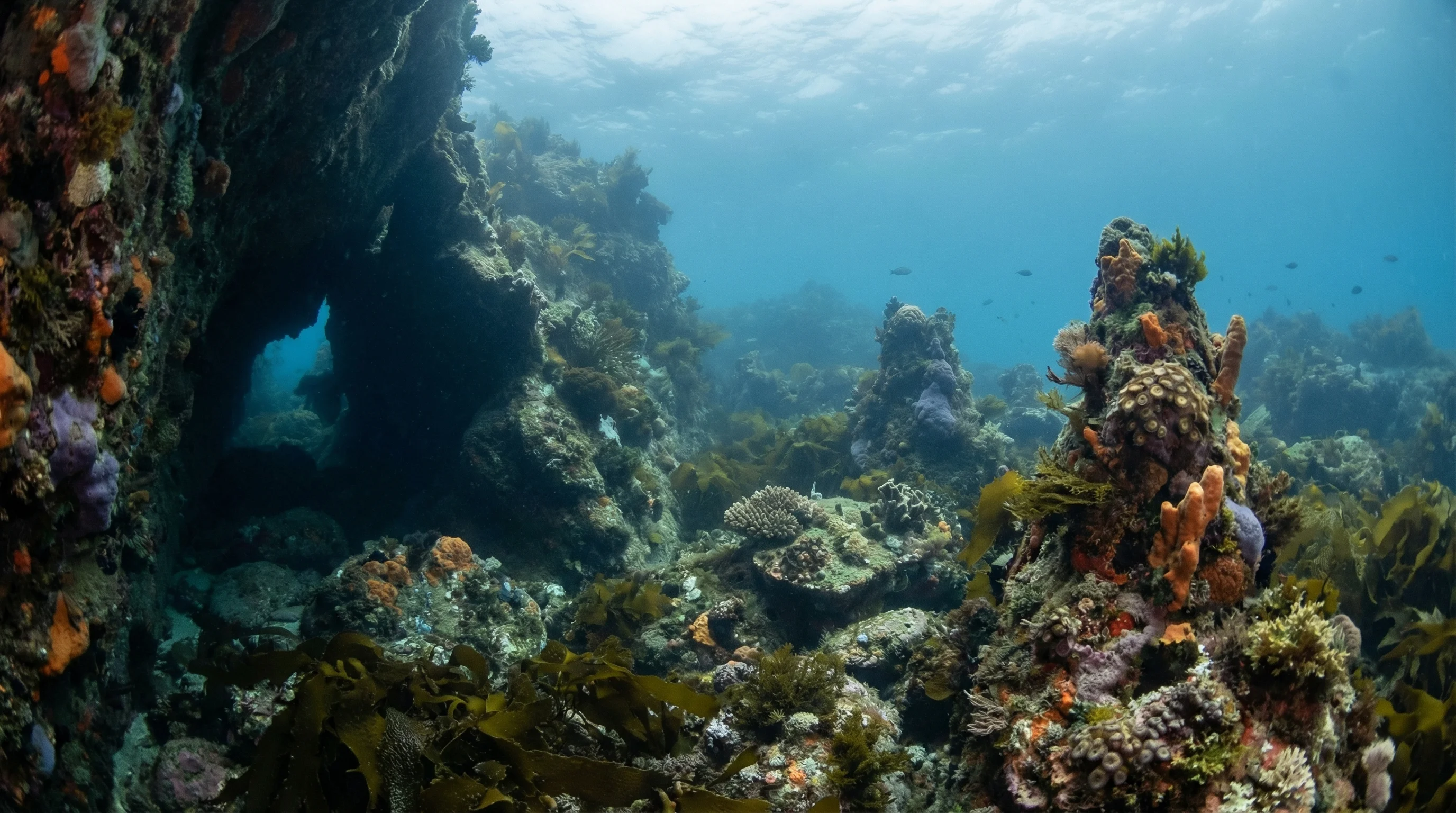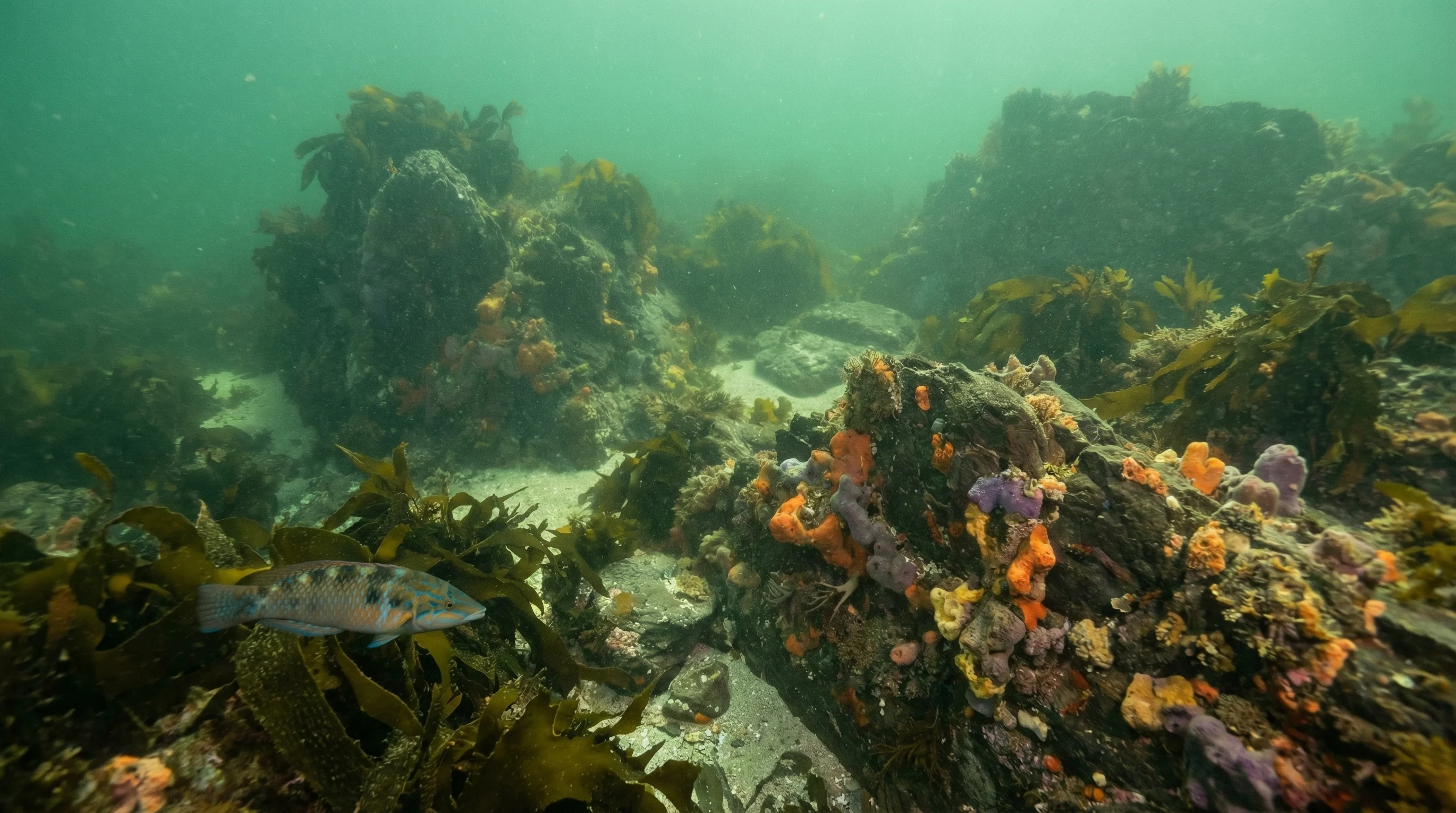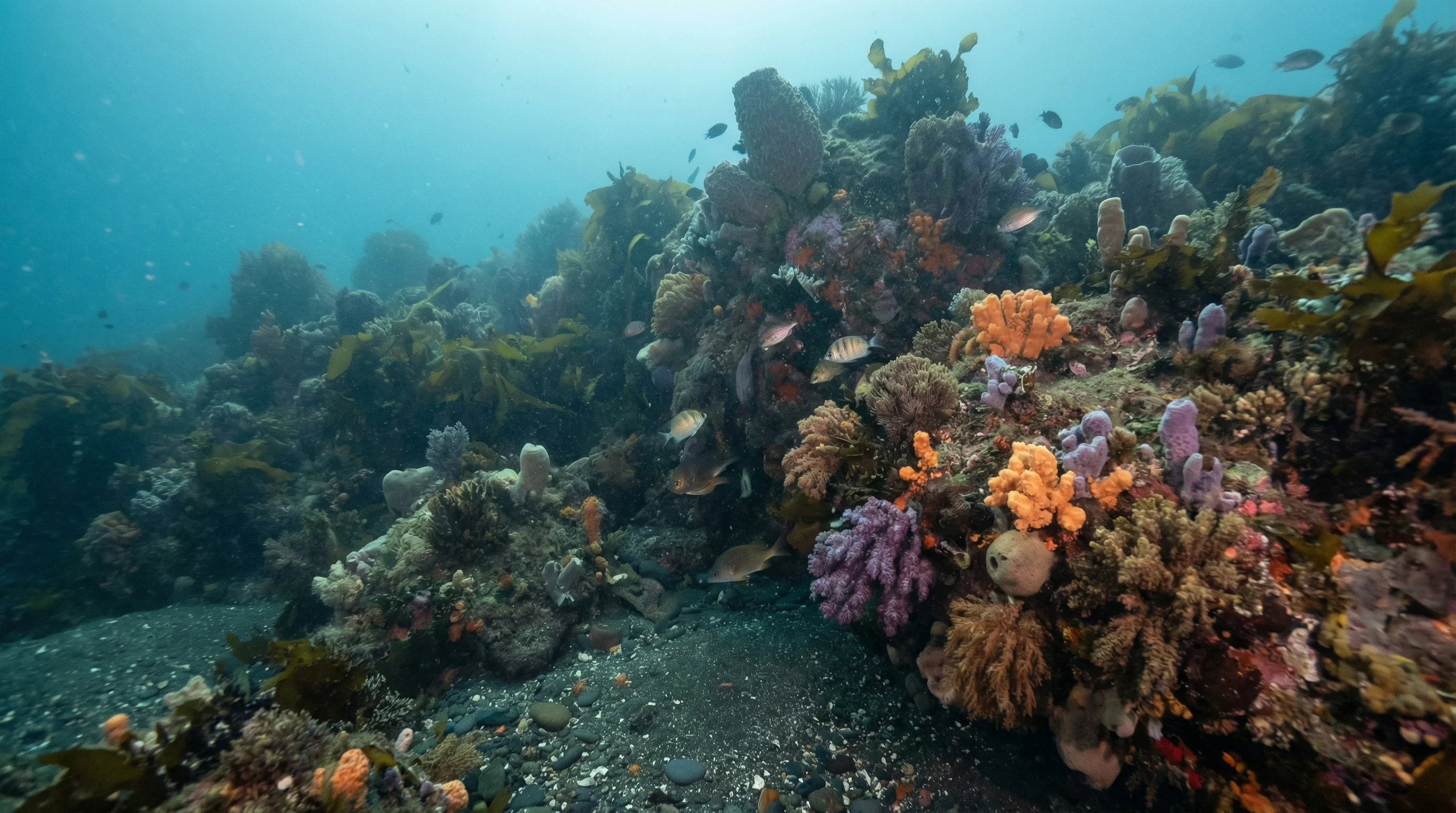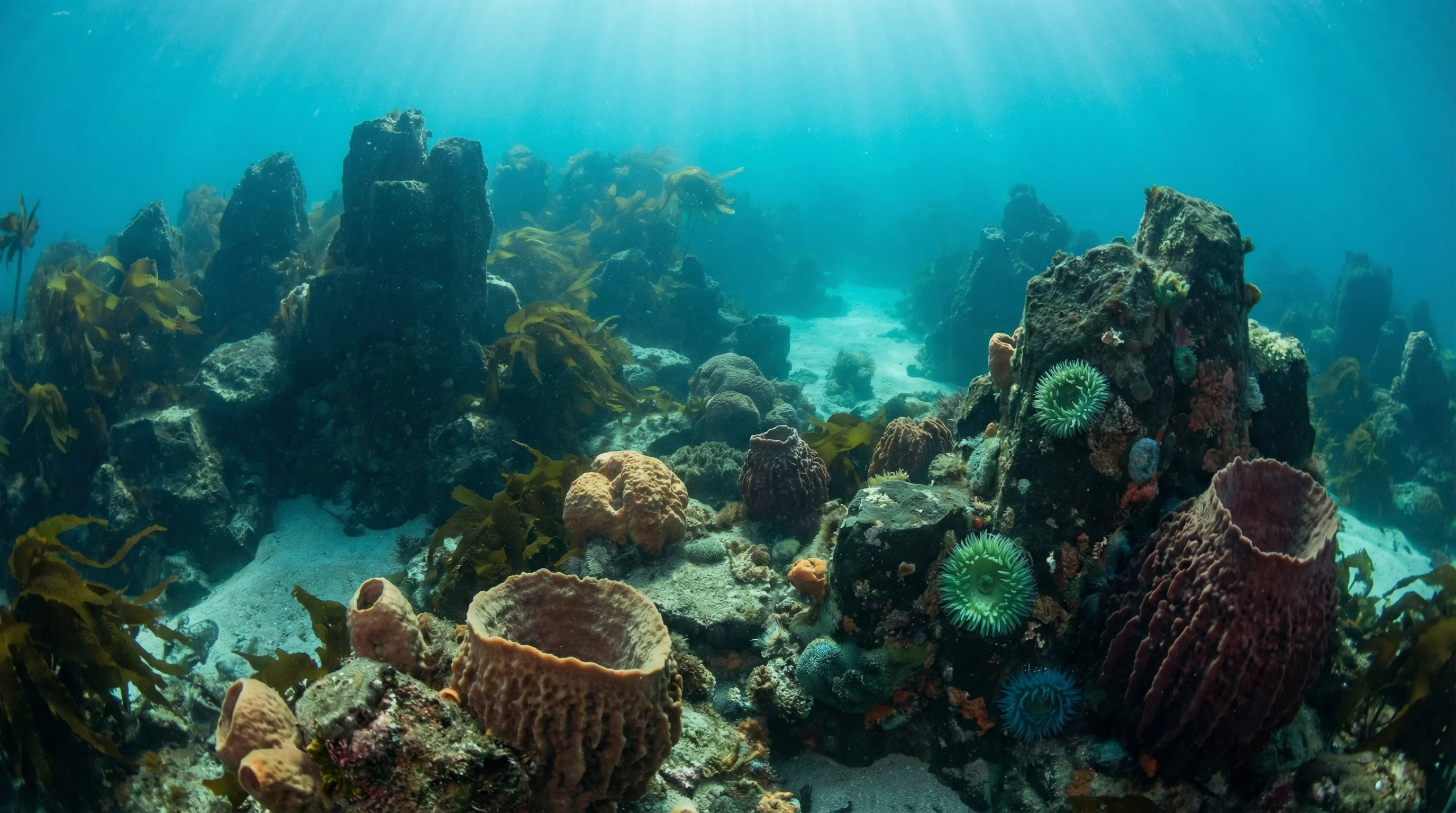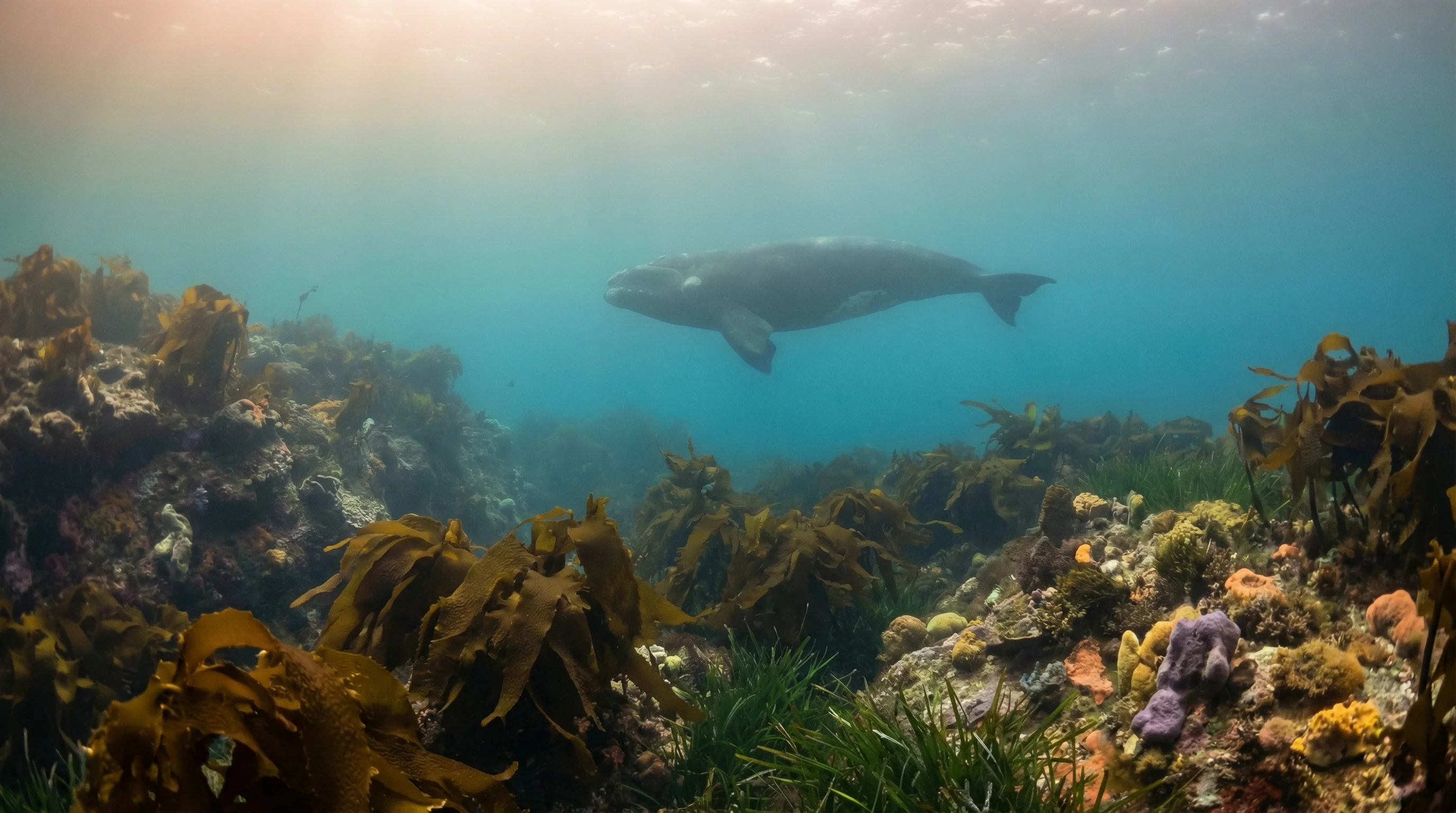
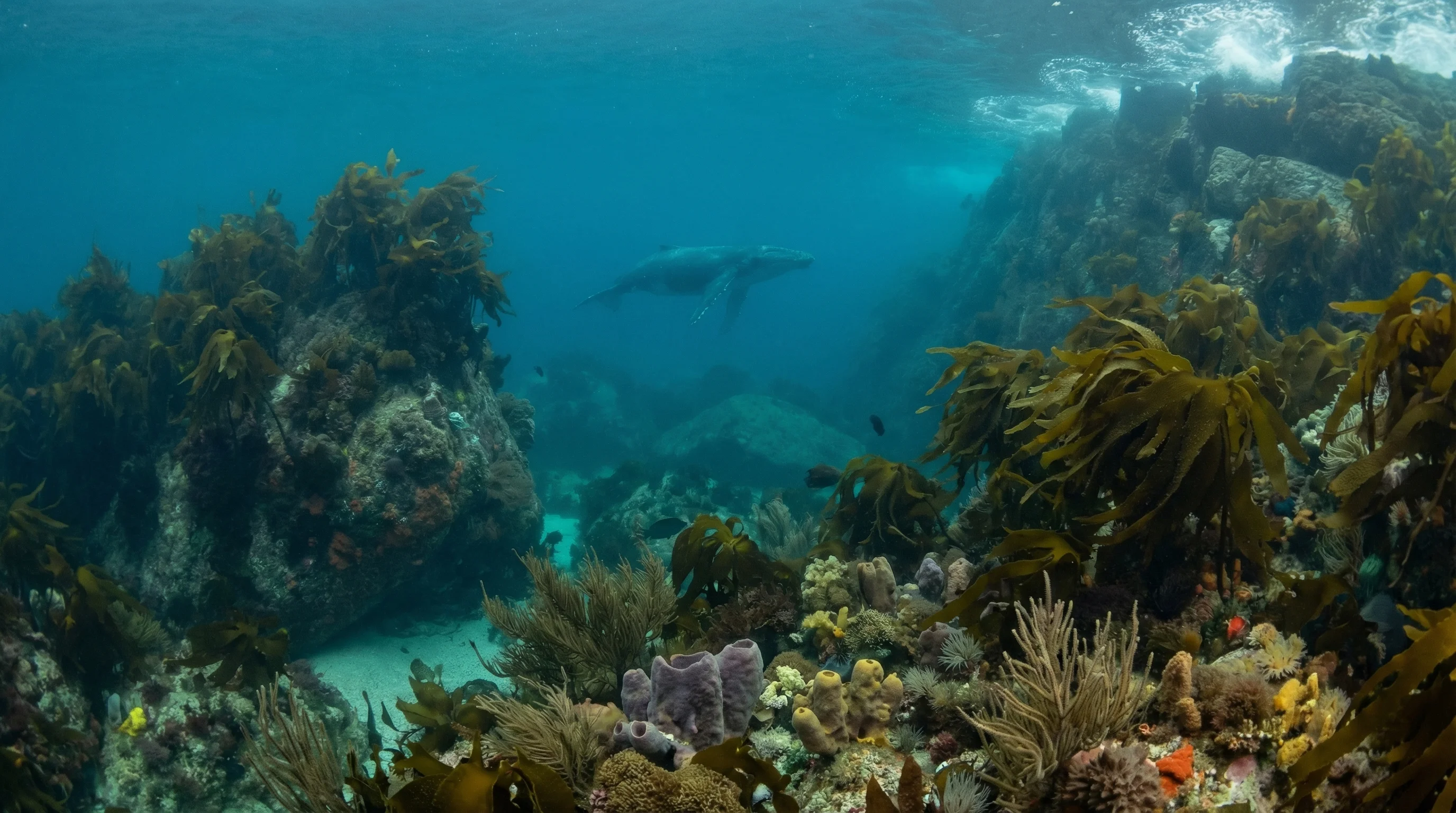
Rocky Cape National Park offers reef diving along a rugged Tasmanian coastline where kelp forests dominate the shallows and the terrain drops to around 22 metres. Visibility varies considerably depending on conditions, so checking the forecast before you commit is worthwhile. Mild currents keep diving manageable for intermediate divers, though cold water requires a quality wetsuit or drysuit. The reef hosts wrasse, leatherjackets, large rays, and seapike moving through the kelp, while sponges and gorgonians appear in deeper sections. Seals are encountered here, and dolphins and whales pass through during the summer and autumn months.
-40.91850, 145.56300
Summer through to early autumn, roughly December to May, gives you the best chance of calm conditions and wildlife encounters, including whale sightings. Cold Tasmanian water demands at least a 7mm wetsuit or a drysuit regardless of the time of year.
Access is via the shore at Sisters Beach, a small hamlet within the national park. Parking and public toilets are available near the beach. A valid Tasmanian National Parks Pass is required for entry to the park.
Snorkelers have been surprised by large rays near the jetty area. Water is cold, requiring a wetsuit.
Depth
10-22m
Visibility
10-30m
Skill Level
Intermediate
Entry
Shore & Boat
Water Temp
23-28°C
Current
Mild
Typical Dive
40 min
Best Time
Jan, Feb, Mar, Apr, May, Dec
Rocky Cape National Park in Tasmania offers encounters with seapike, wrasse, leatherjackets, and sponges in the kelp forests. Snorkellers may also spot large rays gliding through the water, whilst seals, dolphins, and seasonal whales frequent the surrounding coastal waters. The diverse marine ecosystem reflects Tasmania's cool temperate underwater environment.
Water temperatures at Rocky Cape National Park range from 12°C to 18°C throughout the year. These cold water conditions require proper thermal protection, with most snorkellers wearing at least a 5mm wetsuit or semi-dry suit. The coolest temperatures typically occur during winter months, whilst summer brings slightly warmer conditions.
The best months for snorkelling at Rocky Cape National Park are January through May and December. These summer and early autumn months offer the warmest water temperatures and calmest sea conditions on Tasmania's northwest coast. Weather patterns during this period provide more consistent visibility and safer entry conditions.
Rocky Cape National Park offers shore-based snorkelling access without requiring a boat, though boat charters are available for those wanting to explore further offshore. The site provides direct entry from the rocky coastline with parking and toilet facilities available. Boat access can extend your range to deeper areas and different kelp bed locations.
Rocky Cape National Park requires intermediate snorkelling skills due to cold water conditions and mild currents. Snorkellers must be comfortable managing thermal protection in 12-18°C water and navigating rocky coastal entries. The exposed northwest Tasmanian location demands reasonable fitness and experience with variable ocean conditions.
There is no entry fee to snorkel at Rocky Cape National Park. The site provides free access with basic facilities including parking and toilets. Costs only apply if you choose to use optional boat charter services to access offshore snorkelling areas.
The primary hazards at Rocky Cape National Park are cold water exposure and potential marine life interactions. Water temperatures of 12-18°C create hypothermia risk without adequate thermal protection. Seals and other wildlife inhabit the area, requiring respectful distance and awareness of animal behaviour.
Diving at Rocky Cape in West Coast requires the following certifications: Open Water. Always dive within your training limits.
A 3mm wetsuit is recommended for diving at Rocky Cape in West Coast. Water temperatures range from 23°C to 28°C.
Rocky Cape in West Coast has depths ranging from 10 metres to 22 metres.
Rocky Cape in West Coast offers snorkelling with a rating of 1 out of 5.
A typical dive at Rocky Cape in West Coast lasts approximately 40 minutes. Actual dive time depends on depth, air consumption, and conditions.