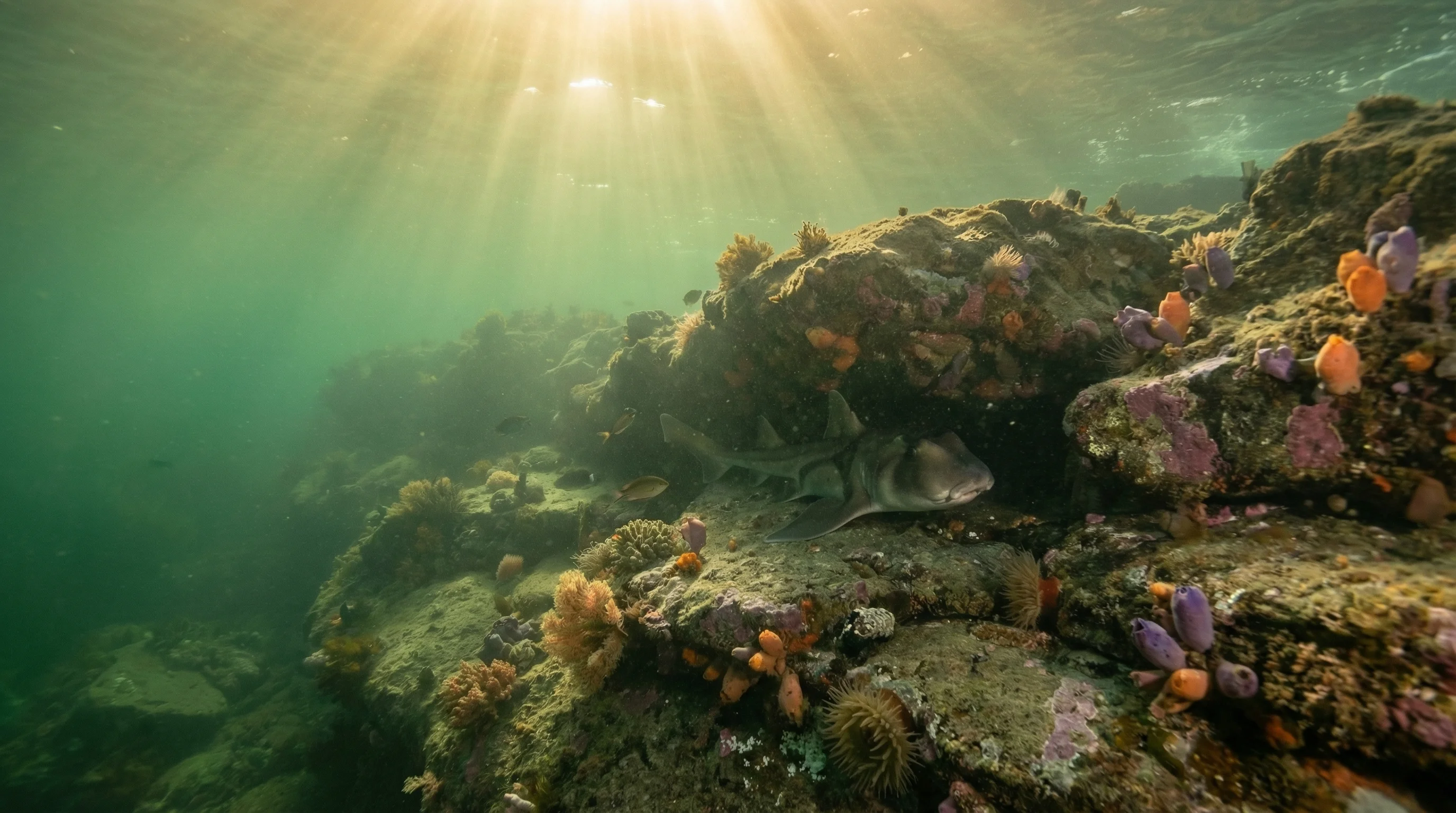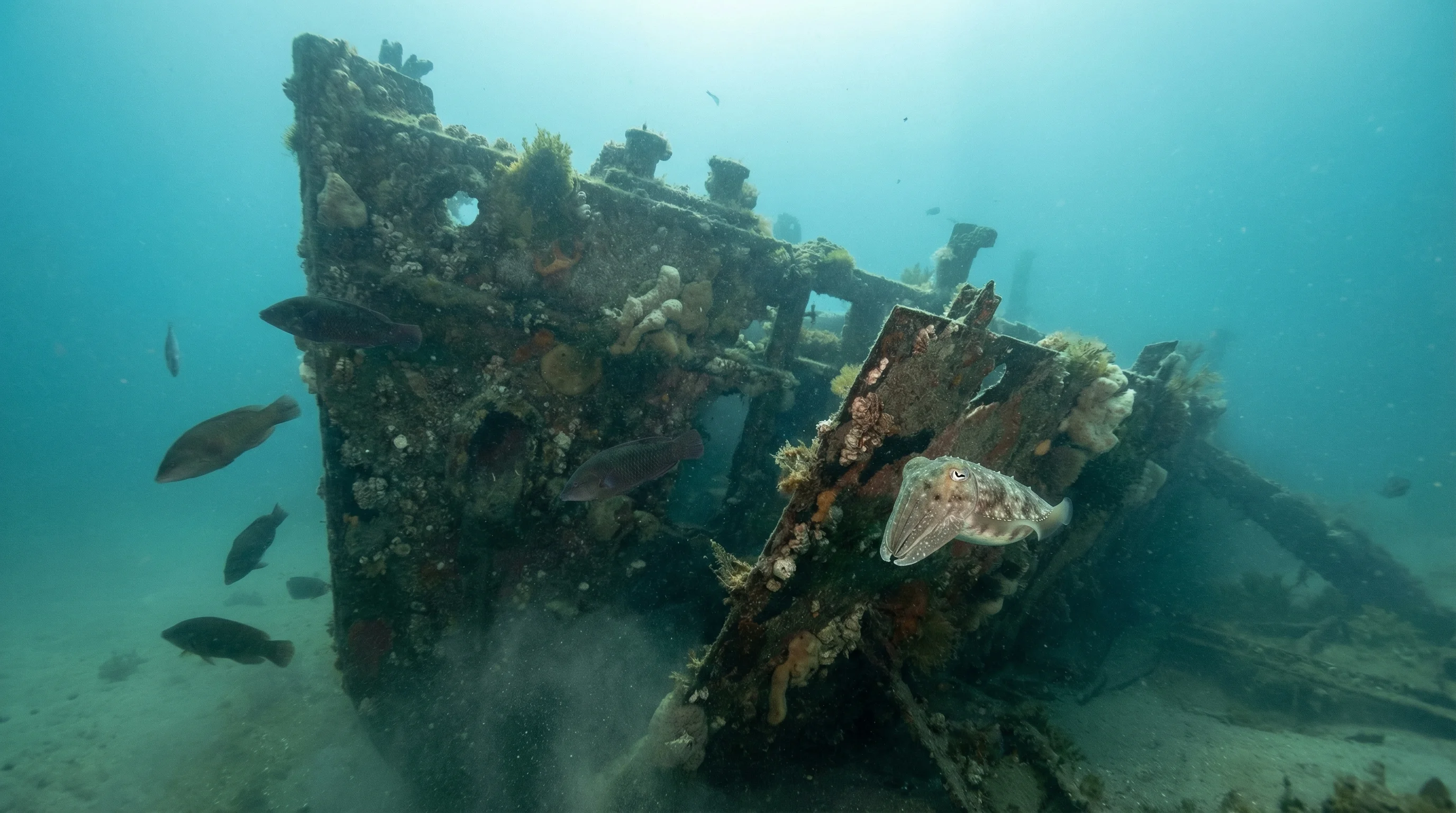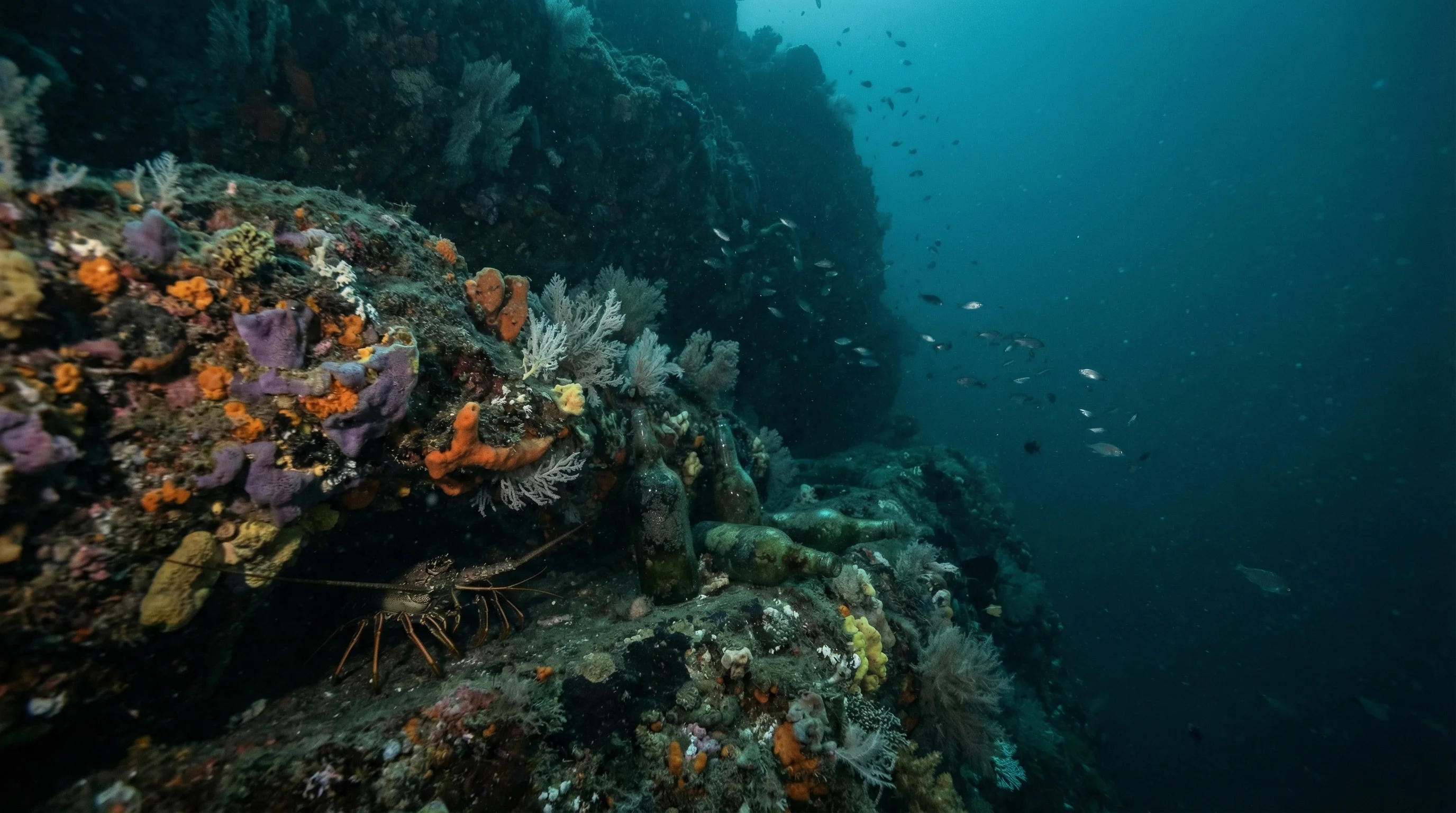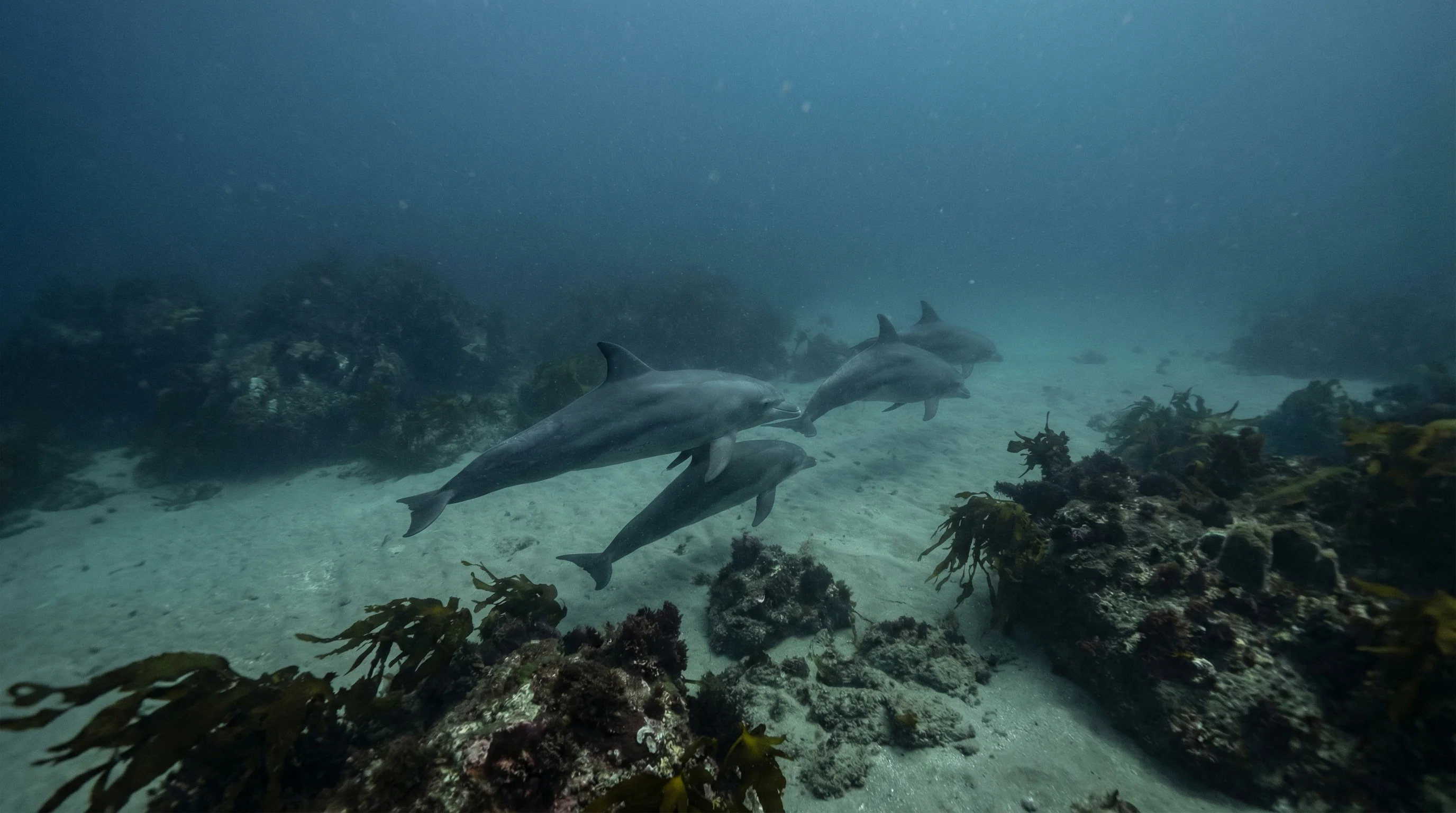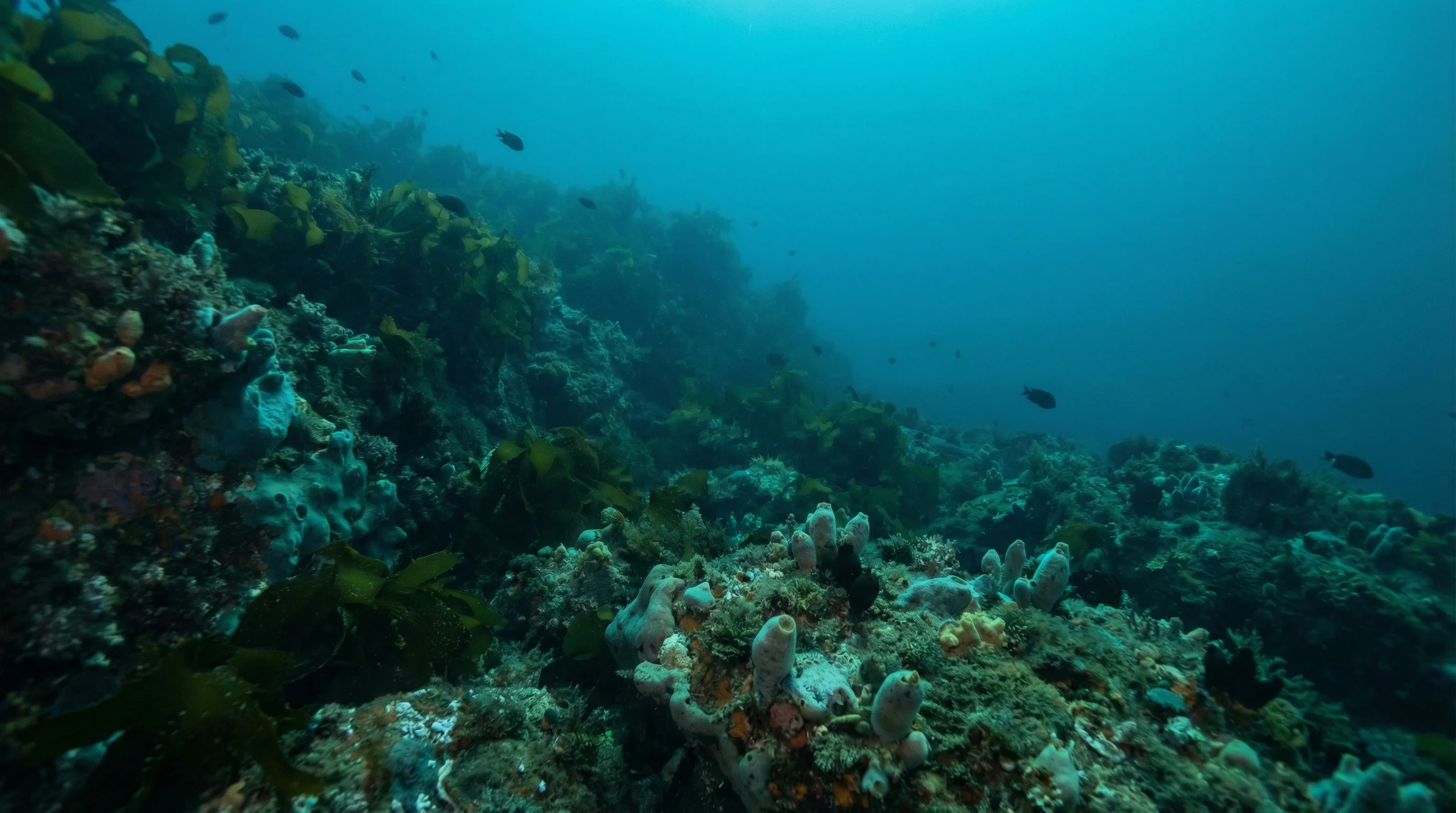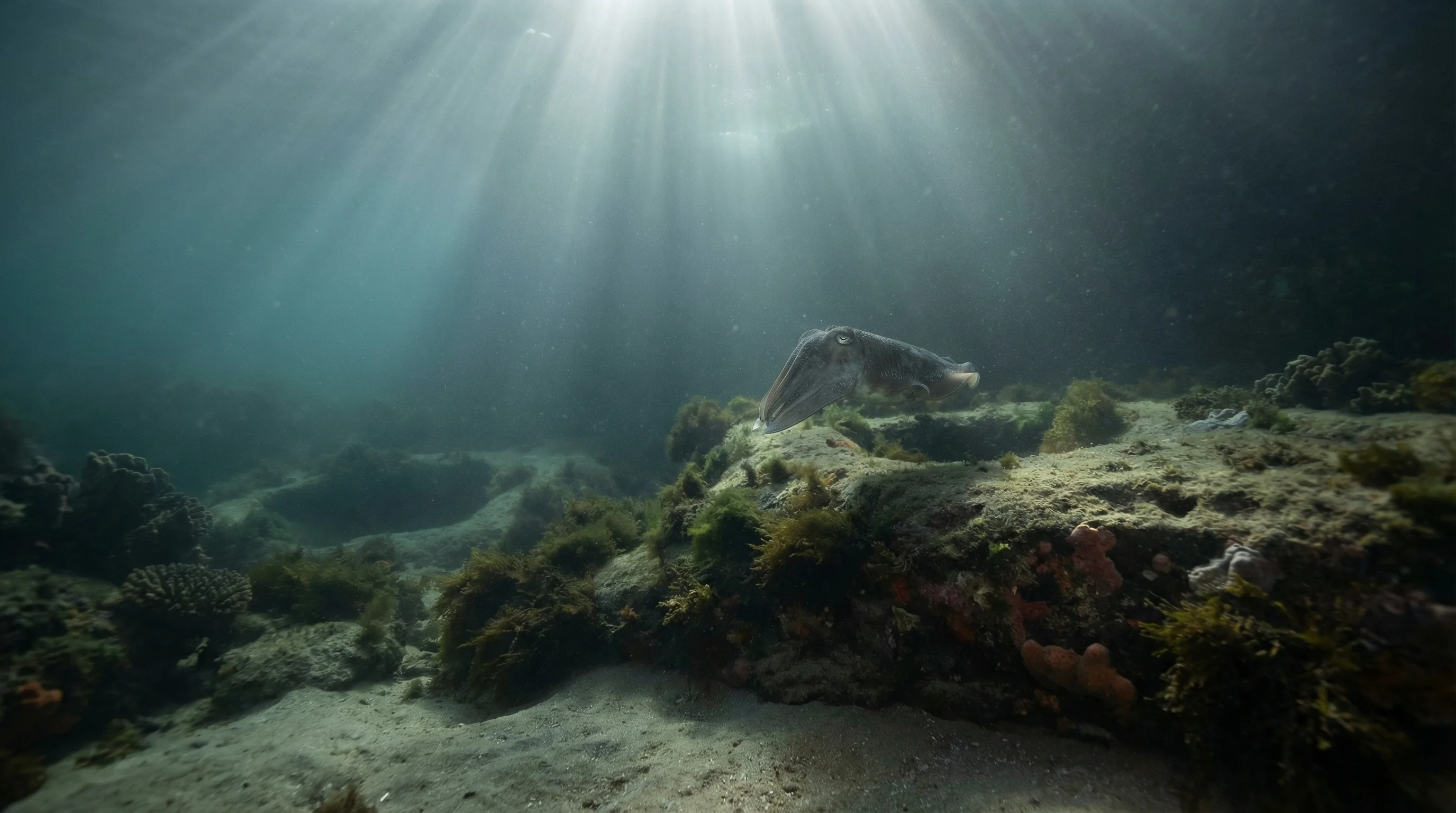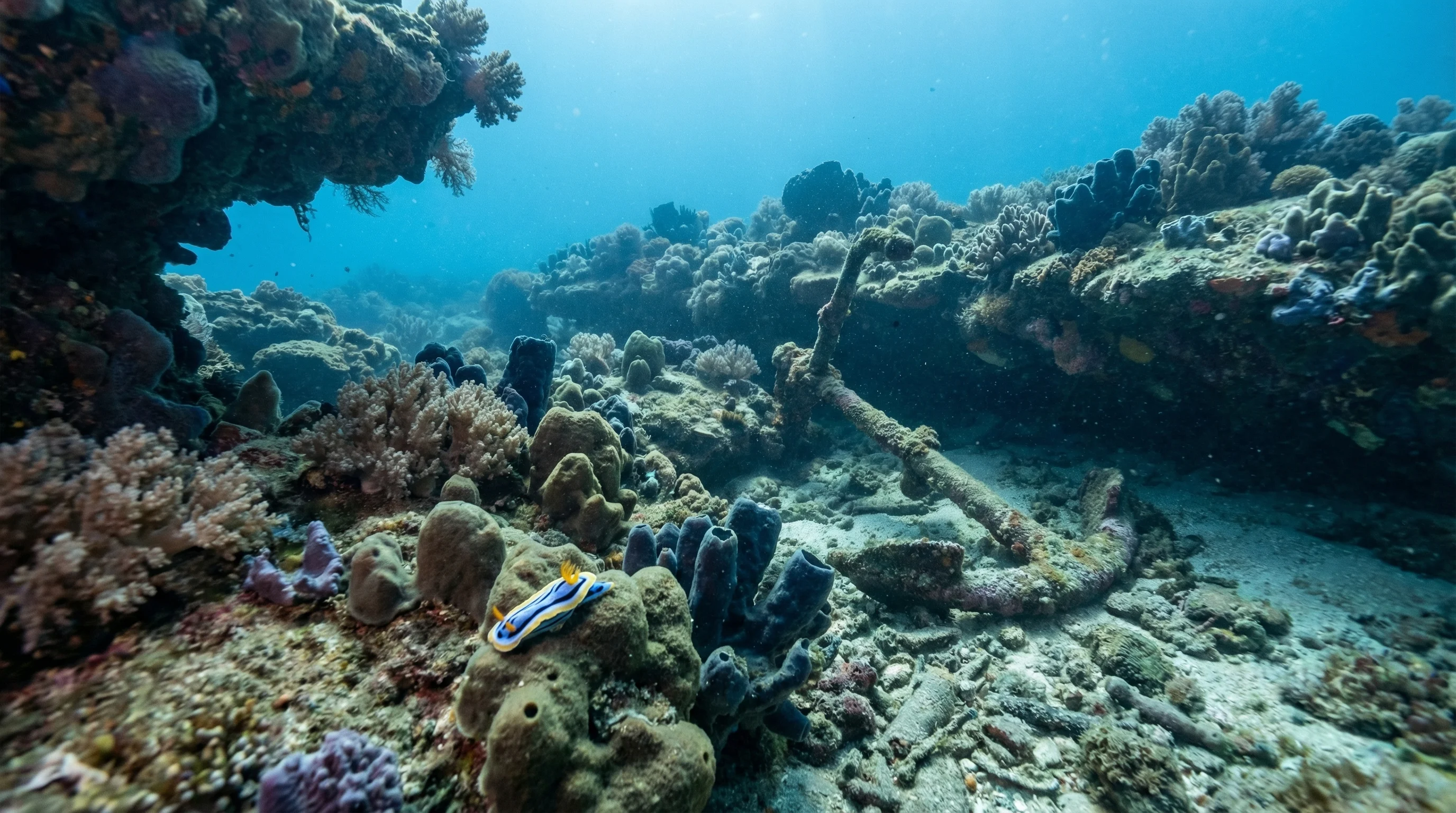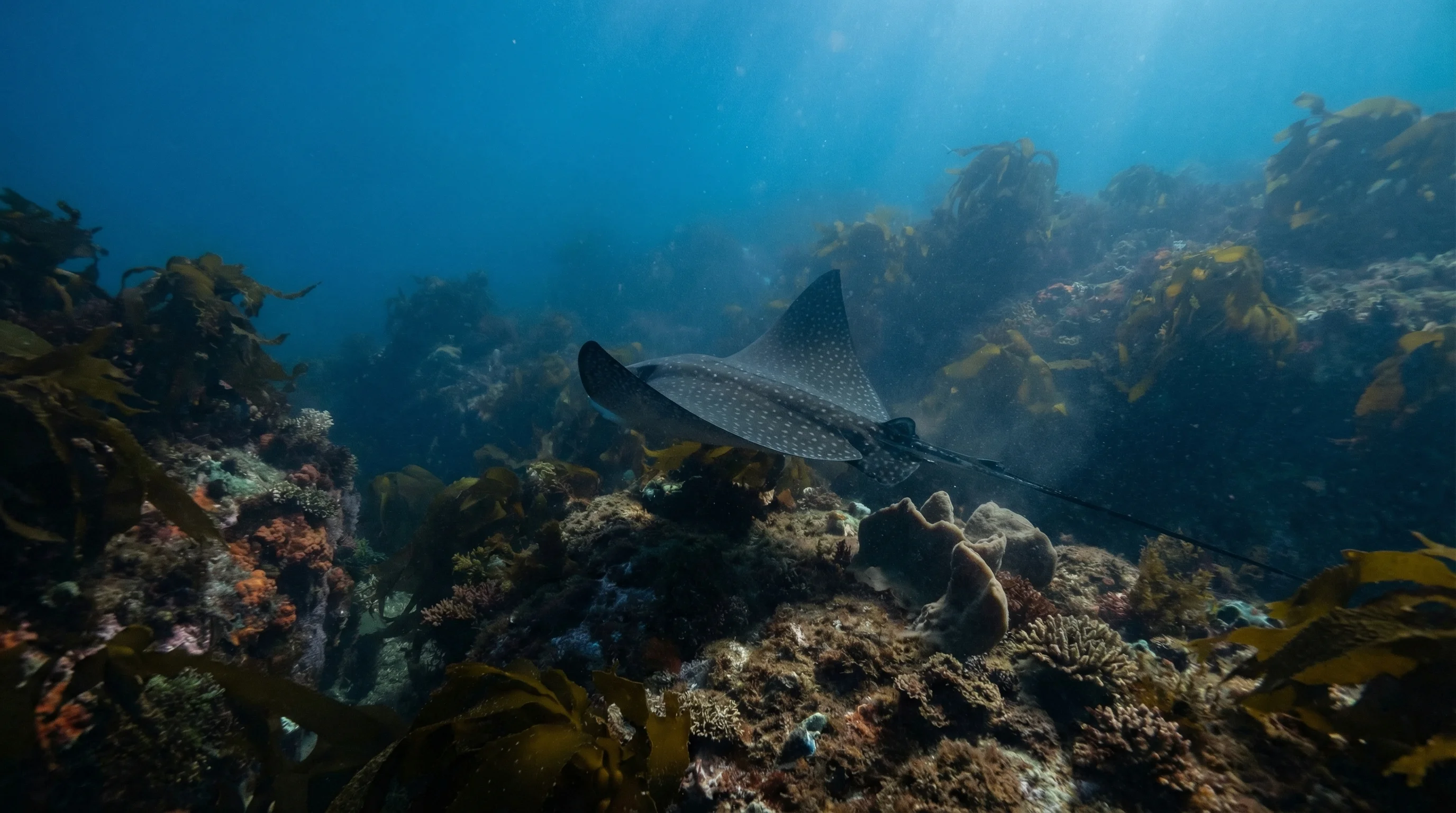
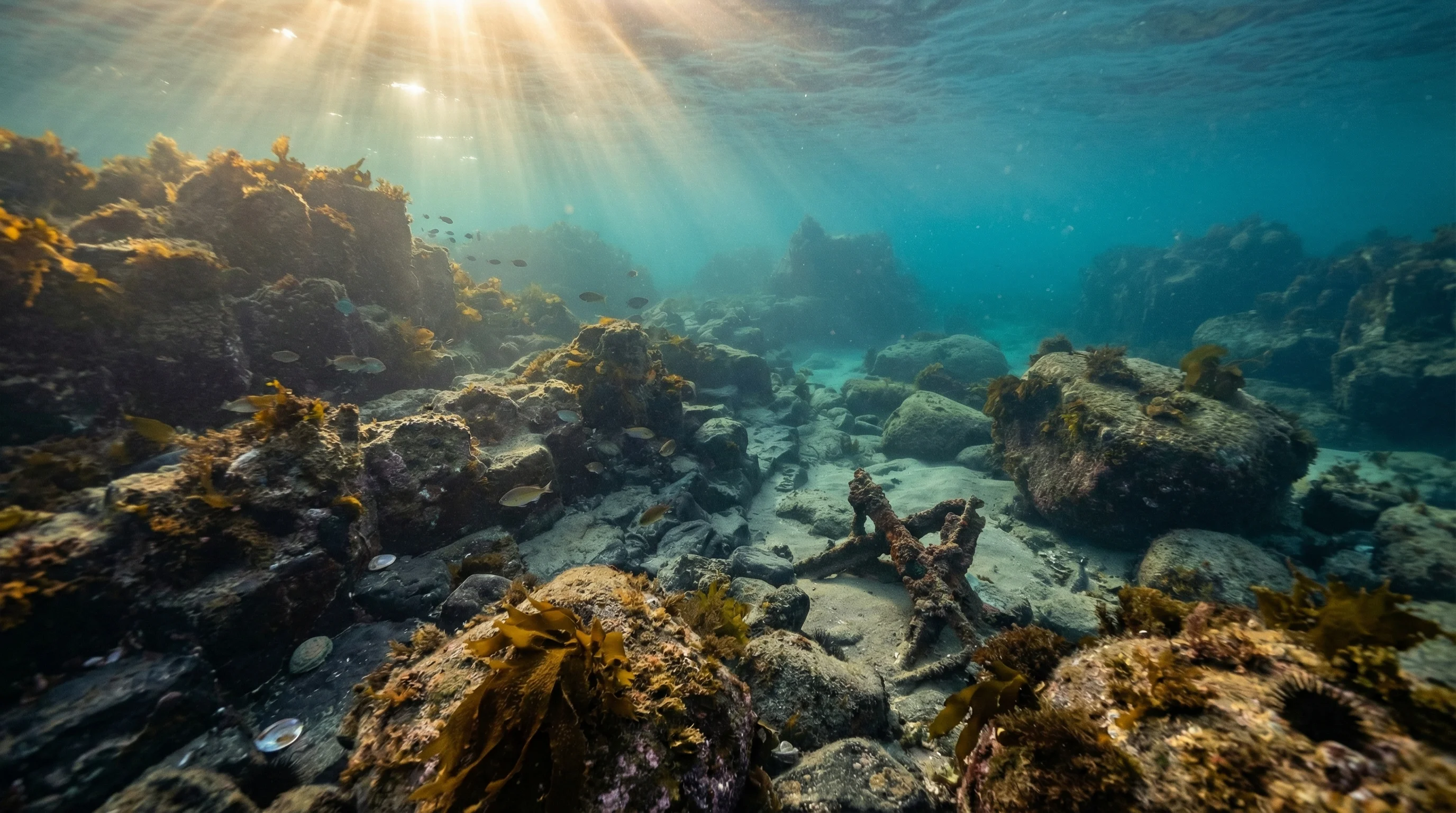
Cheviot Beach carries a serious reputation among Victoria's diving community, and the conditions demand respect before you enter the water. Strong rip currents and surf make this a site reserved for experienced divers who understand how to read a beach and manage powerful water movement. Once underwater, the reef supports a range of local species, though variable visibility means conditions shift considerably between dives. Sharp coral adds another layer of awareness required throughout the dive. Best approached during the calmer summer and autumn months, from December through May, when conditions are marginally more manageable.
-38.31150, 144.66350
Scout the entry point carefully before suiting up and wait for a lull in the surf before committing to the water. Timing your dive around slack periods and avoiding the site after recent swells will give you the best chance of workable visibility.
Access to Cheviot Beach is restricted. It can be reached via a steep descent from a road within the former Commonwealth Land area near Point Nepean. A lookout on Cheviot Hill overlooks the beach.
Swimming at Cheviot Beach is prohibited for safety reasons. Surf Life Saving Australia rates the beach as "extremely hazardous" with a general hazard rating of 7/10. Dangers include rocks, reefs, and strong permanent rips. The beach is unpatrolled.
Depth
5-15m
Skill Level
Expert
Entry
Shore
Water Temp
13-18°C
Current
Strong
Best Time
Jan, Feb, Mar, Apr, May, Dec
Cheviot Beach on the Mornington Peninsula requires expert-level snorkelling skills. The site presents strong currents, rip currents, surf conditions and sharp coral hazards that demand advanced water confidence and navigation abilities. Only experienced snorkellers familiar with challenging ocean conditions should attempt this site.
Cheviot Beach presents multiple serious hazards including strong rip currents, powerful surf, fast-moving currents and sharp coral. These conditions make it one of the more dangerous snorkelling locations on the Mornington Peninsula and require constant vigilance. Expert swimmers have drowned at this beach, so extreme caution is essential.
The optimal months for snorkelling at Cheviot Beach are December through May, covering the Australian summer and early autumn. Water temperatures during this period range from 13 to 18 degrees Celsius. Even during the best season, currents remain strong and conditions can be hazardous.
Cheviot Beach requires shore entry directly from the beach into surf and strong currents. Parking facilities are available near the beach access point. No boat is required, but timing your entry between wave sets and avoiding rip current zones is critical for safety.
Cheviot Beach on the Mornington Peninsula features strong currents year-round with water temperatures between 13 and 18 degrees Celsius. The site experiences significant surf and powerful rip currents that can quickly pull snorkellers away from shore. These challenging conditions contribute to its expert-only classification.
Cheviot Beach has no entry fee and provides free parking facilities. The site is publicly accessible from the Mornington Peninsula road network. Despite free access, the hazardous conditions mean proper preparation and expert-level skills are more important than any cost considerations.
Cheviot Beach receives a 1 out of 5 snorkelling rating due to its extreme hazards and challenging conditions rather than poor underwater scenery. The combination of strong rip currents, powerful surf, fast currents and sharp coral creates dangerous conditions that outweigh any snorkelling benefits. The site is primarily significant for its notorious reputation rather than recreational snorkelling quality.
Diving at Cheviot Beach in Mornington Peninsula requires the following certifications: Advanced. Always dive within your training limits.
A 7mm wetsuit or semi-dry is recommended for diving at Cheviot Beach in Mornington Peninsula. Water temperatures range from 13°C to 18°C.