Montastraea cavernosa
1-113m
1604 sites
Montastraeidae
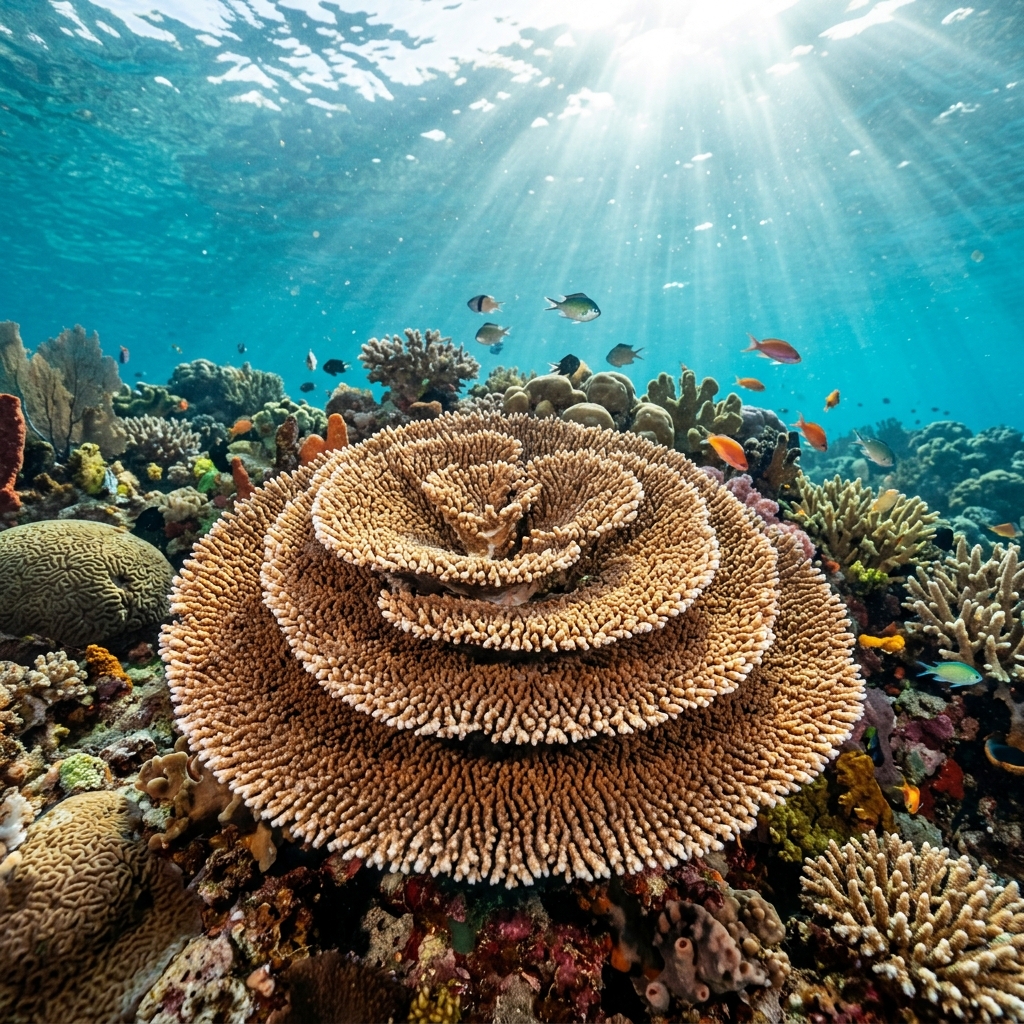
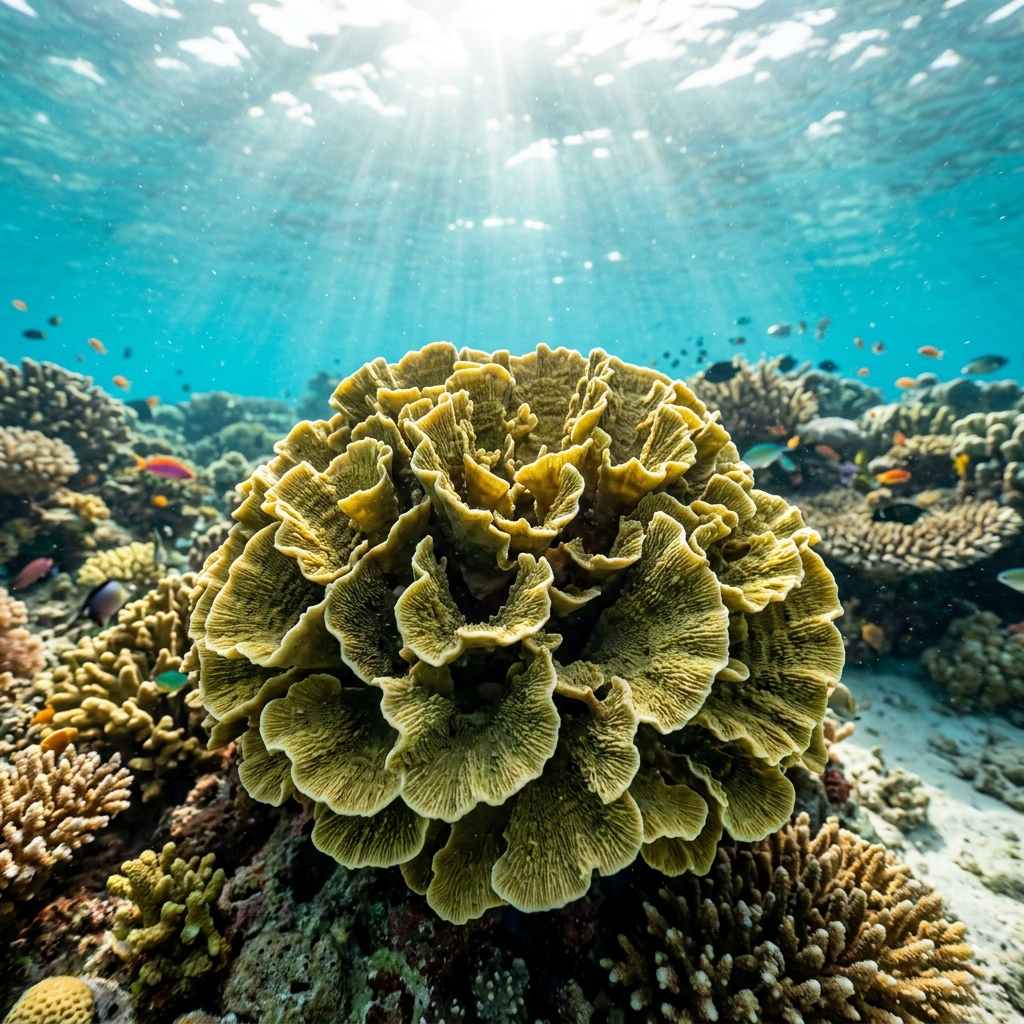
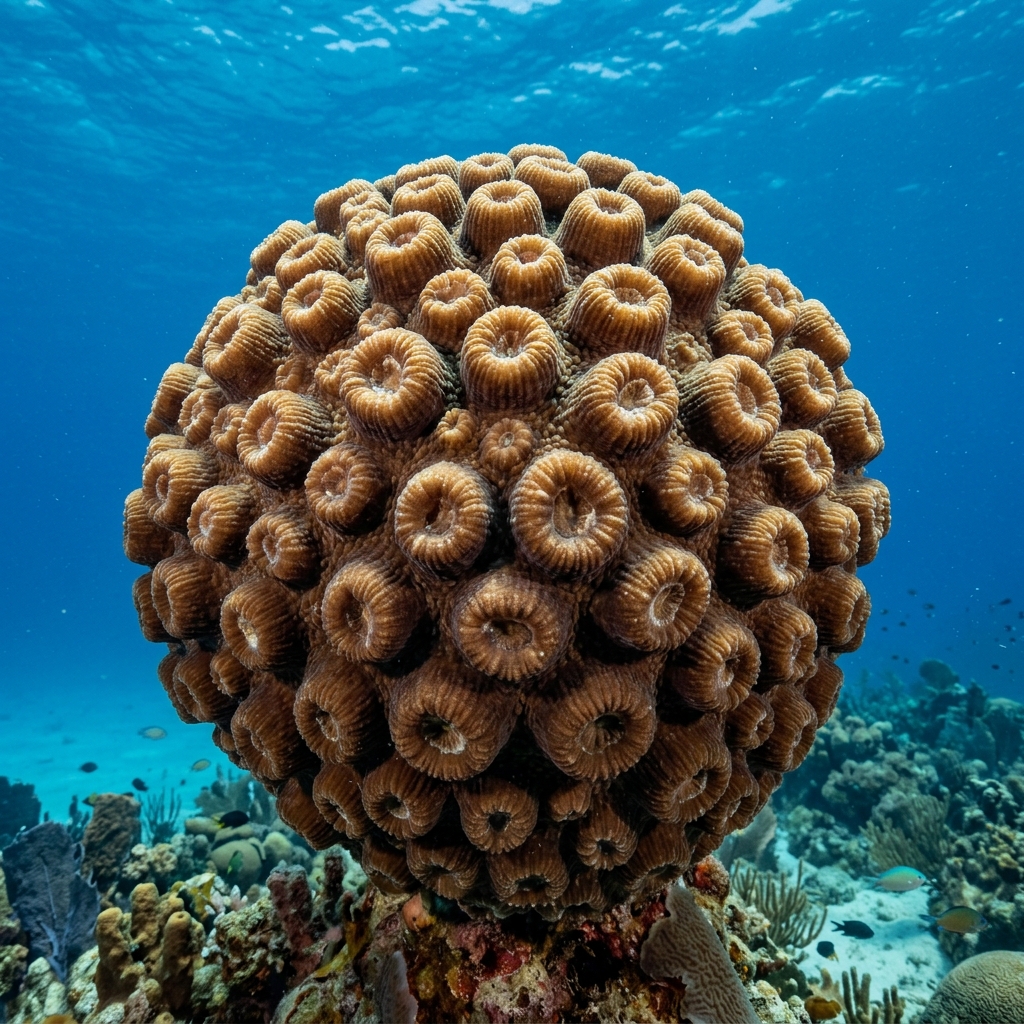
Imagine gliding along a vibrant reef, and spotting a coral that looks like a constellation of tiny stars twinkling up at you – that's likely the Greater Star Coral (Montastraea cavernosa). This coral forms impressive structures, sometimes massive domes or sprawling plates, providing crucial habitat for countless reef creatures. While the exact size of these formations can vary, they're definitely something you won't miss! You're most likely to encounter them in the Eastern Pacific and North Atlantic oceans, anywhere from just a few feet below the surface to depths exceeding 350 feet. Keep an eye out as you explore deeper reefs, as these corals thrive in a range of conditions, adding their unique texture and beauty to the underwater landscape. Though their conservation status is currently unevaluated, observing them in their natural habitat is a privilege and a reminder of the delicate balance of our marine ecosystems. If you're lucky, you may spot them during their spawning events, a spectacular display of nature's reproductive prowess.
Greater Star Coral is easily recognized by its large, fleshy polyps that protrude noticeably from the coral's surface, giving it a bumpy, star-studded appearance. The polyps are typically circular and can range in color from shades of brown, green, or yellow, sometimes even with contrasting centers. The overall shape can vary from rounded mounds to flattened plates, depending on the environment. Look for these distinct polyps arranged closely together on the coral's surface, creating a unique texture that sets it apart from smoother coral species.