Porites astreoides
0-70m
1736 sites
Poritidae
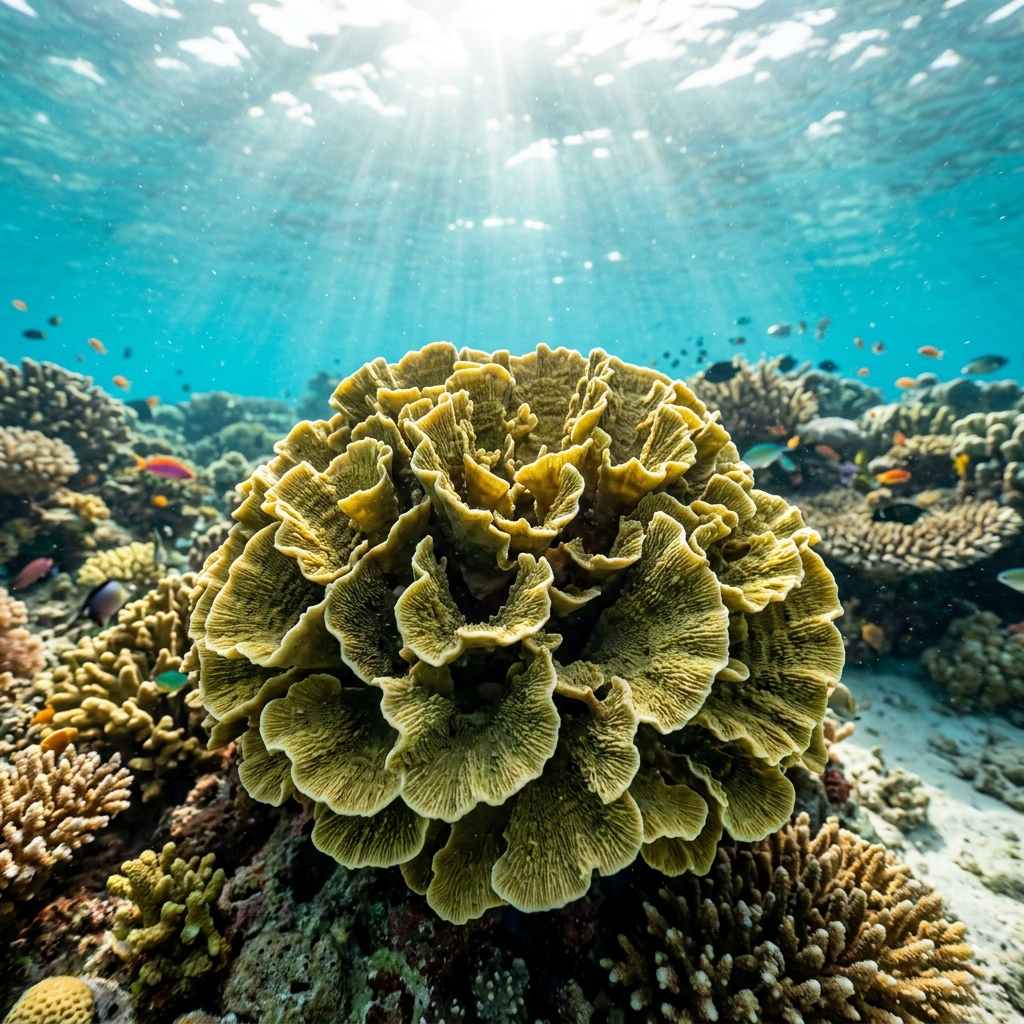
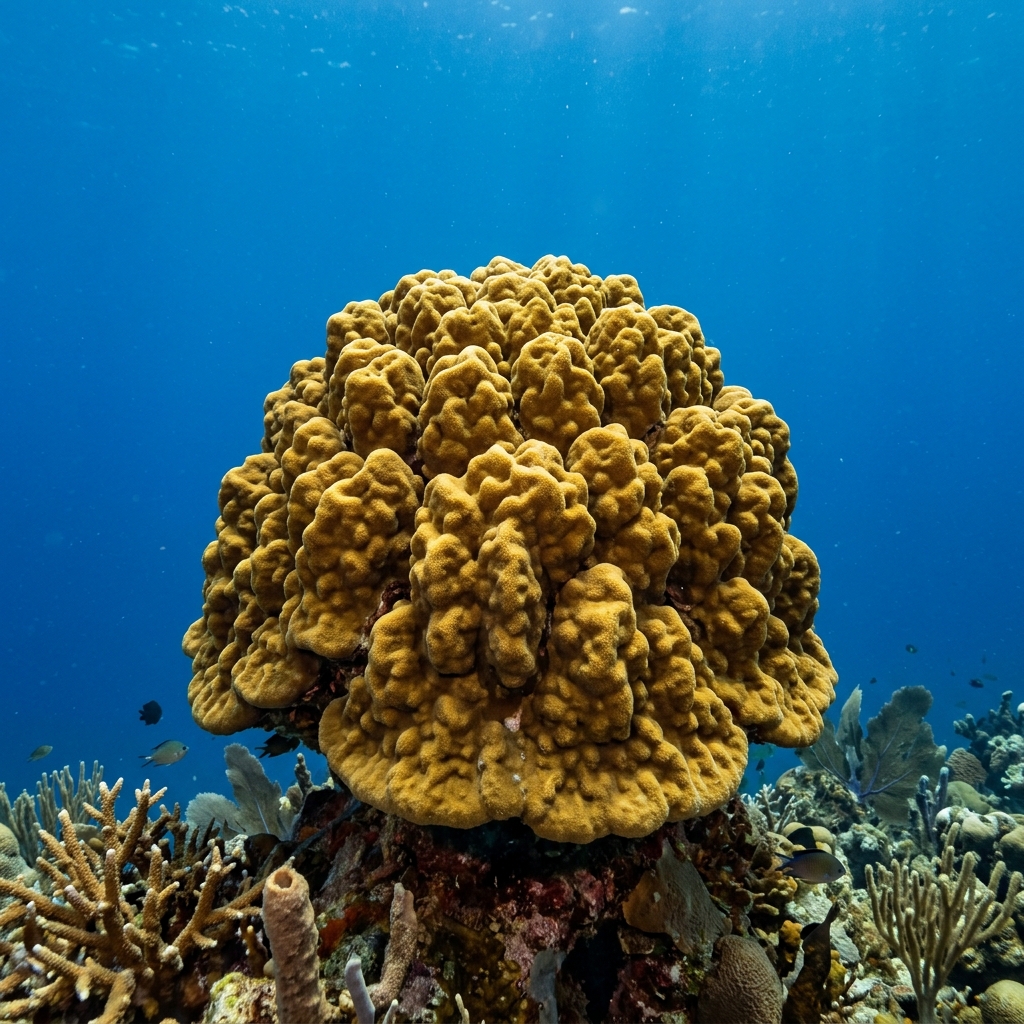
Imagine gliding along a vibrant coral reef, and spotting a splash of yellow or green that looks like a miniature, bumpy hill. That's likely Mustard Hill Coral (Porites astreoides)! This unassuming coral is a common sight in many tropical and subtropical waters, adding its subtle beauty to reef ecosystems. While it might not be the flashiest coral on the block, its resilience and widespread presence make it an important part of the underwater landscape. Divers often encounter it as part of the general reef structure, sometimes forming larger colonies or encrusting rocks and other surfaces. Keep an eye out for its distinctive knobbly appearance, especially in shallower waters where it thrives.
Mustard Hill Coral is typically recognized by its bumpy, rounded or lumpy appearance, often described as resembling a small hill or brain. Its color varies, ranging from yellow and mustard to green or brown. The surface is covered in small, closely packed corallites (the cups where the polyps live), giving it a grainy texture. Unlike some corals, it doesn't have long, flowing tentacles that are easily visible during the day. Finally, it's found encrusting rocks, dead coral, or forming small free-living colonies, rather than branching structures.