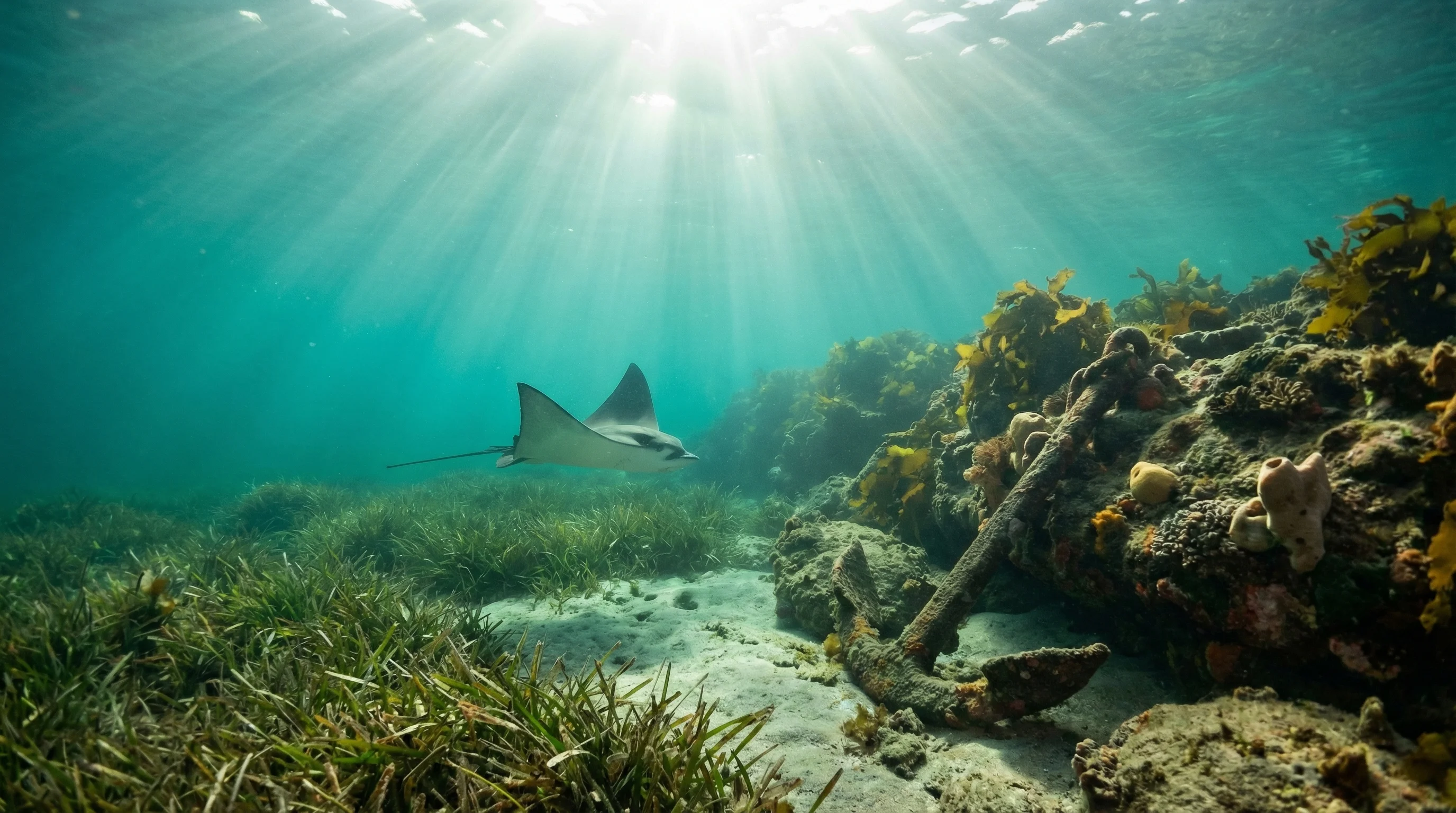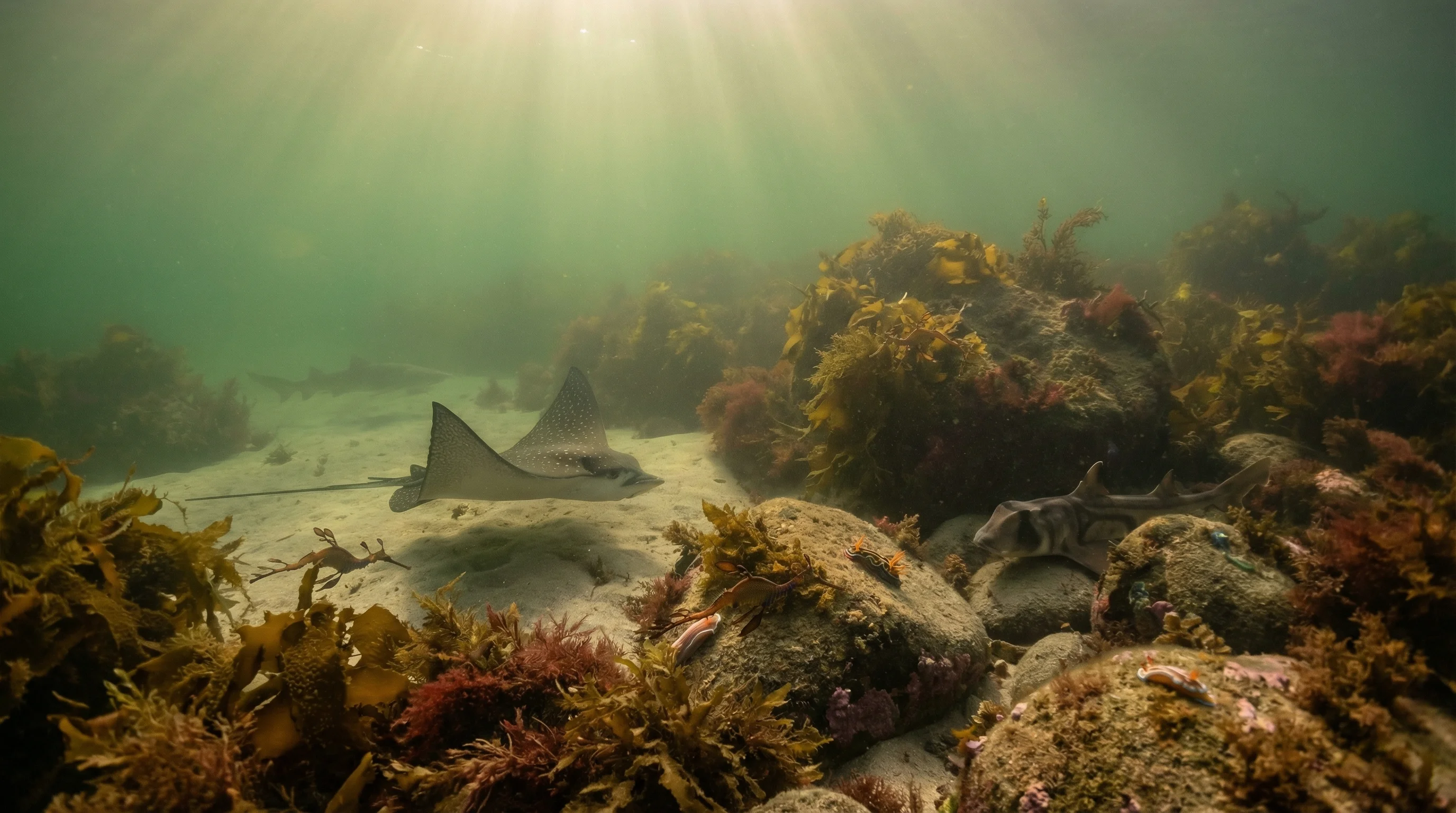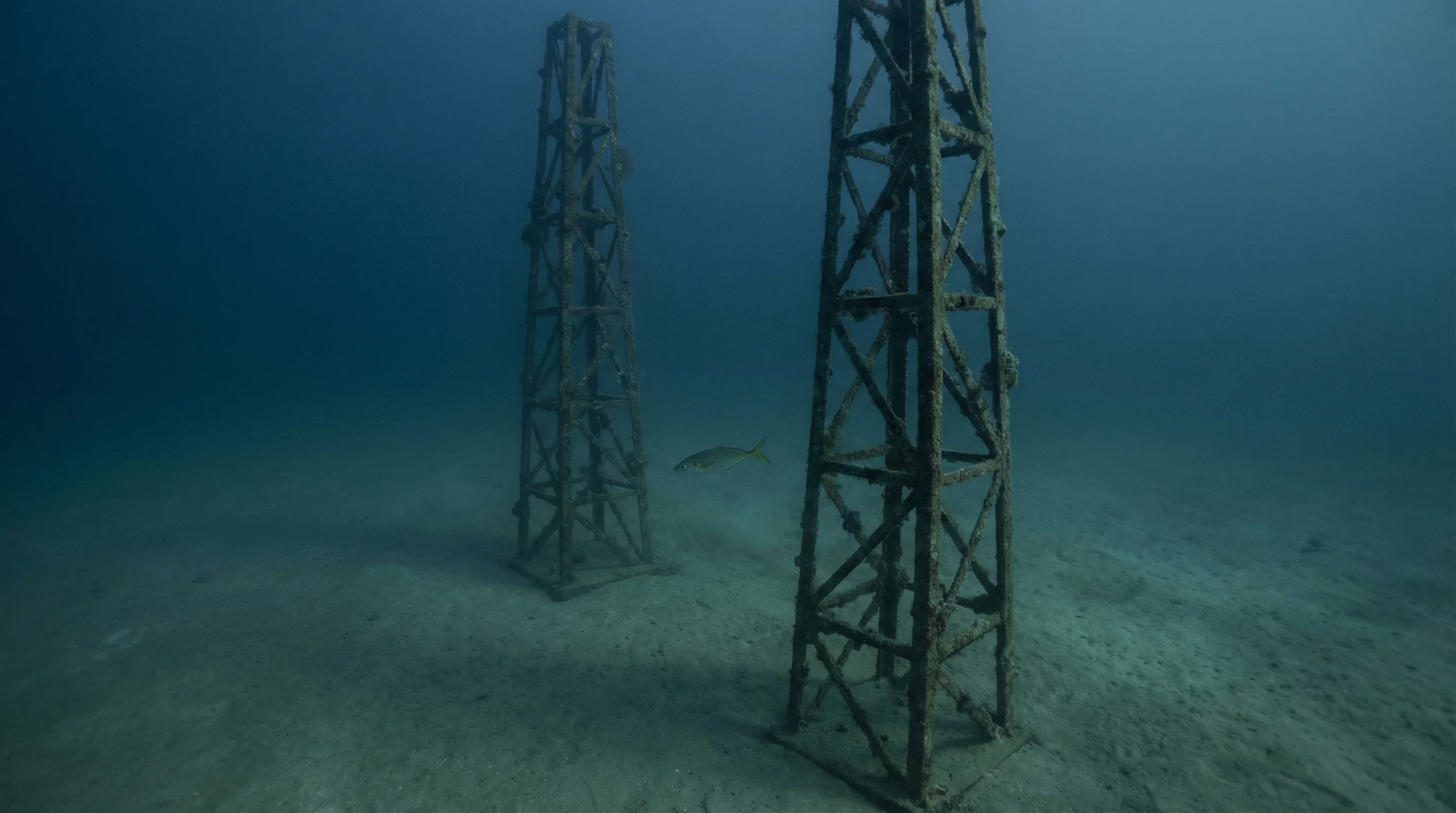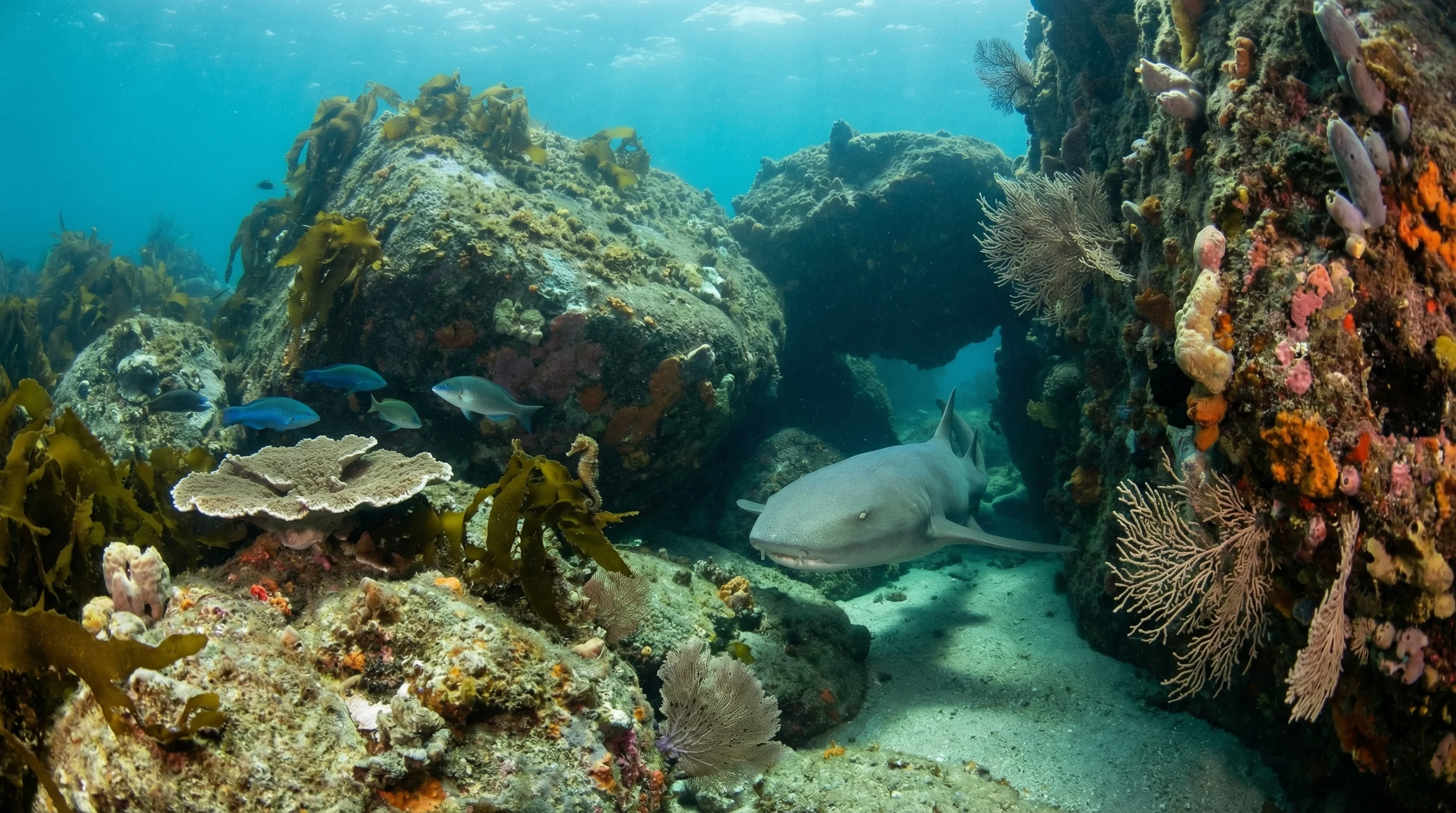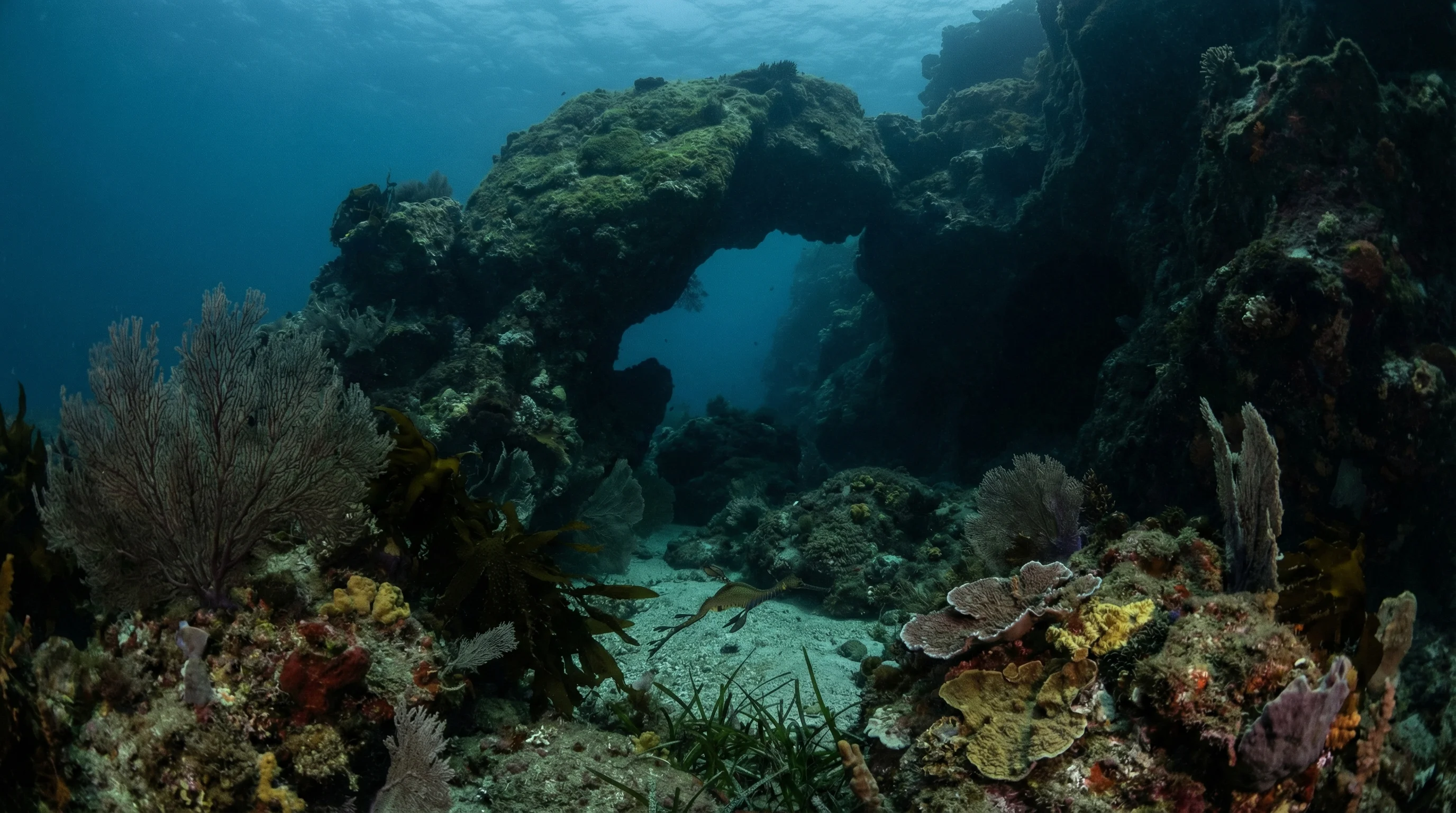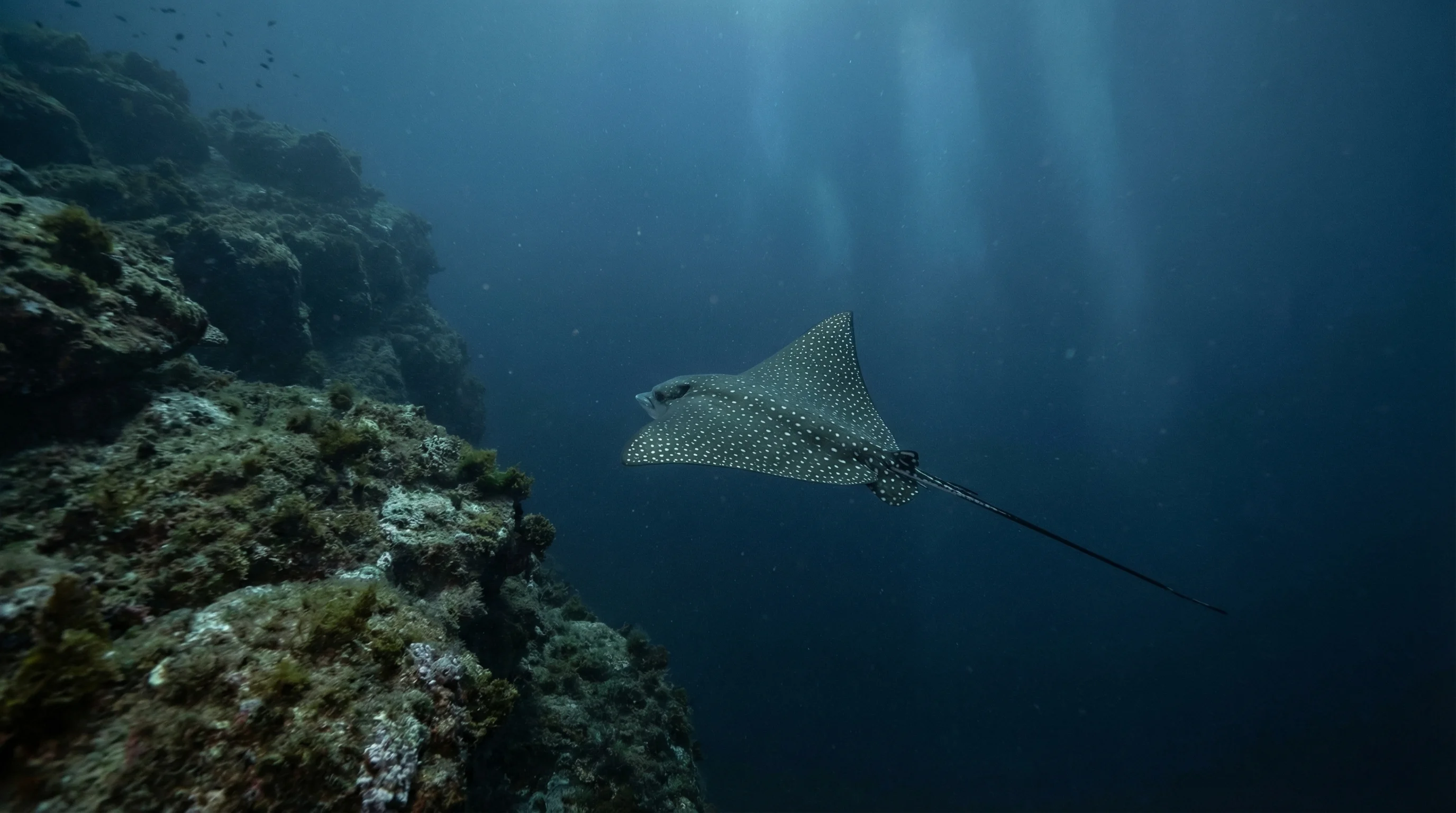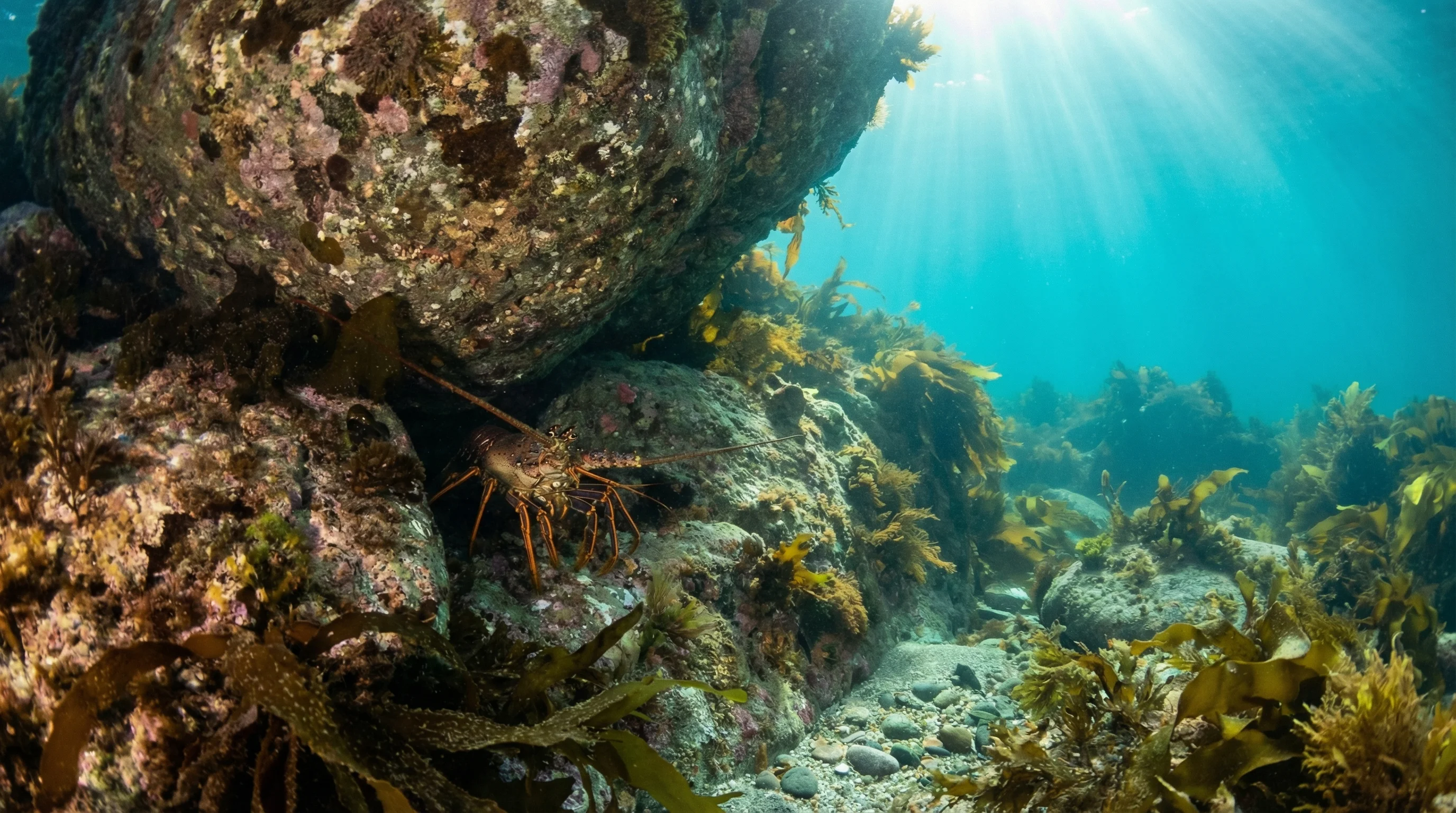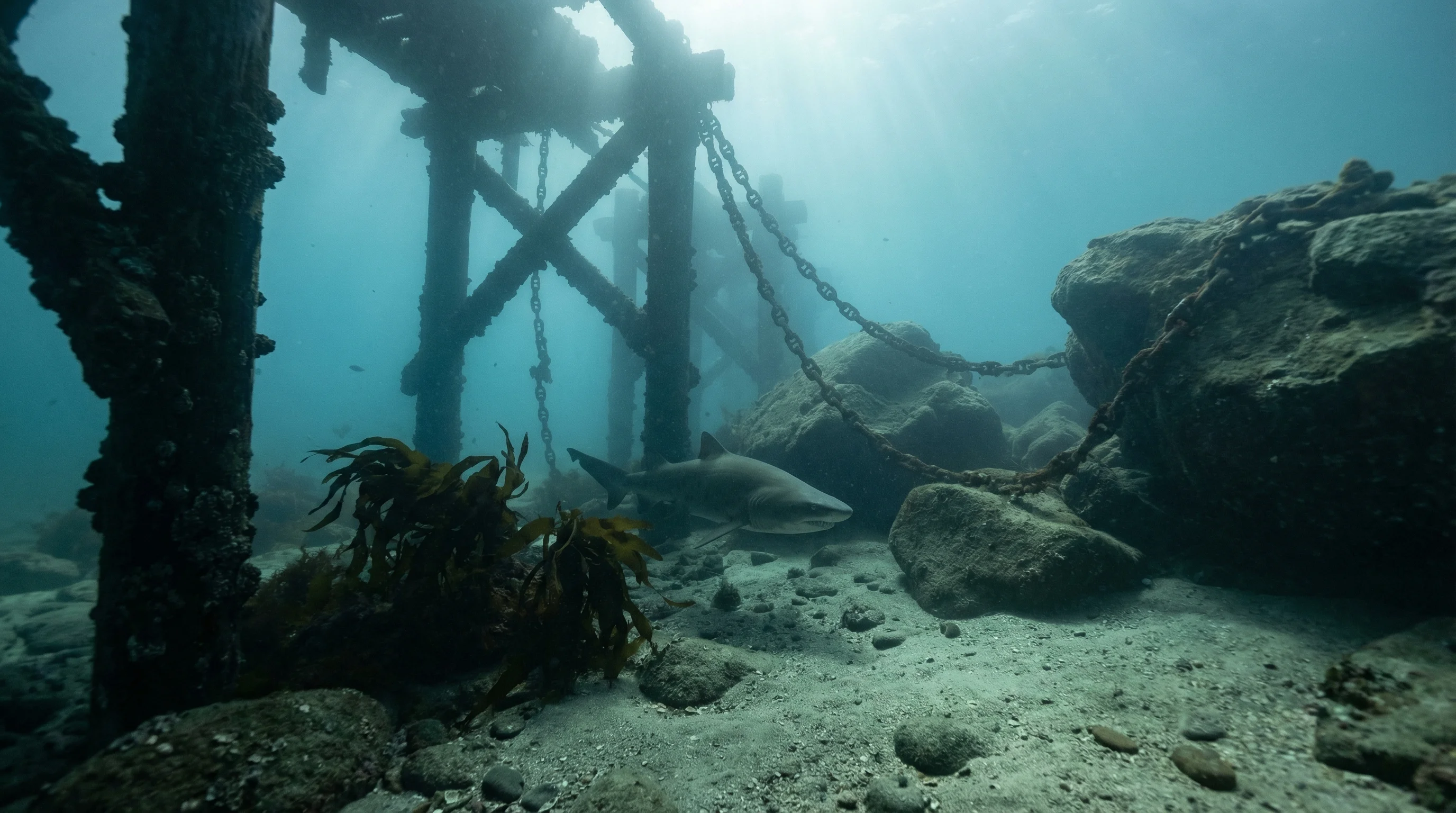
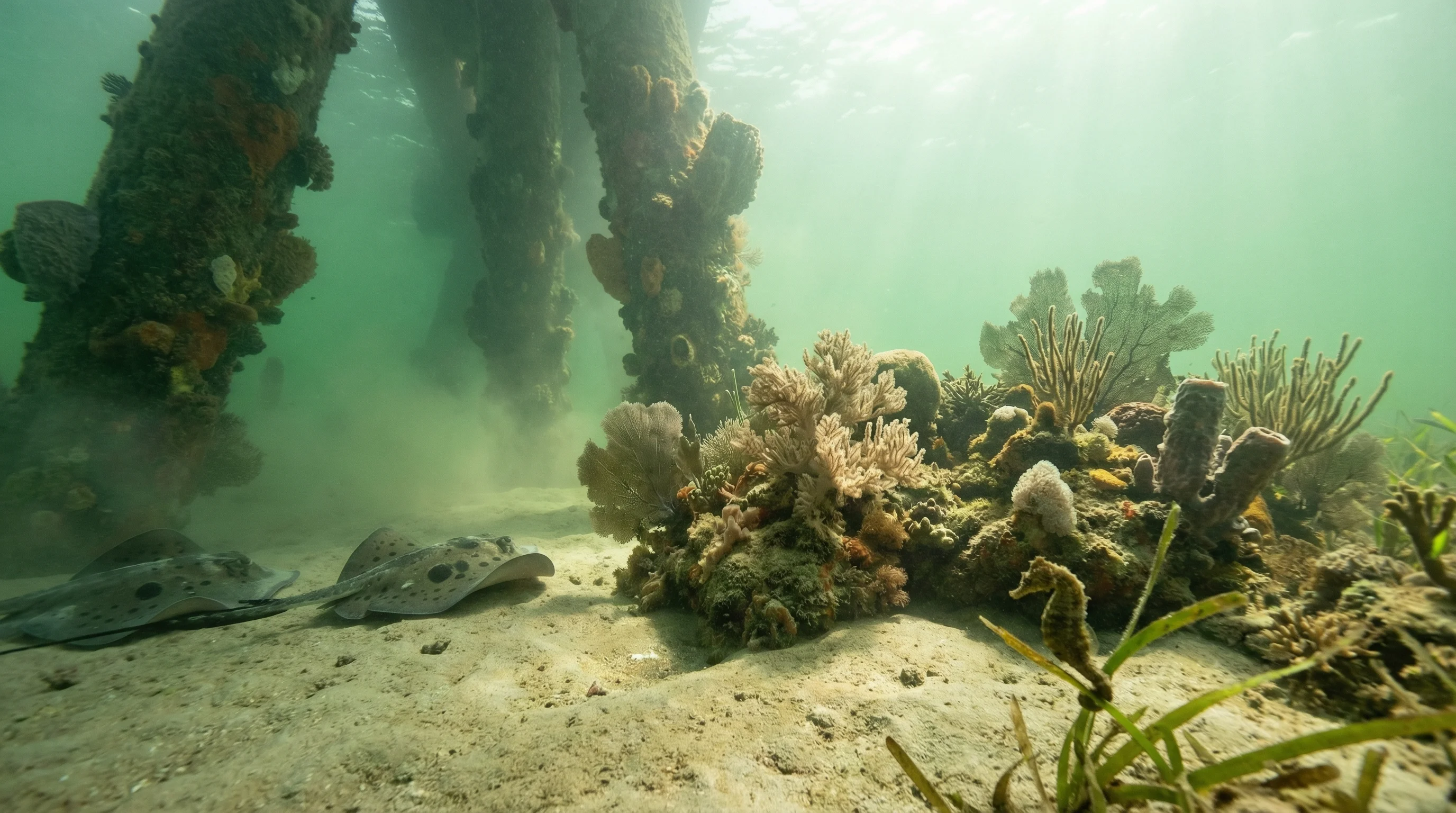
The pylons of Swansea Bridge create an artificial reef structure in easy shallow waters of 5 to 7 metres, but make no mistake: this is an advanced site driven entirely by tidal dynamics. Visibility runs 4 to 6 metres and shifts with the current, which can become dangerously strong outside narrow slack water windows. Time your entry correctly and the pylons reward you with seahorses, nudibranchs, and moray eels in the encrusted structure, while luderick, bream, yellowtail, and kingfish work the water column. Bull rays and stingrays patrol the sandy bottom, and catfish eels are worth searching for in the gaps. Surface marker buoys are non-negotiable given the active boat traffic through the channel.
-33.08550, 151.63990
Slack water here is short and unforgiving, so check tide tables carefully and have your entry and exit planned before you hit the water. A surface marker buoy is mandatory, not optional, given the volume of boat traffic moving through the channel.
Entry is from the public boat ramp on the southern side of the channel, just west of the Swansea Bridge on Belmont Street. The local dive shop, Dive Swansea, is located directly across the road.
The primary hazard is the strong tidal current if the dive is not conducted at slack water. There is frequent boat traffic in the channel, so divers should be cautious and aware of overhead vessels. Debris such as old pylons and fishing lines can pose an entanglement risk.
Depth
5-18m
Visibility
4-10m
Skill Level
Intermediate
Entry
Shore
Water Temp
16-22°C
Current
Strong
Typical Dive
50 min
Best Time
Year-round
Swansea Bridge Pylons in New South Wales experiences extremely strong tidal currents that make diving dangerous outside slack water windows. The site also presents entanglement hazards around the submerged pylon structures, and active boat traffic through the channel requires mandatory use of surface marker buoys. These conditions restrict safe diving to brief periods when tidal flow is minimal.
Swansea Bridge Pylons requires a minimum Open Water certification and is classified as an advanced skill level dive site. The extremely strong tidal currents and navigation challenges around the bridge structures demand experience with current diving and excellent buoyancy control. Divers should have proven experience in similar challenging conditions before attempting this site.
The submerged pylons at Swansea Bridge Pylons attract luderick, bream, and yellowtail that shelter around the structures. Divers regularly encounter seahorses clinging to growth on the pylons, colourful nudibranchs, moray eels in crevices, and bull rays and stingrays patrolling the sandy bottom between 5 and 7 metres depth.
Swansea Bridge Pylons offers optimal diving conditions from January through August, covering the Australian summer and autumn months. Water temperatures range from 16 to 22 degrees Celsius during these months, with visibility typically between 4 and 6 metres. Divers must plan dives around slack tide periods regardless of the month.
Swansea Bridge Pylons is accessed by boat launch from the North Coast area near the bridge. While a private boat is not strictly required, the site sits in an active navigation channel with strong currents, making organised boat charters the safest option. Local dive shops near the site offer guided tours, equipment rental, and air fills for visiting divers.
Swansea Bridge Pylons receives a low snorkelling rating of 2 out of 5 due to extremely strong tidal currents and active boat traffic. The shallow depth of 5 to 7 metres puts the pylons within snorkelling range, but the dangerous conditions and limited visibility of 4 to 6 metres make this unsuitable for most snorkellers. Only very experienced snorkellers should attempt this site during slack water.
Swansea Bridge Pylons sits in relatively shallow water between 5 and 7 metres depth. Despite the shallow profile, the site is rated for advanced divers due to extremely strong tidal currents that flow through the bridge channel. The shallow depth allows for extended bottom times when conditions permit safe diving during slack tide windows.
Divers at Swansea Bridge Pylons must carry a surface marker buoy due to active boat traffic through the navigation channel. A dive knife or cutting tool is essential given the entanglement hazards around the pylon structures. The strong currents also make a reef hook useful for stationary observation, and a dive computer helps manage the short slack water diving windows.
Swansea Bridge Pylons in North Coast is best suited for divers with some experience. You should be comfortable with your buoyancy and have logged at least 10 to 20 dives.