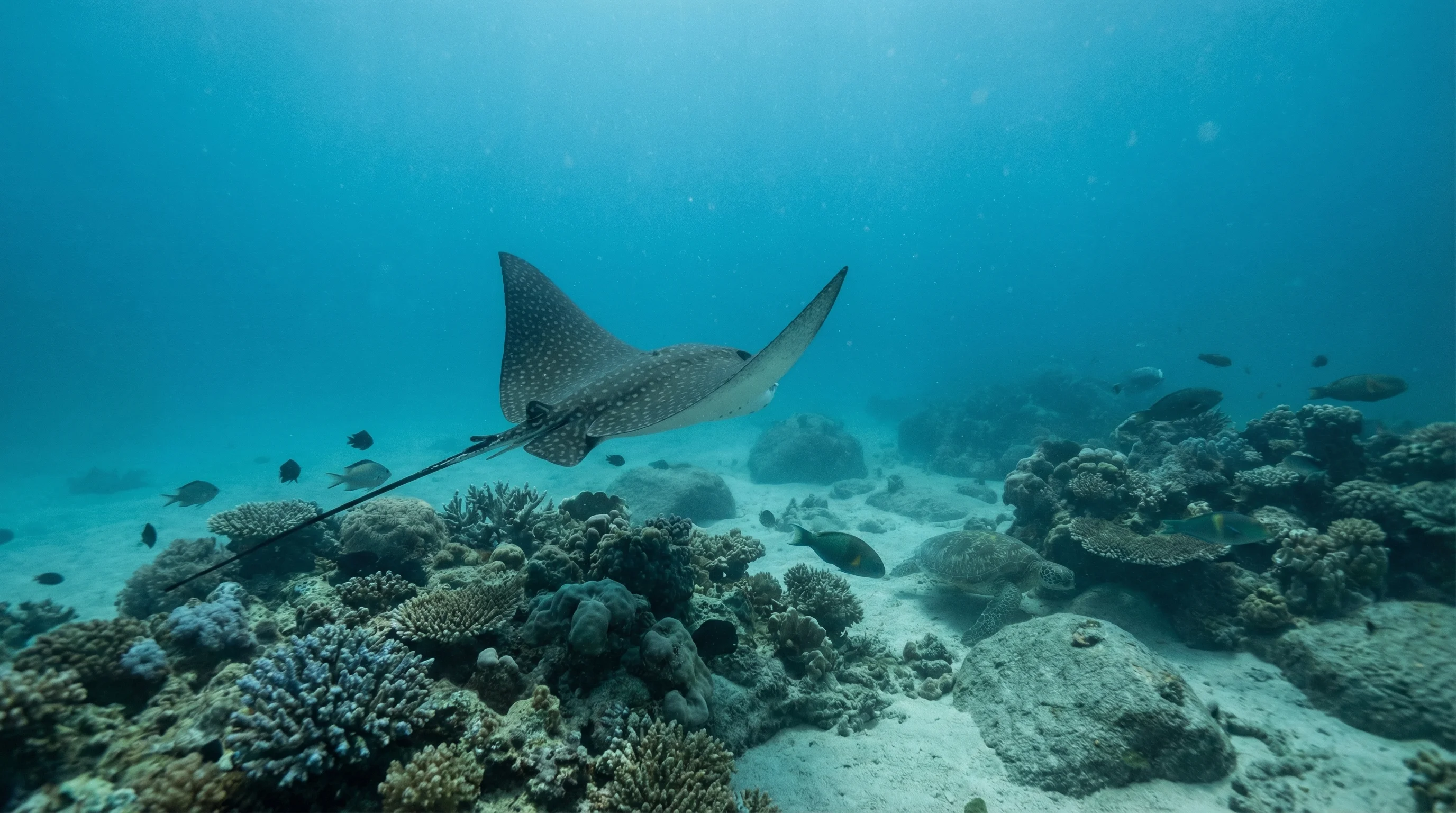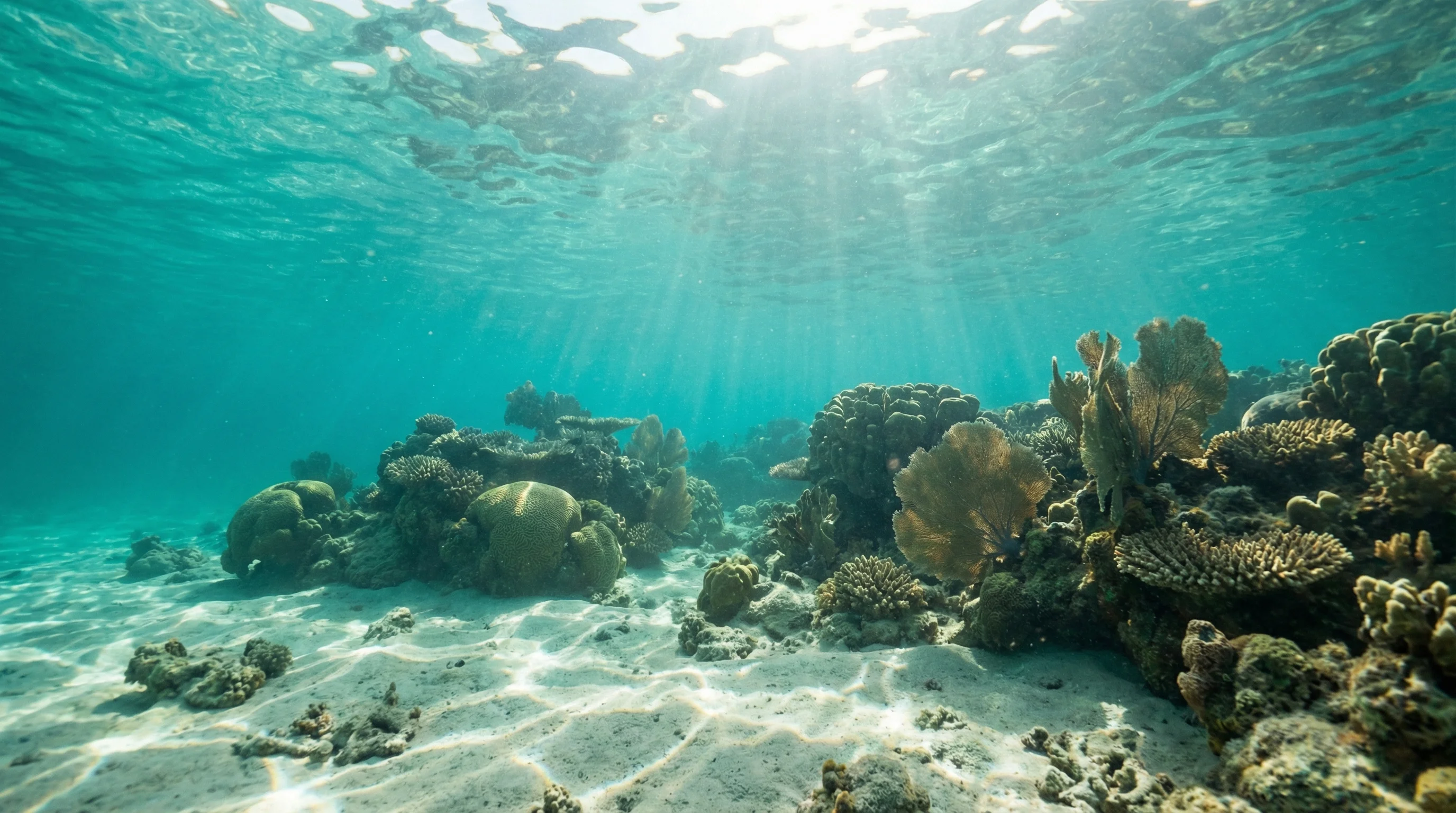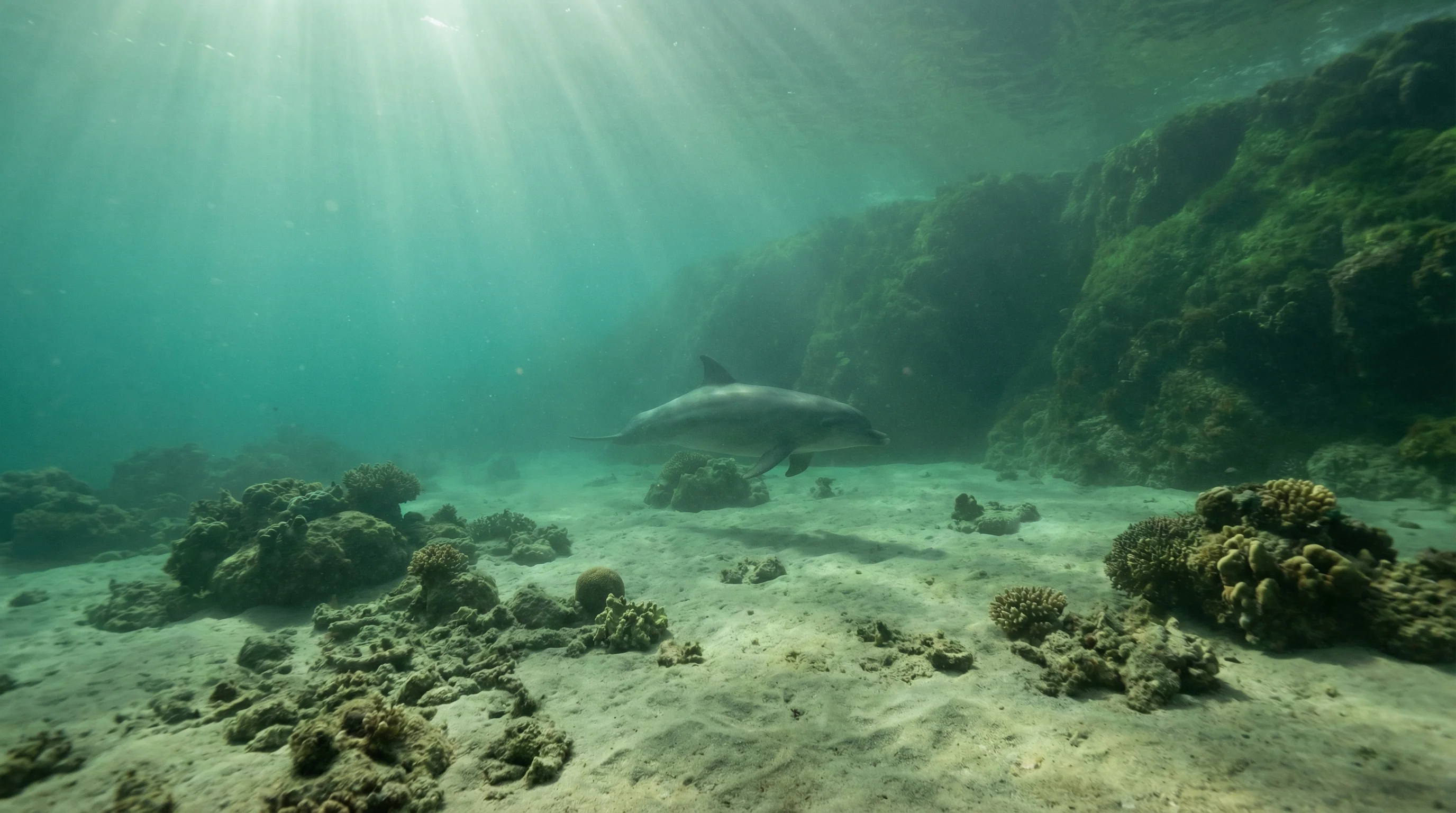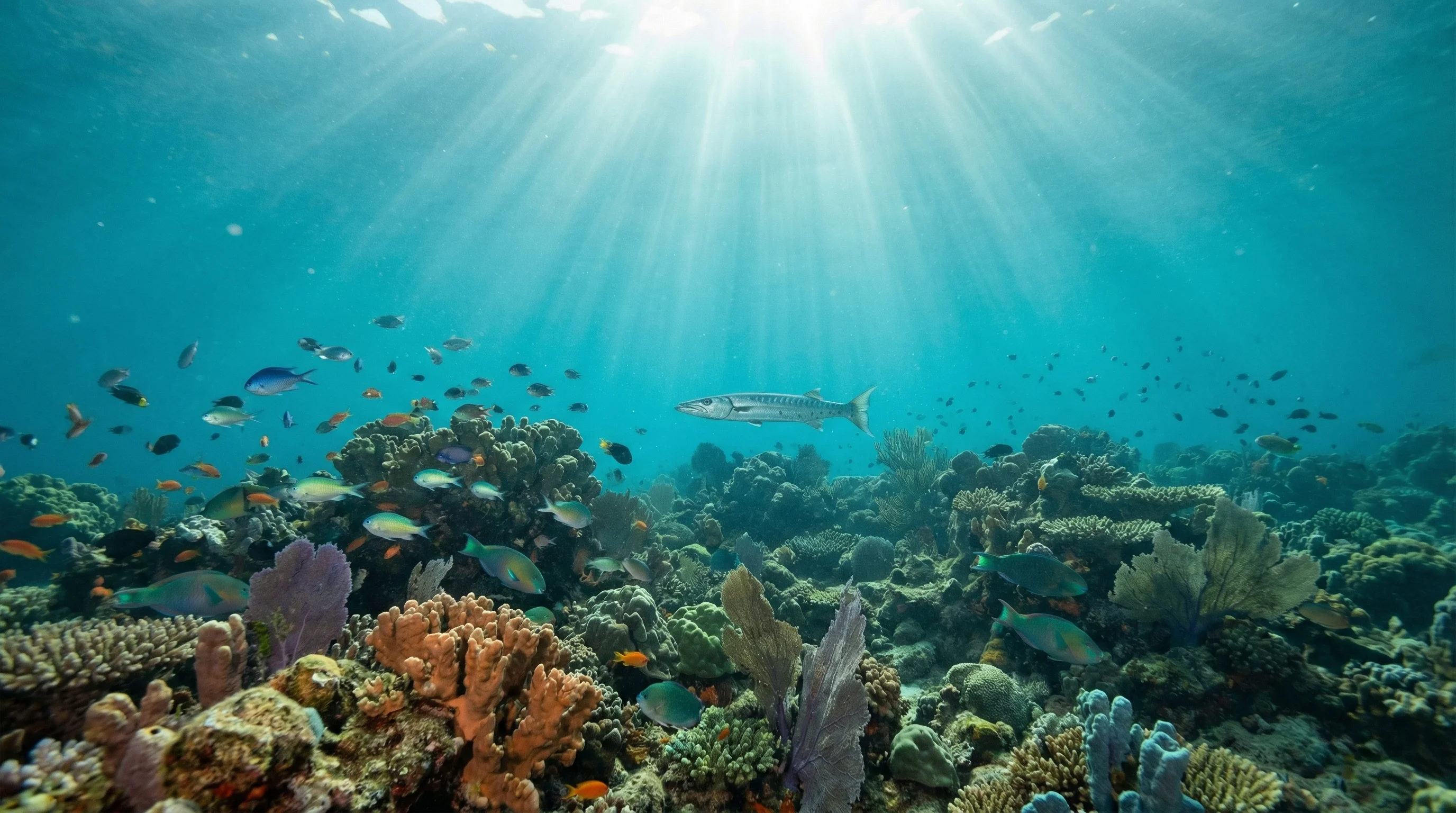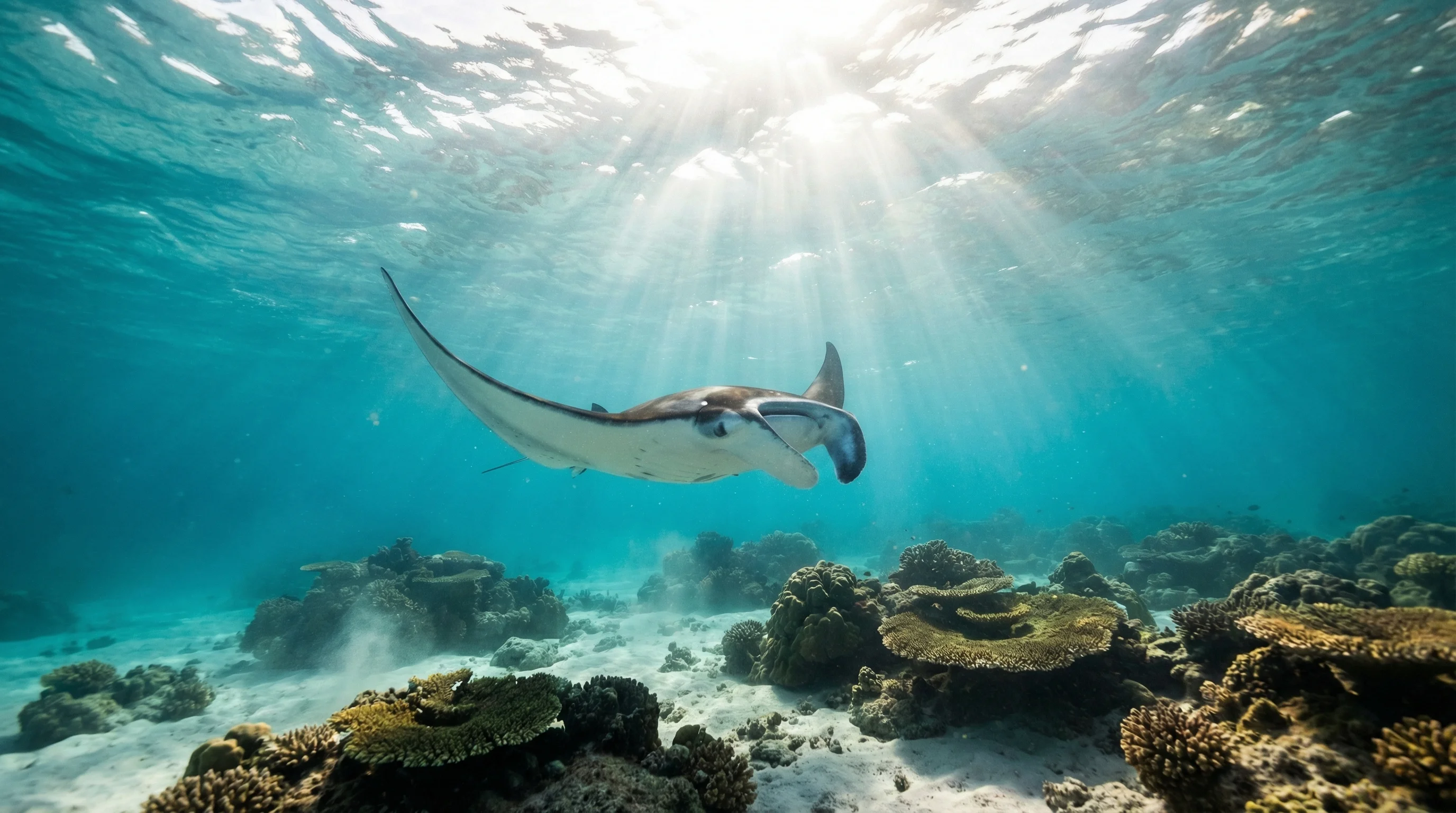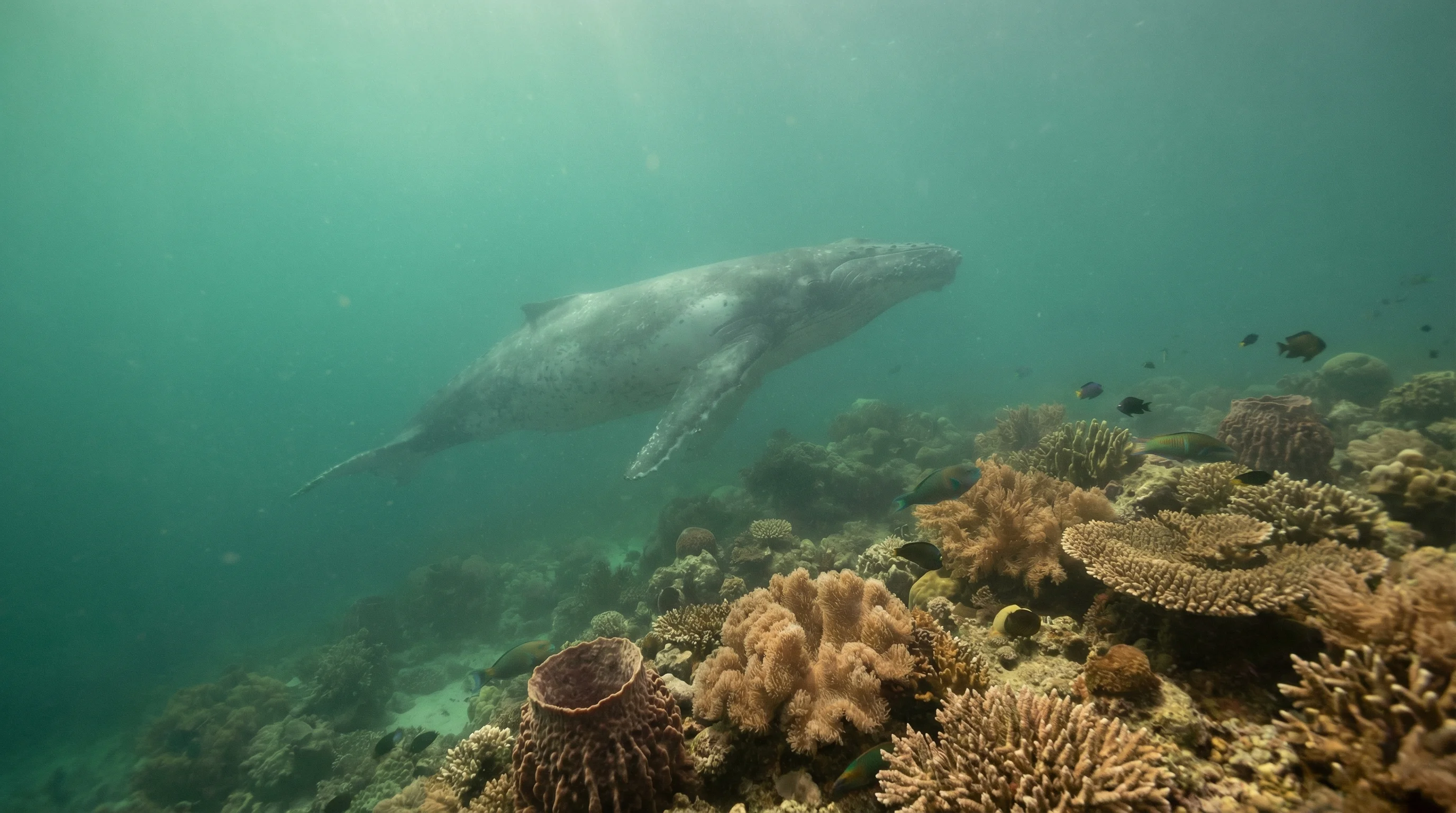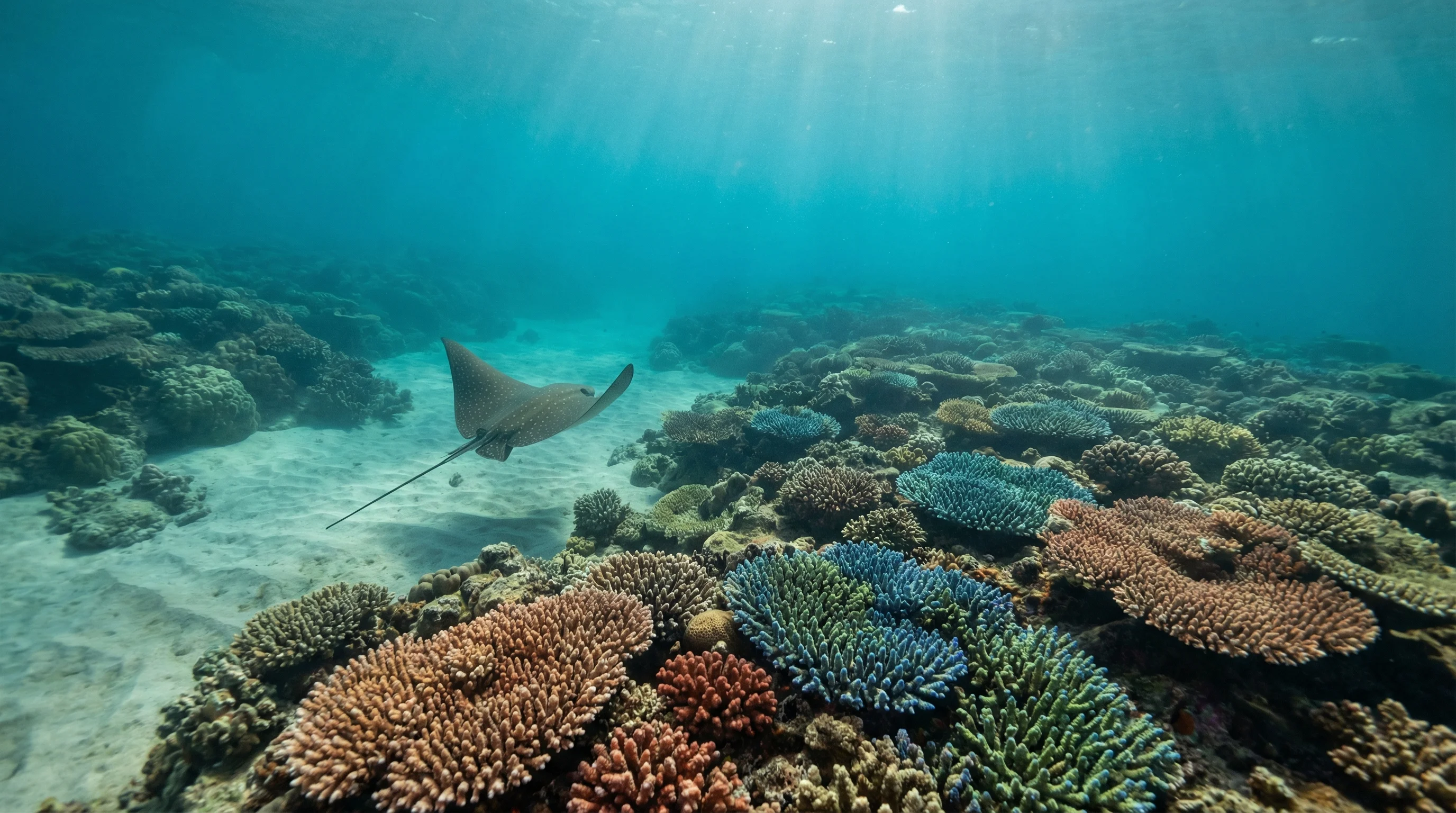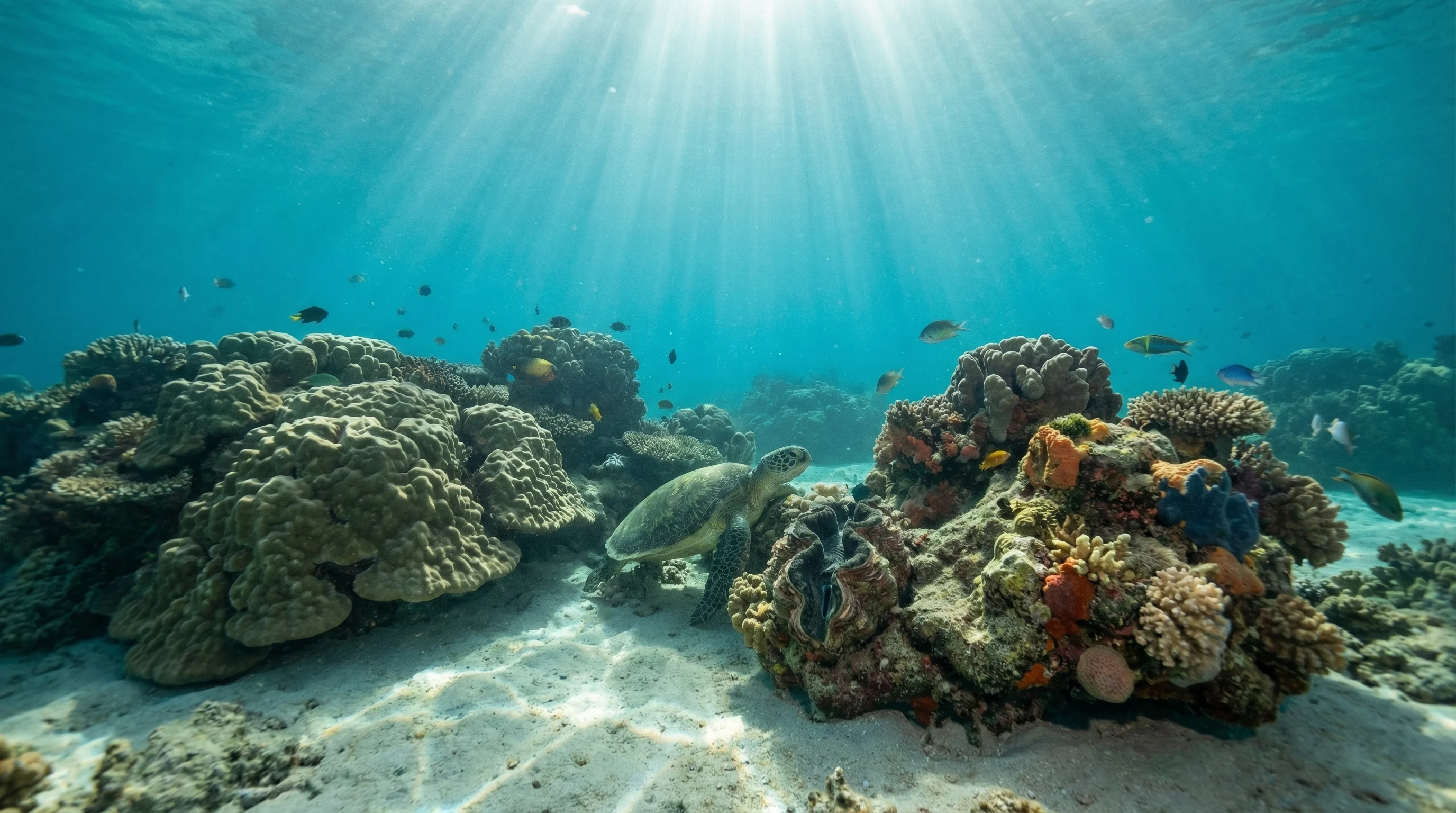
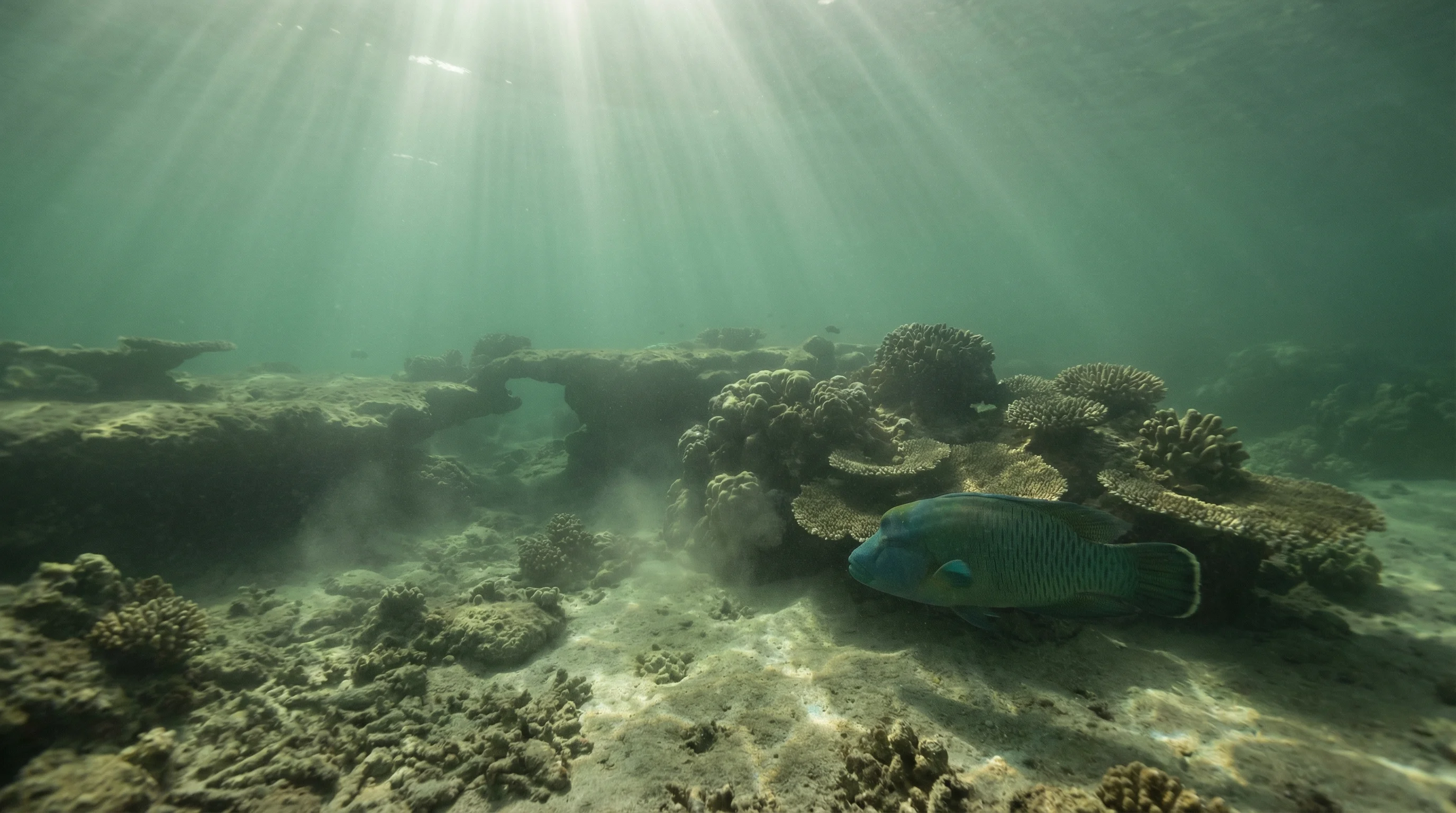
Paddle Bay is a calm, shallow reef site well suited to beginners getting comfortable in the water. You reach it by boat, and once you're in, expect to find hard and soft corals alongside a good variety of reef fish including angelfish, butterflyfish, sergeant major fish, and batfish. Maori wrasse are a common sighting, and sea turtles pass through the area. Visibility is variable, so conditions can differ from one visit to the next, and currents shift as well, so check local conditions before heading out. Watch out for jellyfish during your time in the water.
-20.25500, 148.83105
Because visibility and current can both vary, it's worth asking your boat operator about conditions on the day before committing to a plan. Keeping a respectful distance from sea turtles and other marine life helps protect them and keeps your encounter calmer and longer.
Access is via boat, with tours and charters commonly departing from Airlie Beach. Public moorings are available at the site to prevent anchor damage to the reef.
A stinger season for harmful jellyfish (including Box and Irukandji jellyfish) occurs from October to May. It is highly recommended to wear a full-body stinger suit during these months.
Depth
5-15m
Visibility
3-10m
Skill Level
Beginner
Entry
Boat
Boat required
Water Temp
23-28°C
Current
Mild
Typical Dive
45 min
Paddle Bay in Queensland, Australia requires boat access only, as there is no shore entry available. The site is reached via tour operators departing from the Whitsundays region. No facilities are available at the snorkelling location itself.
Paddle Bay is specifically suited for beginner snorkellers, with calm conditions and no significant currents. The sheltered bay environment and absence of strong water movement make it an ideal first snorkelling experience. Boat access ensures snorkellers are safely transported to the site with professional guidance.
Paddle Bay offers encounters with sea turtles, angelfish, butterflyfish, sergeant major fish, batfish and Maori wrasse. The site features both soft and hard corals that attract diverse tropical fish species. The calm, protected waters make marine life observation particularly accessible for novice snorkellers.
Water temperatures at Paddle Bay range from 23°C to 28°C throughout the snorkelling season. These tropical temperatures allow comfortable snorkelling without requiring a wetsuit, though a thin rashguard provides sun protection. The warmest conditions typically occur during the summer months from January to March.
The best months for snorkelling at Paddle Bay are January through August, covering both summer and winter periods in Queensland. This extended eight-month window offers consistently favourable conditions for marine life observation. The dry season from June to August provides excellent visibility and calm seas.
There is no entry fee for Paddle Bay itself, though you will need to pay for boat transport from the Whitsundays. Tour operators include the site access in their standard rates. The absence of facilities means there are no additional costs once you reach the snorkelling location.
The primary hazards at Paddle Bay are jellyfish and potential marine life interactions. Snorkellers should wear protective clothing during stinger season and maintain respectful distances from sea turtles and fish. Tour operators typically provide stinger suits and guidance on safe marine life observation practices.
Diving at Paddle Bay in Whitsundays requires the following certifications: Open Water. Always dive within your training limits.
A 3mm wetsuit is recommended for diving at Paddle Bay in Whitsundays. Water temperatures range from 23°C to 28°C.
Paddle Bay in Whitsundays has depths ranging from 5 metres to 15 metres.
A typical dive at Paddle Bay in Whitsundays lasts approximately 45 minutes. Actual dive time depends on depth, air consumption, and conditions.