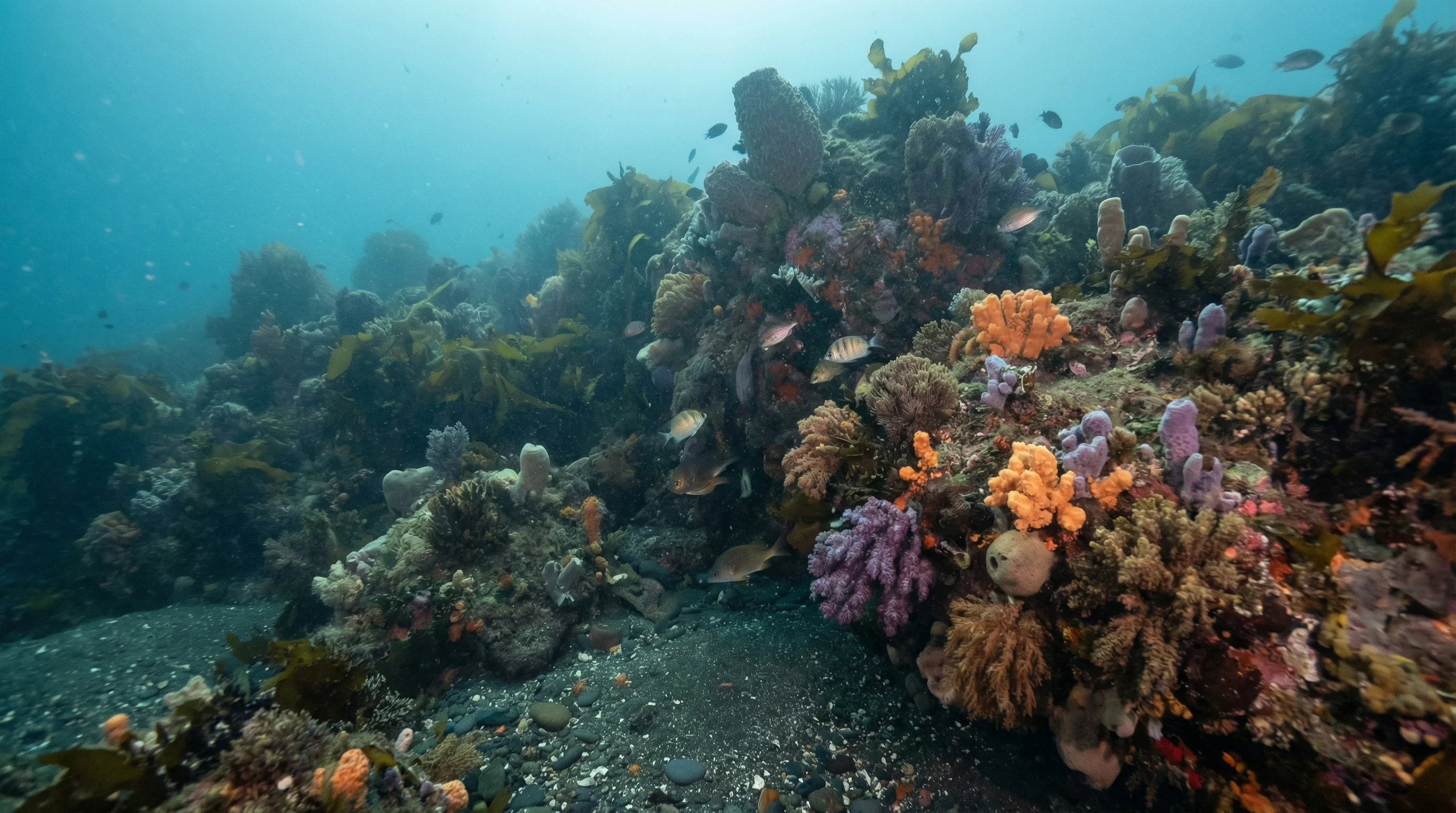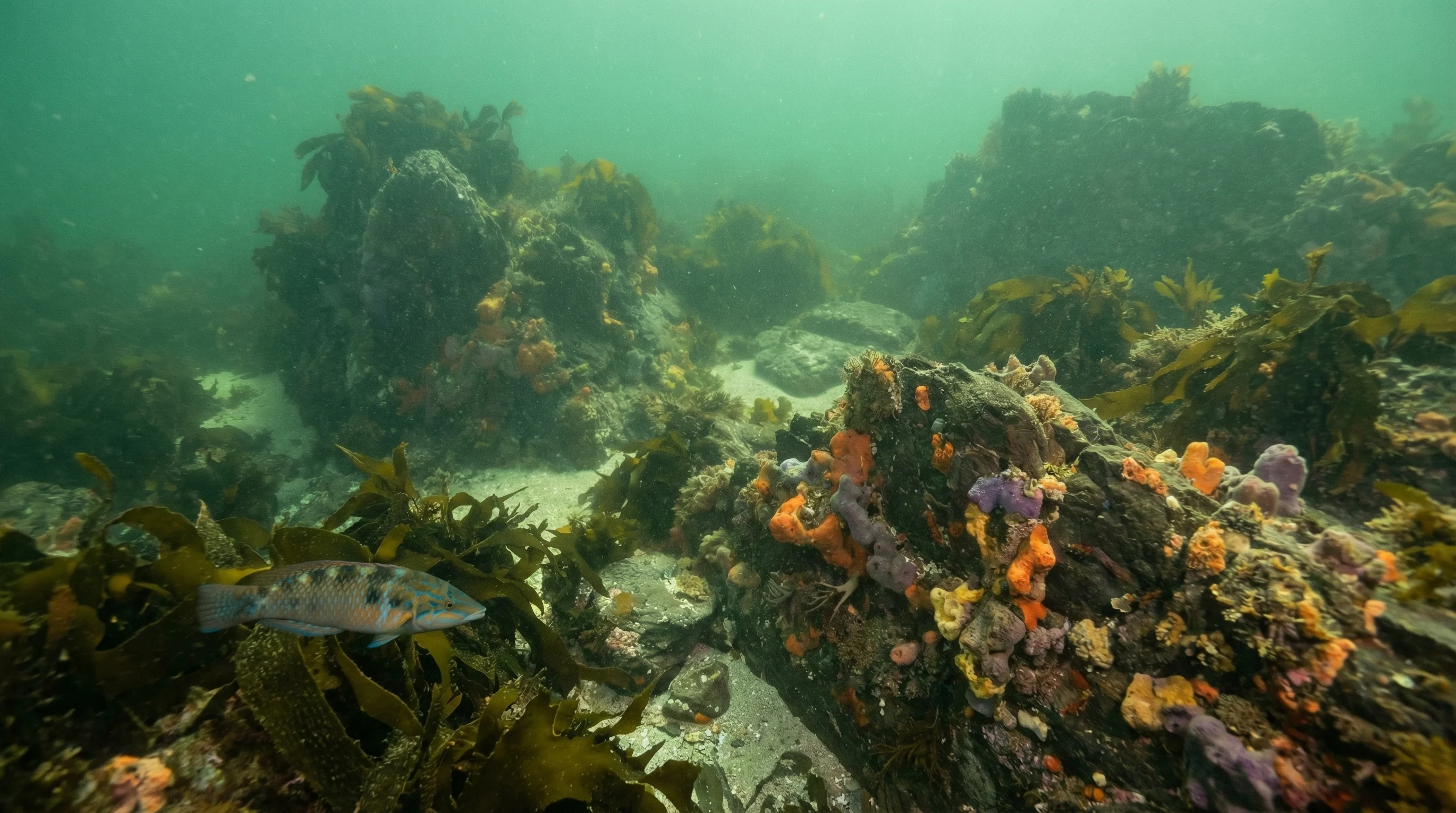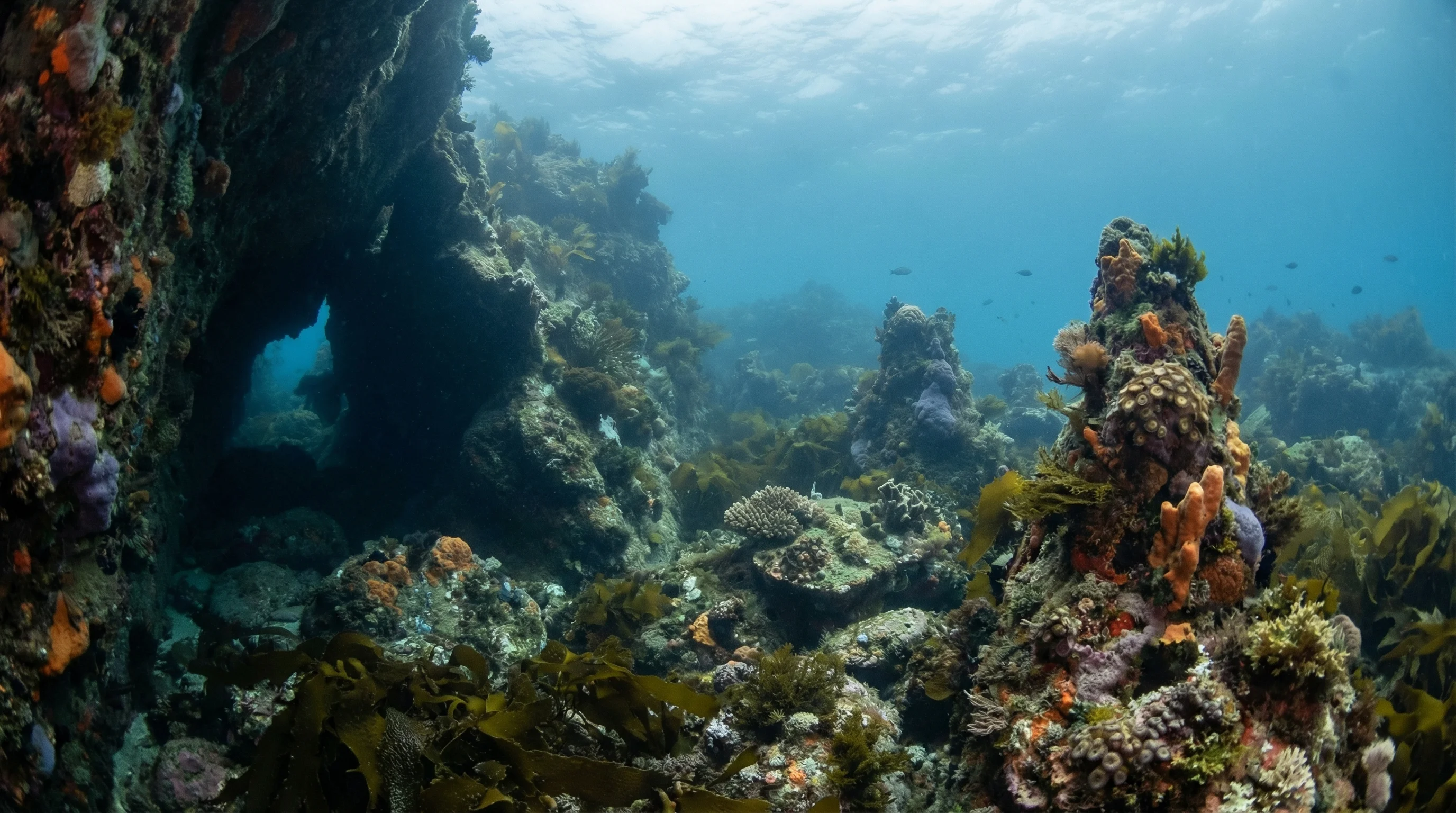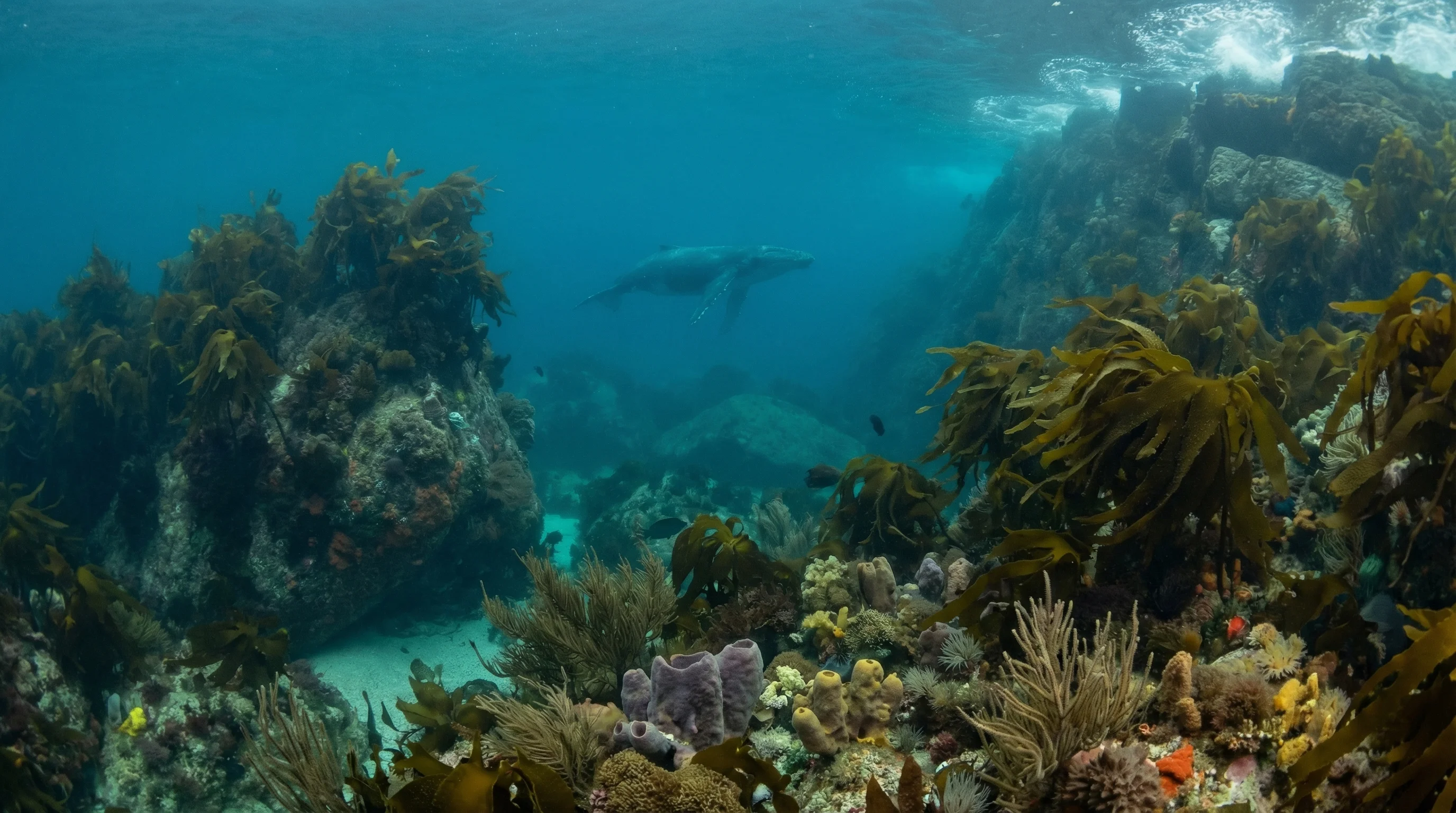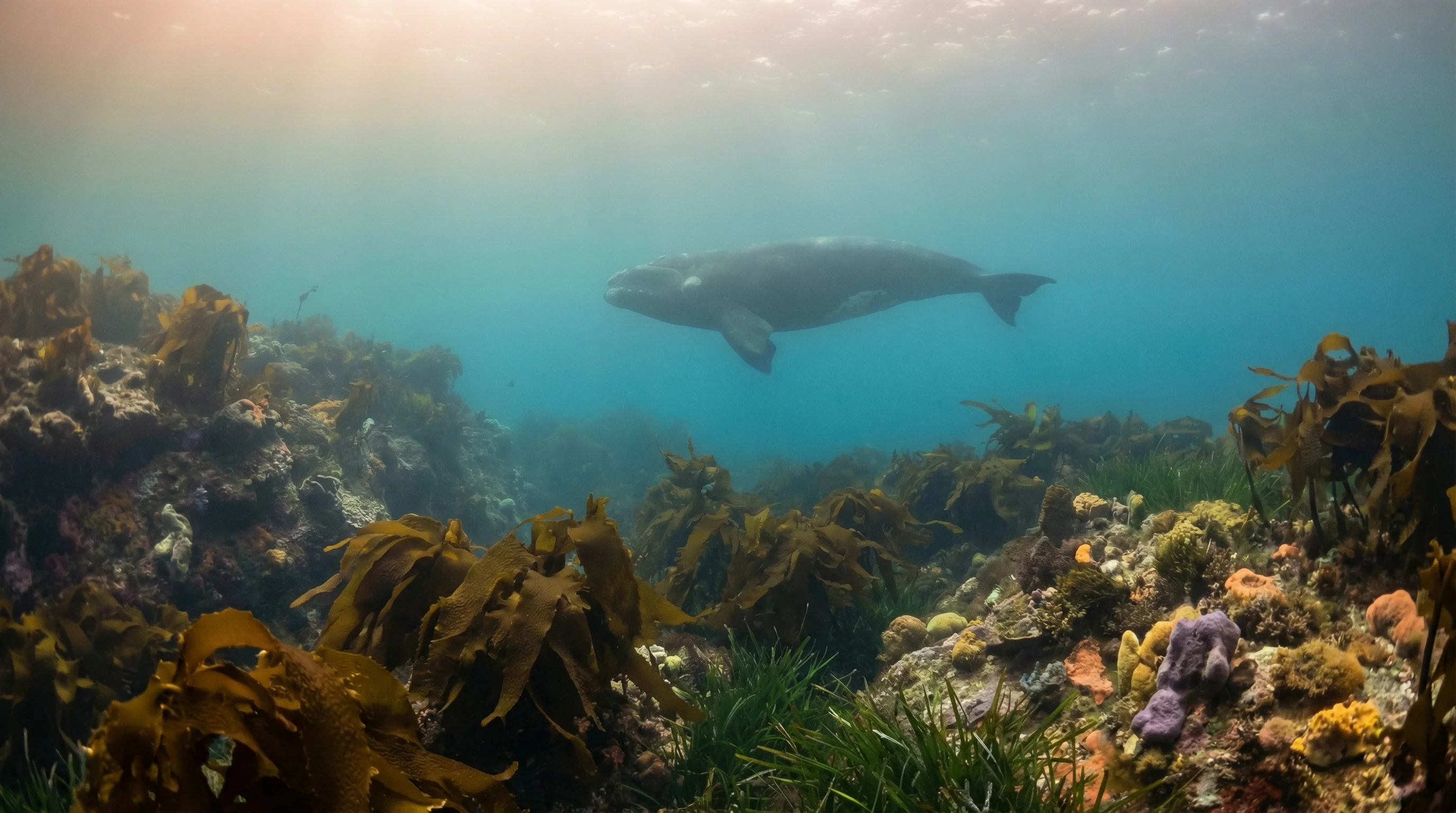
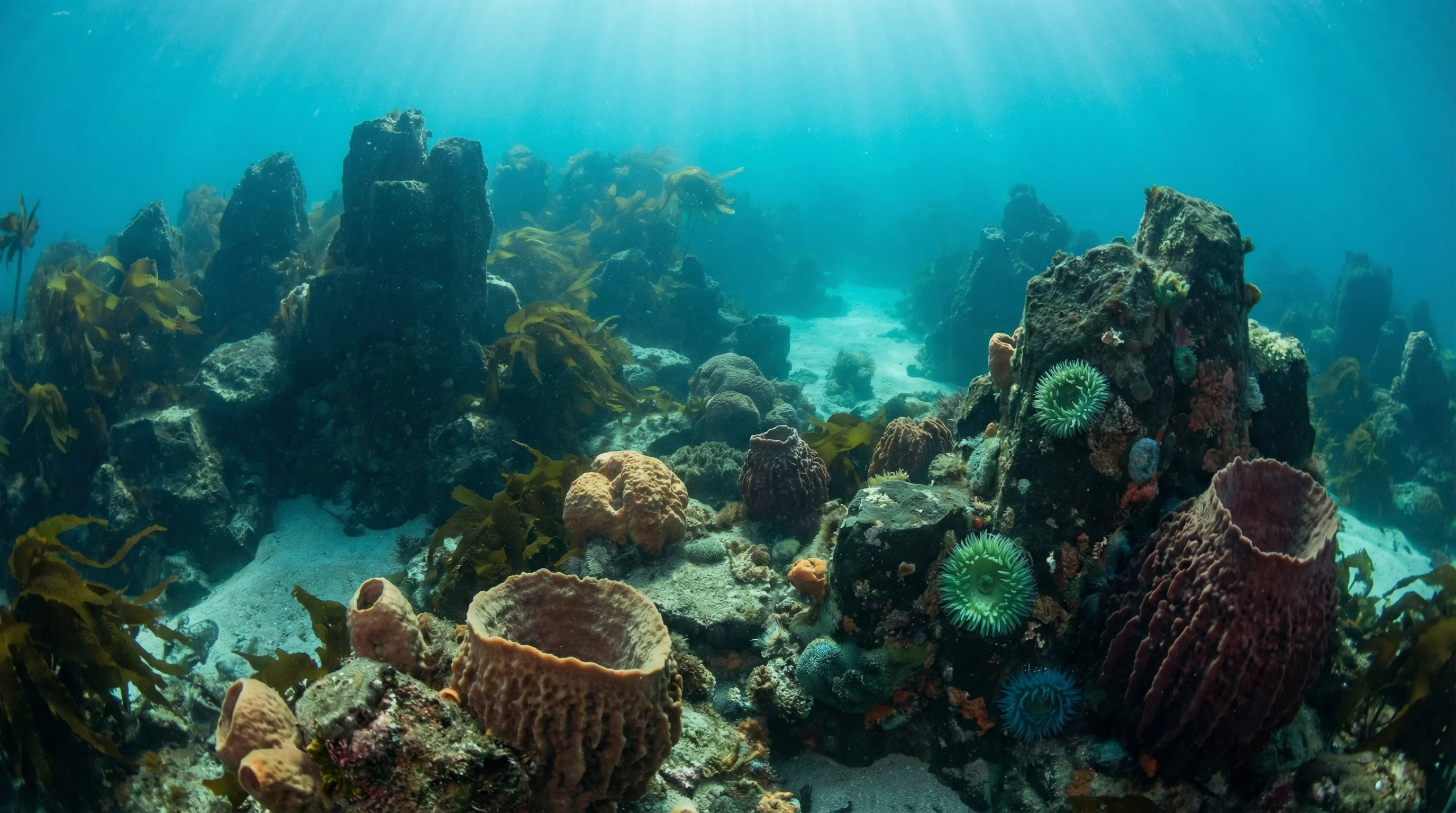
Doctors Rocks offers a mix of reef and pinnacle diving accessible from shore, making it a solid choice for intermediate divers exploring Tasmania's southern waters. Depths run from 3 to 20 metres, and visibility regularly reaches 12 to 40 metres, particularly during the summer months from November through March. Kelp forests are a defining feature here, creating a layered environment where various reef species move through shifting light and structure. Currents are variable, so checking conditions before entry is worth the effort. Watch for boat traffic near the entry point and take care around sharp coral throughout the dive.
-41.00050, 145.77150
Summer months bring the best visibility, so plan your dive for November through March when conditions are most reliable. Check locally for current boat traffic patterns before entering, as this affects both your entry timing and surface intervals.
Access info coming soon
Shuffle your feet when entering the water to avoid sharp rocks. Be aware of strong currents and surf, and keep an eye on your depth. Watch out for kelp and entanglement risks.
Depth
3-20m
Visibility
12-40m
Skill Level
Intermediate
Entry
Shore
Water Temp
10-17°C
Current
Moderate
Typical Dive
50 min
Best Time
Jan, Feb, Mar, Nov, Dec
Doctors Rocks on Tasmania's North Coast is accessed via shore entry, making it convenient for snorkellers who can walk directly into the water from land. No boat is required to reach this site. The site offers no facilities, so visitors should come fully prepared with all necessary equipment and supplies.
Doctors Rocks requires intermediate snorkelling skills due to depths ranging from 3 metres to 20 metres and the presence of hazards including sharp coral and boat traffic. The site is not suitable for beginners who lack experience navigating varying depths and potential obstacles. Snorkellers should be confident in open water conditions and aware of maritime traffic in the area.
Doctors Rocks offers excellent visibility ranging from 12 metres to 40 metres, providing clear views of the underwater terrain and marine environment. The exceptional clarity, particularly at the upper end of this range, makes it an attractive snorkelling destination on Tasmania's North Coast. Visibility conditions contribute to the site's intermediate rating of 3 out of 5.
The optimal months for snorkelling Doctors Rocks are November through March, which corresponds to Tasmania's warmer summer season. These months offer the most favourable conditions for extended time in the water. Planning visits during January, February, or March typically provides the best overall snorkelling experience.
Snorkellers at Doctors Rocks must navigate two primary hazards: sharp coral that can cause cuts and injuries if touched, and boat traffic in the area that poses a collision risk. Maintaining awareness of your surroundings and using a surface marker buoy is essential for safety. The combination of these hazards contributes to the site's intermediate skill level requirement.
Doctors Rocks on Tasmania's North Coast requires no entry fee, making it a cost-effective snorkelling destination. Access to the site is free for all visitors. Snorkellers need only invest in their own equipment and transport to the location.
Diving at Doctors Rocks in North Coast requires the following certifications: Open Water. Always dive within your training limits.
A drysuit recommended is recommended for diving at Doctors Rocks in North Coast. Water temperatures range from 10°C to 17°C.
Doctors Rocks in North Coast has depths ranging from 3 metres to 20 metres.
A typical dive at Doctors Rocks in North Coast lasts approximately 50 minutes. Actual dive time depends on depth, air consumption, and conditions.