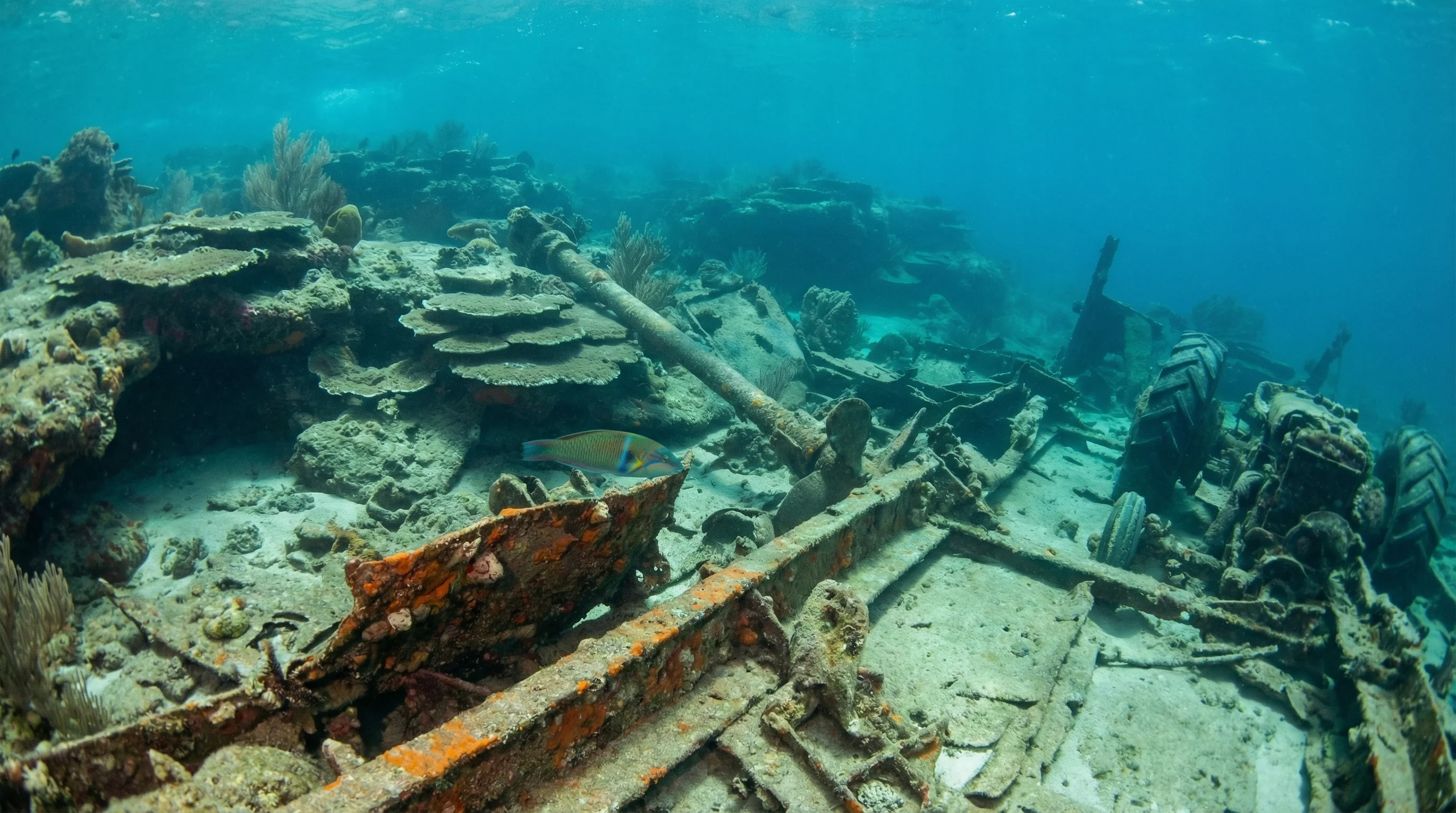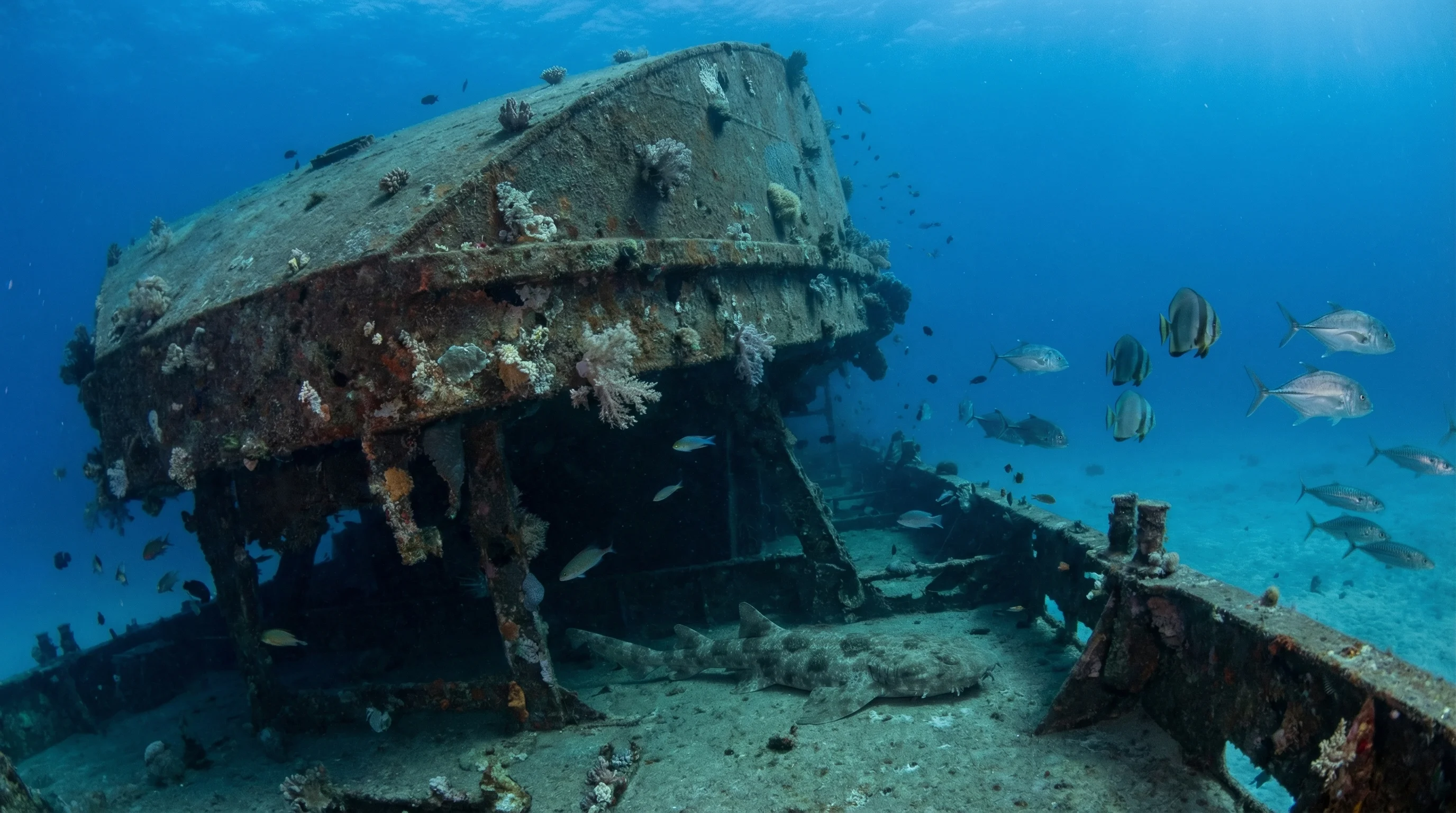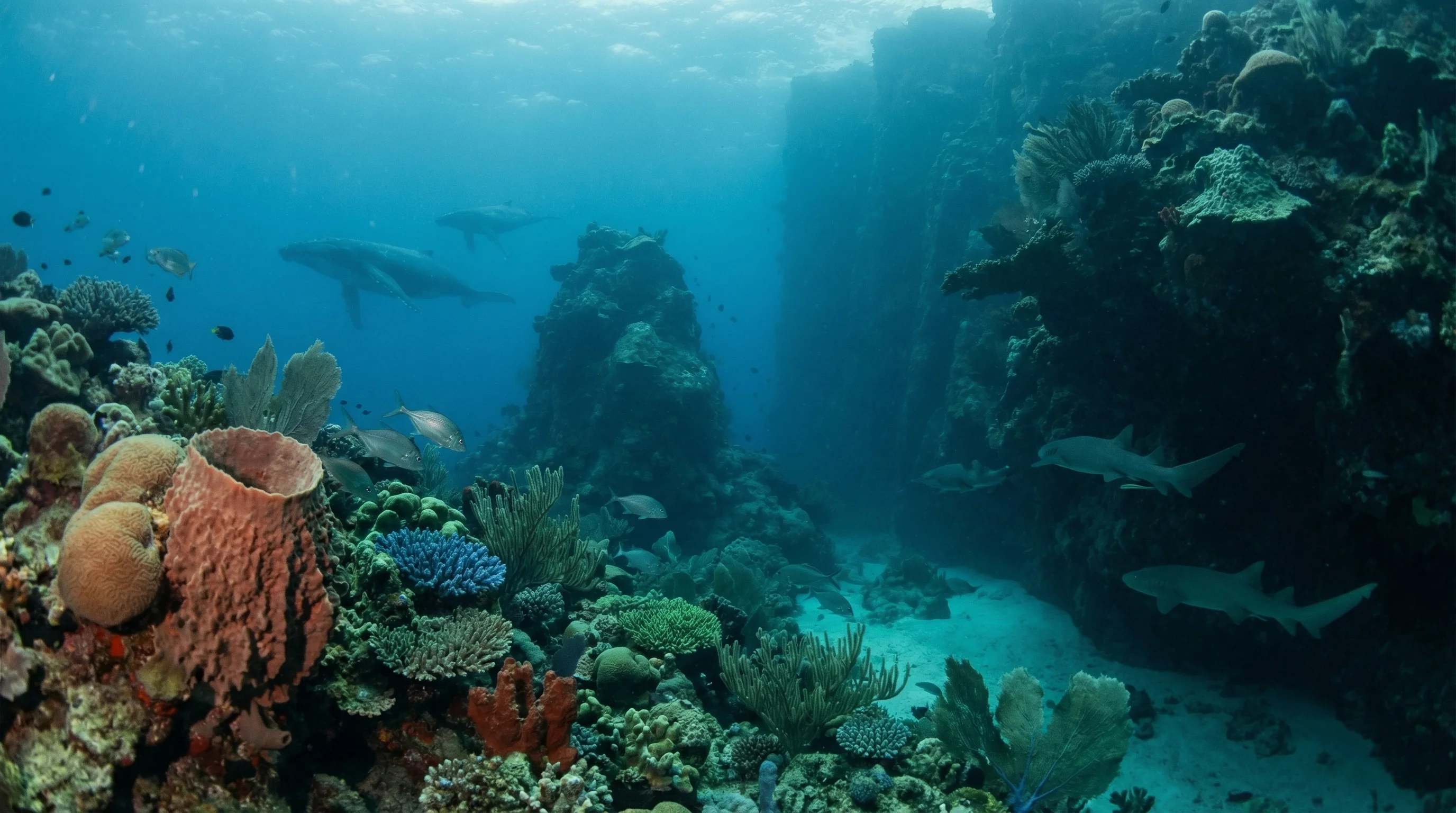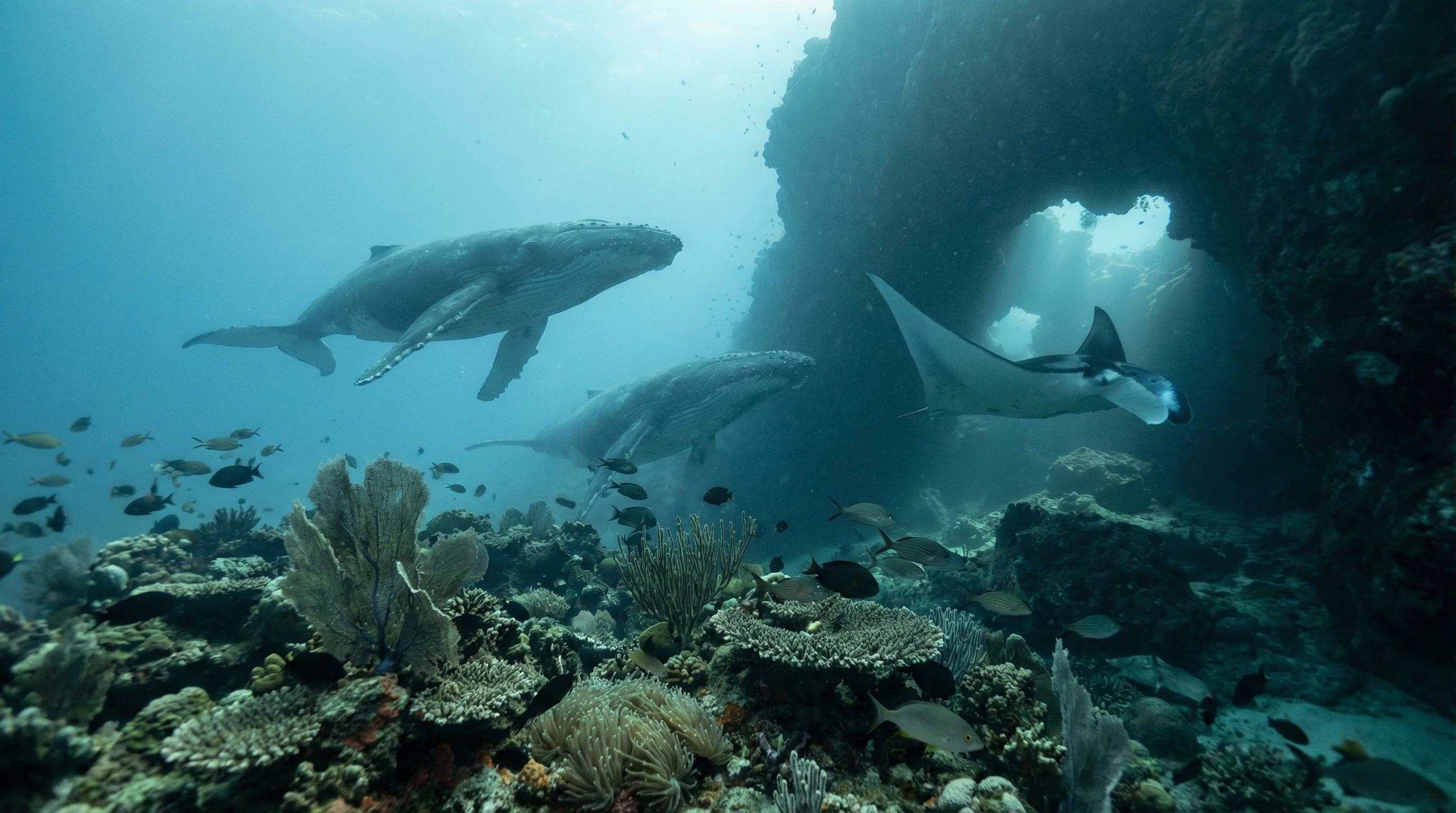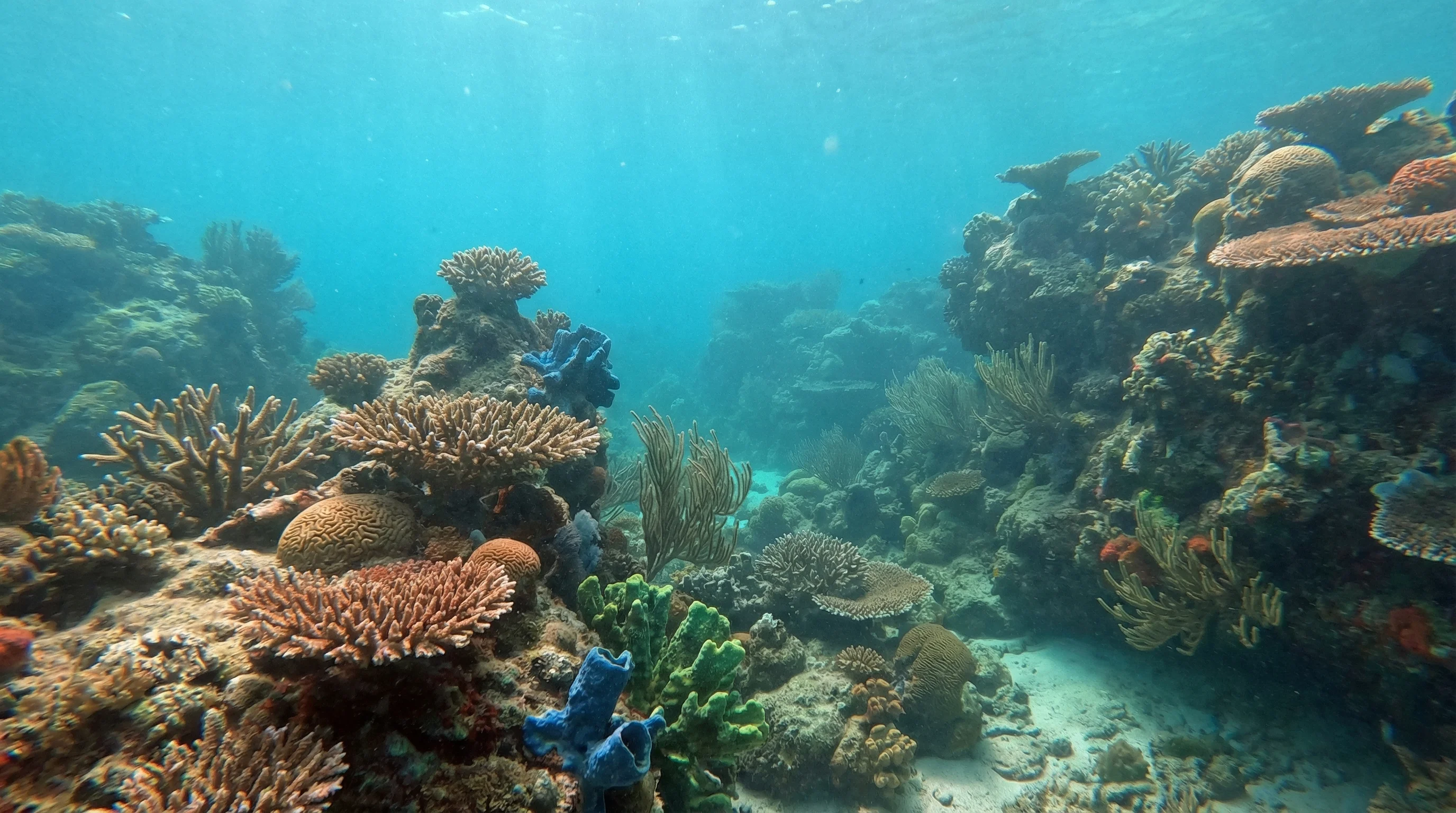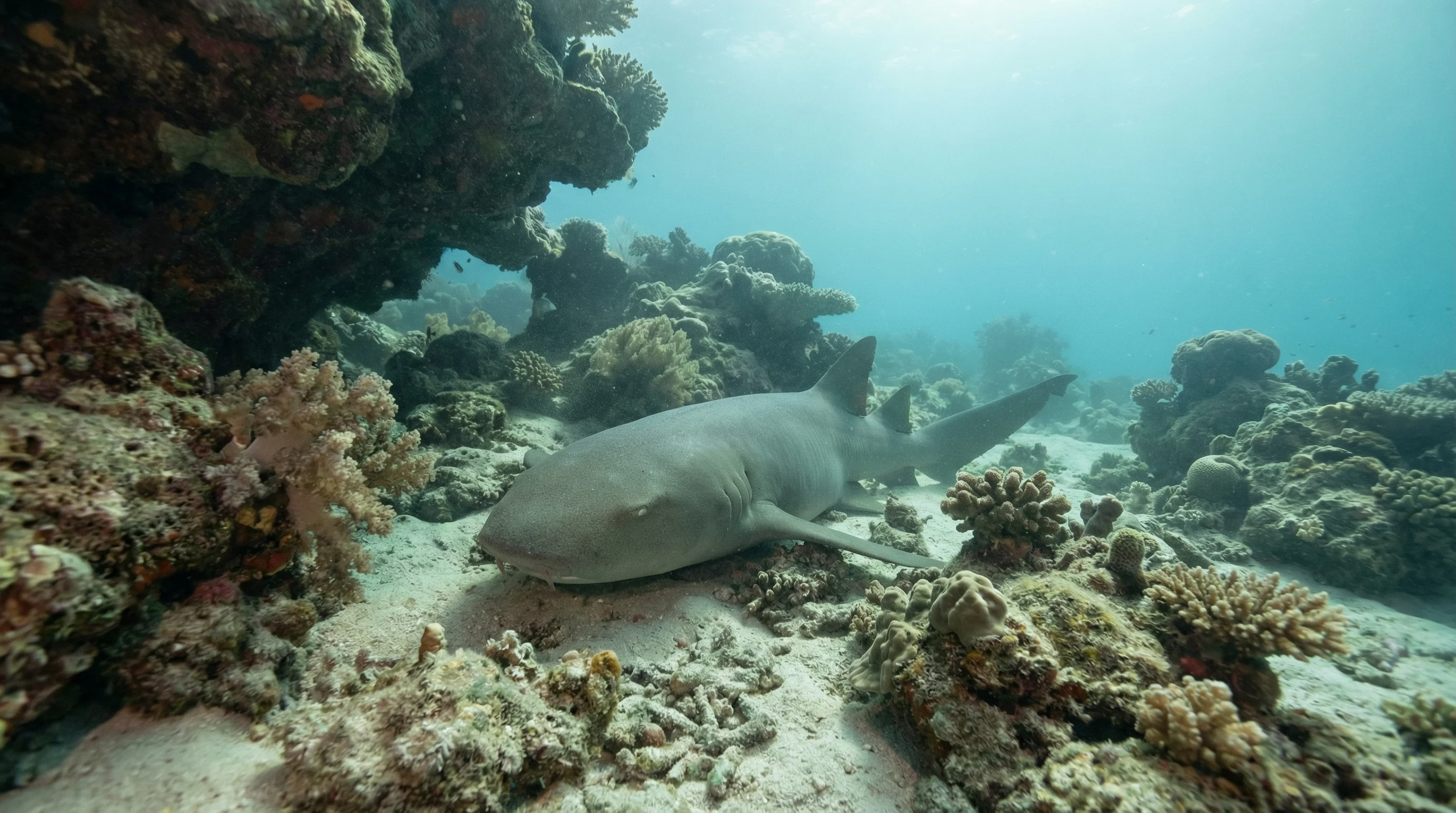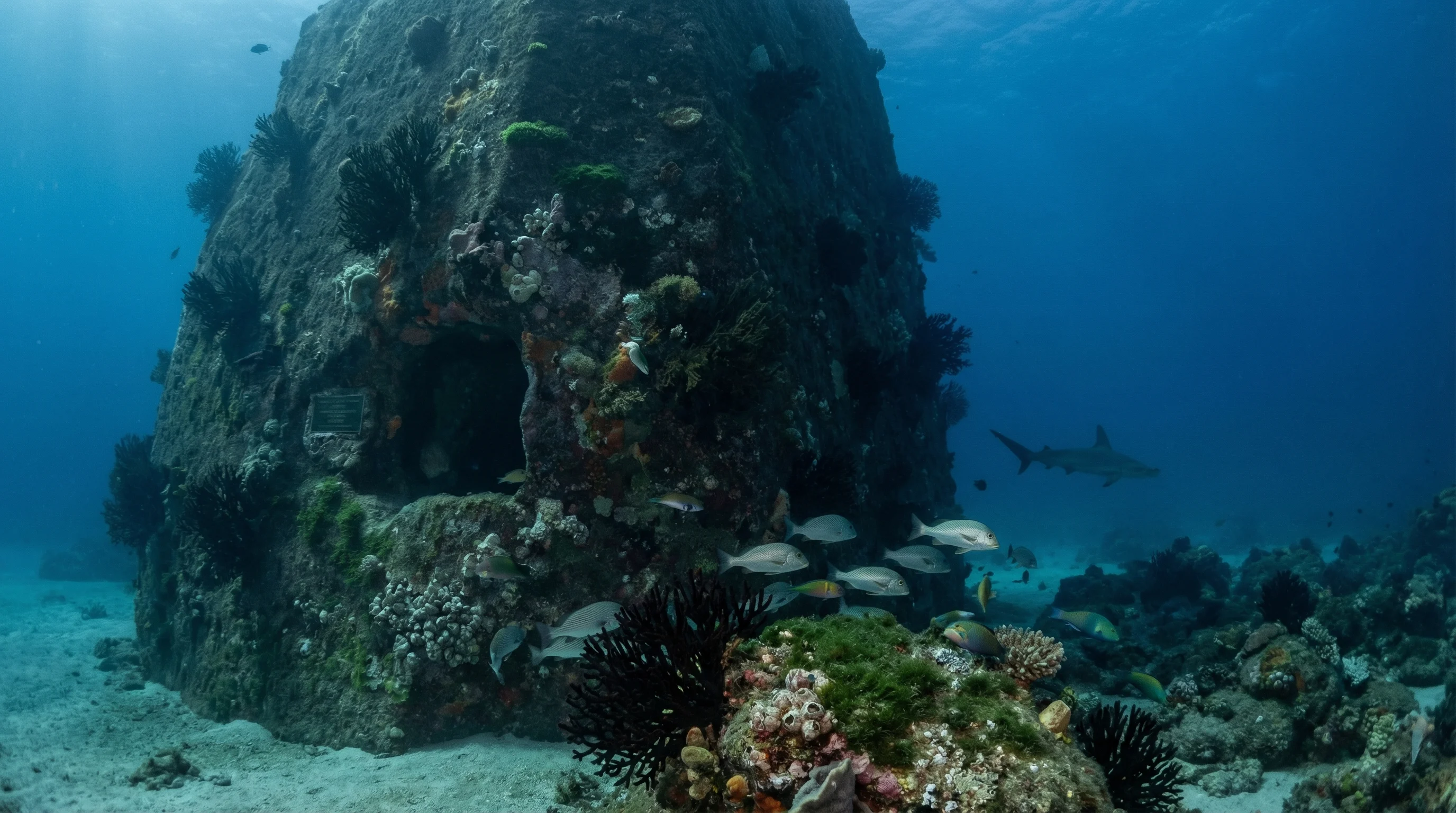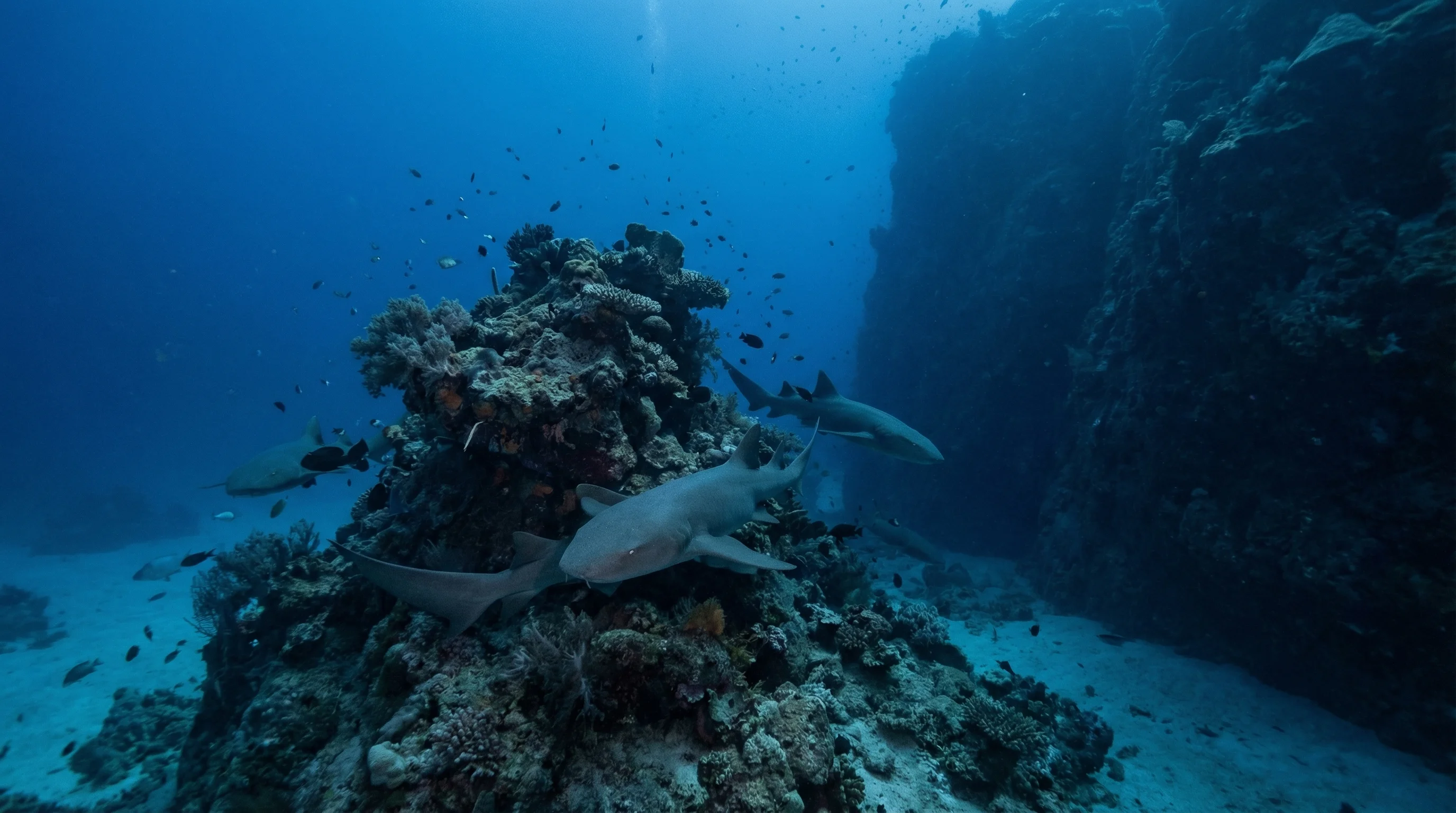
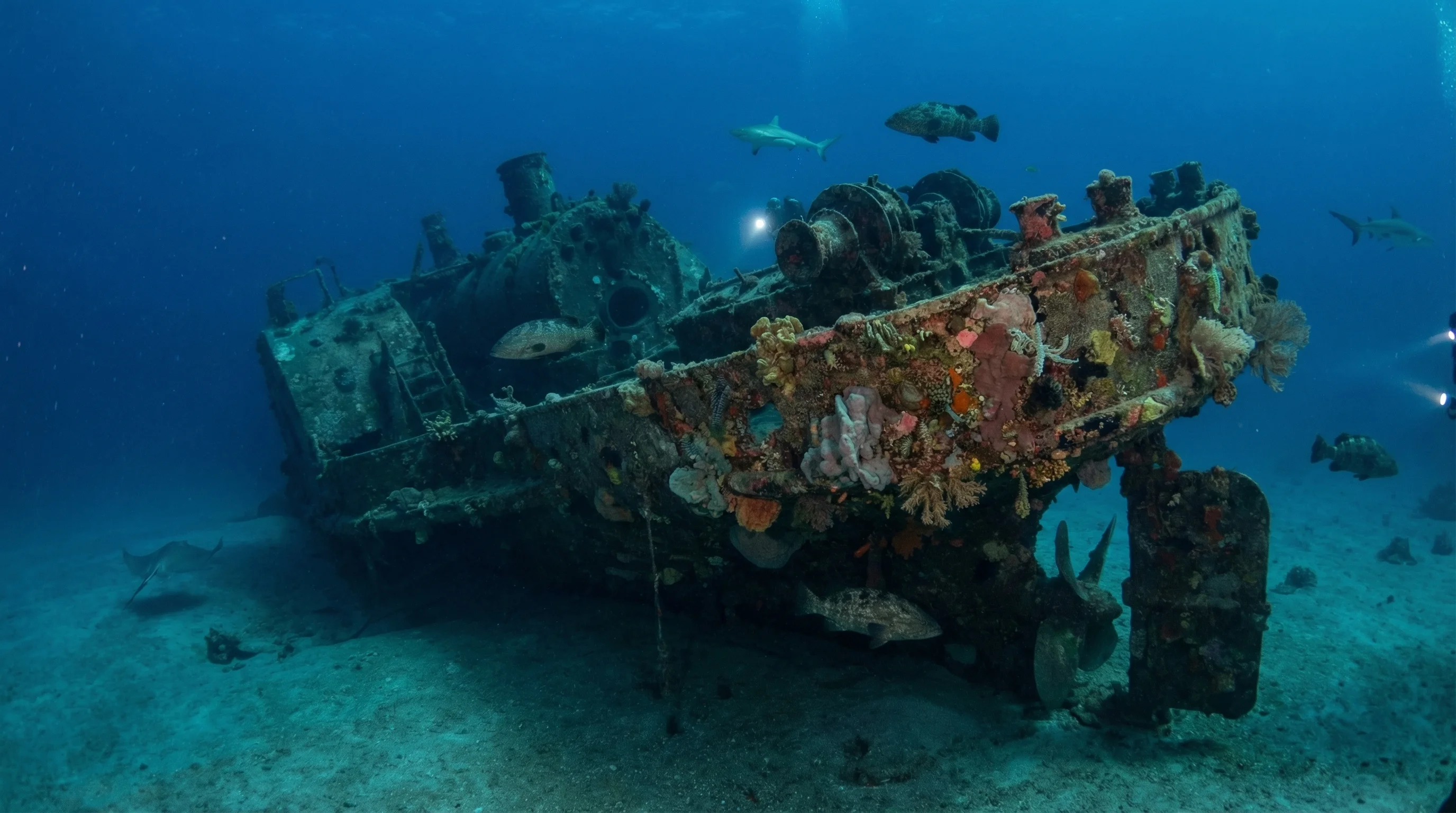
The SS Saint Paul sits at 40 to 43 metres, putting this Queensland wreck firmly in deep diving territory where nitrogen narcosis is a real consideration. Visibility swings between 7 and 30 metres depending on conditions, and moderate currents can strengthen without much warning, so buoyancy control and pre-dive planning matter here. The wreck presents both overhead environment sections and wall topography, rewarding divers who take time to work the structure methodically rather than rush. Various reef species have colonised the hull over time. This is a site that demands respect for its depth and currents, and delivers a genuinely engaging dive for those with the experience to handle it.
-27.00417, 153.49717
Plan your dive for the calmer months between November and May when conditions are most favourable, and always confirm current strength with your operator on the day before committing to a descent. Given the depth and narcosis risk, a dive computer with clear readouts and a conservative bottom-time plan are non-negotiable here.
Access info coming soon
This deep wreck requires advanced skills. Be aware of strong currents and the overhead environment of the wreck. Ascend slowly and monitor your air closely due to the significant depth.
Depth
40-43m
Visibility
7-30m
Skill Level
Advanced
Entry
Boat
Boat required
Current
Moderate
Best Time
Jan, Feb, Mar, Apr, May, Nov, Dec
The SS Saint Paul wreck in Southern Queensland lies at depths between 40 and 43 metres, making it a deep dive site. This depth requires advanced diving skills and careful dive planning. The wreck sits on the seabed requiring divers to manage extended bottom times and decompression obligations.
SS Saint Paul is classified as an advanced dive site due to its depth of 40 to 43 metres and moderate currents. Divers should have extensive experience with deep diving, wreck penetration, and managing nitrogen narcosis at depth. The combination of overhead environment and strong currents makes this suitable only for experienced divers with advanced training.
The SS Saint Paul wreck presents multiple significant hazards including extreme depth, overhead environment, strong currents, and nitrogen narcosis risk. At 40 to 43 metres, divers face increased nitrogen absorption and potential narcosis effects. The wreck structure creates confined spaces whilst moderate to strong currents can affect navigation and air consumption.
The optimal months to dive the SS Saint Paul wreck are January through May and November through December. These periods in Southern Queensland typically offer the most favourable diving conditions. Visibility at the site ranges from 7 to 30 metres depending on seasonal conditions and recent weather patterns.
The SS Saint Paul wreck in Southern Queensland is accessed by boat only, as it lies 40 to 43 metres below the surface. Due to the site's advanced nature and remote location, divers must arrange transport through local dive operators. No shore access is possible for this offshore wreck dive.
Diving the SS Saint Paul requires advanced certification and substantial experience with deep wreck diving in challenging conditions. The 40 to 43 metre depth demands proficiency in decompression procedures, whilst the moderate to strong currents and overhead environment require excellent buoyancy control and navigation skills. Divers should have logged numerous deep dives and be comfortable managing nitrogen narcosis effects.
Diving at SS Saint Paul in Southern Queensland requires the following certifications: Advanced, Wreck. Always dive within your training limits.