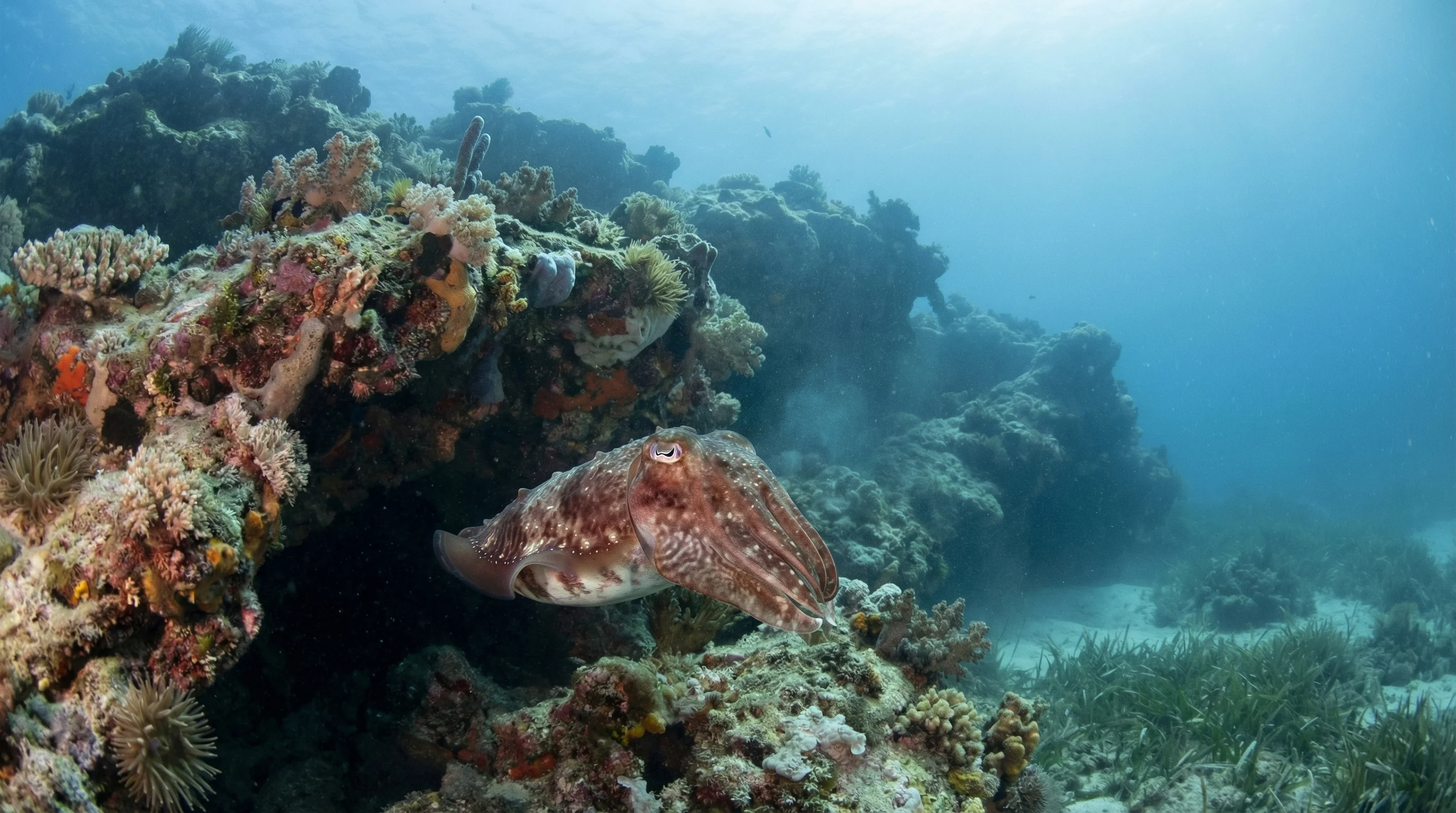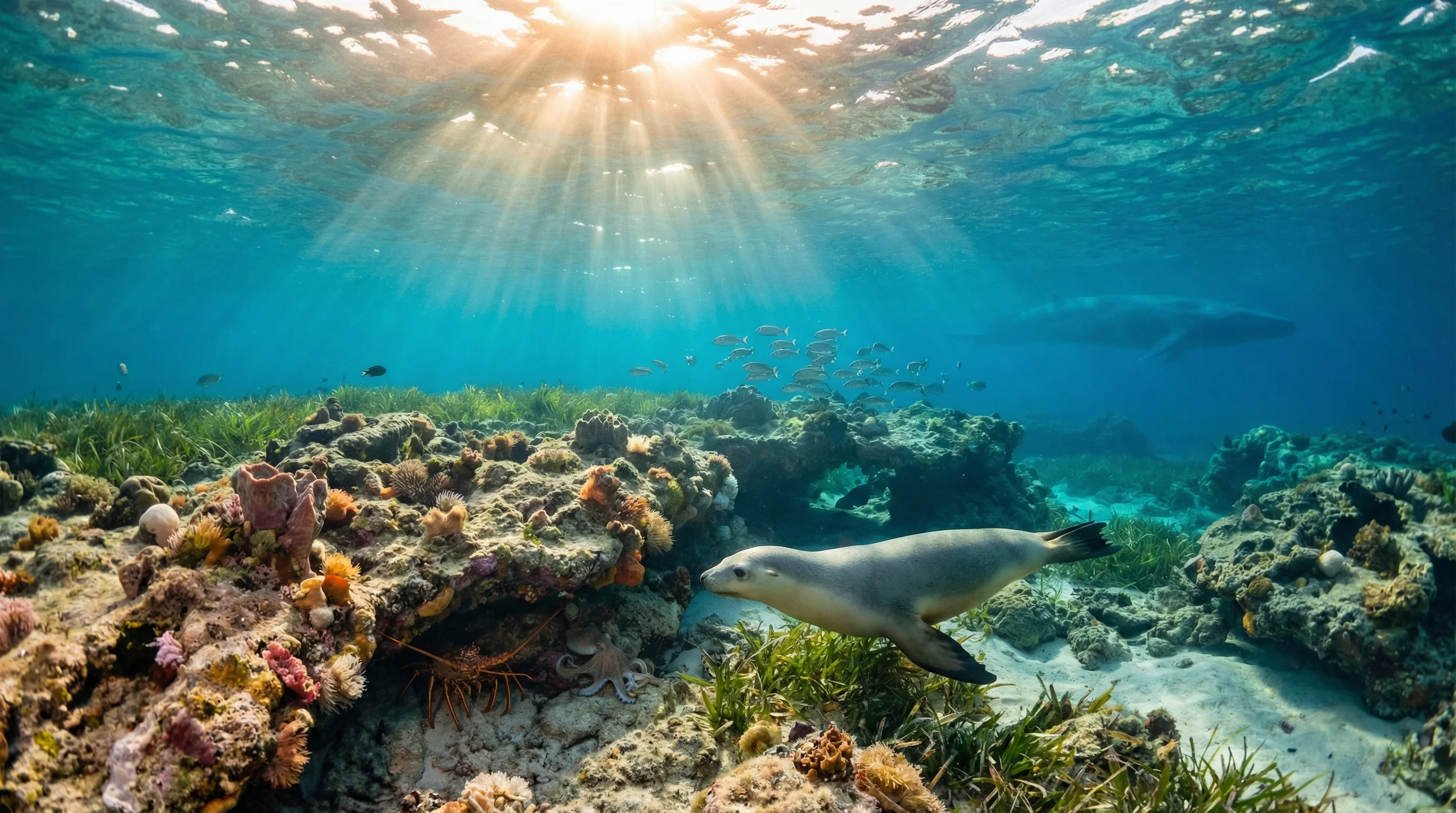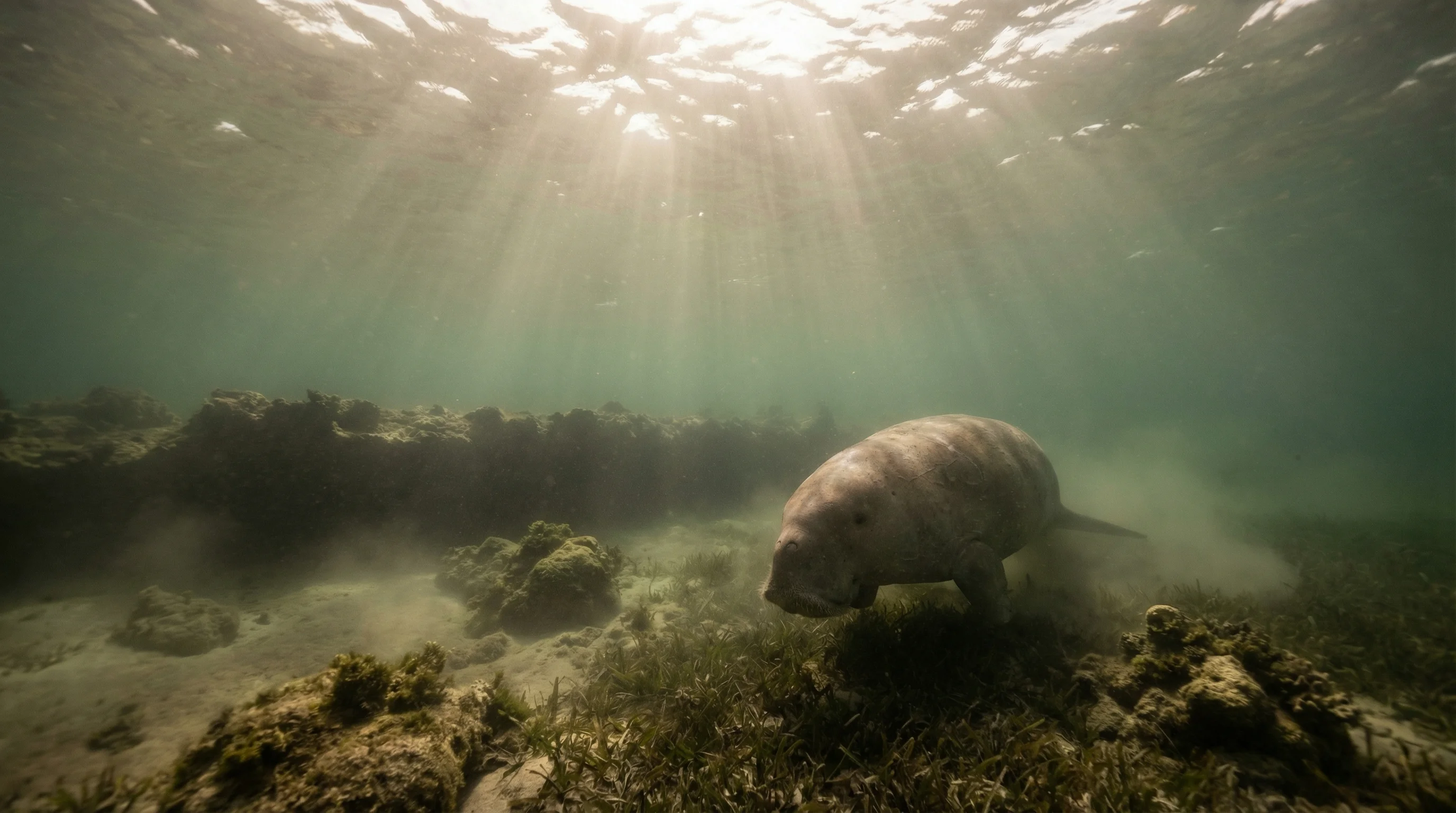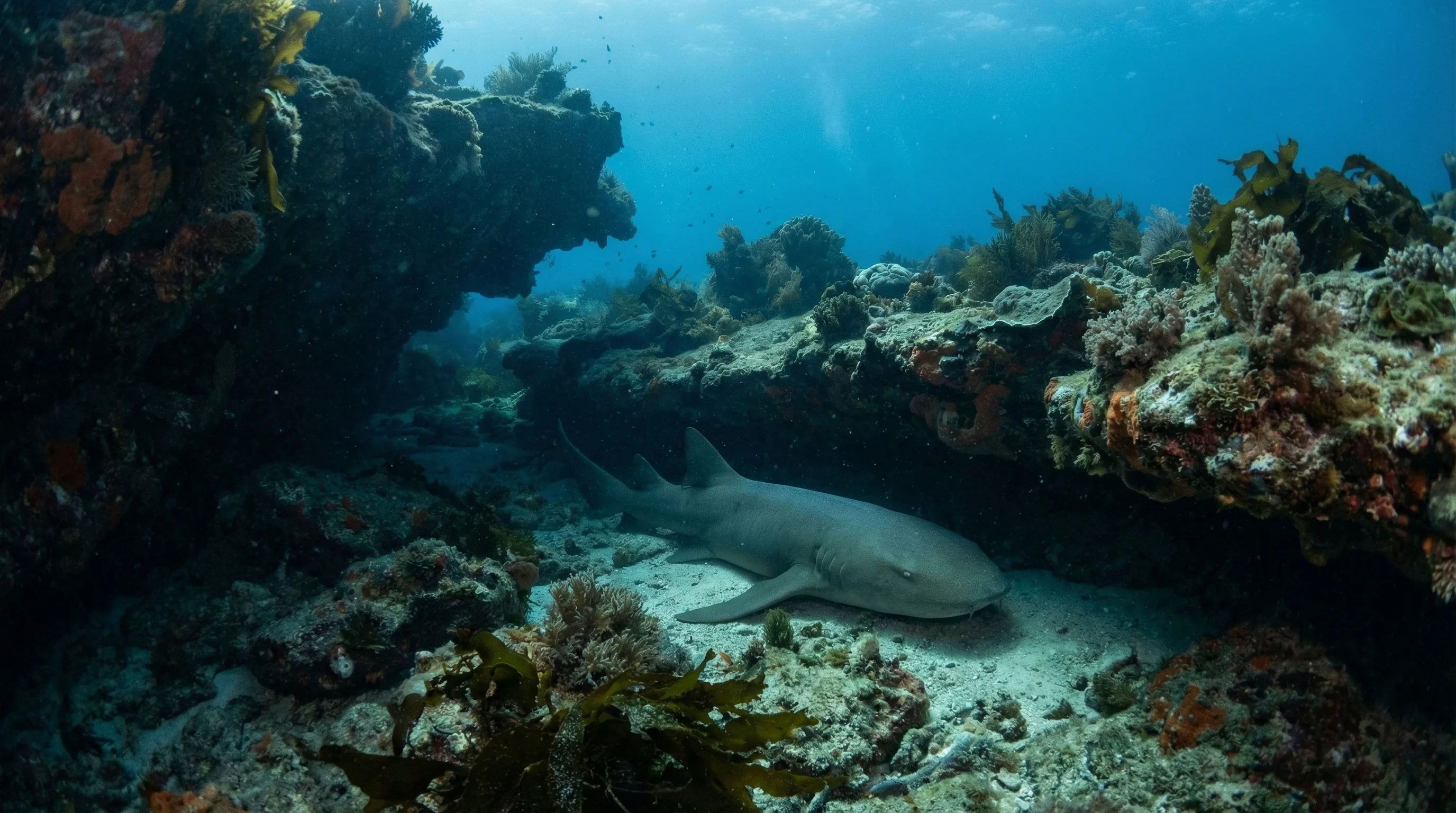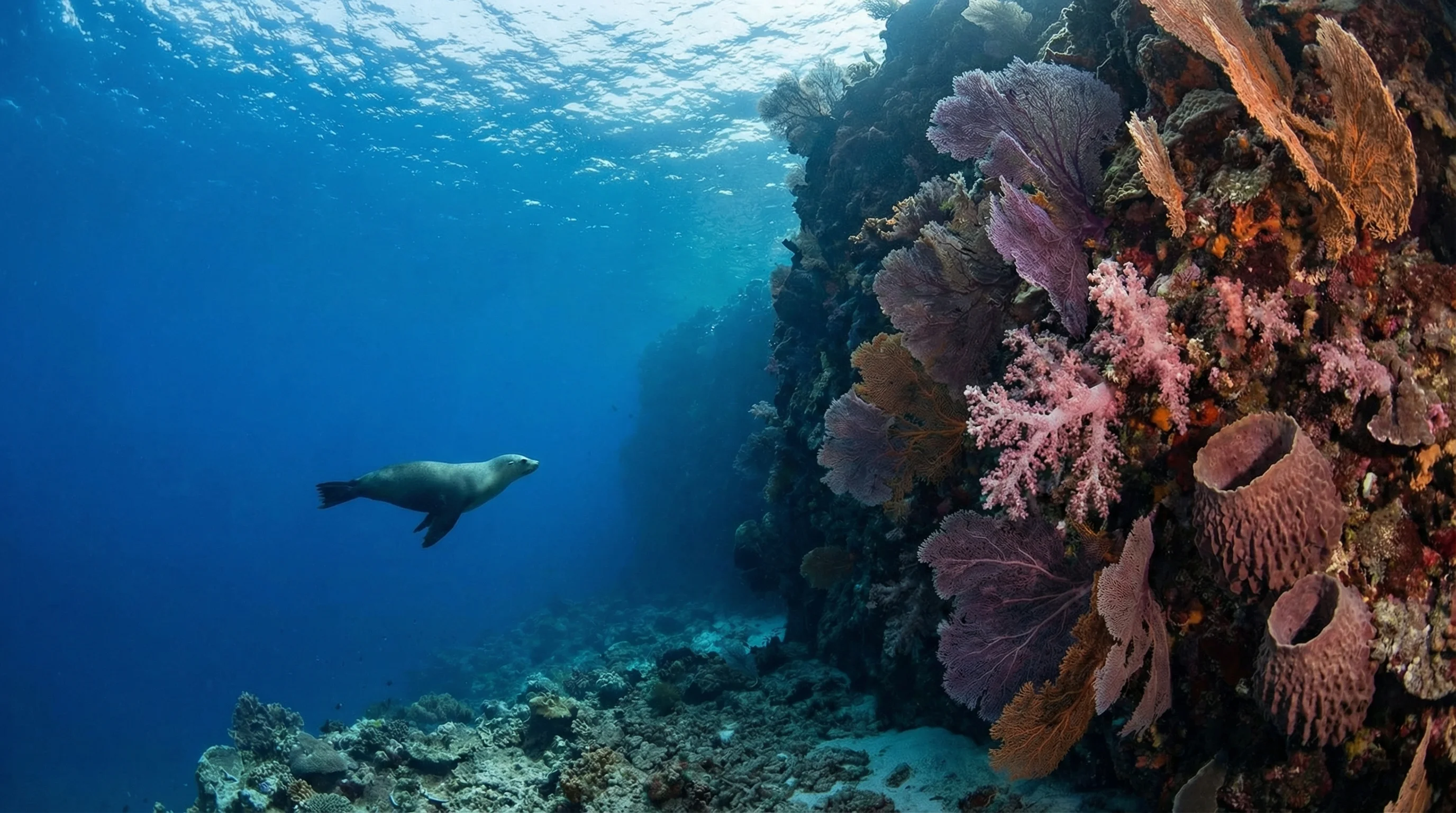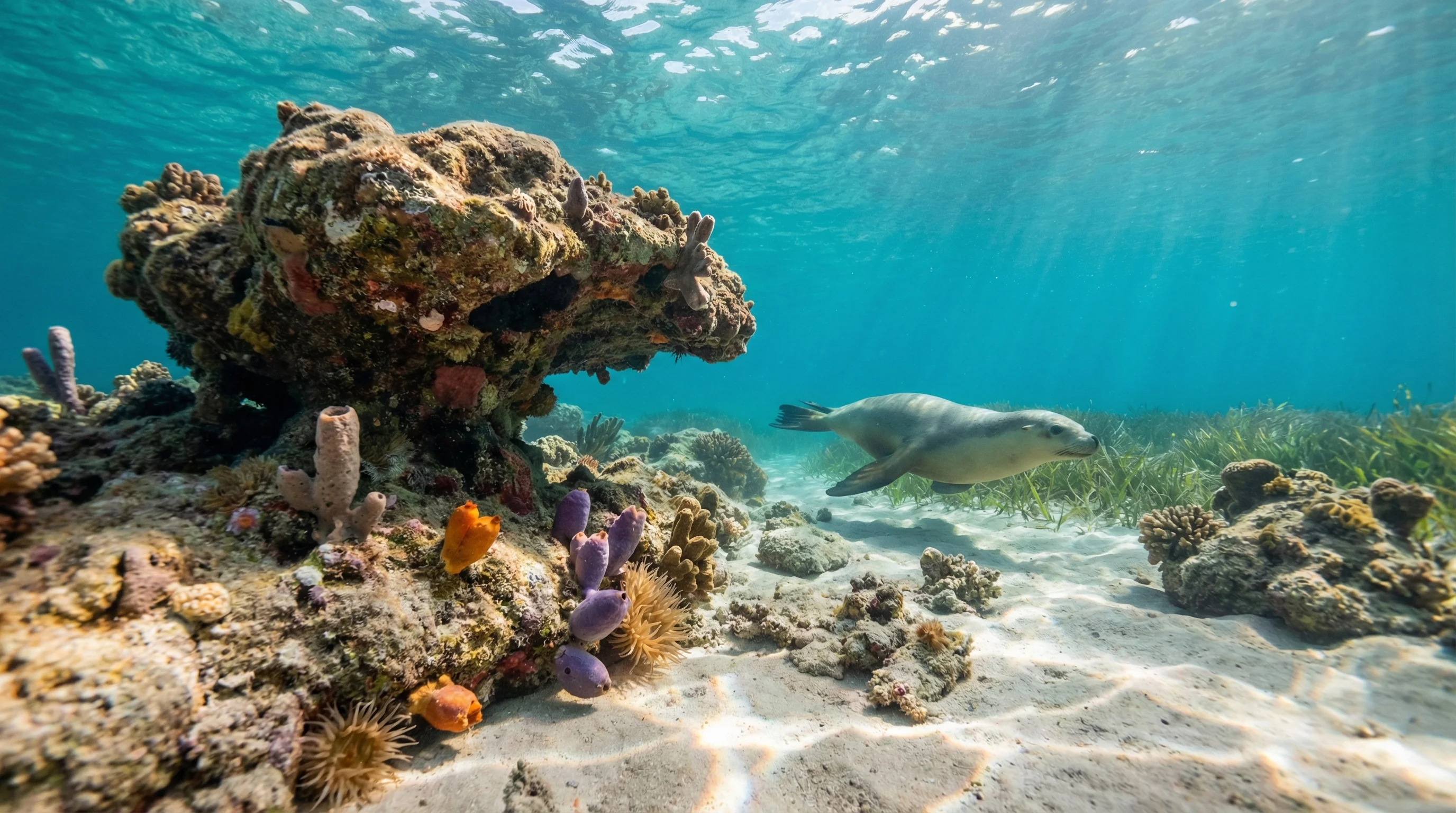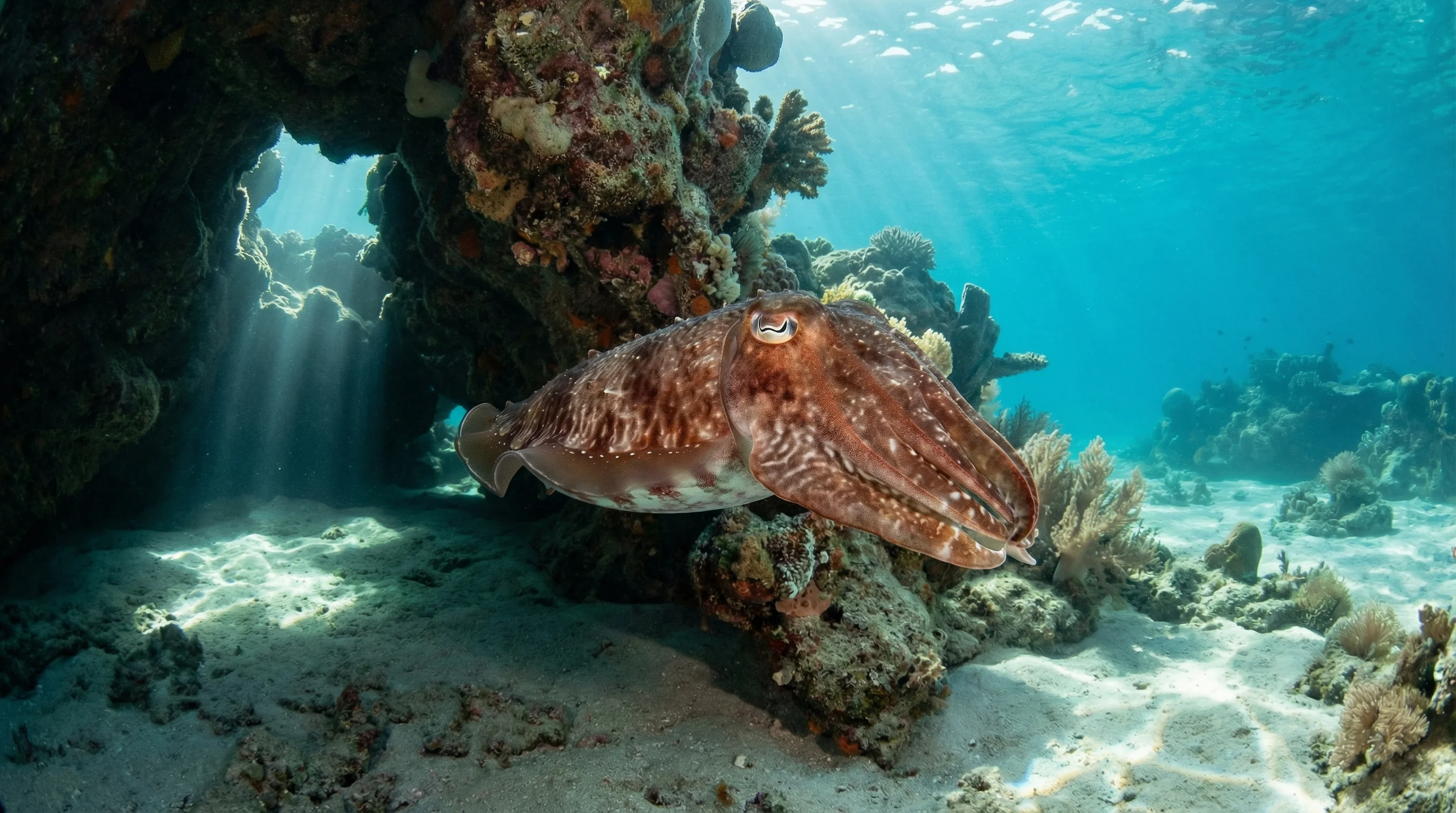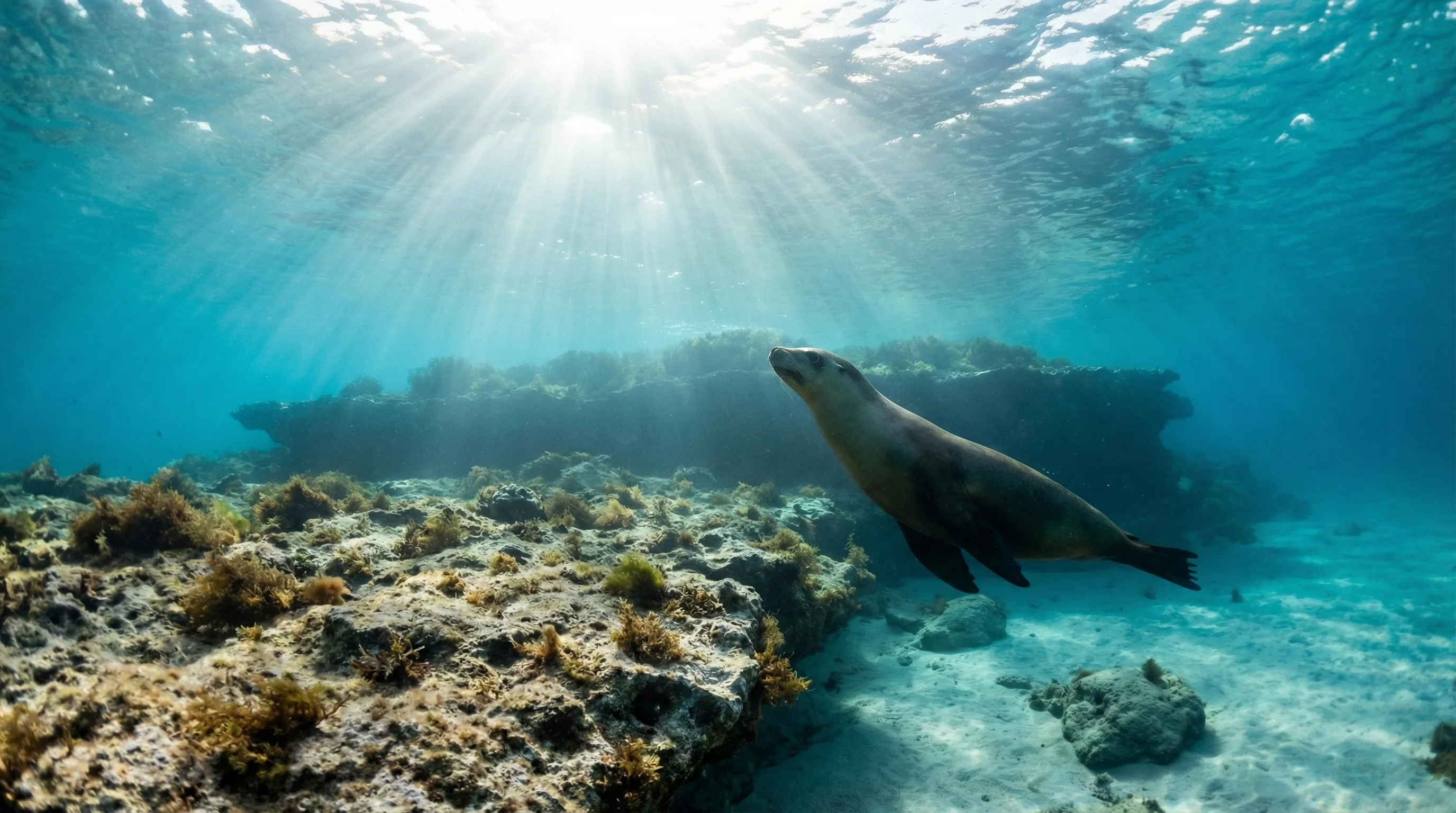
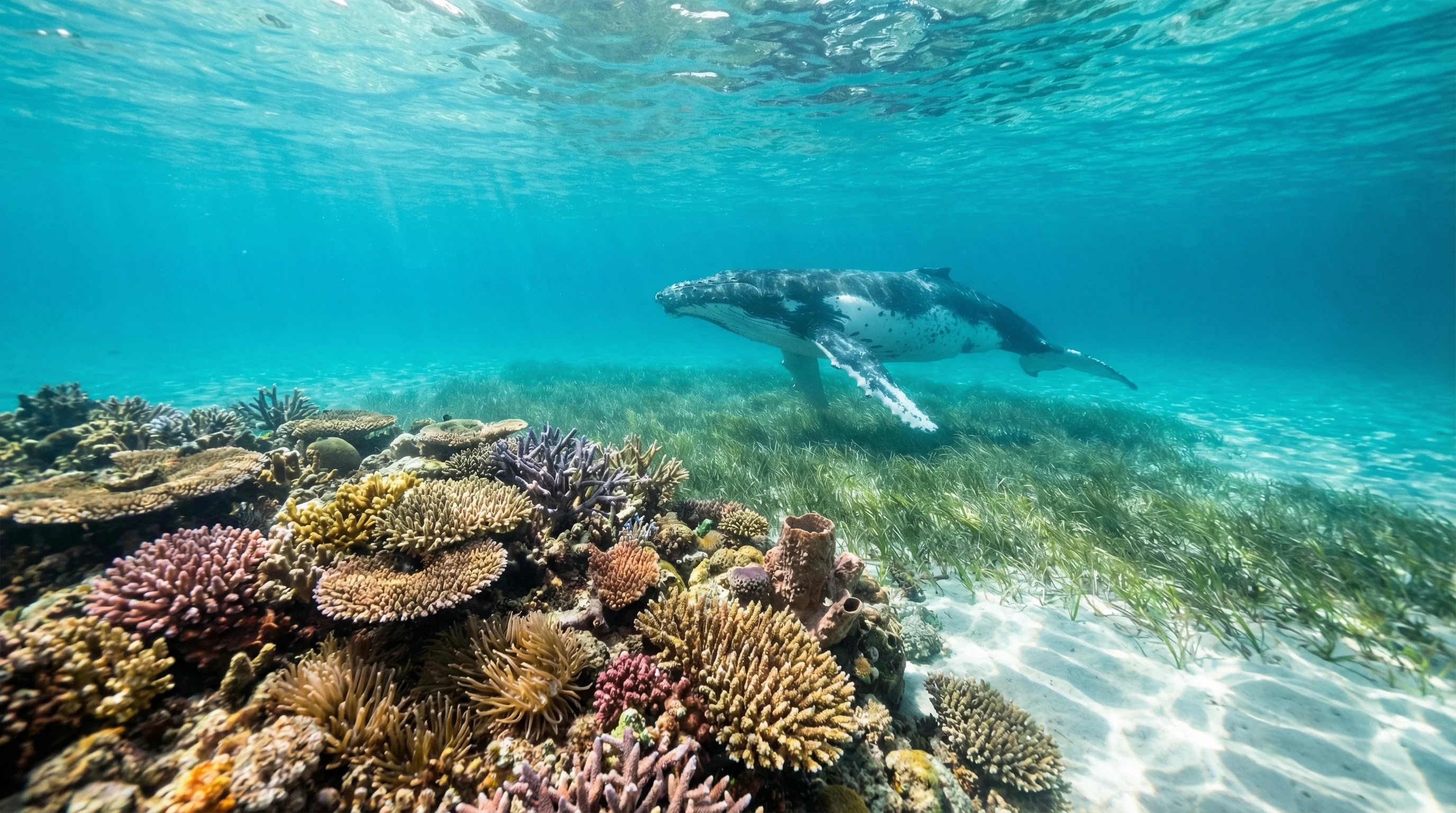
Sandy Cape is a shallow shore dive in calm, protected waters, making it a comfortable choice for beginners building confidence underwater. The site combines reef and seagrass habitats across just 1 to 5 metres of depth, so you can take your time exploring without worrying about depth management. Visibility is variable, so conditions can change from visit to visit. You can expect to see wrasse, butterflyfish, buffalo bream, and western rock lobsters among the reef and seagrass. Australian sea lions and dolphins also visit the area. Keep an eye out for lionfish, which are present here and should not be touched. Mild current and some surge are the main conditions to be aware of.
-30.22000, 115.03500
Visit between March and May or September and November when conditions tend to be most settled and humpback whales are migrating through the area. Check visibility before you go, as it can vary considerably, and a morning visit on a calm day usually gives you the best chance of clear water.
The turnoff to Sandy Cape is located 10km north of Jurien Bay. The campsite area is accessible via a 7km unsealed road suitable for 2WD vehicles. Snorkeling is directly off the beach.
Lionfish are present in the Jurien Bay Marine Park. Strong afternoon sea breezes in summer can cause choppy conditions. Regulations require snorkelers to maintain a minimum distance from Australian sea lions.
Depth
1-5m
Visibility
0m
Skill Level
Beginner
Entry
Shore
Water Temp
18-24°C
Current
Mild
Best Time
Mar, Apr, May, Sep, Oct, Nov
Sandy Cape in Western Australia hosts humpback whales during their annual migration, along with dolphins and Australian sea lions. The shallow waters also support western rock lobsters, wrasse, buffalo bream, butterflyfish and lionfish amongst the reef structure.
Sandy Cape is ideal for beginner snorkellers, with shallow depths ranging from 1 to 5 metres and direct shore access. The mild currents and sheltered conditions make it accessible for those new to snorkelling, though awareness of lionfish and surge is necessary.
The best months for snorkelling at Sandy Cape are March, April, May, September, October and November. Water temperatures during these periods range from 18 to 26 degrees Celsius, and conditions are generally more favourable than the summer and winter extremes.
Sandy Cape offers direct shore entry with parking and toilet facilities available on site. No boat is required to access the snorkelling area, making it convenient for independent visitors exploring the Mid West region of Western Australia.
Sandy Cape features depths between 1 and 5 metres with mild currents suitable for relaxed snorkelling. Water temperatures range from 18 to 26 degrees Celsius seasonally, though snorkellers should be prepared for occasional surge conditions near shore.
The primary hazards at Sandy Cape are lionfish, which possess venomous spines, and surge that can push snorkellers against rocks or reef. Maintaining a safe distance from lionfish and being aware of wave action near the shore entry point reduces these risks considerably.
There is no entry fee to snorkel at Sandy Cape, making it a cost-effective option for exploring Western Australia's marine environment. Basic facilities including parking and toilets are provided without charge.
A 5mm wetsuit is recommended for diving at Sandy Cape in Mid West. Water temperatures range from 18°C to 24°C.
Sandy Cape in Mid West has depths ranging from 1 metres to 5 metres.
Sandy Cape in Mid West offers snorkelling with a rating of 1 out of 5. Shallow areas start from 1 metres, making it accessible for snorkellers.