Jasus edwardsii
40cm
5-200m
293 sites
Palinuridae
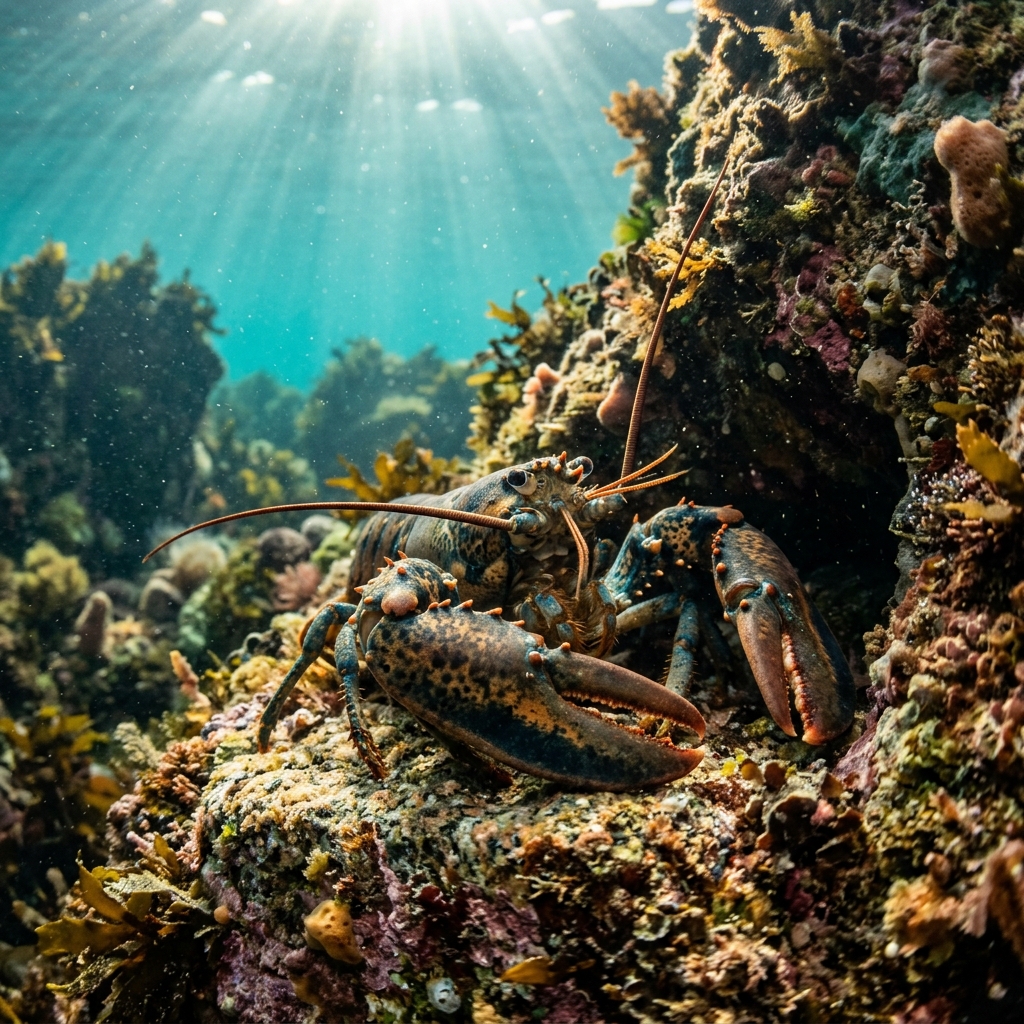
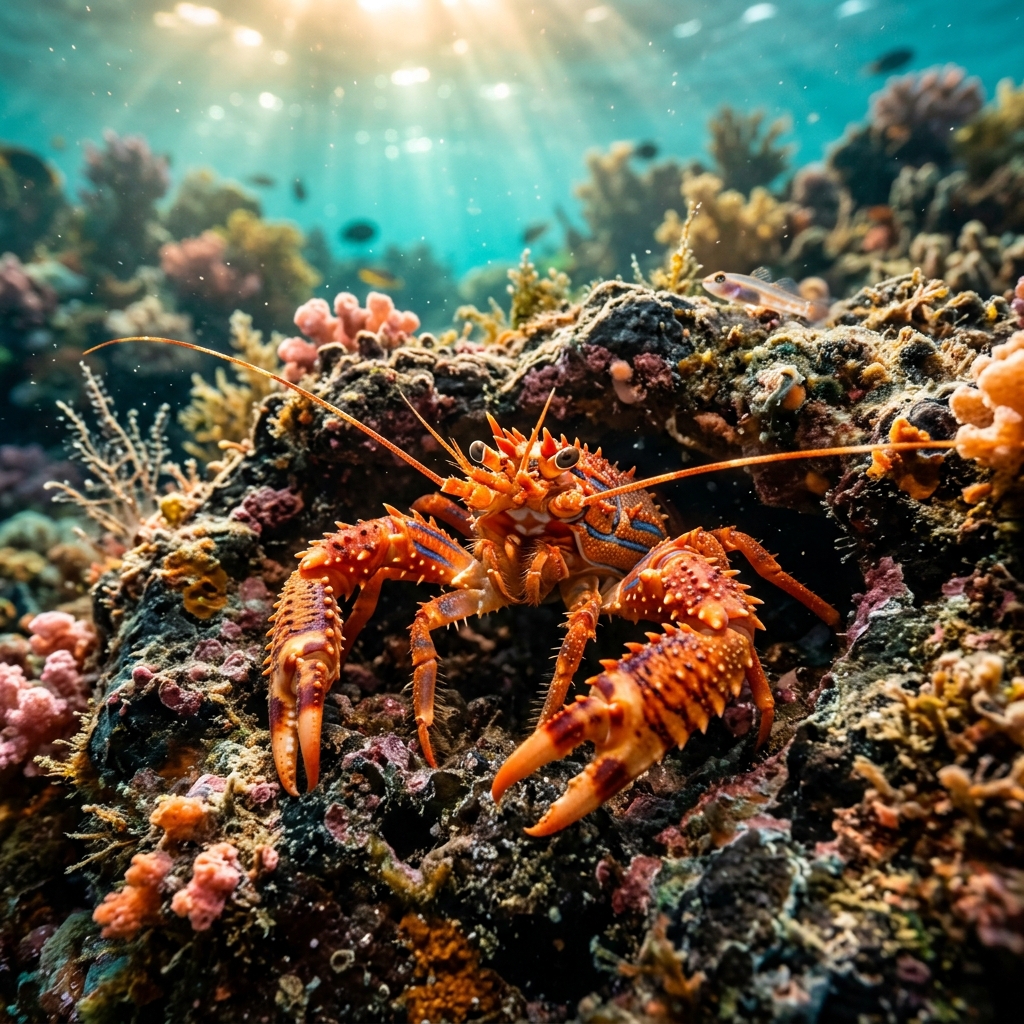
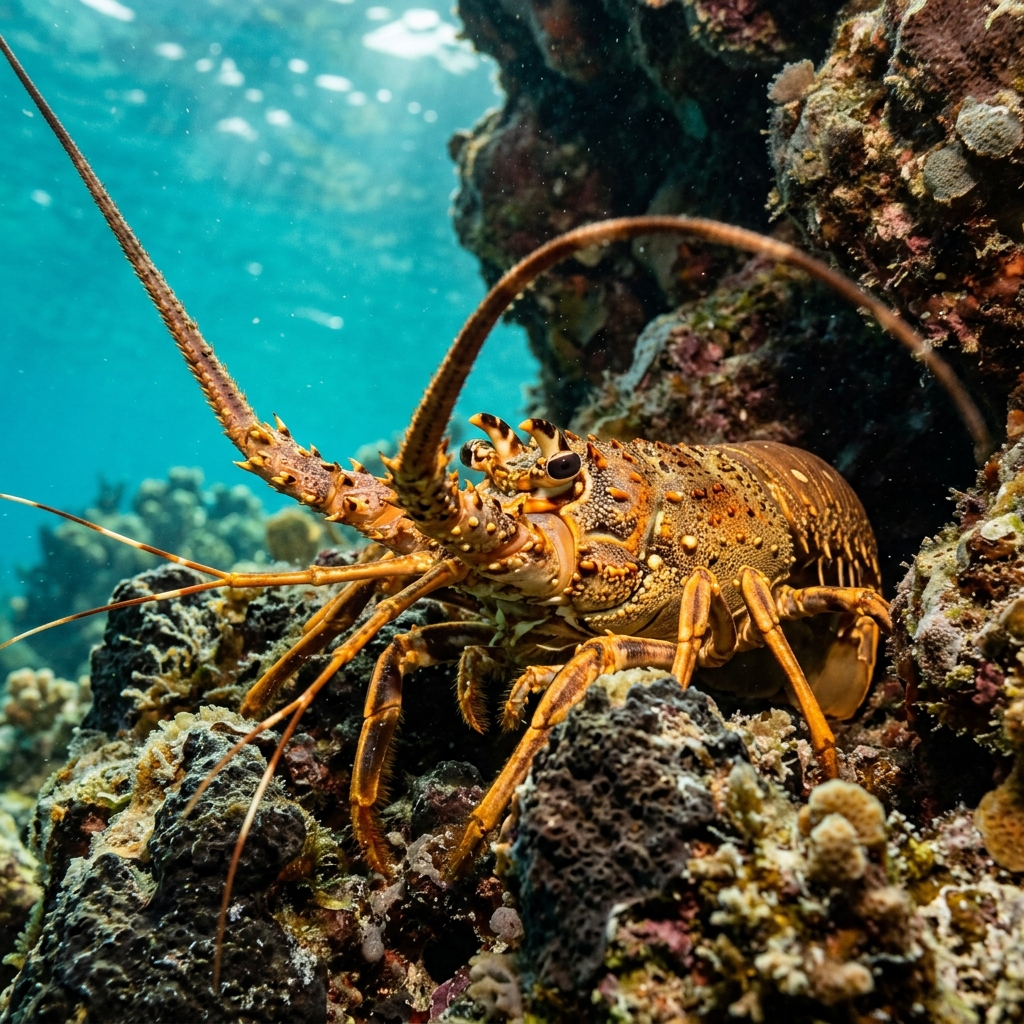
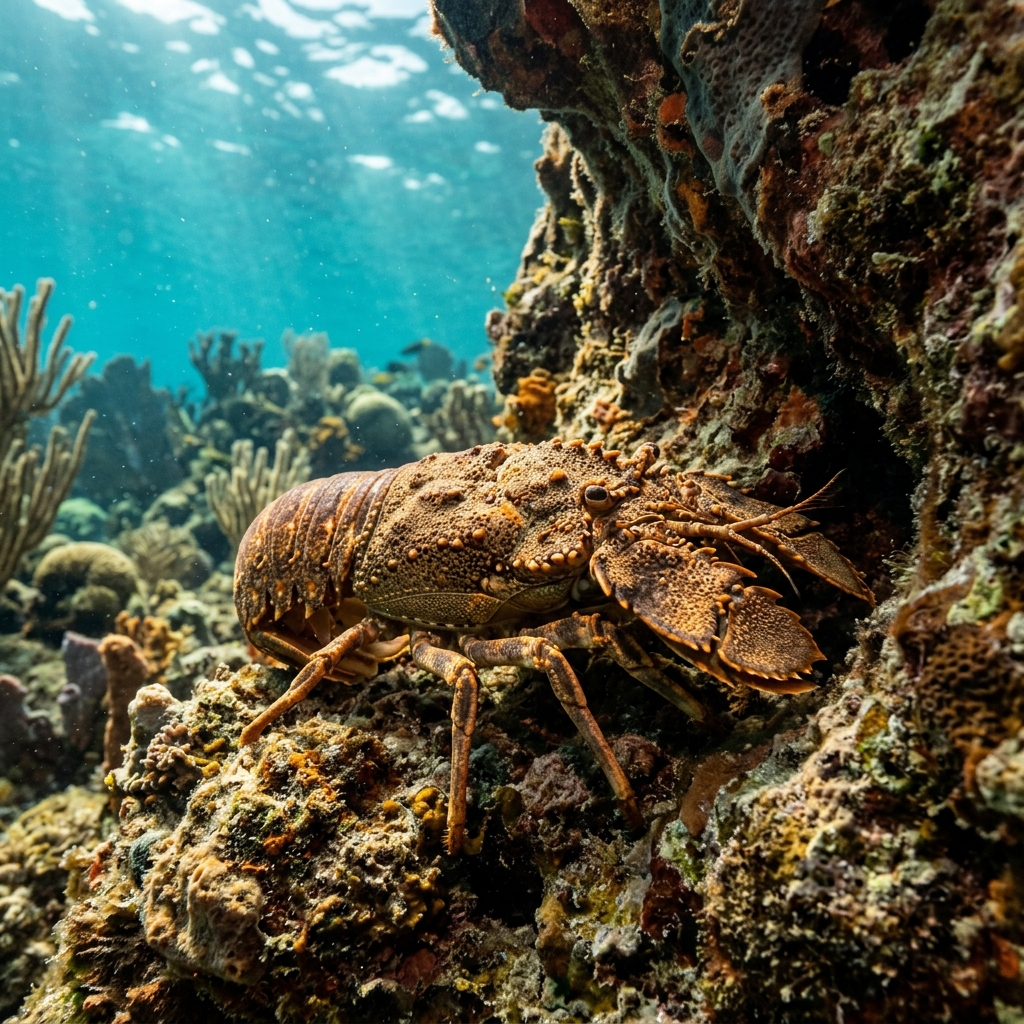
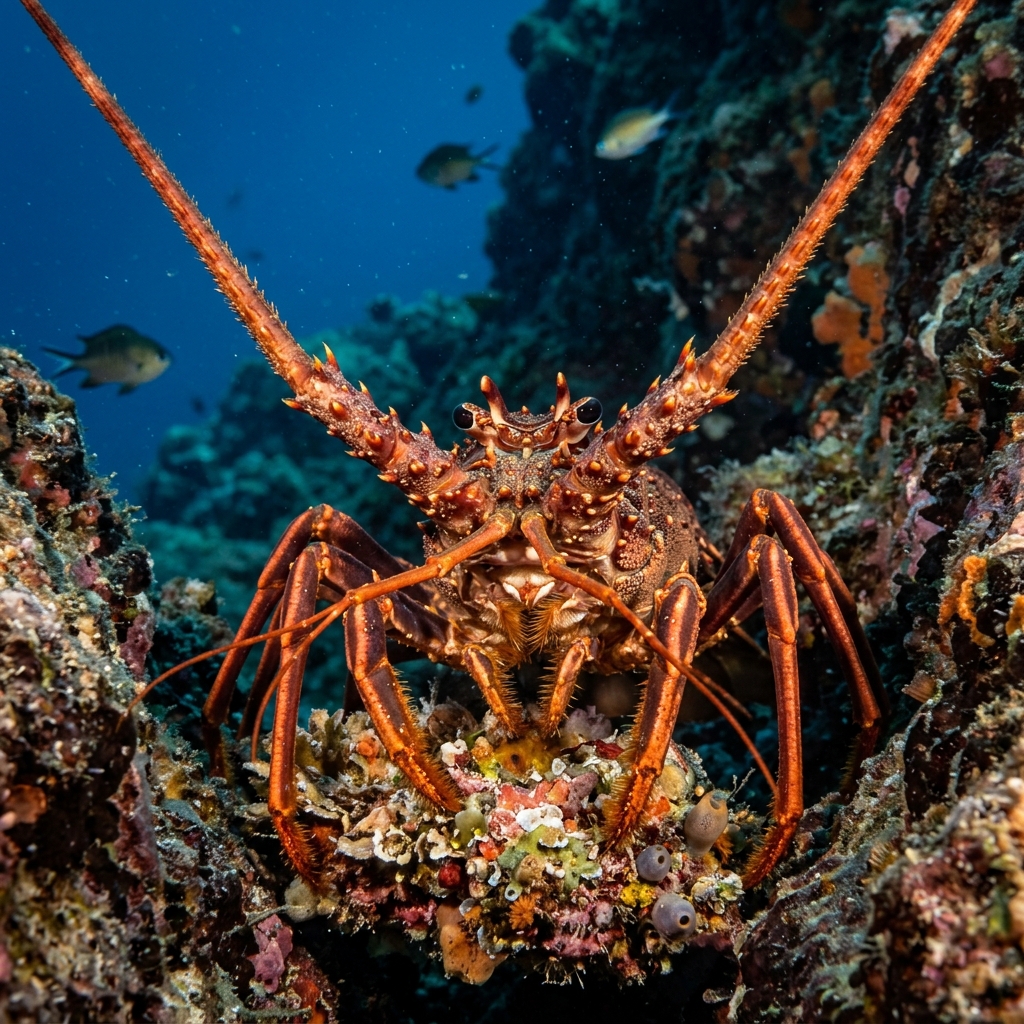
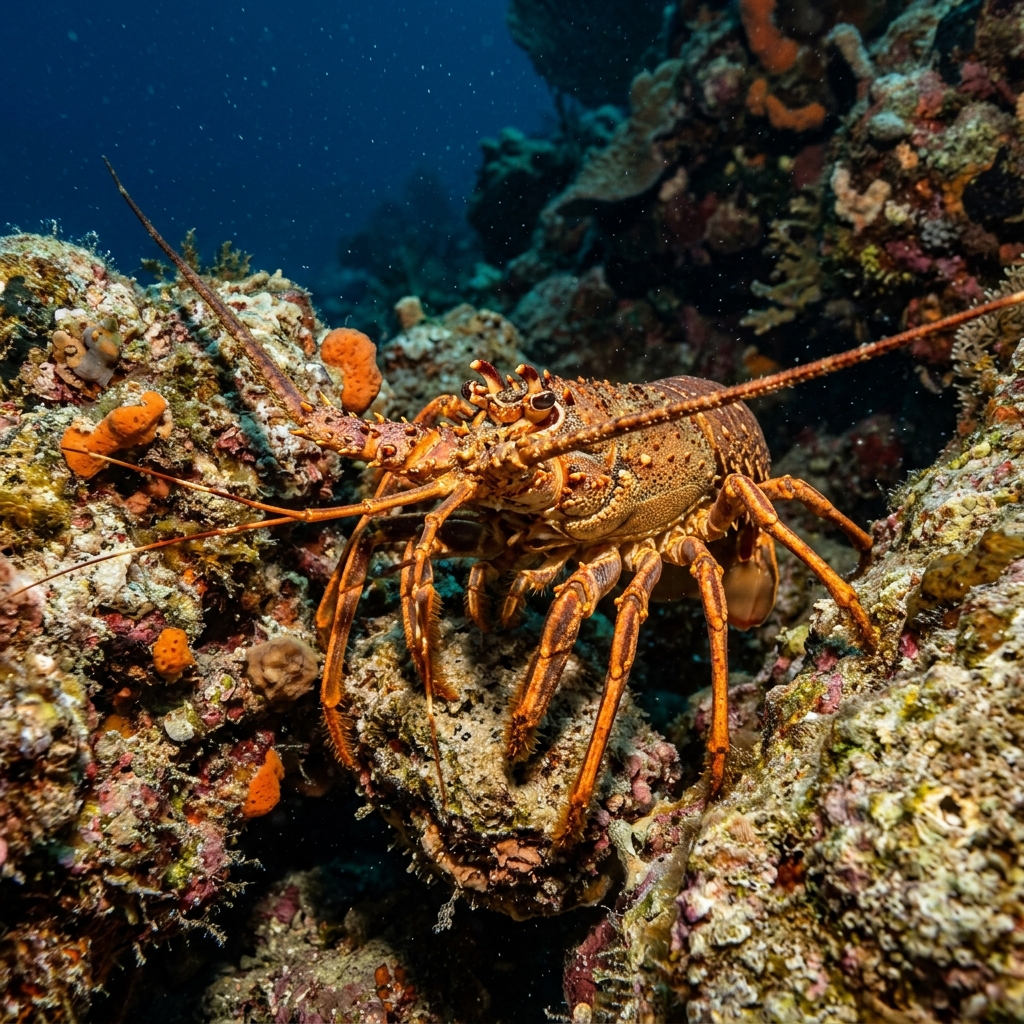
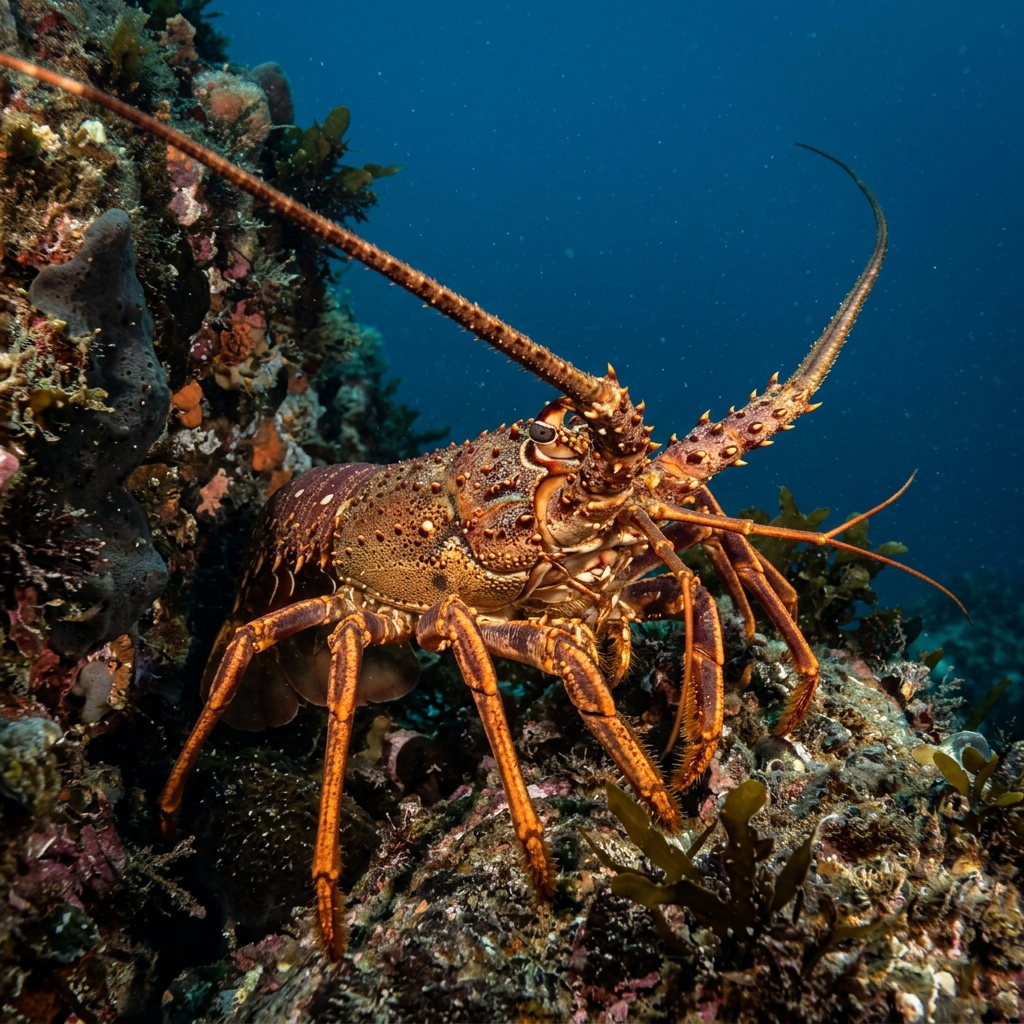
Imagine exploring a rocky reef in the cool waters of Southern Australia or the South Pacific, and spotting a sizable, spiky creature lurking in a crevice. That's likely the Southern Rock Lobster (Jasus edwardsii), a sought-after sight for many divers. These impressive crustaceans, also known as crayfish or crays, can grow to impressive sizes, adding a touch of prehistoric charm to the underwater landscape. While they're not always out in the open, patient divers often find them tucked under ledges, in caves, or amongst dense kelp forests. Spotting one is always a treat, offering a glimpse into the robust marine life these regions support. Their presence is a sign of a healthy ecosystem, making each sighting a rewarding experience for the observant diver. Divers often find them more frequently at deeper sites. Though they are present in waters as shallow as 5m, they are more commonly observed as depths increase. These lobsters are an important species in their ecosystem, which is why finding them can be exciting for scuba divers and free divers alike.
The Southern Rock Lobster is easily identifiable by its large size (up to 58cm), reddish-brown to orange-brown colouration, and prominent spiny antennae that extend beyond its body. Unlike true lobsters, it lacks large claws on its front legs; instead, it has numerous smaller spines covering its carapace and legs. Its robust, heavily armoured body and jerky, backwards swimming motion are also key giveaways. Look for the distinctive pattern of spines on its back and sides to confirm your identification.
910 sites